Ask for an oud bruin in Bathmen and you get a question back: the Dutch one or the Flemish one? That sounds pedantic, but it is a serious difference. Behind the same two words are two beers that resemble each other on almost no point at all.
Of the 892 beers we stock, exactly one has oud bruin on the label, and that is a Dutch one. The Flemish branch is there too, but under other names. That makes the confusion complete, so let us take it apart.
Two beers, one name
Dutch oud bruin is a dark, sweet, low-alcohol beer, bottom-fermented, and drunk cold. Flemish oud bruin is a sour beer that has spent months to years in oak casks and is blended by the brewer before it is bottled.
The word oud (old) means something different in each case. In Flanders it refers to the ageing: there is literally old beer in the bottle. In the Netherlands it refers to beer as it used to be, before pilsner took over the shelf. Nothing is aged in a Dutch oud bruin.
That is no wordplay. Anyone who orders an oud bruin in a Flemish café expecting a sweet little dark beer is in for a surprise.
Dutch oud bruin: dark, sweet and low in alcohol
Technically, Dutch oud bruin is a dark lager. It is brewed with bottom-fermenting yeast, just like pilsner, and stays low in alcohol. The hop bitterness is minimal and the sweetness is distinctly present.
That sweetness is often only added after fermentation. If you added the sugar before fermenting, the yeast would eat most of it and you would be left with nothing. By sweetening afterwards, the brewer keeps the sugar where he wants it: in the glass.
The beer belongs to a time when almost every Dutch brewery had a dark and a pale beer. The big names all had one. It has since disappeared from most shelves and become mainly a cooking beer: in hachee, in rabbit and in the stewpot.
Where that brown colour comes from
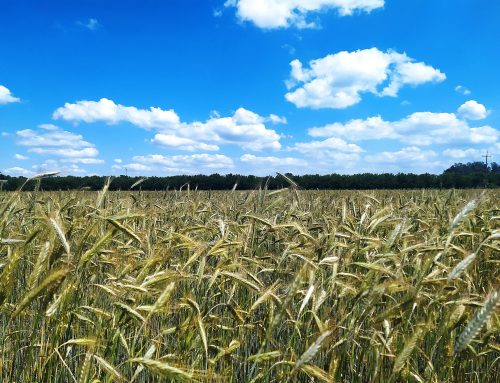
The colour of beer comes from the maltings, not from the brewery. Barley is steeped until it germinates and then dried. The hotter and longer that drying, the darker the malt you end up with.
At higher temperatures, sugars and proteins in the grain react with each other. That creates the colourings and flavours you find in dark beer: bread and caramel at moderate heat, coffee and cocoa at more, and a burnt note in the darkest kinds.
Not much is needed. A few per cent of colour malt in the grist is enough to darken a whole brew. That is also why dark beer is not automatically strong beer: the colour says nothing about the alcohol content, and a pale tripel is usually much stronger than a dark oud bruin.
To be fair: colour can also come from caramel rather than from malt. That is permitted and you do not always see it on the label. If you want to know how a beer gets its colour, the brewery is the only reliable source.
Flemish oud bruin: wood, time and blending
Flemish oud bruin belongs in East Flanders, in the area around Oudenaarde. There it is also called Oudenaards bruin. It is brewed with mixed fermentation: alongside the brewer's yeast, lactic acid bacteria take part, and sometimes wild yeasts.
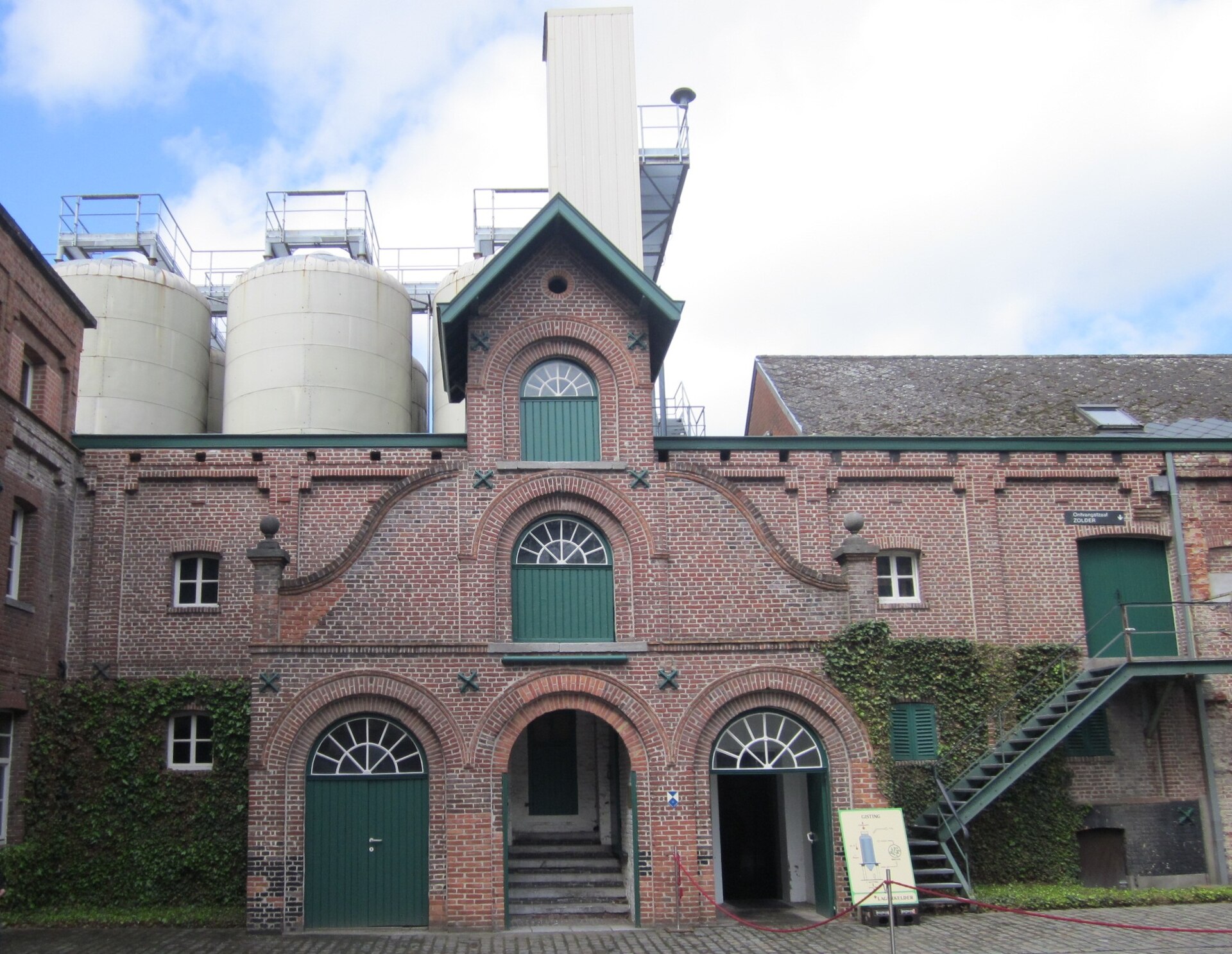
Those microbes are not in a sachet but in the wood. After the first fermentation the beer goes into foeders, upright oak vats, and stays there for months to years. In that time the residual sweetness disappears and acidity takes its place. It is lactic acid, which tastes fresh and round. Acetic acid only forms when oxygen gets in, and that is exactly what a brewer wants to prevent.
The real craftsmanship comes after that. Young beer and old beer are blended, in a ratio the brewer sets by taste. The young beer brings fruit and body, the old brings acidity and a woody note. Liefmans Goudenband is the best-known example and then referments in the bottle.
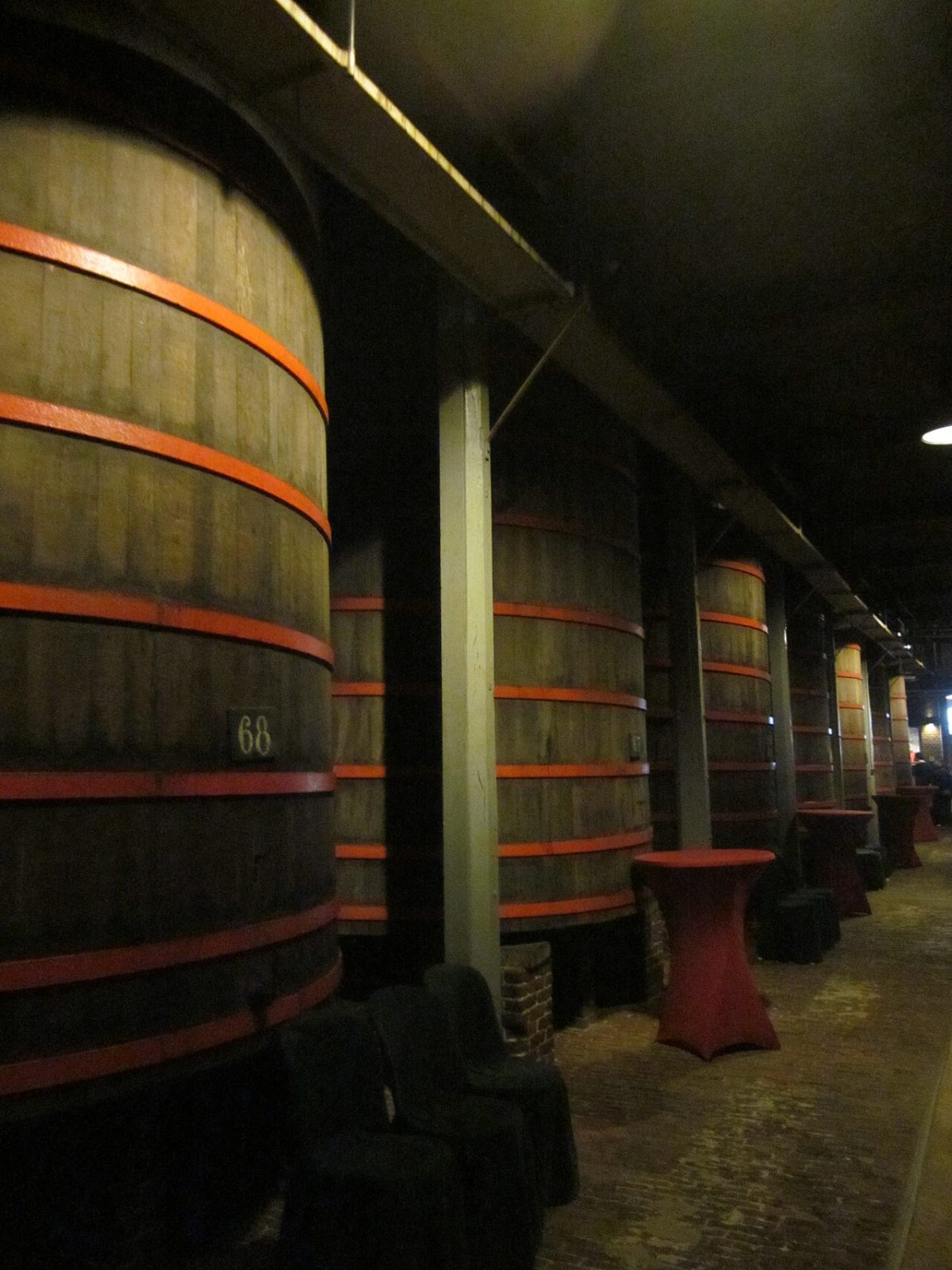
A little further on, in West Flanders, there is a related branch: the red-brown beer of Roeselare. Rodenbach works there with the same combination of foeders and blending, but the result is redder and the house considers itself a category of its own. The Grand Cru contains a larger share of aged foeder beer than the Classic. Duchesse de Bourgogne comes from Vichte, also in West Flanders.
Whether these are two styles or one with two faces, brewers and beer writers do not agree. We take the view that east and west use the same tools and do something different with them.
Where to start
If you start on the Dutch side, drink it cold and in a small glass, and save the rest for the stewpot. What an oud bruin does in a pan of beef is explained in our piece on beef stew with beer.
If you start on the Flemish side, sour beer takes some getting used to. So first try a blended beer in which the young part still comes through clearly, and only then move on to the most aged. You find out what you really like fastest by putting two bottles side by side.
Four bottles to start with, from four different breweries. If you cannot decide, come by in Bathmen or call 0570 541 278.
Read more
All the beers we stock are on our beer page, and you can search through them yourself in our beer range. Of the 892 beers, 445 come from the Netherlands and 313 from Belgium. Anything else that is dark is listed under dark beer.
We wrote about the houses in this piece under Gulpener, Liefmans and Rodenbach. All breweries by name can be found in the overview of beer breweries.
If you want the style names at a glance, read beer styles at a glance, from tripel to stout. And the recipe with an explanation per beer style is in beef stew with beer: which beer to use and why.