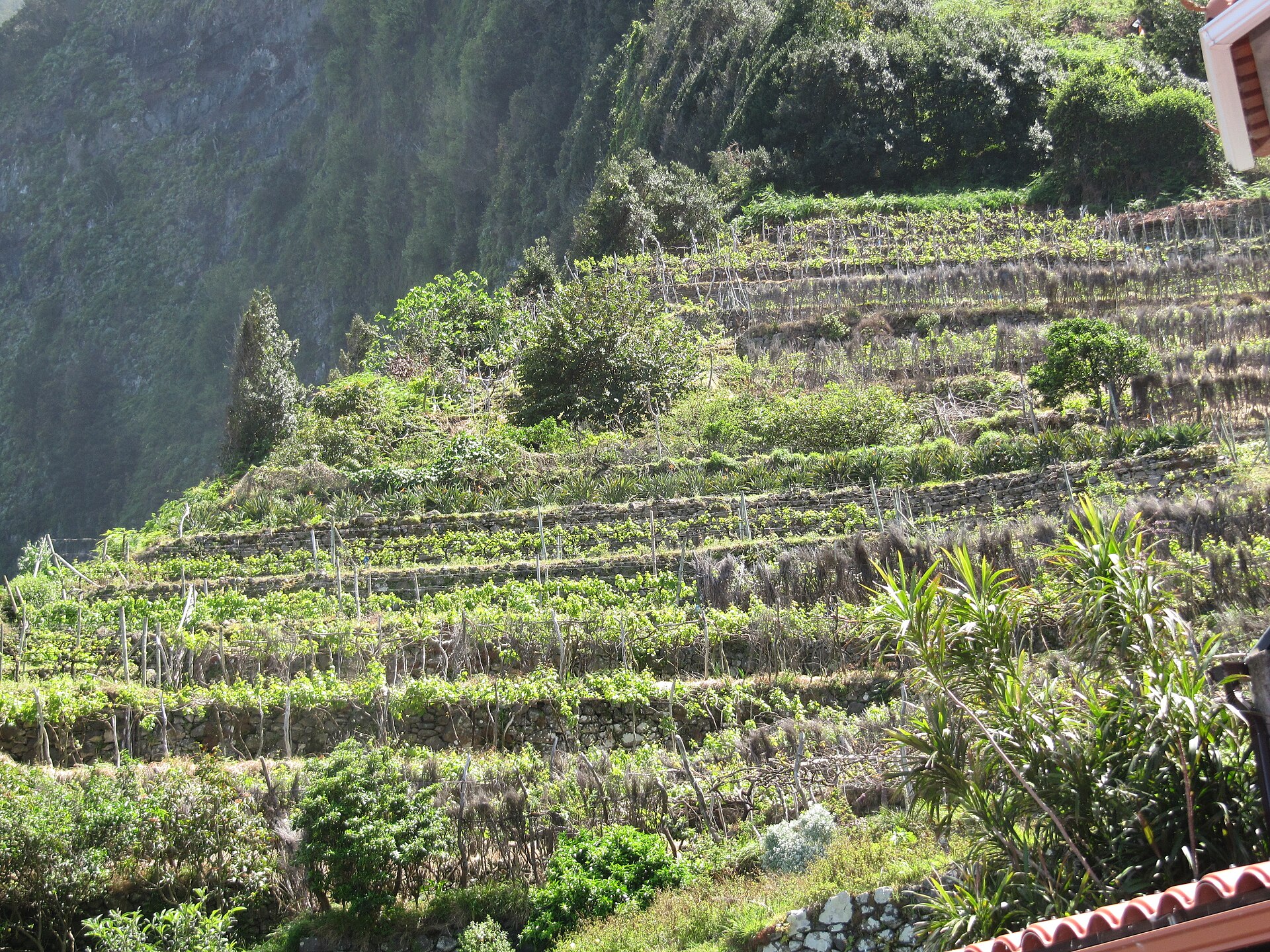
The short answer to this question is on the question page Which grapes are used in Madeira?. Below, you can read the whole story behind it.
On our shelf in Bathmen there are twenty bottles of Madeira and Marsala together: nine Madeira, ten Marsala and one bottle from Málaga. Of those nine Madeiras, two bear the name sercial, two the name verdelho and one the name malmsey.
Those names are not fantasy and not a brand name either. They are grapes, and they stand in a row from dry to sweet. Anyone who knows that list can read a bottle of Madeira without opening it.
Four grapes, a scale from dry to sweet
Madeira comes from the island of the same name in the Atlantic Ocean, more than nine hundred kilometres south-west of Lisbon. Four white grapes are designated for the classic Madeiras, and the order is always the same:
- Sercial: the driest. Grows the highest and the coolest on the island and ripens last.
- Verdelho: medium dry.
- Bual, also written as boal: medium-sweet.
- Malvasia, in English malmsey: the sweetest.
There is a fifth classic grape, terrantez, but it has become rare. And there is tinta negra, a black grape that supplies by far the largest part of all madeira. You only rarely see it on a label.
At the moment we do not have a single bottle with bual on it. That is not a deliberate choice but a matter of supply: bual and malvasia are the smallest plantings of the four.
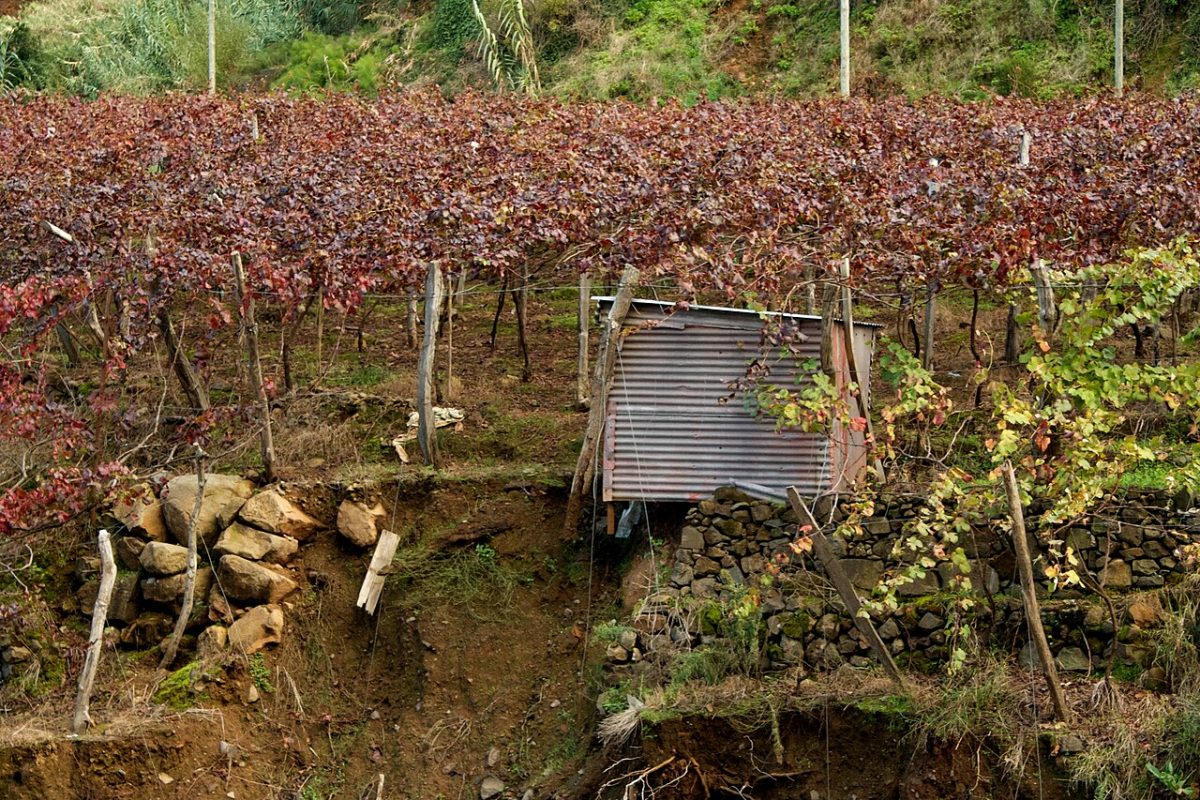
The sweetness is determined by when you stop the fermentation
This is the core, and it is rarely explained. The four grapes differ among themselves, but the sweetness of the bottle does not come from the grape. It comes from the moment at which the fermentation is stopped.
As with port, wine spirit is added during fermentation. That alcohol halts the yeasts, and all the sugar that has not yet been converted at that moment stays in the wine. Intervening early therefore produces a sweet madeira, intervening late a dry one.
Because each of the four grapes is traditionally stopped at a fixed point, the grape name has in practice become an indication of sweetness. Sercial is allowed to ferment out almost completely, malvasia far from it. If a house wants to put the grape name on the label, the wine must consist for the most part of that grape.
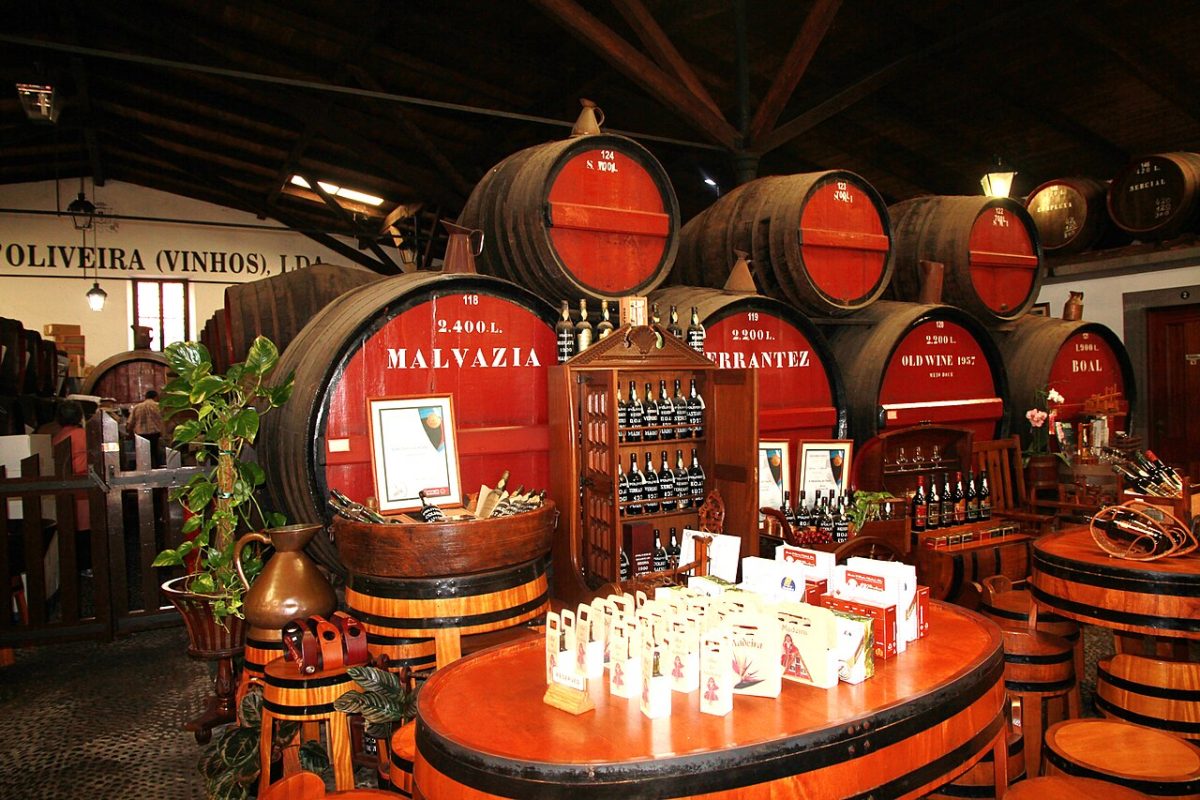
Estufagem versus canteiro: two ways of heating
What really makes madeira madeira is that the wine is heated. That is not an accident but the process itself, and it goes back to the days when casks travelled as ballast on ships crossing the tropics. The wine came back and turned out to have improved.
Nowadays it happens ashore, in two ways.
Estufagem is the fast route. The wine goes into stainless steel tanks with heating, reaches roughly forty-five to fifty degrees and stays there for at least three months. After that it still has to rest. This is the method for the younger, larger batches.
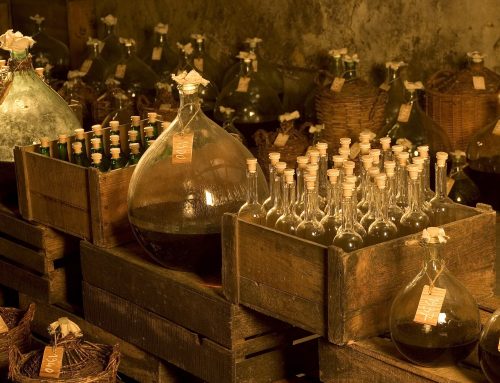
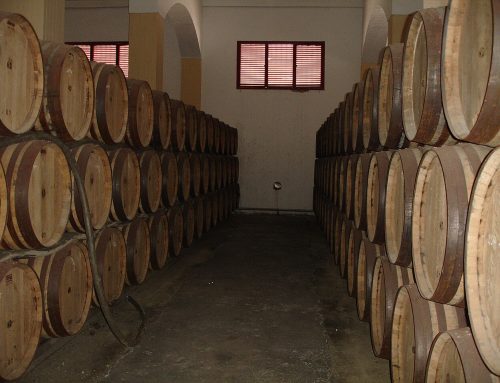
Canteiro is the slow route. The name is that of the wooden beams on which the casks rest. The casks stand in the warm loft of the warehouse, are heated only by their surroundings, and remain there for years. No thermostat, only the climate of Funchal. This is the route of the older and finer madeiras.
In between there is also the armazem de calor, a heated space in which the casks themselves are not connected but the air is. It rarely returns on the label.
Because the wine has already been heated and already exposed to oxygen, madeira is almost indestructible once opened. An opened bottle can keep for months, and the old bottles even longer. That is true of few wines.
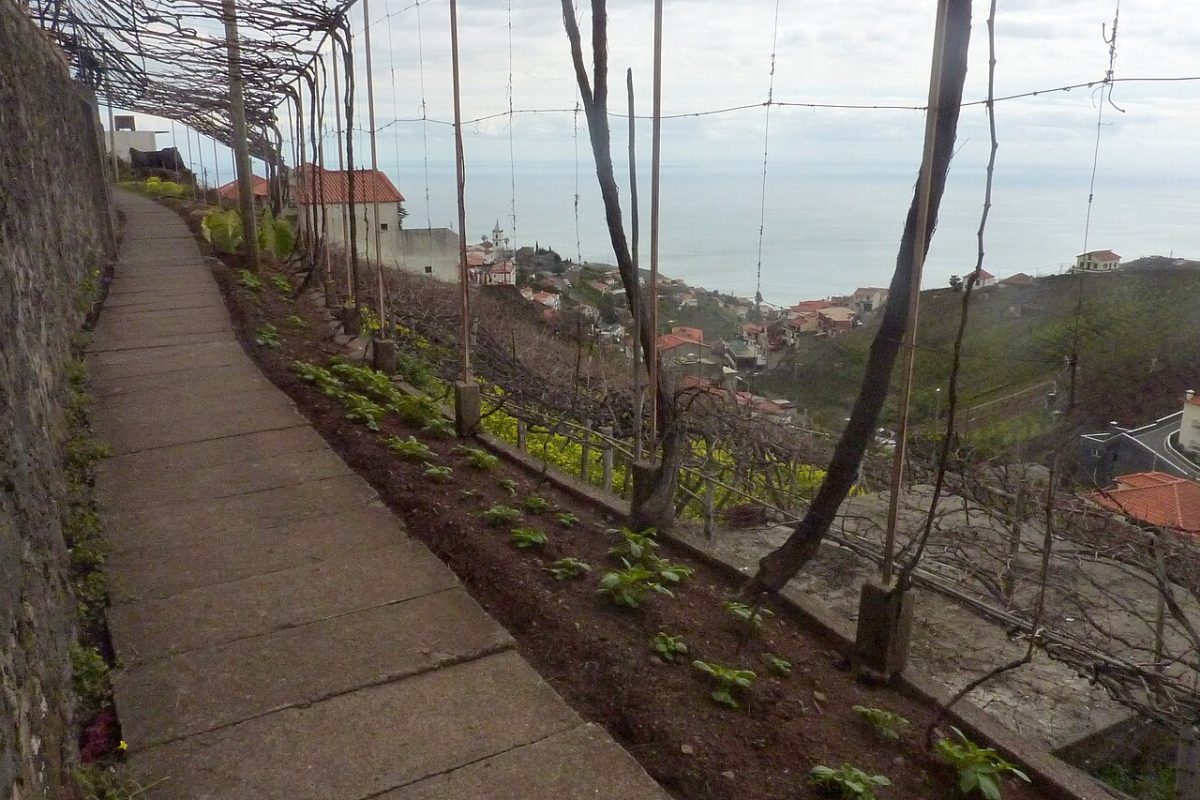
What the years on the label mean
On a bottle of madeira you will usually see one of these four things:
- An age such as 5, 10, 15 or 20 years. That is an average of the blend, not a minimum for every drop.
- Colheita: from a single harvest, with that year on the bottle, and at least five years in wood.
- Frasqueira or garrafeira: likewise a single harvest, but with at least twenty years in wood before bottling.
- Rainwater: not an age but a light, medium-dry style, traditionally for the American market.
If it only says dry, medium dry, medium rich or rich, it is about sweetness and not about the grape. Those are the designations you will find on the simpler bottles, and also on bottles meant mainly for the kitchen.
And then there is marsala
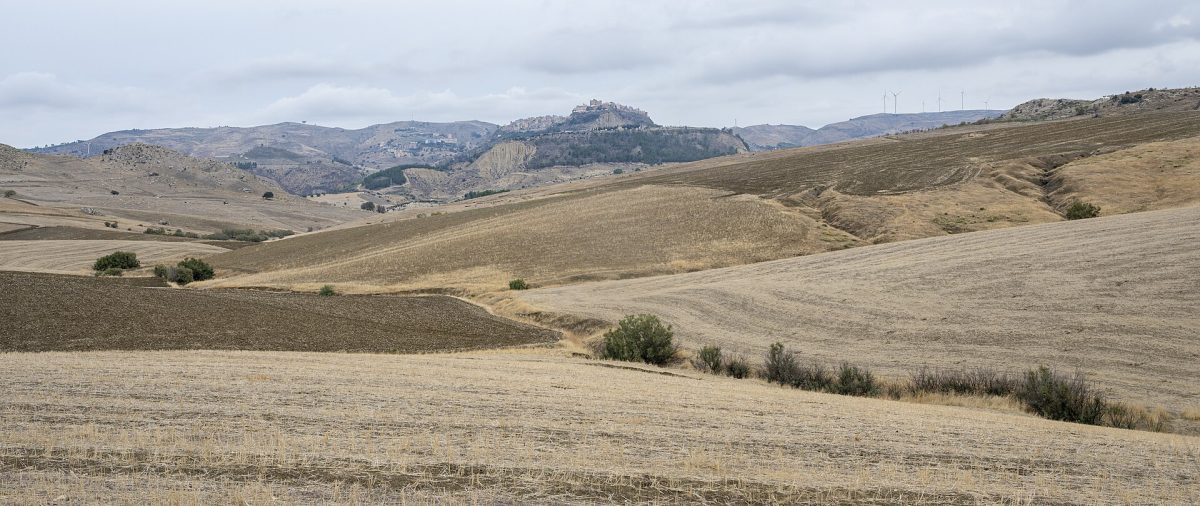
In our shop Marsala is in the same category, but it comes from the other side of Europe: from the west of Sicily, around the port of Marsala. Here too wine is fortified, and here too the label says more than you might think.
Marsala comes in three colours: oro and ambra from white grapes, rubino from red. And three levels of sweetness: secco, semisecco and dolce.
In addition there is a maturation class on it. Fine is the shortest, then come superiore, superiore riserva, and finally vergine, which lies longest on wood. With vergine there is also a prohibition: nothing sweet may be added, no concentrated must and no mistella. What you taste is the wine itself.
Where to start
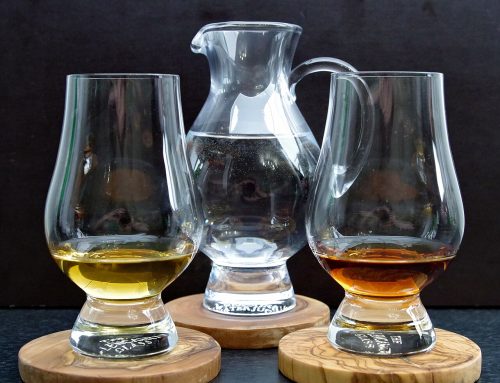
If you want to get to know madeira, it is best to start at the extremes. Put a sercial next to a malmsey and you have the whole scale in two glasses. The verdelho and bual in between then fall into place by themselves.
For marsala the most honest introduction is a vergine, precisely because nothing has been added to it. What you find there, you will not find in a sweetened fine.
If you are not sure which way to go, come in or call +31 570 541 278. We will read the label with you and tell you what the house does and does not state.
Keep browsing
The whole stock is on our page about madeira and marsala, and with the wine and spirits shop's search engine you can go through everything. Houses we carry are Cossart Gordon, Welsh Brothers, Pellegrino and Sol de Malaga.
A shorter explanation is on our page what is madeira. How the cask determines the colour and style of another Portuguese fortified wine is explained in ruby or tawny port. And we wrote about how long it keeps after opening in how long port keeps.
For the kitchen there is Marsala: which Marsala you use for cooking.