The short answer to this question is on the question page What is an eau-de-vie?. Below you can read the whole story behind it.
On the eau de vie and obstler shelf at our shop in Bathmen there are 25 bottles. Seven of them are distilled from pomace, five from pears, three from plums, three from apricots and two from cherries. The rest are obstler, quince, pisco and a single one that cannot be classified.
They are shelved together because they all use fruit as their raw material. But the route from that fruit to the bottle differs so much that they are really three different drinks.
Eau de vie is a category, not a region
Eau de vie is French for water of life, and it is not a protected origin like cognac or armagnac. It is a collective name for clear spirits distilled from fruit.
In the European rules the core of that group is called fruit spirit. The requirement is strict and brief: the fruit must be fermented, it must be distilled, and no alcohol from elsewhere may be added. What is in the bottle must come from that fruit itself.
That is exactly where the line runs that divides the whole shelf into three.
The first type: distilled from fresh fruit
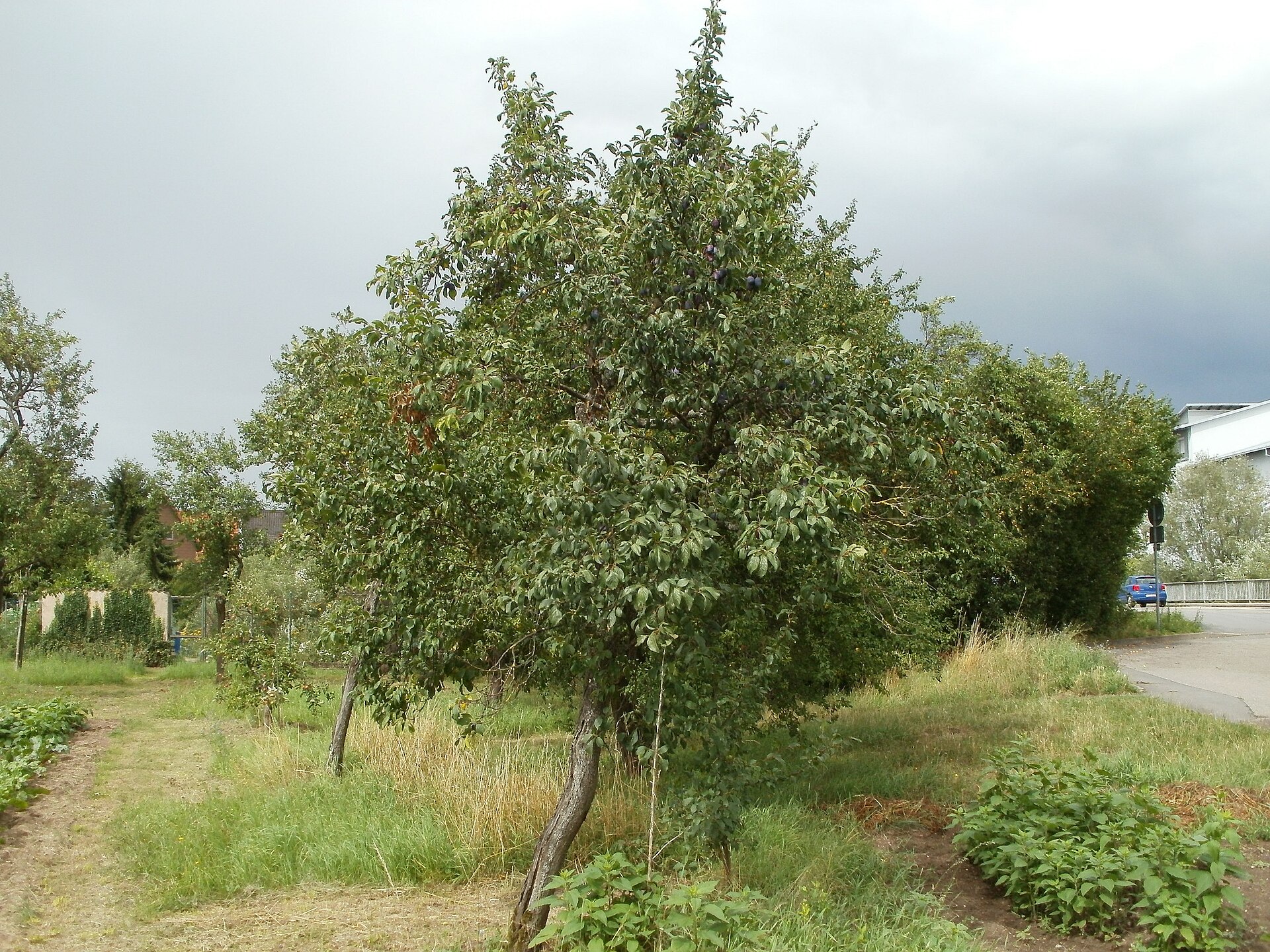
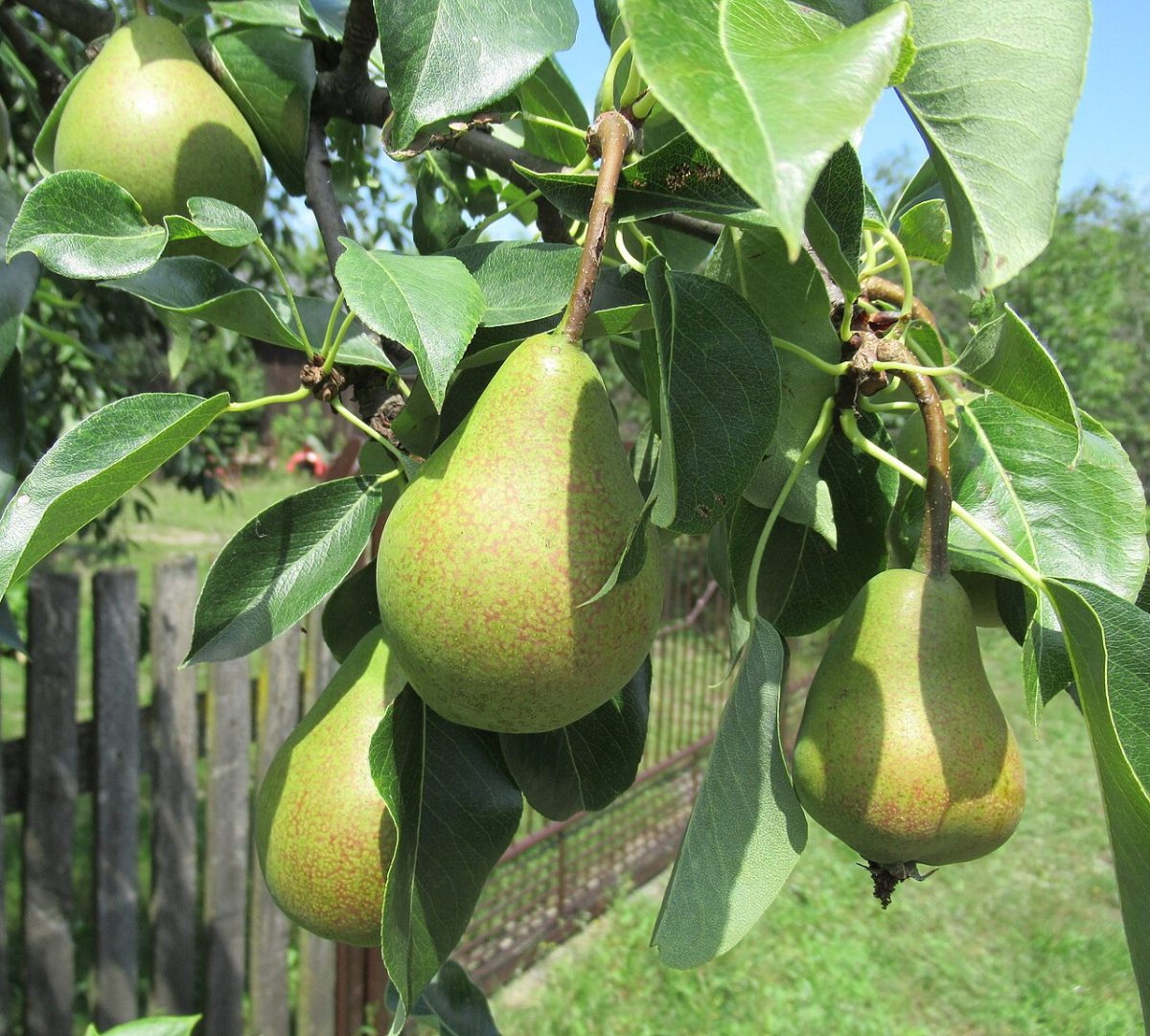
This is the purest form. The fruit is crushed, set to ferment skin and all, and then distilled. Cherries become kirsch, pears become poire williams, plums become quetsch or slivovitz, apricots become marillenbrand.
It is also the most expensive form, and that has a simple cause. Fruit contains a lot of water and little sugar compared with grain or sugar cane. So a considerable amount of fruit goes into the still before a bottle comes out.
Of our 25 bottles, the largest part falls into this group: the pears, the plums, the cherries, the apricots and the quince. Fourteen in total.
The second kind: marc, distilled from pressed grape pomace
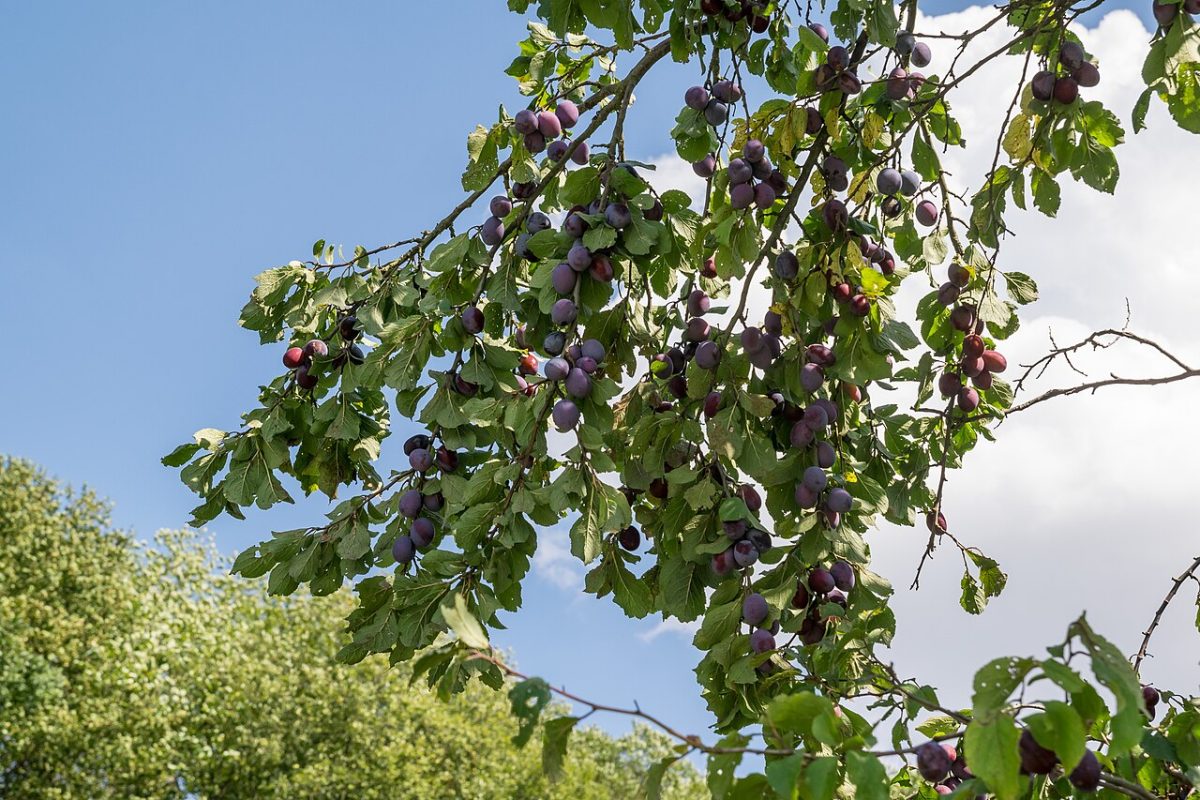
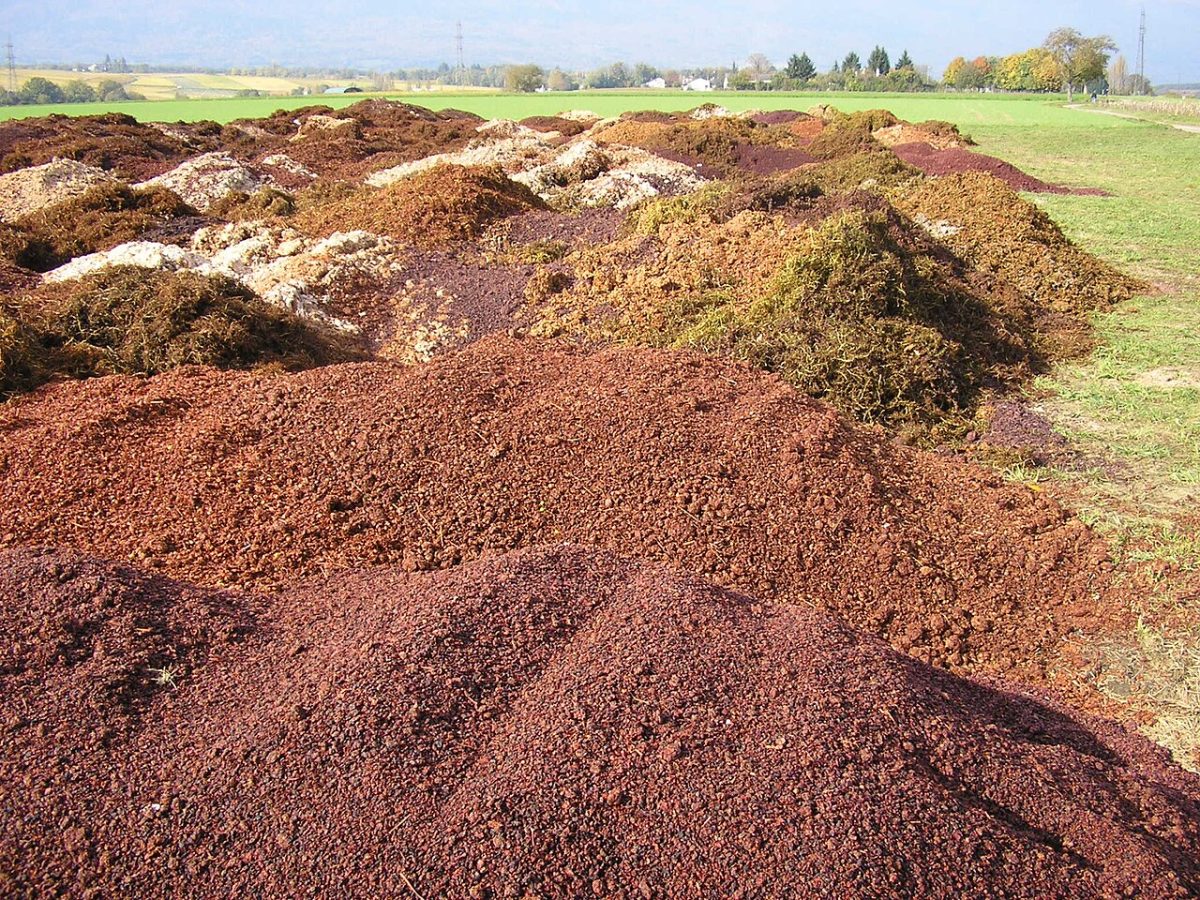
Here the raw material changes. Marc is not made from fruit but from what remains of the grapes after they have been pressed for wine: the press cake of skins, seeds and stalks.
Every wine region has its own name for it. In France marc, in Italy grappa, in Portugal bagaceira or aguardente, in Spain orujo, in the Balkans komovica. We stock seven of them, including marc from Burgundy and from Champagne.
The difference from the first group is greater than it seems. With a marc, the best sugar has already gone into the wine. What the distiller gets is the remainder, and that brings a sturdier, rougher character than a distillate of whole fruit.
The third type: macerated fruit
Some fruit cannot be fermented profitably. Raspberries, blueberries and sloe berries contain so little sugar that hardly any alcohol can be obtained from them, while the aroma is in fact very fine.
For those fruits there is a detour. The fruit is left to steep in neutral alcohol, and that mixture is then distilled once more. The aroma comes along, but the alcohol came from somewhere else.
That is allowed, but it may not be called a fruit distillate. In Germany such a product is called Geist, such as Himbeergeist made from raspberries. A French bottle then says eau de vie de framboise with a note that it is a maceration.
Something different again is a fruit liqueur. Sugar has been added to it and often it has not been re-distilled at all. You notice that difference immediately in the thickness in the glass.
Obstler, slivovitz and palinka: the same method, different rules
A number of names on the label say something about the country of origin and about what is permitted there.
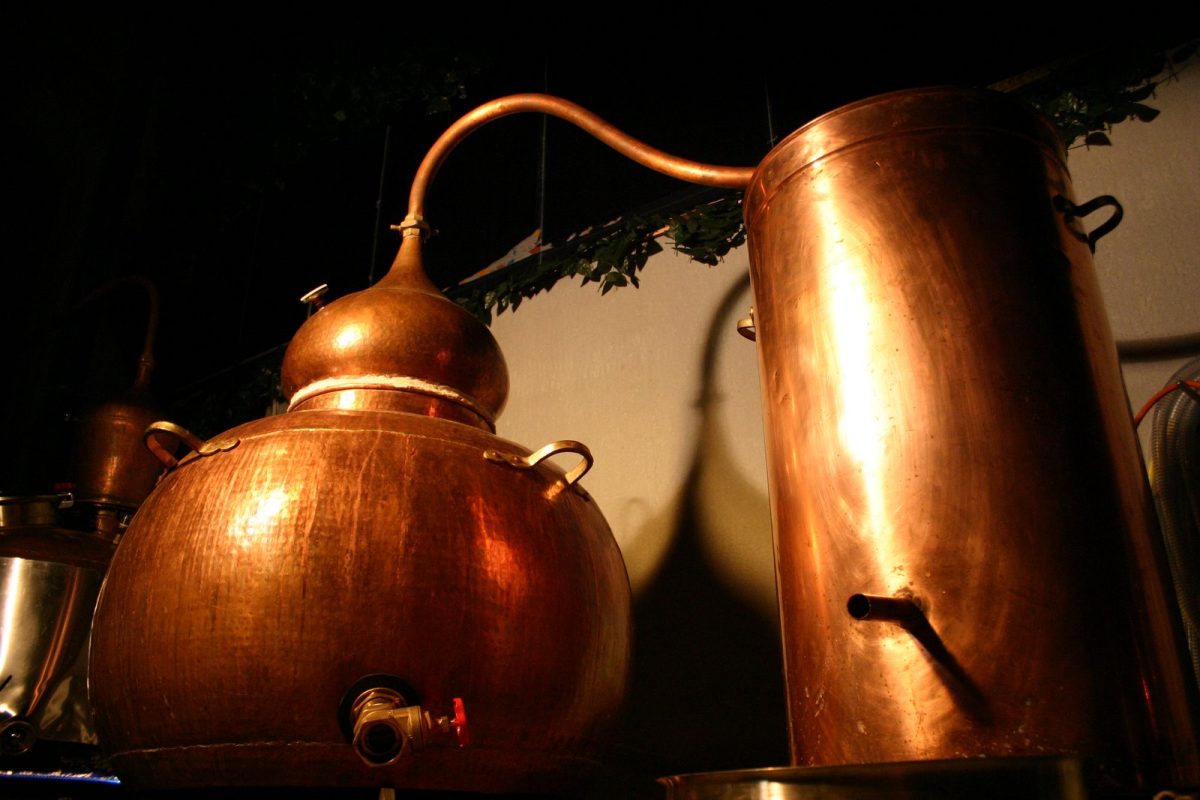
Obstler is German and Austrian, and it is a distillate of mixed orchard fruit. Classically it is apples and pears together. So it is not a name for a single fruit but precisely for the mixture.
Slivovitz, in Croatian sljivovica, is plum brandy from Central and Eastern Europe. The name comes from sliva, plum. Unlike most fruit brandies, it may be aged in wood there, which gives some bottles a light colour.
Palinka is the strictest of the three. It is a protected Hungarian name, and the requirements are tough: the fruit must have been grown in Hungary, and the fermenting, distilling and bottling must take place there. No flavouring, no colouring and no sugar may be added.
And then there is pisco, which stands in the same section with us but is strictly speaking an outsider. Pisco is not distilled from pomace and not from whole fruit, but from wine.
Why almost everything is colourless
Put the bottles side by side and it stands out: most of it is crystal clear. That is a choice, not a flaw.
A fruit spirit revolves around the aroma of the fruit, which is delicate and volatile. Oak lays vanilla, coconut and tannin over it, and that soon overpowers a raspberry or a pear. If you want the fruit to speak, you leave out the wood.
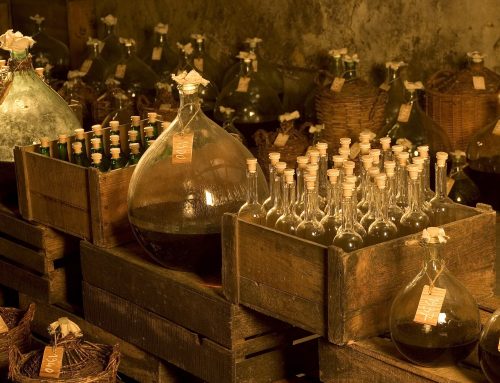
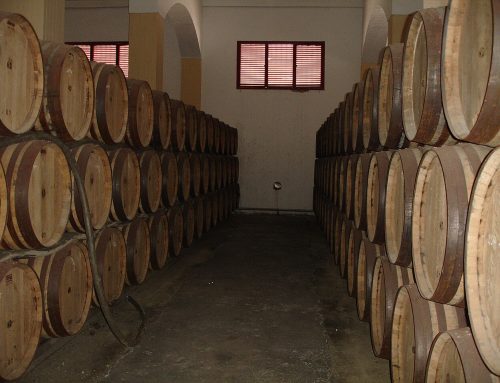
They do rest, but in glass demijohns or in casks of wood that gives off little, such as ash. If it says vieux or vieille, as with an old kirsch, then the bottle has had time on wood and that is a deliberate style choice.
Where to start
Anyone who wants to taste the difference between the three groups needs only two bottles: a marc and a distillate of whole fruit. The same region, the same still, a completely different raw material.
If you would rather stay on the fruit side, put a pear next to a plum. Those are the two largest groups with us, with eight bottles together, and they immediately show how far apart fruit distillates can lie.
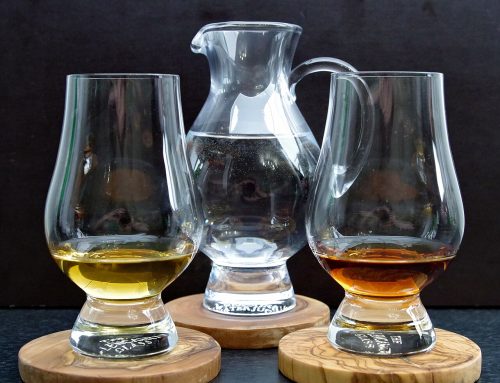
Pour them cool but not ice cold, and in a small glass with a narrow rim. If you do not know where to start, drop in or call 0570 541 278. We check per bottle what exactly went into it.
Keep browsing
The entire stock is on our page on eau de vie, obstler and slivovitz, and with the wine and spirits shop’s search engine you can browse everything. Houses we stock include Nusbaumer, Massenez, Jacoulot, Specht and Pircher.
A shorter explanation is on our page what is an eau de vie. The Italian branch of the pomace family we cover separately in grappa labels read.