In the gin section at the Brink there are 255 gins from 98 brands. They range from a bottle of seventeen euros to bottles well above sixty, and they all taste different. Yet almost all of them start with exactly the same thing: a colourless alcohol with almost no flavour in it that has nothing to do with juniper.
That is the point at which people at the counter are most often surprised. Gin is not distilled from juniper the way whisky is distilled from barley. Gin is flavoured. Below you can read how that works, from grain to bottle.
It begins with neutral alcohol
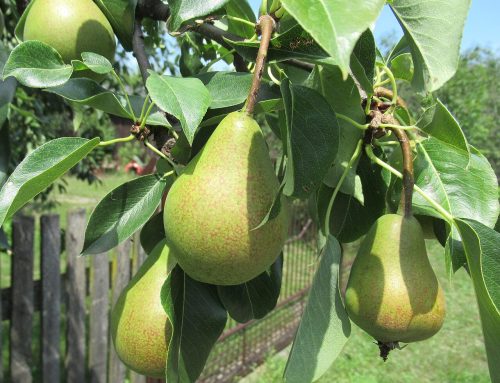
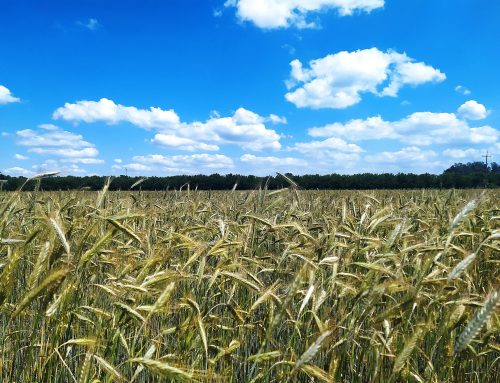
The base of gin is neutral alcohol of agricultural origin. In practice that is usually grain, mainly wheat and sometimes barley. Molasses, potato and grape are also possible, and are also used, but grain is the rule.
That raw material is fermented into a weak wash and then distilled in a column still. A column works differently from a still with a single charge: the vapour rises through a series of plates and is condensed and re-evaporated again and again along the way. This brings the strength to about 96 per cent, and almost everything that tasted of the raw material disappears.
That is intended. A gin distiller wants a clean, neutral alcohol into which he can put his own flavour. Before distilling with botanicals, that alcohol is first brought down with water to about half of that percentage. Anyone who wants to know why the same base alcohol yields vodka or jenever with a different treatment can read about it in vodka, gin and jenever.
The juniper berry, and the rest of the botanicals
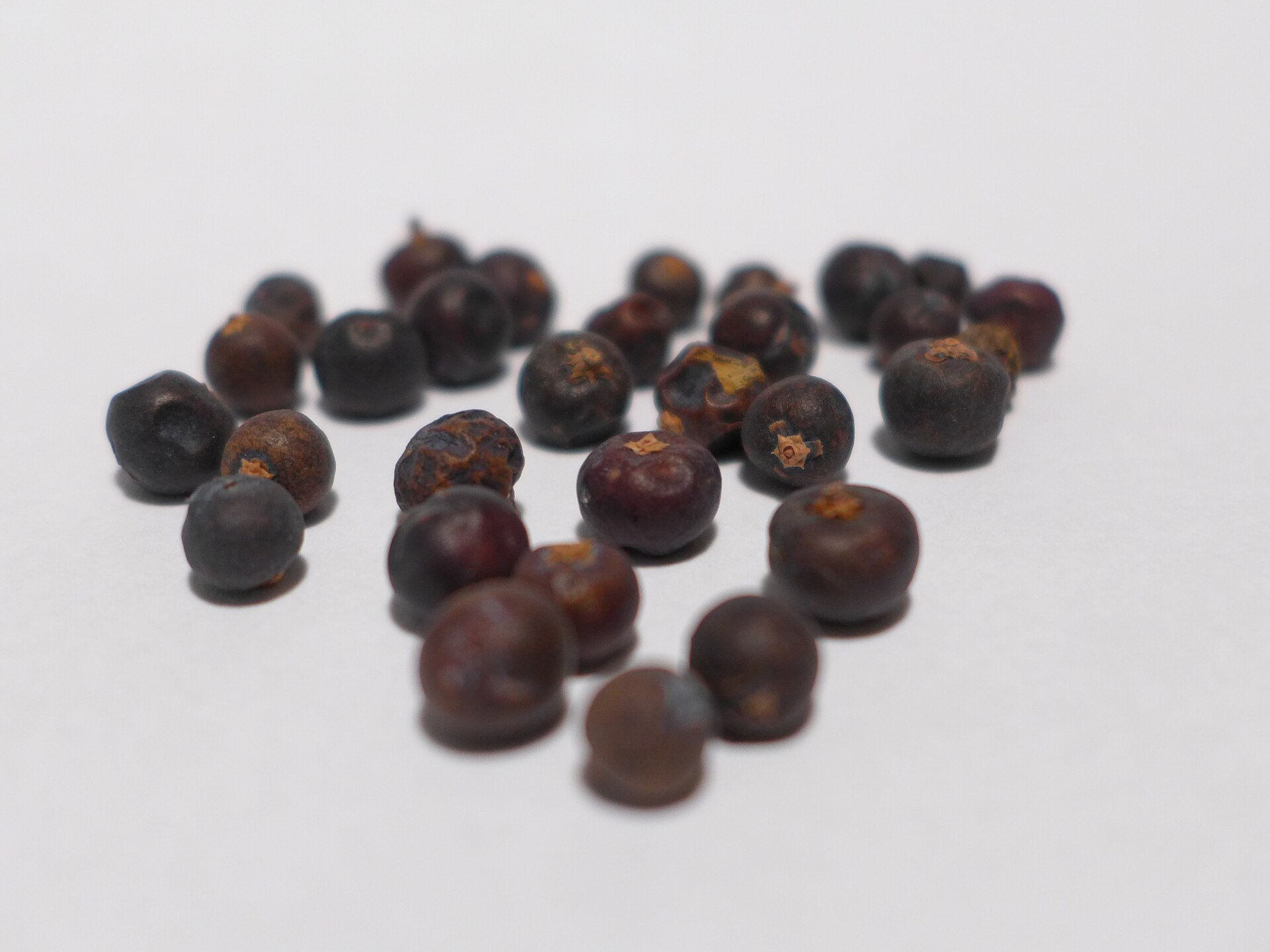
What turns that neutral alcohol into gin is juniper. That is not tradition but legislation: the European rules prescribe that the flavour of gin must be predominantly that of juniper. Without juniper it is not gin, whatever the label looks like. The berry provides the resinous, pine-like note that underlies every gin. How strongly it comes through varies enormously, and both extremes are allowed. Which other rules apply is explained in London Dry gin.
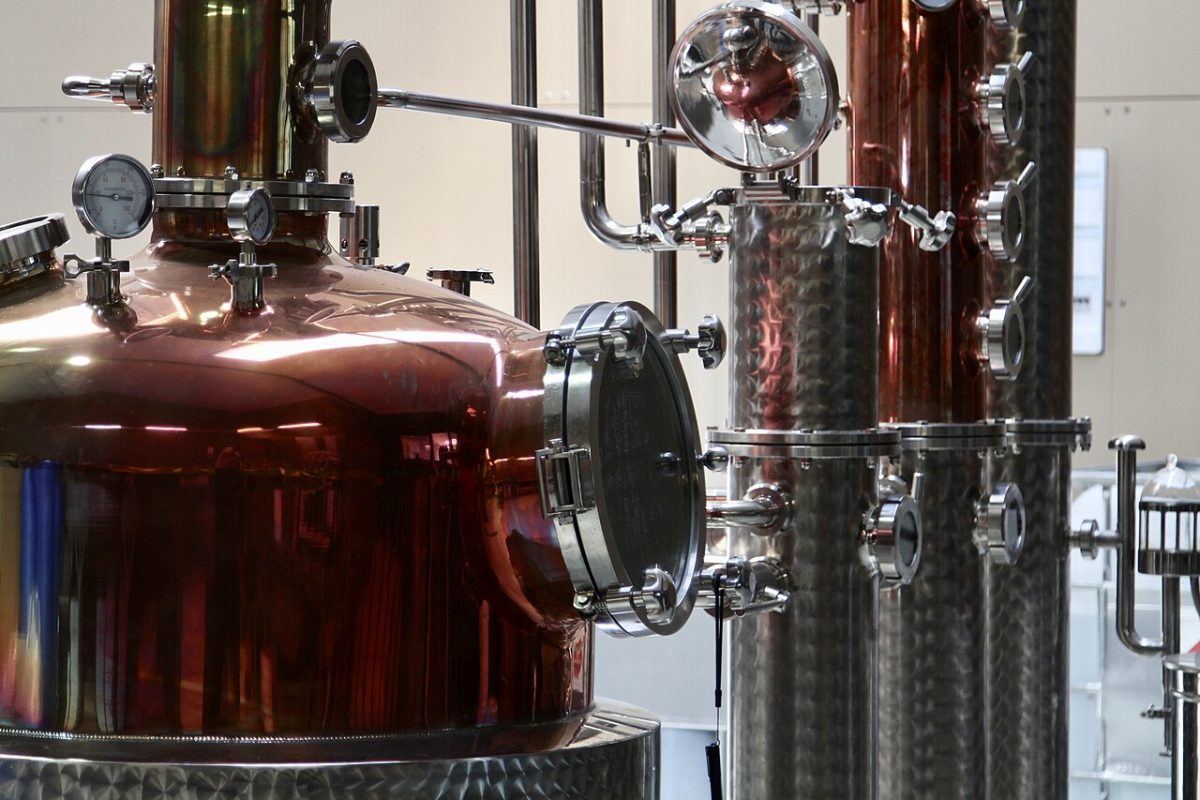
In addition, almost always other plant parts go into the still too. Coriander seed is the most used; it brings citrus and a light pepper. Angelica root is used to hold on to the volatile aromas, so that they have not disappeared within a year in the bottle. Orris root does broadly the same. Furthermore you see a lot of citrus peel, and after that it ranges from cardamom and cinnamon to local herbs and flowers.
The number varies per house. Some recipes keep to a handful, others exceed twenty. More is not better: the more botanicals, the harder it is to make a recognisable whole of them.
Three ways to get the flavour into the alcohol
This is where distilleries part ways, and this is where the difference you ultimately taste lies.
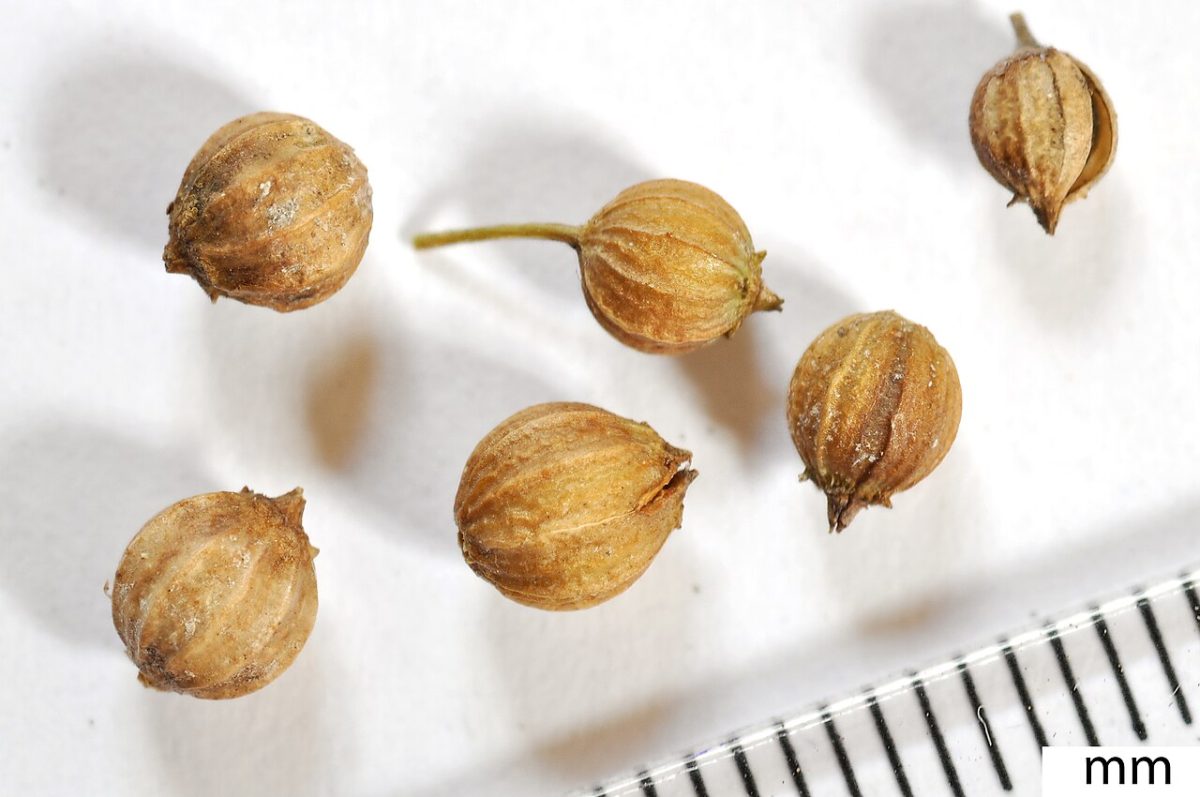
Steeping and distilling is the usual route. The plant parts go into the diluted alcohol and stay there, sometimes a few hours, sometimes up to forty-eight hours. Then the whole lot goes into the still. This usually gives the most body.
Vapor infusion works the other way round. The botanicals hang in a basket or a chamber at the top of the still, and only the vapor passes by. The alcohol therefore never touches the material in liquid form. That usually gives a lighter, more floral gin.
Vacuum distillation is the newest method. Lowering the pressure lowers the boiling point, so distillation can take place at a much lower temperature. Makers who use it say fresh botanicals cope better with it. It is difficult on a large scale.
A fourth route also exists: distilling each botanical separately and blending the distillates afterwards. That gives the most control and takes the most still time.
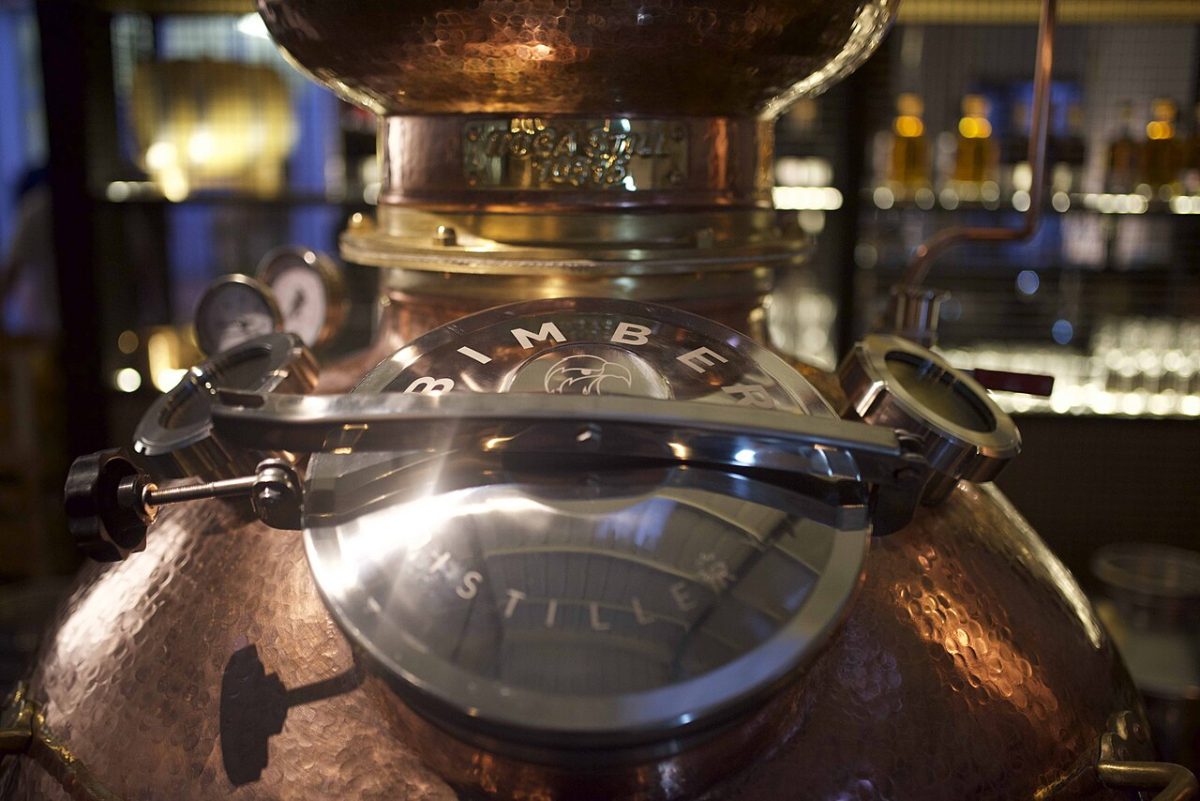
What then runs from the still is not usable from beginning to end. The first part, the head, is set aside; with gin this is mainly about rinsing out what is left over from the previous batch, because the really unpleasant substances have already disappeared during the making of the neutral alcohol. Then comes the heart, and that is the gin. The distiller decides by tasting, and with the temperature and the percentage alongside, where he starts collecting and where he stops. Citrusy oil comes out first, heavier oil only later. As soon as that heavy oil comes through he stops; what runs after that is called the tail and goes to the next batch or is discarded. Where those two cuts fall exactly differs from house to house. Finally, water is added to bring the gin to bottling strength.
One shot or multi shot: what is not on the label
There is another choice the label never mentions, and it determines how much gin comes out of each still charge.
With one shot, the quantity of botanicals from the recipe goes into the quantity of alcohol from the recipe. What comes out is the gin, and nothing further is done to it except diluting with water.
With multi shot, two, five or ten times as much botanical material goes in. What comes out is a concentrated distillate, and that is afterwards brought back to the strength of the recipe with neutral alcohol. A single pot run then yields two, five or ten times as much gin.
Both are allowed, and both are even allowed within the strictest category. Most large brands work multi shot, small distillers more often one shot. You will rarely find it on the bottle, so it says nothing about what is in your glass. It does explain part of the difference between two bottles that look the same on paper.
Where to start
If you want to taste what those choices do, set two gins side by side that have followed a different route. A gin that was macerated and distilled next to a vapour-infused gin shows most clearly where the difference lies. Four bottles from four houses and four countries:
Keep browsing
All 255 gins are together on the gin page. If you are searching by alcohol percentage, country or volume rather than by brand, use the wine & spirits search. Which tonic suits which type of gin is explained in which tonic goes with which gin.
The Battumse Gin from the block above is available in the webshop. And if you cannot decide, please give us a call. We have had the bottles in our hands.