On the whisky shelf at the Brink in Bathmen there are 2,823 Scotch whiskies. For 457 of them the Highlands is noted as the region. That makes it the third region on our shelf, after Speyside and Islay, even though it is by far the largest of the six areas.
Right there lies the misunderstanding that comes up most often at the counter. Highland on a label says something about where the whisky was distilled, and almost nothing about how it tastes. That is not a shortcoming of the region, but a consequence of how the boundary was once drawn.
What the law calls a Highland whisky
The Scotch Whisky Regulations of 2009 protect five geographical indications for Scotch. Three of them are called a region in the regulations: Highland, Lowland and Speyside. Two are called a locality: Islay and Campbeltown. A distillery may only put such a name on the label if the whisky has been entirely distilled within that area.
The Highland region is the largest of the five. The area begins at the old Highland line, which runs right across Scotland just above Glasgow and Edinburgh, and extends to the north coast. Everything above that line falls under it, except the areas that later received a protected name of their own.
From Perthshire to the north coast
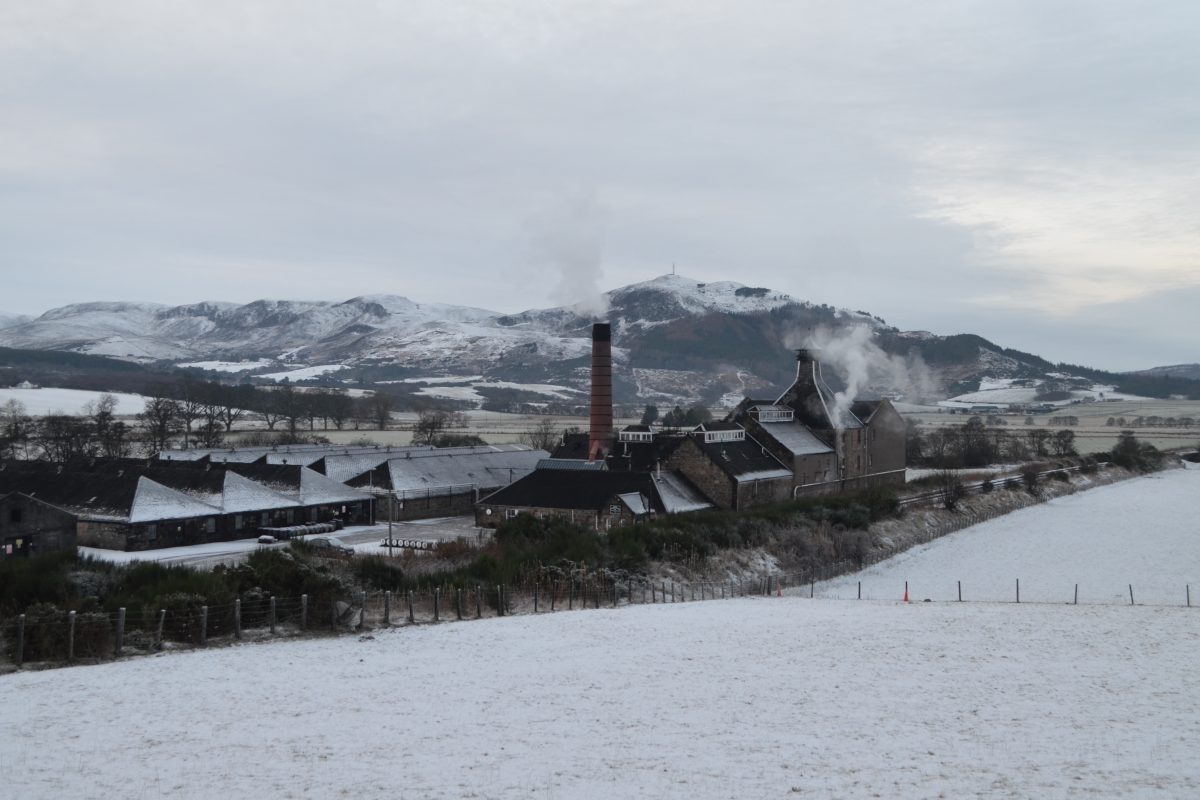
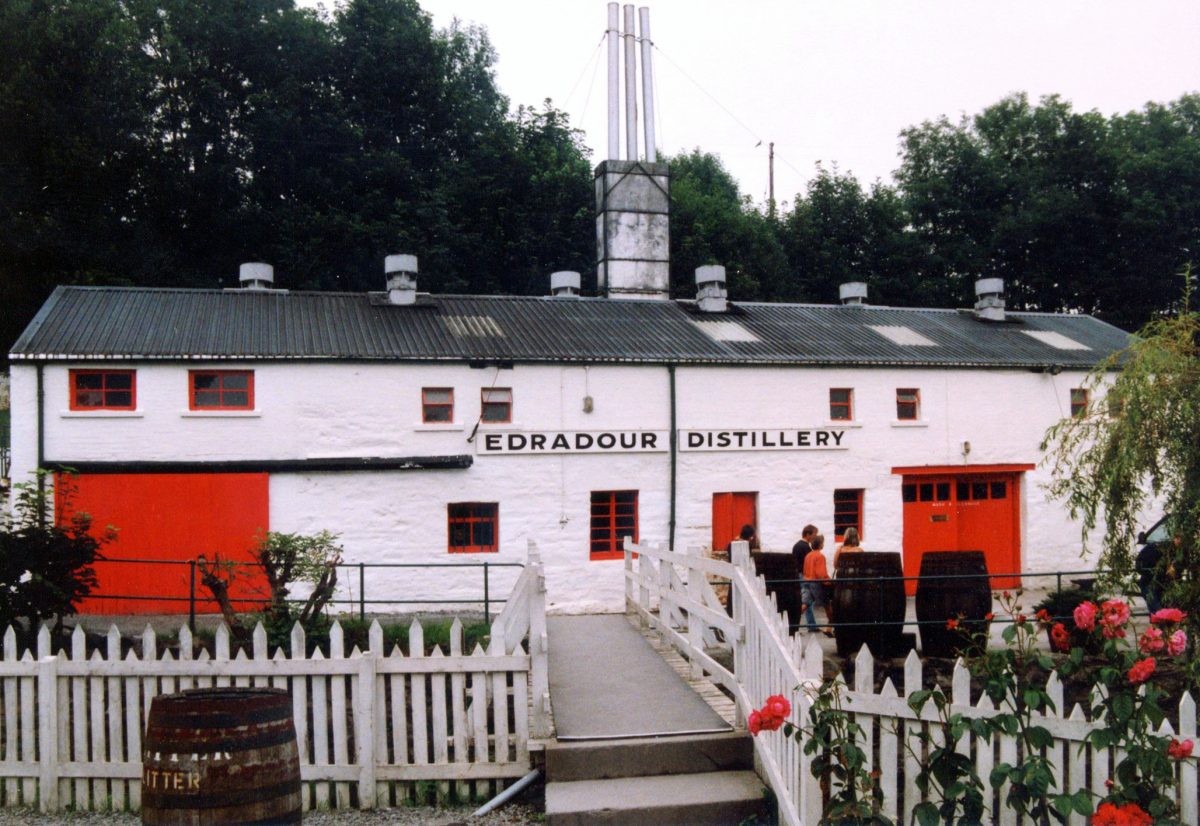
Just how extensive that area is only becomes clear when you set two distilleries side by side. Edradour lies in Perthshire, near Pitlochry, less than an hour’s drive from the Lowlands. Old Pulteney stands in Wick, on the north-east coast, with the North Sea on its doorstep. Both may put Highland on the label, and between them lies almost the entire length of the Scottish mainland.
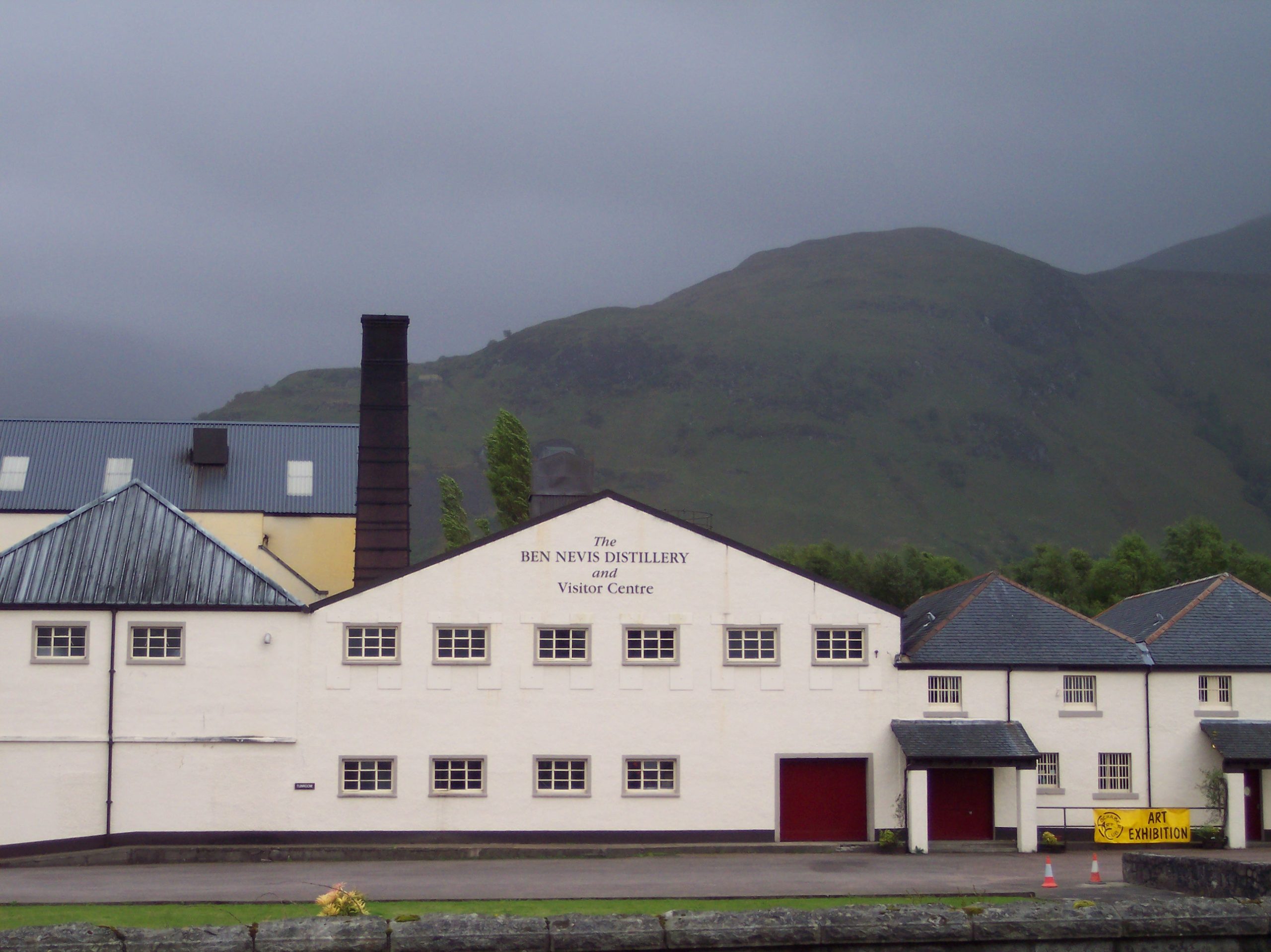
In between are the rest: Oban on the west coast, Ben Nevis at the foot of Great Britain’s highest mountain, Ardmore and Glen Garioch in the grain country of Aberdeenshire, Tomatin in the hills near Inverness and Ardnamurchan on the westernmost tip of the mainland. Our index lists 33 brands with the Highlands as their region.
Why the islands are also Highland whisky
This is the part that surprises most people. Islands does not exist in law. The Scotch Whisky Association puts it bluntly: Islands is not a Scottish place or region name and may therefore not be used as a designation alongside the category name.
In practice that means the following. Talisker on Skye, Highland Park on Orkney, Arran, Tobermory on Mull and Jura are legally Highland whisky. Of all the Scottish islands, only Islay has been given its own protected name. That the trade nevertheless treats the other islands as a separate group is an industry habit and not a rule.
We take part in that ourselves. Our index lists 115 bottles under Islands, separate from the 457 under Highlands. That is handy for anyone searching, but it is not a legal classification, and it is better to say so openly than to keep quiet about it.
Speyside is smaller and yet stands fuller
Speyside lies in the middle of the Highland region, around the river Spey in Moray. In area it is a fraction of the Highlands. Yet we stock more Speyside bottles than Highland bottles: 733 against 457. A small area with many distillers against a vast area with scattered houses.
The Scotch Whisky Association adds something to that which is rarely mentioned. Campbeltown, Speyside and Islay all three lie within the Highland region, and a distillery in those areas may itself choose which designation it uses. A Speyside house that would rather put Highland on the label may do so. In our own inventory Glenfiddich 12 and The Macallan Double Cask 12 both appear as Highland Single Malt in the product name, while both houses are in Speyside.
What Highland does say about the flavour
As little as possible. A region that stretches from Perthshire to Orkney and counts 33 distilleries with us cannot have a shared flavour profile. The shape of the still, the length of fermentation, the speed of distilling, the cask and the choice whether or not to peat determine far more than the location.
There is therefore no single style that the Highlands prescribe. Peated whisky is distilled and completely unsmoked whisky, there are houses with two small stills and houses with ten, and ageing takes place on bourbon casks and on sherry casks. Anyone looking for a region with a recognisable common thread running through it is more likely to end up at Islay or Campbeltown.
The fact that 838 of our Scotch whiskies carry no region at all is part of the same story. Many bottlings from independent bottlers and almost all blends do not mention one, simply because the label says nothing about it.
Where to start
If you want to taste the breadth of the region, don't take four bottles from the same corner. Four houses from four directions show better what Highland does not mean than any explanation. Below are four from our shelf: the far north, the west coast, Perthshire and the hills near Inverness.
Search further
The entire whisky shelf is on our whisky page, with 3,943 bottles from 591 brands. If you want to filter specifically by region, country or brand, you can do so in the wine & spirits shop's search engine. We previously wrote about the classification as a whole in The five whisky regions of Scotland, and about the islands that the law does not name separately in Whisky from the Scottish islands. The Oban 14 Years Old from the block above is ready in the online shop.
Sources
The legal classification in this article comes from the Scotch Whisky Regulations 2009 and from the guidance of the Scotch Whisky Association. The numbers of bottles and brands come from our own stock index of 19 October 2026.