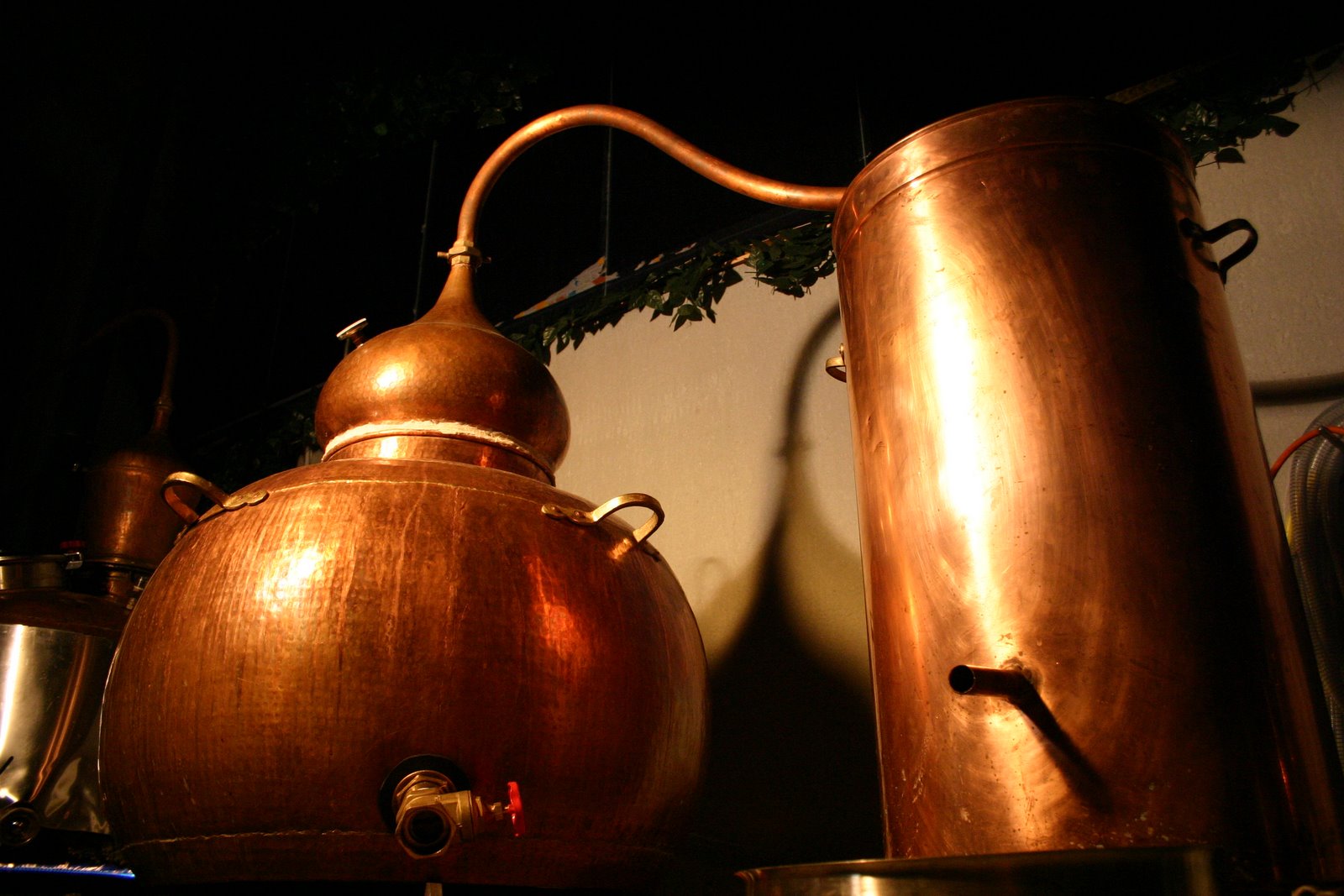
The short answer to this question is on the question page What is the difference between gin and vodka?. Below you can read the whole story behind it.
In Bathmen there are three cabinets that lie closer together than most customers suspect: two hundred and thirty-five vodkas, four hundred and eighty-two gins and one hundred and eighty-eight genevers. Some of those bottles come from the same distillery, and sometimes even from the same still.
Yet legally they are three separate drinks, with three separate definitions. Where the dividing lines run exactly, and why they lie there, we set out below.
All three start with neutral alcohol
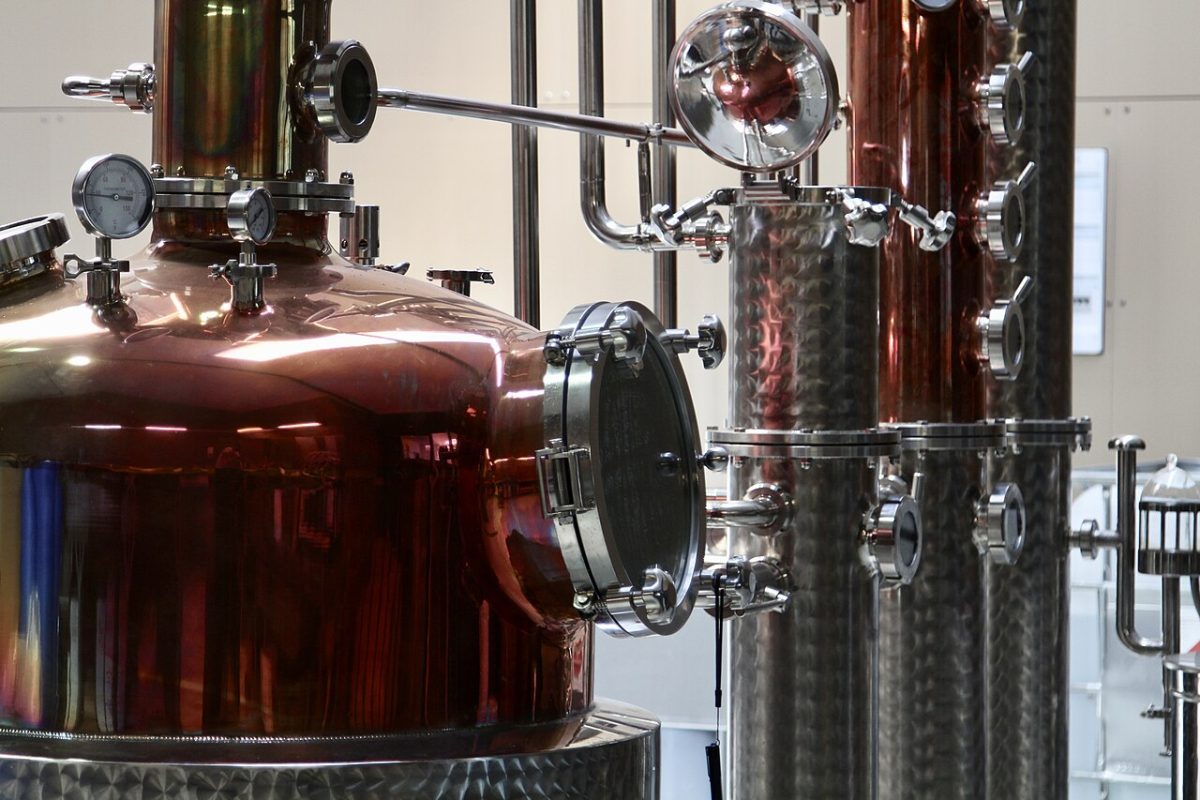
Vodka, gin and jenever have one thing in common: they stand or fall with agricultural ethyl alcohol. That is the technical term for alcohol that comes from agricultural raw materials, grains, potatoes, sugar beet or molasses, and that has been rectified in a column to at least ninety-six percent.
At that point the stuff is virtually tasteless. What happens to it afterwards determines the name under which it may go on sale. And that is not a matter of tradition or taste, but of a European regulation with numbered categories.
Vodka: removing
Vodka is the only one of the three that is defined by what is not in it. The rule says that the alcohol must be distilled in such a way that the characteristics of the raw material used and of the by-products of fermentation are selectively reduced. In plain language: you have to work the taste of the grain or the potato out of it.
Treatment with activated carbon is expressly permitted to achieve that. The minimum is 37.5 percent alcohol. Flavouring is allowed, but then the word flavoured is added. Of our vodkas, forty-five bottles carry that designation.
There is no single ingredient that is compulsory. No herb, no berry, no wood, no age. That makes vodka the most open of the three categories and at the same time the hardest to tell apart.
Gin: the juniper berry must be the boss
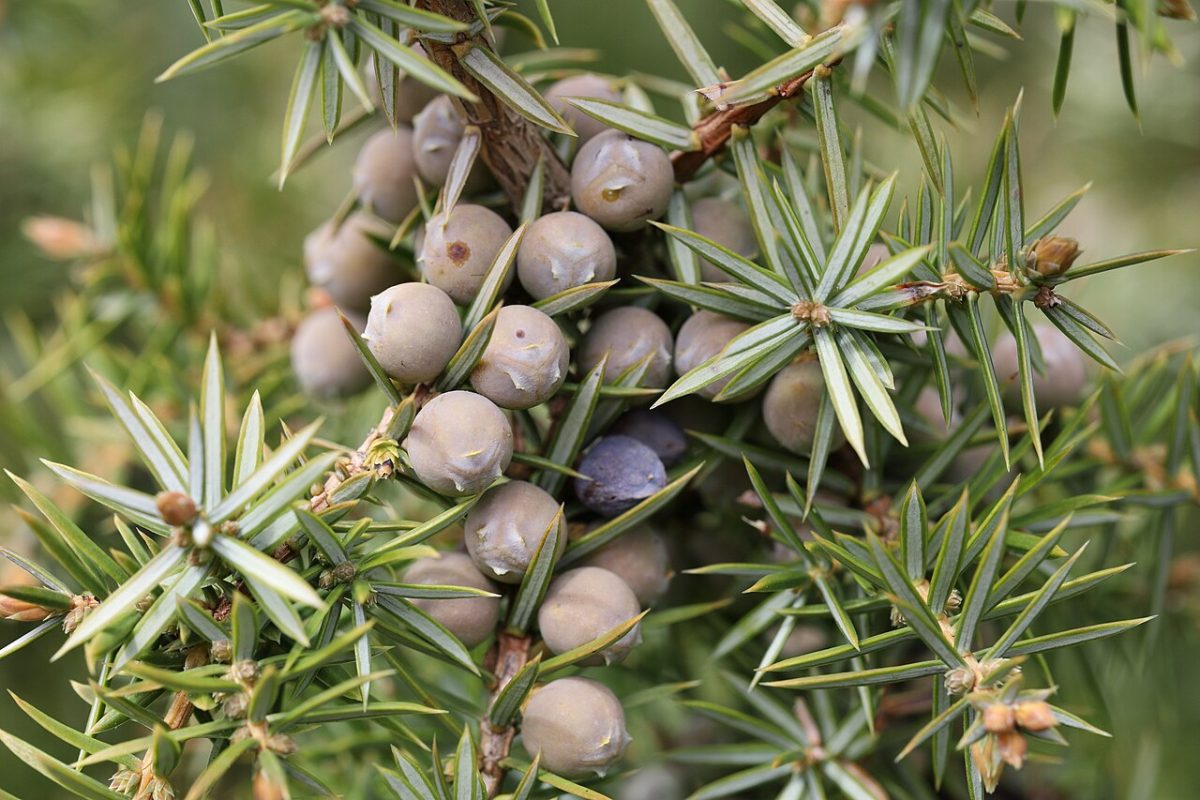
With gin, everything revolves around one plant. The regulation requires that gin is made from ethyl alcohol of agricultural origin flavoured with berries of the common juniper, Juniperus communis, and that the juniper flavour must predominate. Here too the minimum is 37.5 percent.
That is the whole story. It does not say where gin has to come from, which other botanicals may go in it, or how it has to be distilled. Distilled gin and London gin are stricter subdivisions within it, and the latter does stipulate that everything happens during distillation and that nothing may be added afterwards. We wrote about that separately in London Dry gin: what that designation means legally.
So the difference from vodka is not the base but the brief. With vodka you have to remove flavour; with gin you have to add a specific flavour, and it also has to win out over everything else.
Jenever: the moutwijn makes the difference
Jenever is a separate category in the same regulation and is also a protected designation. Only the Netherlands, Belgium and adjacent parts of France and Germany may use the name. That is regional protection of the kind champagne has, and gin and vodka have nothing like it.
In substance, the difference lies in two things. First, with jenever the juniper berry need not be the dominant flavour: it has to be present, nothing more. Second, it contains malt wine, a grain distillate of malted barley, rye and maize that is distilled in a completely different way from neutral alcohol.
How much moutwijn has to go in determines whether it is called jonge jenever, oude jenever or corenwijn. Exactly how that works is explained in how jenever is distilled and in jonge jenever: what jong on the label means.
Where the three meet
If you put the three definitions side by side, you see that they overlap on two points. The first is the base: all three may start from the same neutral alcohol, and that alcohol can come from the same supplier. Many smaller distillers buy it ready-made and only then begin their own work.
The second point is the juniper berry. It is compulsory in gin and in jenever too, and it is permitted in flavoured vodka. So in theory there could be a vodka with juniper that differs from gin only in that the berry does not dominate. In practice this rarely happens, but it shows how thin the dividing line is on paper.
What the three categories never share, on the other hand, is maturation. None of the three has to rest on wood, and with vodka and gin this almost never happens. Only with jenever is wood ageing common practice, and that is precisely why oude jenever has colour and the other two do not.
Why the same houses make all three
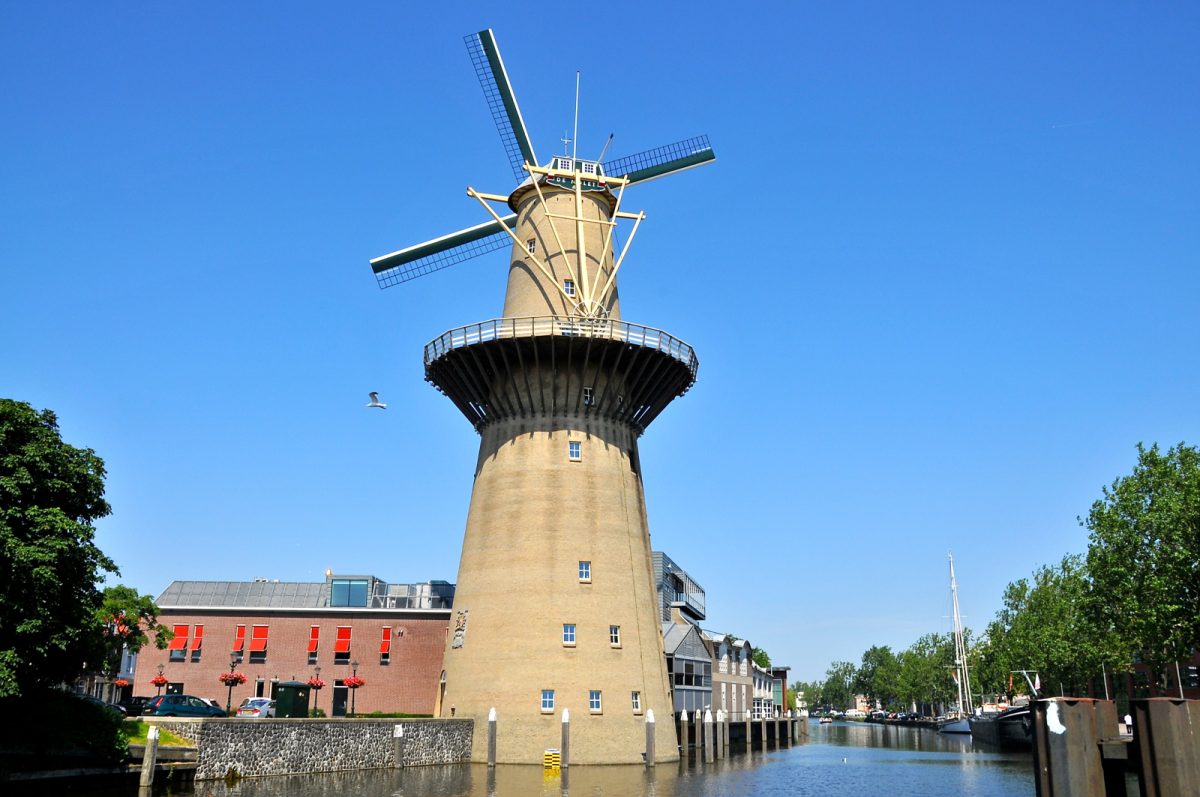
Anyone with a column to rectify neutral alcohol, plus pot stills to distil botanicals with, has everything needed for all three. That explains why Dutch jenever houses almost without exception also have vodka and gin on their price list.
You can see that clearly in our cabinet. Of the thirty-two Dutch vodkas, some come from companies that have been distilling jenever here for generations. Nolet in Schiedam, Zuidam in Baarle-Nassau, Rutte in Dordrecht, Hooghoudt in Groningen and Bols are all five on both the vodka shelf and the jenever shelf.
For those houses it is not a new activity but the same craft with a different recipe. Which Dutch distillers make exactly what is covered in Dutch gin: which distillers distil here.
Where to start
If you want to really make the distinction once, put three bottles from the same house side by side. That removes the differences that come from the distillery and leaves what comes from the category. That is the shortest route to understanding these three cabinets. Visit us or call +31 570 541 278, and we will set them out for you.
Keep browsing
You will find the three shelves here: vodka, gin and jenever. You will find the Dutch houses from this article at Ketel One, Zuidam, Rutte, Hooghoudt and Bols. You can also search via the search engine of the wine & spirits shop.
What else is on a vodka bottle is covered in five times distilled and triple filtered, and the raw material in potato vodka and grain vodka.
Northern Europe has one more: aquavit, with caraway and dill.