
Languedoc-Roussillon
Languedoc wine comes from the arc along the Mediterranean between Nîmes and the Spanish border, spread over the departments of Gard, Hérault, Aude and Pyrénées-Orientales. On the label you see two worlds: AOP wines such as Languedoc, Corbières, Minervois and Roussillon, with fixed grape rules, and IGP Pays d'Oc, where the grape itself is on the label, such as merlot or syrah. In the shop on the Brink in Bathmen there are 15 bottles from this region.
- 15bottles in the shop
- 7wine houses
- 12,5–14,5%alcohol
Where does Languedoc wine come from?
Languedoc wine comes from the south of France, from an arc of some 200 kilometres along the Mediterranean, from Nîmes to the Spanish border. The area covers four departments: Gard, Hérault, Aude and Pyrénées-Orientales. That last department is the Roussillon, hence the double name Languedoc-Roussillon.
Until 2007 the regional appellation was called Coteaux du Languedoc. By decree of 30 April 2007 the name was shortened to AOP Languedoc and the area was extended to include Corbières, Minervois and Fitou, among others. The old name was allowed on the label until 3 May 2017. According to the product specification, about 60 percent of AOP Languedoc is red, 20 percent rosé and 20 percent white.
What is IGP Pays d'Oc and why does it say merlot on the label?
IGP Pays d'Oc is the geographical indication for wine from the same area: Aude, Gard, Hérault and Pyrénées-Orientales, plus six municipalities in the Lozère. The designation was recognised by decree on 15 October 1987 as Vin de Pays d'Oc. That is why you still see 'Vin de Pays d'Oc' on older or classic labels, as with the Viognier from Delas Frères.
The hallmark of Pays d'Oc is the varietal wine. If one grape is on the label, such as merlot Pays d'Oc, the wine must be at least 85 percent of that grape. With two or more grapes named, each grape must make up at least 15 percent of the volume. In 2018 Pays d'Oc reported 58 permitted grape varieties. Well-known reds are merlot, cabernet sauvignon and syrah; among whites chardonnay and sauvignon blanc lead the way. In 2009, 5.5 million hectoliters were made, of which 59 percent was red.
Languedoc-Roussillon at ’t Bockje
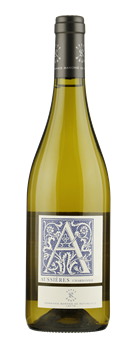
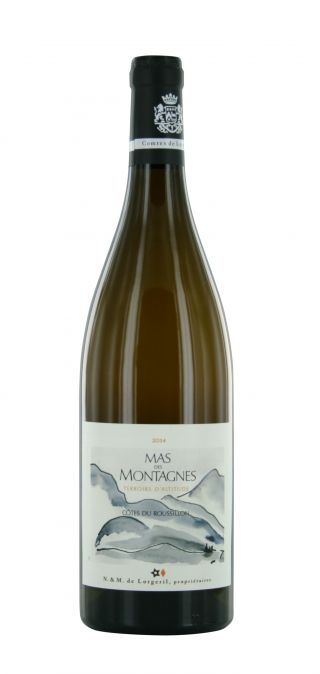
A selection from the 15 bottles currently in the shop on the Brink.






In brief
| Départements | Gard, Hérault, Aude, Pyrénées-Orientales |
|---|---|
| AOP Languedoc | Since 2007 (formerly Coteaux du Languedoc) |
| IGP Pays d'Oc | Recognised by decree of 15 October 1987 |
| Varietal wine Pays d'Oc | At least 85% of the stated grape |
| Red core grapes AOP | Grenache, syrah, mourvèdre |
| Minervois-La Livinière | Own AOP since 1999, red only |
| Corbières | AOP since 1985, red, rosé and white |
| In the shop | 15 bottles |
What is the difference between AOP and IGP in the Languedoc?
The difference is in the rules. An AOP (appellation d'origine protégée, on the label often still AOC) specifies for each area which grapes may be used in which proportion, from which municipalities the grapes come and how long the wine must age. For red AOP Languedoc, grenache, syrah and mourvèdre are the core grapes, and the wine bears the name of the place, not of the grape.
An IGP (protected geographical indication) gives the maker more freedom. The area is larger, many more varieties are permitted and the grape may appear prominently on the label. That is why you almost always find merlot, cabernet franc or viognier from the Languedoc under Pays d'Oc and not under an AOP. Some houses make both, such as Maison Lorgeril and Aussières: a Pays d'Oc alongside a wine under an AOP name.
What defines Corbières, Minervois-La Livinière and Roussillon?
Corbières has been an AOP in the Aude since the decree of 24 December 1985, for red, rosé and white wine. Red revolves around carignan, grenache, lledoner pelut, mourvèdre and syrah; white around bourboulenc, grenache blanc, macabeu, marsanne, roussanne and vermentino, among others. Within Corbières there has been a separate AOP Corbières-Boutenac since 2005.
Minervois received AOC status in 1985. In 1999 came Minervois-La Livinière as its own appellation, for red wine only from six municipalities. Mourvèdre and syrah together must make up at least 40 percent, and the wine matures until at least 15 October of the year after the harvest.
In Roussillon, Côtes du Roussillon Villages has been recognised since 1977, for red only, with at least two grape varieties and at least 30 percent syrah and mourvèdre. The product specification cites more than 2500 hours of sunshine a year and the tramontane, which blows roughly one day in three.
Which wines from the Languedoc does ’t Bockje have?
At ’t Bockje there are both AOP wines and Pays d'Oc varietal wines from this region. From Maison Lorgeril these are the Borie Blanche Minervois La Livinière, the Mas des Montagnes Roussillon Blanc and Roussillon Villages Rouge, and the 1620 Cabernet Franc Pays d'Oc. Laurent Miquel is represented with Les Auzines Corbières, Languedoc Rosé and Languedoc Rouge.
Chateau d'Aussieres Corbieres and the Aussieres blanc and rouge Pays d'Oc from Domaines Barons de Rothschild Lafite also come from Corbières. From Delas Frères, the Viognier Vin de Pays d'Oc and the Syrah Pays d'Oc are on the shelf, and from Louise Bruneau the Blanc and Rouge Pays d'Oc. Would you like to taste and see the difference between AOP and Pays d'Oc for yourself? Drop by at Brink 2 in Bathmen or call 0570 541 278.
Wine houses in this selection
- Maison Lorgeril 5
- Laurent Miquel 3
- Aussieres 2
- Louise Bruneau 2
- Chateau d’Aussieres 1
- Delas 1
- Delas Frères 1
What customers also ask
Is merlot Pays d'Oc a Languedoc wine?
Yes. Pays d'Oc comes from the same area as the AOP Languedoc, but falls under the IGP rules. With merlot on the label, the wine is at least 85 percent merlot.
What does Vin de Pays d'Oc mean on the label?
That is the old name, recognised in 1987. Today the designation is called IGP Pays d'Oc; both names point to the same region.
Is Roussillon part of the Languedoc?
Roussillon is the département of Pyrénées-Orientales. It falls within the AOP Languedoc and Pays d'Oc, and also has its own appellations such as Côtes du Roussillon Villages.
Does Coteaux du Languedoc still exist?
No. Since 2007 the appellation has been called Languedoc; the old name was allowed on the label until 3 May 2017.
How many wines from the Languedoc does ’t Bockje have?
In the shop on the Brink in Bathmen there are 15 bottles from the Languedoc and Roussillon, from AOP to Pays d'Oc.
Keep browsing
Sources
- Cahier des charges IGP Pays d'Oc, INAO, inao.gouv.fr/fichier/PNO2CDCIGPPaysdOc.pdf (accessed 2026-10-05)
- Persbericht Pays d'Oc Vinisud 2018, Interprofession des Vins IGP Pays d'Oc, paysdoc-vin.com/wp-content/uploads/2018/02/CP-PAYS-DOC_VINISUD-2018.pdf (accessed 5 October 2026)
- Cahier des charges AOC Languedoc, INAO, extranet.inao.gouv.fr/fichier/pnodulanguedoc.pdf (accessed 5 October 2026)
- Cahier des charges AOC Corbières, Ministère de l'Agriculture (Bulletin officiel), info.agriculture.gouv.fr/boagri/document_administratif-72919cce-47ac-43c8-bbfd-7524f14d9e66/telechargement (accessed 2026-10-05)
- Cahier des charges AOP Corbières-Boutenac, INAO, inao.gouv.fr/node/29820/printable/pdf (accessed 2026-10-05)
- Cahier des charges AOC Minervois-La Livinière, INAO, extranet.inao.gouv.fr/fichier/PNO-CDC-MinervoisLaLivinière2019.pdf (accessed 5 October 2026)
- Cahier des charges AOC Côtes du Roussillon Villages, INAO, extranet.inao.gouv.fr/fichier/PNO2016AOCCOTESDUROUSSILLONVILLAGES.pdf (accessed 2026-10-05)
The shop is at Brink 2 in Bathmen. Open Tuesday to Friday from 09.00 to 18.00 and Saturday from 09.00 to 17.00. For advice, call 0570 541 278 or email info@bockje.nl.
Wij verkopen geen alcohol aan personen onder de 18 jaar. NIX18.