
- Founded
- 1849, by Samuel Smith
- Location
- Angaston, Barossa (South Australia)
- Family
- Hill-Smith, now the sixth generation
- Own cooperage
- Coopers at work since around 1890
- First viognier
- 1980, Eden Valley
- Vine nursery
- Since 1975
Three ranges, three ways of working
The Y Series is the accessible range at around eleven euros. The Wild Ferments are fermented with wild yeast instead of cultivated yeast, which makes a wine more unpredictable but also more distinctive. And Samuel’s Collection comes from the Barossa, with, among others, grenache from free-standing bushes.
The shiraz with viognier is a nice one: a red wine with a splash of white grape blended in. If you are not sure which one to choose, give us a call. That is what we are here for.
About the wine house Yalumba
Yalumba has stood since 1849 in Angaston, on the edge of the Barossa, and is still in the hands of the same family. Below is the story behind the house: the cooperage on the site, the early planting of viognier and its own vine nursery.
An Englishman from Dorset in Angaston
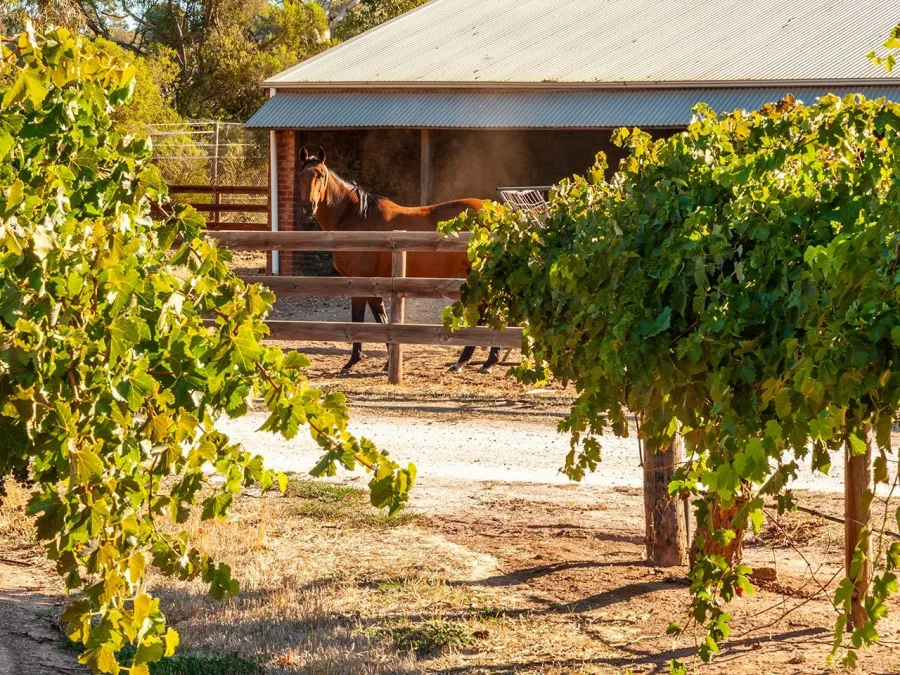
Samuel Smith came in 1847 from Wareham, in the English county of Dorset, to South Australia and settled in Angaston. Two years later, in 1849, he planted the first vines together with his son Sidney. According to family tradition, this happened by moonlight.
The name Yalumba probably comes from the language of the Peramangk, the original inhabitants of this area, and means something like 'all the land around'.
The company has never been sold. After Samuel came Sidney and Walter Smith, later Wyndham Hill-Smith and Robert Hill-Smith as the fifth generation. In 2009 Robert founded Australia's First Families of Wine, a collaboration of family wine houses. The sixth generation is now involved as well. On the estate stands the clock tower from the logo; that clock is still wound by hand every week.
A cooperage on the premises
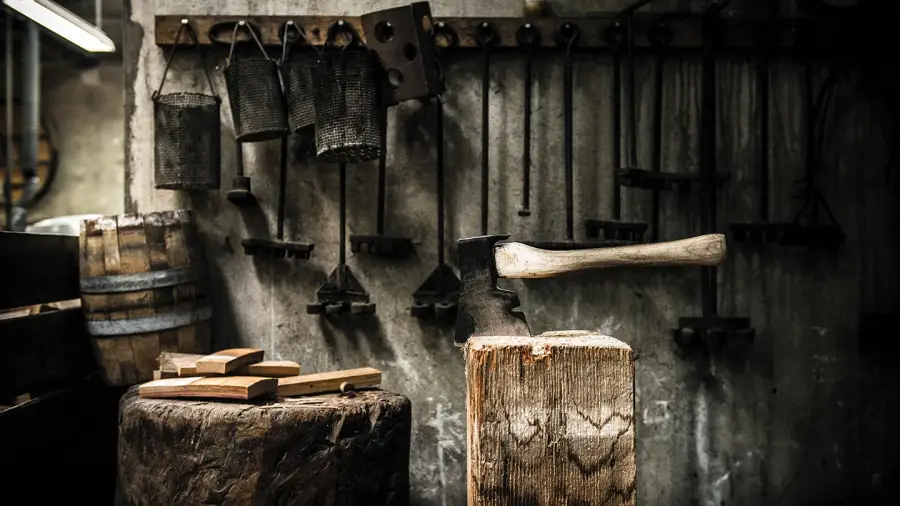
Yalumba is the only winery in the southern hemisphere with a working cooperage on its own site. Casks have been made there since around 1890; since the 1990s this has taken place in its own building, The Cooperage.
The oak comes from forests abroad and first dries outdoors for years before the coopers make staves from it. The winemakers choose for themselves which wood they want. That is a deliberate choice: the wood largely determines which flavours a wine picks up during cask ageing.
The casks are given a long, slow toasting over medium heat. That heat penetrates deep into the staves. According to the house this gives the winemakers more grip and a more even result than a quick, fierce charring. The head cooper is Kym Venning.
Viognier, ever since 1980
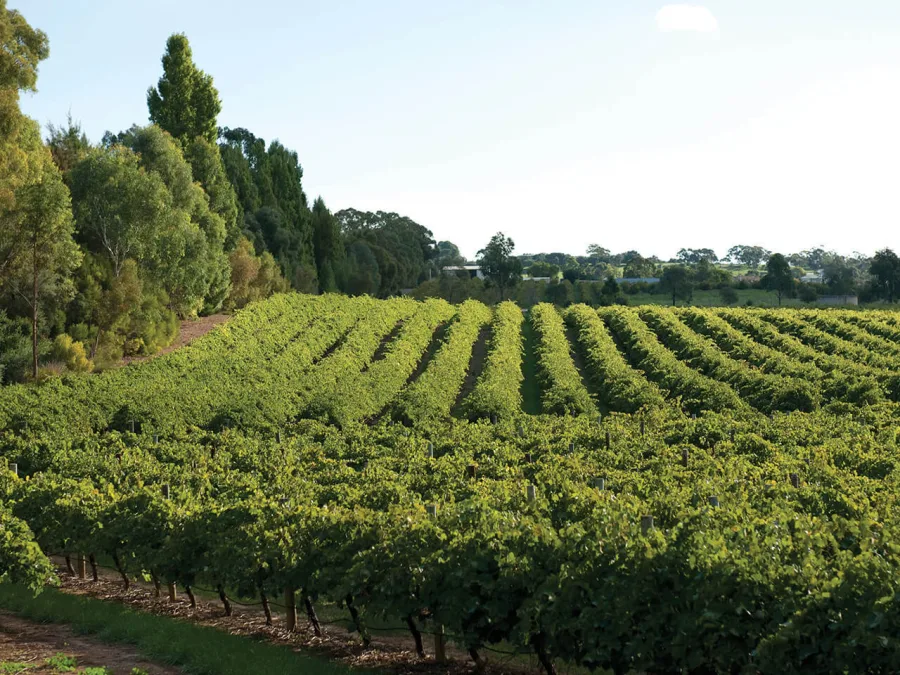
In the late seventies, viognier was found almost only in Condrieu and Côte-Rôtie, in the northern Rhône, and even there on only a few hectares. Yalumba planted the grape in 1980 in the Eden Valley, on a plot of about three acres belonging to a neighbour. Those vines now count among the oldest viognier in Australia.
Robert Hill-Smith pushed the grape forward, and winemaker Louisa Rose, who started in 1992, built the knowledge further. Today Yalumba grows viognier on sixteen plots spread over five vineyards in the Eden Valley.
Yalumba created International Viognier Day in 2021, on the last Friday of April. Louisa Rose is now also responsible for sustainability within the company.
Eden Valley and its own vine nursery
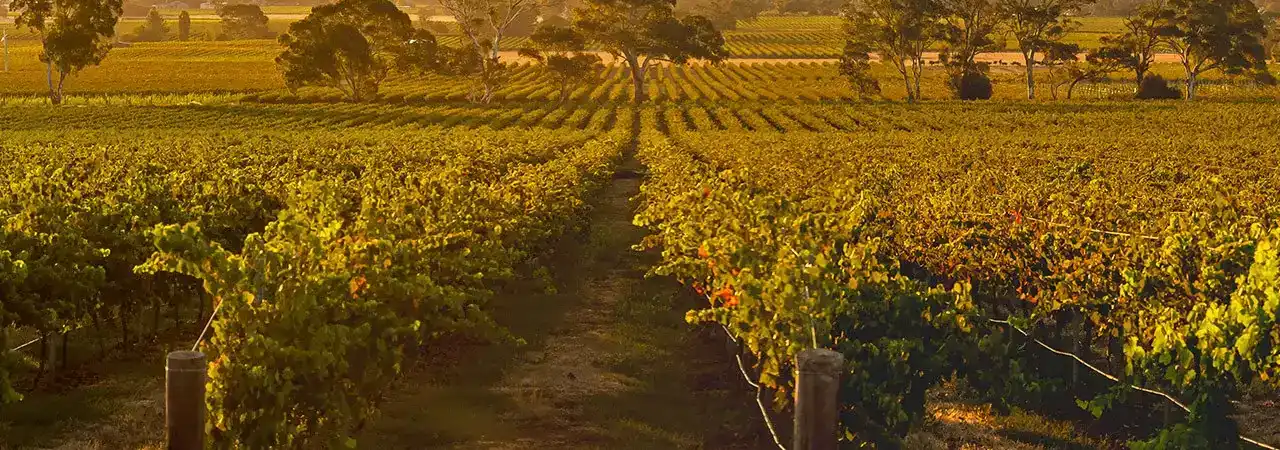
The Eden Valley belongs to the Barossa, but lies higher and is cooler and wetter than the Barossa Valley. The growing season is longer, and the soil is stony and acidic. Yalumba grows riesling, chardonnay, viognier, shiraz and cabernet sauvignon there in a cooler style. The High Eden vineyard lies at 535 metres, at the coldest and most exposed point of the valley. Mexican Vale lies on the south side of the winery and needs hardly any irrigation.
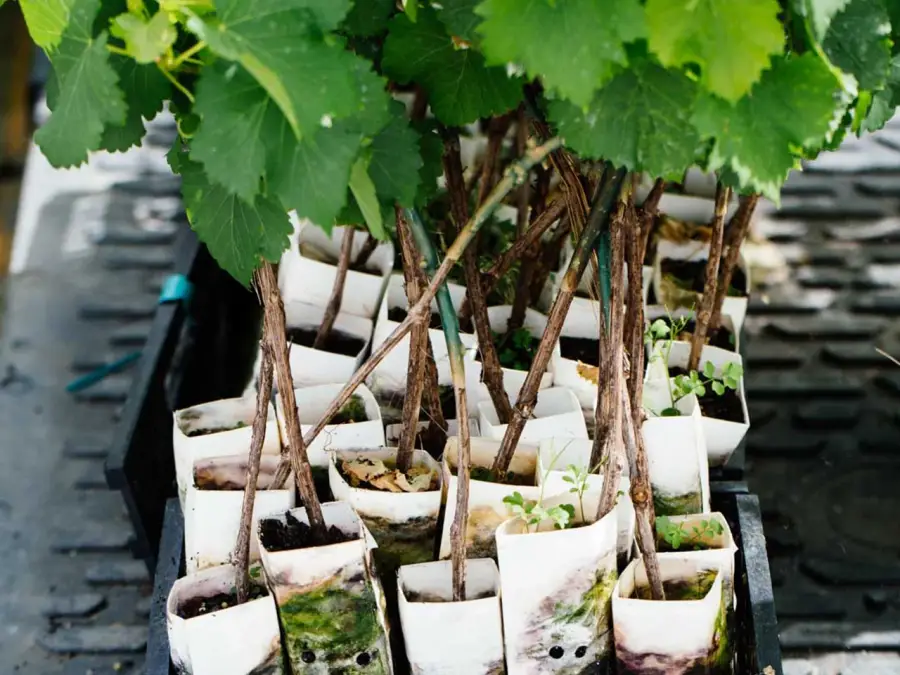
In 1975 Yalumba started its own grapevine nursery, at first for its own vineyards. Now the Yalumba Grape Vine Nursery supplies grafted young vines to growers all over Australia. The nursery also tests new varieties and clones before they come onto the market, paying attention to how healthy a vine is and how well it suits a particular soil.
From the shelf
Six of the 12
Click on a bottle for the rest of the details.
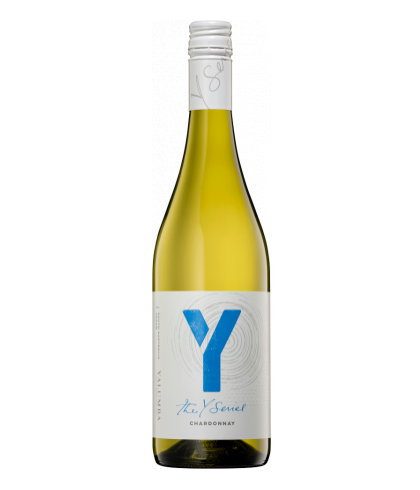
 WhiteYalumba The Y Series ChardonnayAustralia€ 10.95
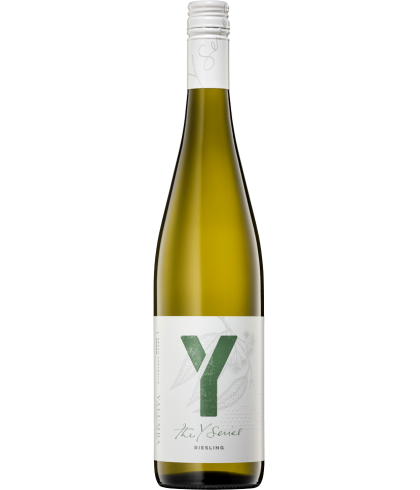
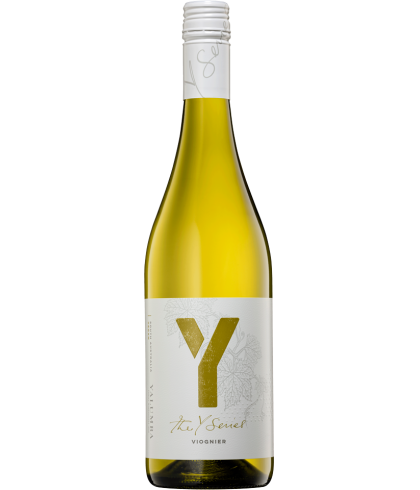
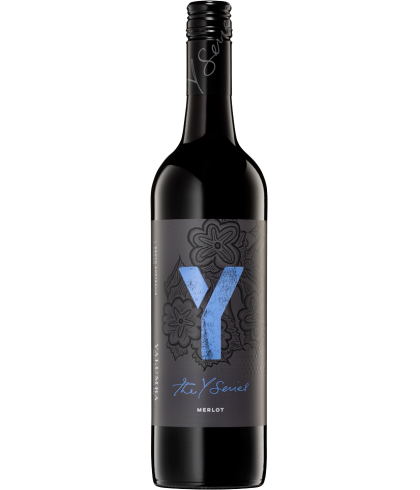
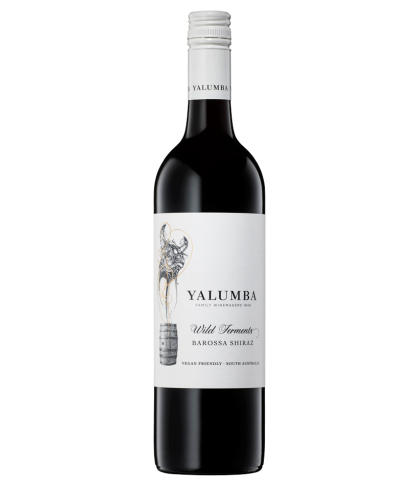
 RedYalumba The Y Series MerlotAustralia€ 10.95WhiteYalumba The Y Series RieslingAustralia€ 10.95RedYalumba The Y Series Shiraz ViognierAustralia€ 10.95WhiteYalumba The Y Series ViognierAustralia€ 10.95RedYalumba Wild Ferments Barossa ShirazAustralia€ 15.95
Five wines for 10.95
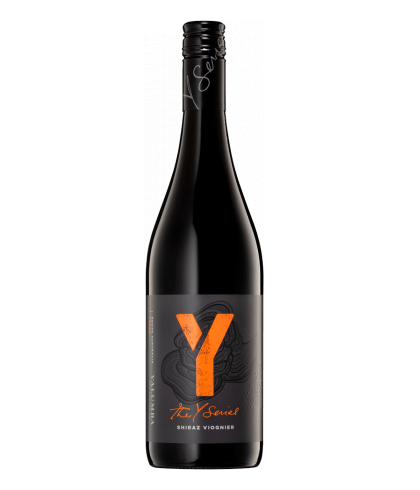
Yalumba The Y Series Shiraz Viognier
Shiraz with viognier: a blue and a white grape together.
€ 10,95
Why white grapes go into a red wine
- Three oddities on this page
- Shiraz with ViognierA little white grape makes the red more aromatic.
- Wild yeastNot adding cultured yeast, but using what is naturally on the grape.
- Bush vineFree-standing bushes without wire trellising, often very old.
- GSMGrenache, shiraz and mataro: the classic southern blend.
Shiraz with viognier sounds strange (a black and a white grape together), but it is an old practice from the northern Rhône. A small percentage of viognier makes the wine more aromatic and softer, and fixes the colour. Yalumba made that combination known in Australia.
With wild yeast nothing is added: the wine ferments on the yeasts that are naturally present on the grapes and in the cellar. That takes longer and is less predictable, but often gives more character of its own.
Bush vine means the vines grow as free-standing bushes, without trellising. In the Barossa, such vines sometimes stand for more than a century; they yield few grapes, but with great concentration.
A dash of white grape in a red wine: in the Rhône they have been doing that for centuries, and Australia has adopted it.
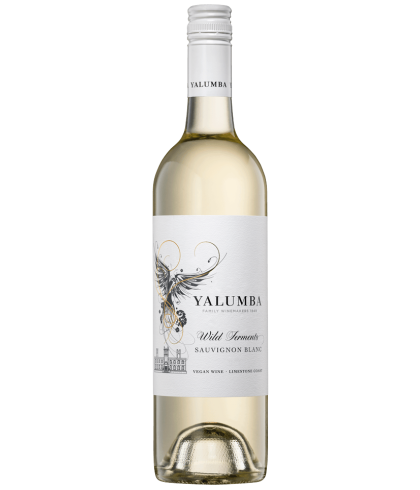
Wild Ferments
Fermented with wild yeast instead of cultured yeast.
Samuel’s Collection
Five wines from the Barossa, with grenache from free-standing bushes.
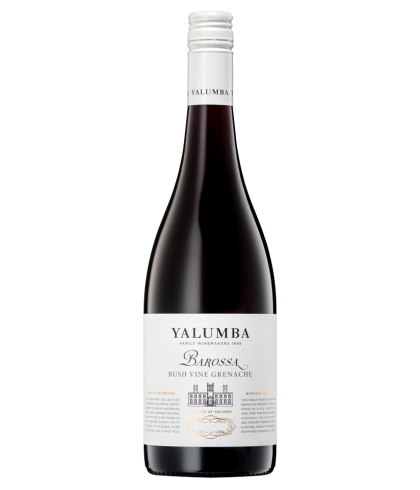
Yalumba Samuel's Collection Barossa Bush Vine Grenache
Grenache from free-standing bush vines without wire.
€ 19,95
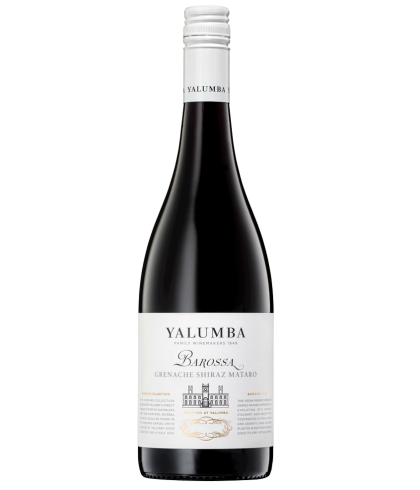
Yalumba Samuel's Collection Grenache-Shiraz-Mataro
Grenache, shiraz and mataro together.
€ 19,95
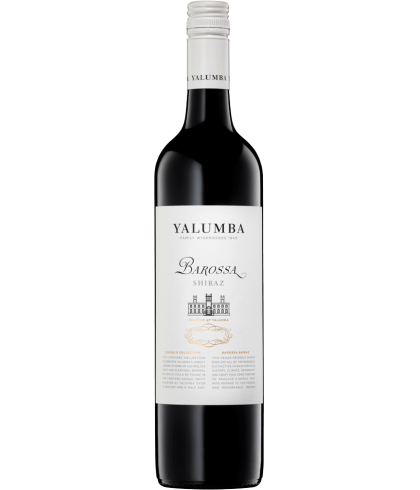
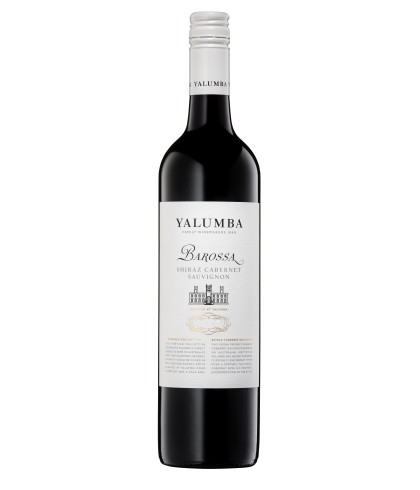
Yalumba Samuel's Collection Shiraz-Cabernet Sauvignon
Shiraz with Cabernet Sauvignon.
€ 19,95
At the table with Yalumba
Oven-roasted chicken with apricot and ginger
Viognier itself has notes of apricot and blossom and a full structure that goes well with lightly sweet and spiced meat.
Roasted pumpkin with sage and goat cheese
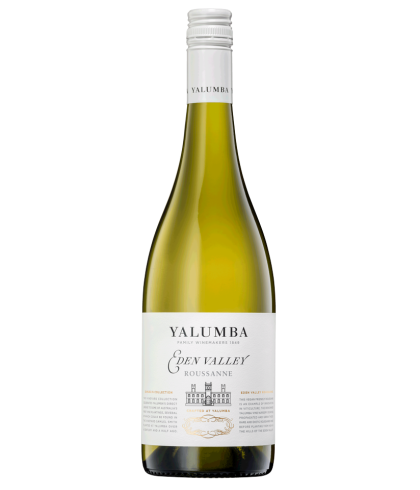
The creamy, slightly nutty roussanne goes with the sweetness of roasted pumpkin and the saltiness of the cheese.
Alongside: Yalumba Samuel's Collection Roussanne
Lamb chops from the barbecue
Barossa Shiraz with dark fruit and pepper holds its own against the rich, smoky flavour of grilled lamb.
Grilled salmon with lemon
The tight acidity of this dry riesling cuts through the fat of the salmon and keeps the dish fresh.
Sources: Yalumba - The Cooperage · Yalumba - The Nursery · Yalumba - The Family · Yalumba - About us · Yalumba - Eden Valley · Wine Companion - International Viognier Day · Wine-Pages - Yalumba's Viognier Voyage · Great Wine Capitals - Yalumba Family Winemakers · Wijnkring - merkpagina Yalumba (tekst importeur, aangeleverd)
Frequently asked questions about Yalumba
How much Yalumba does ’t Bockje have in stock?
Twelve wines, from 10.95 to 19.95 euros, spread over three ranges.
Why is there viognier in a shiraz?
A small percentage of white grape makes the red wine more aromatic and softer and fixes the colour. It is an old practice from the northern Rhône that Yalumba made known in Australia.
What does wild ferment mean?
That the wine ferments on the yeasts that occur naturally on the grapes and in the cellar, without the addition of cultured yeast. This takes longer and is less predictable, but often gives more character of its own.
What is bush vine?
Vines grown as free-standing bushes, without trellising. In the Barossa, such vines are often very old; they yield few grapes, but with great concentration.
What is GSM?
Grenache, shiraz and mataro together: the classic blend from the south of France, which works just as well in Australia.
Which Yalumba is best to try first?
The Y Series viognier or the shiraz with viognier. Both show what this house is known for.
Does ’t Bockje also ship these wines abroad?
Yes. We ship to around forty countries. Email info@bockje.nl if you want to know whether your country is included.
Is Yalumba the oldest wine house in Australia?
Yalumba is the oldest wine house in Australia still in the hands of the founding family. Samuel Smith planted the first vines in Angaston in 1849; the Hill-Smith family still runs the company.
What does the name Yalumba mean?
The name probably comes from the language of the Peramangk, the original inhabitants of the area around Angaston. It means roughly 'all the land around'.
Where is Yalumba?
Yalumba is in Angaston, on the eastern side of the Barossa in South Australia, on the transition to the higher-lying Eden Valley. The house also sources grapes from other South Australian regions, such as Coonawarra.
Order, collect or drop by
- In stock in our shop at Brink 2 in Bathmen
- Available to order online and have delivered, including abroad
- Order online or collect in Bathmen
- Personal advice via 0570 541 278 or info@bockje.nl
- Opening hours: Tuesday to Friday 09.00–18.00, Saturday 09.00–17.00. Closed Monday and Sunday
Wij verkopen geen alcohol aan personen onder de 18 jaar. NIX18.
All 7 bottles at a glance
Each bottle shows the details from the label.
Keep browsing
Brink 2, Bathmen
All our stock is in the shop, not in a warehouse somewhere else. If you walk in with a name you couldn't find anywhere, it is often simply here on the shelf. You can also call: 0570 541 278.
Wij verkopen geen alcohol aan personen onder de 18 jaar. NIX18
- Tuesday to Friday 09.00 – 18.00
- Saturday 09.00 – 17.00
- Monday and Sunday closed