If you ask at our counter which whisky to take home, you will often first get a question back: what do you drink it from? That seems like a detour, but it is not. We have 3,880 whiskies from 592 brands in the shop, and the glass is by far the cheapest part of the evening. It is also the part that makes the most difference.
On the shelf at the Brink there are 264 glasses. By far most of them are beer glasses; under the heading of whisky and tasting glasses there are 21. That sounds meagre, but there are not many more shapes either. At heart there are three families: the tumbler, the tulip-shaped tasting glass and the stemmed glass. Below you can read what each of those three is made for.
What a glass does to the aroma
Almost everything you taste in whisky, you smell. The tongue distinguishes sweet, sour, salty, bitter and savoury; the rest of what you call flavour comes in through the nose. Alcohol carries those aromatic compounds upwards, and what the glass does is determine where that vapour goes.
A glass that narrows towards the top gathers the vapour and sends it to your nose. A glass that is as wide at the top as at the bottom lets it drift away to the side. That is the whole mechanism. There is no secret in it, and no glass makes a mediocre whisky good. There is, however, a glass in which you perceive what is in the bottle, and a glass in which you miss half of it.
The tumbler: for ice and for convenience
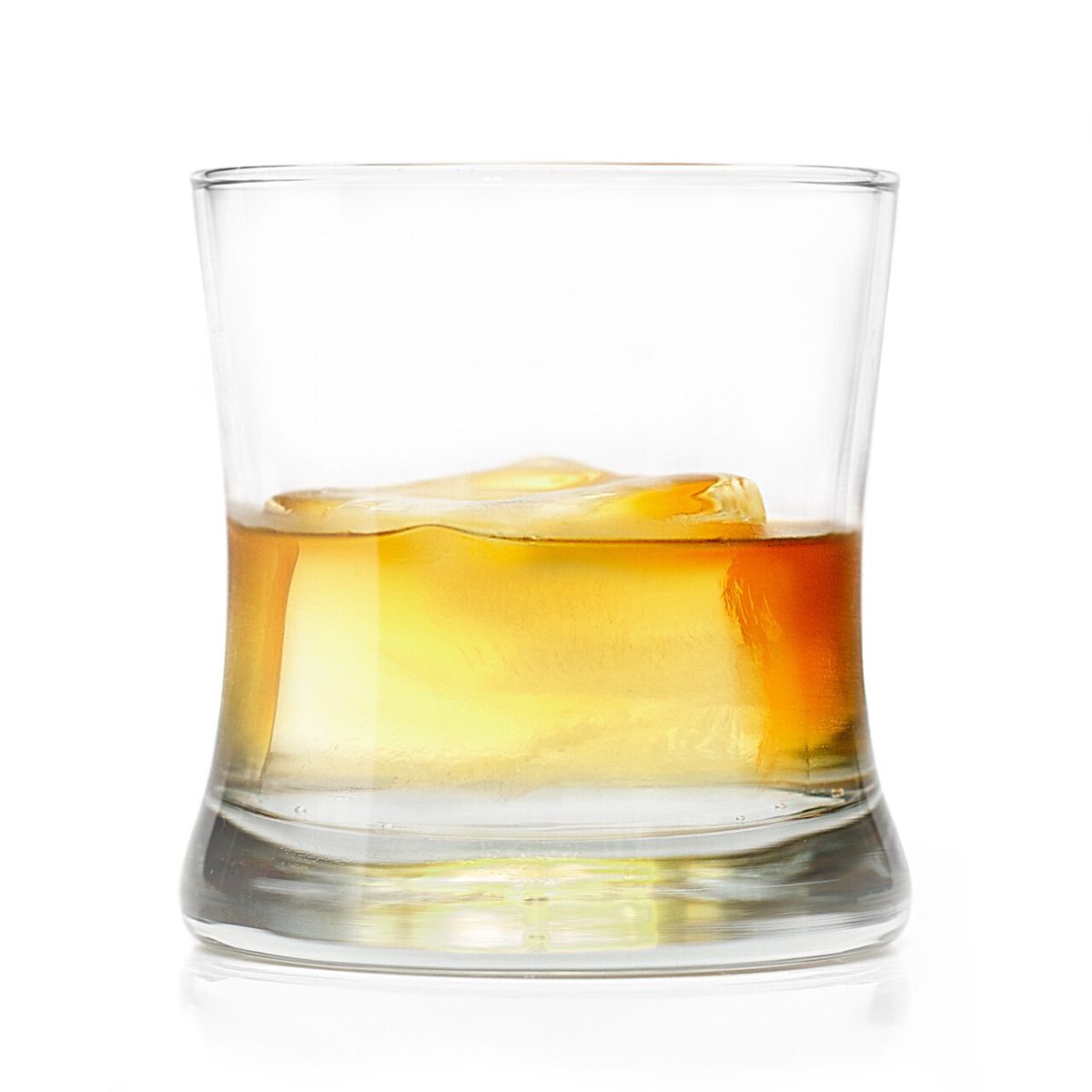
The tumbler is the straight glass with the thick base, without a stem and without narrowing. With us several stand side by side: the Spey tumbler of 20 centilitres, the Tumbler Black, the Tumbler Concerto Vidivi and the Tumbler whiskyglas Timeless.
Its strength is space. Ice cubes fit in it, water can be added, and it does not tip over when it stands on a wide armrest. That makes it the glass for whisky on ice and for cocktails with whisky as the base. The downside is that the same wide opening lets the aroma escape. With a whisky you bought for its aroma, you therefore give something away. With a robust whisky on ice it is actually pleasant, because it takes some of the edge off.
One thing is often forgotten here: ice dilutes. A cube that sits in the glass for half an hour changes the drink more than a splash of water from a jug.
The Glencairn: the industry’s working glass
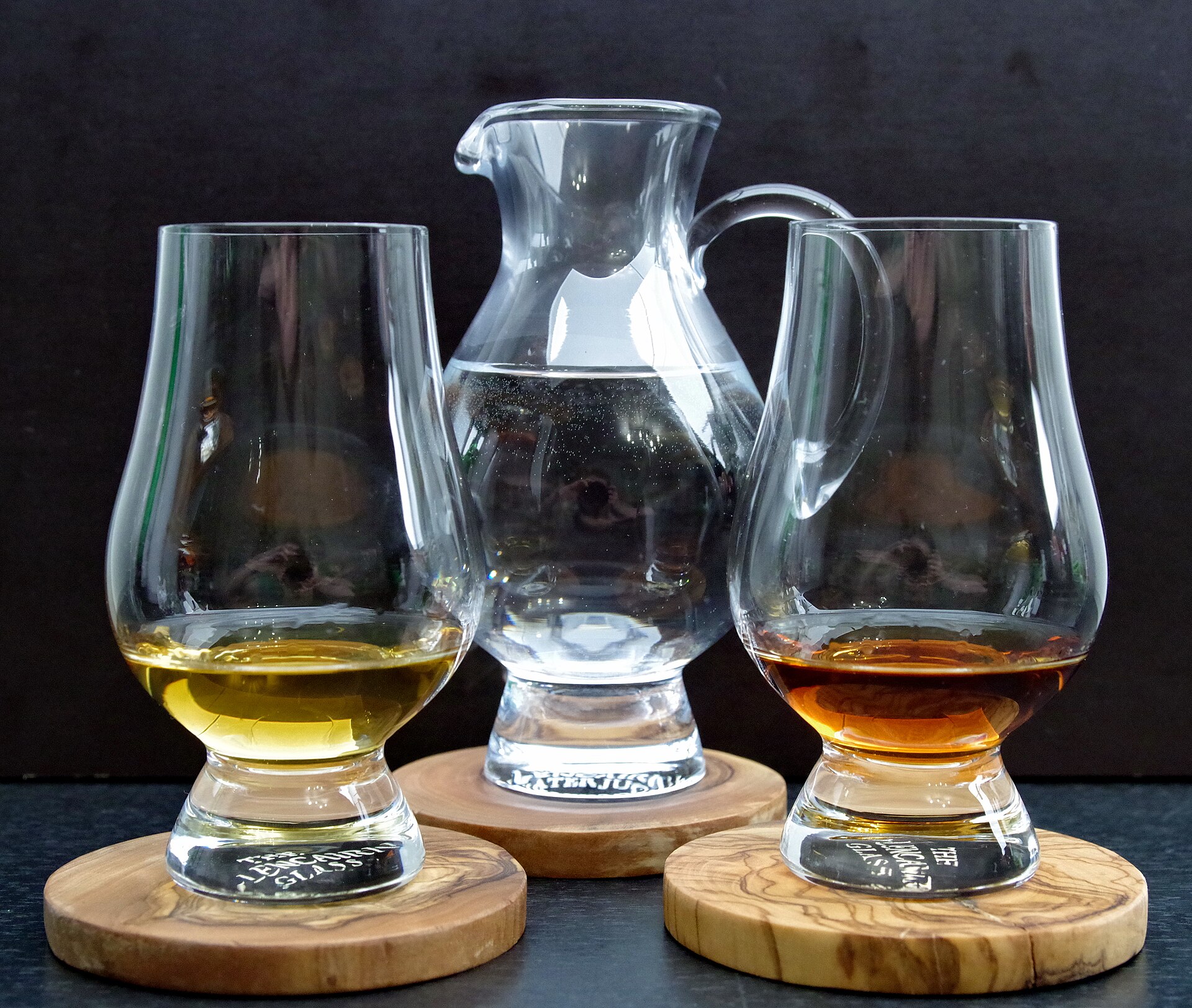
The Glencairn is the shape you will come across at almost every tasting: a rounded bowl that narrows towards the top, on a short, sturdy base without a stem. The bowl gives the drink surface area, the narrowing concentrates the vapour, and the heavy base means the glass can take a knock.
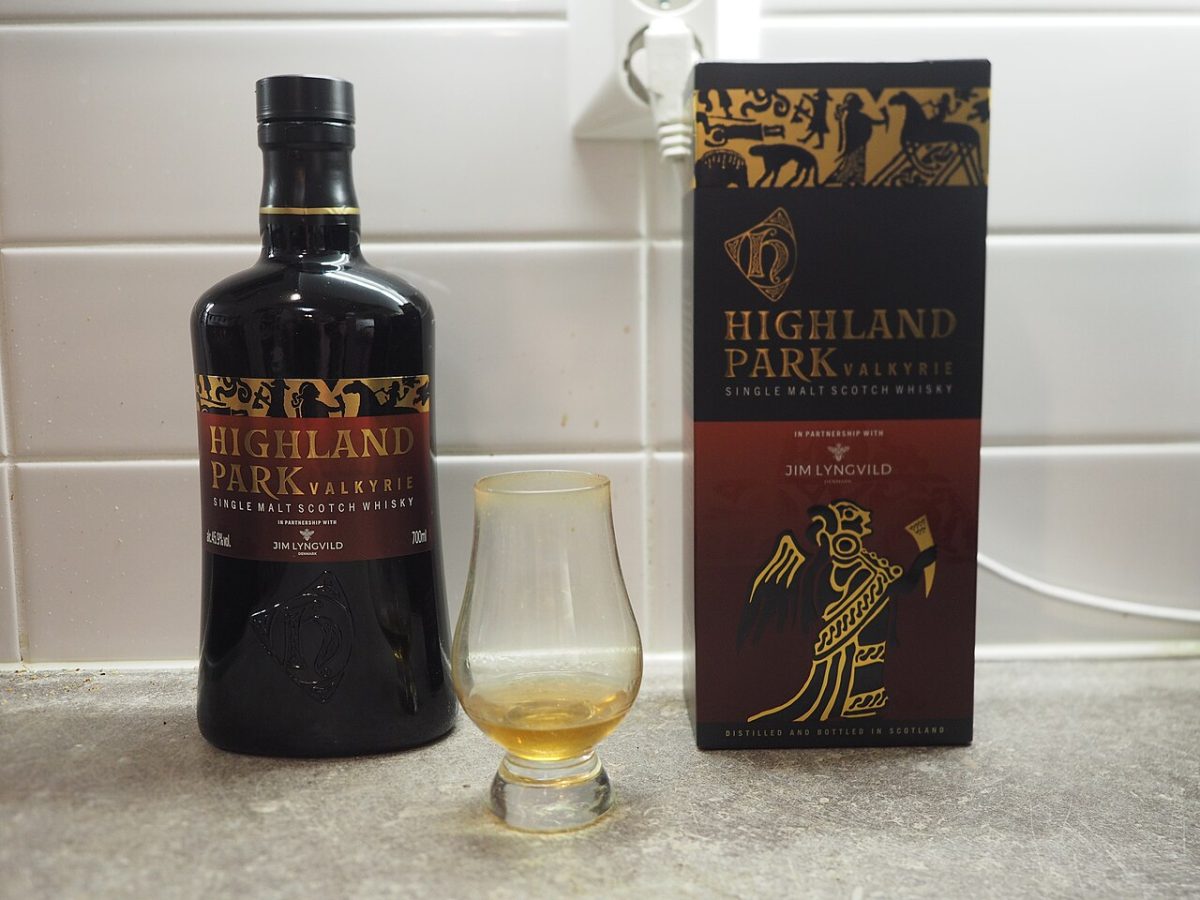
The Glencairn we stock holds 17 centilitres, but that is the total capacity of the glass and not the serving measure. You pour in a small amount and leave the rest empty; that space is for the aroma, not for the whisky.
The reason this shape has become so common is that tasters use it to compare with one another: the same whisky in the same glass gives the same picture. It is not prescribed anywhere. Distilleries also use other glasses besides this model, and anyone who claims that one official whisky glass exists is trying to sell you something.
The copita and the tulip: the glass with a stem
The copita does not come from Scotland but from Jerez, where it is the standard glass for sherry. Blenders adopted the shape because it does the same as the Glencairn, with a stem added. That stem is not decoration. Your hand is warmer than the drink, and with the stem you keep that warmth off it.
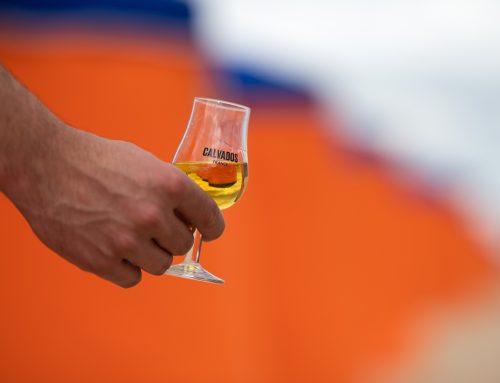
In our glassware department you will find that shape as the Pure Kristallen Whisky Glas Tulp and the Avant Garde Kristallen Whisky Glas op Voet. If you would rather pour small, there is also a Spey dramglas van 9 centiliter and a glass called The Ultimate Perfect Dram. Some tasting glasses come in a version with a little lid on top, so that the aroma stays in the glass until you begin.
What you are better off avoiding, and one exception
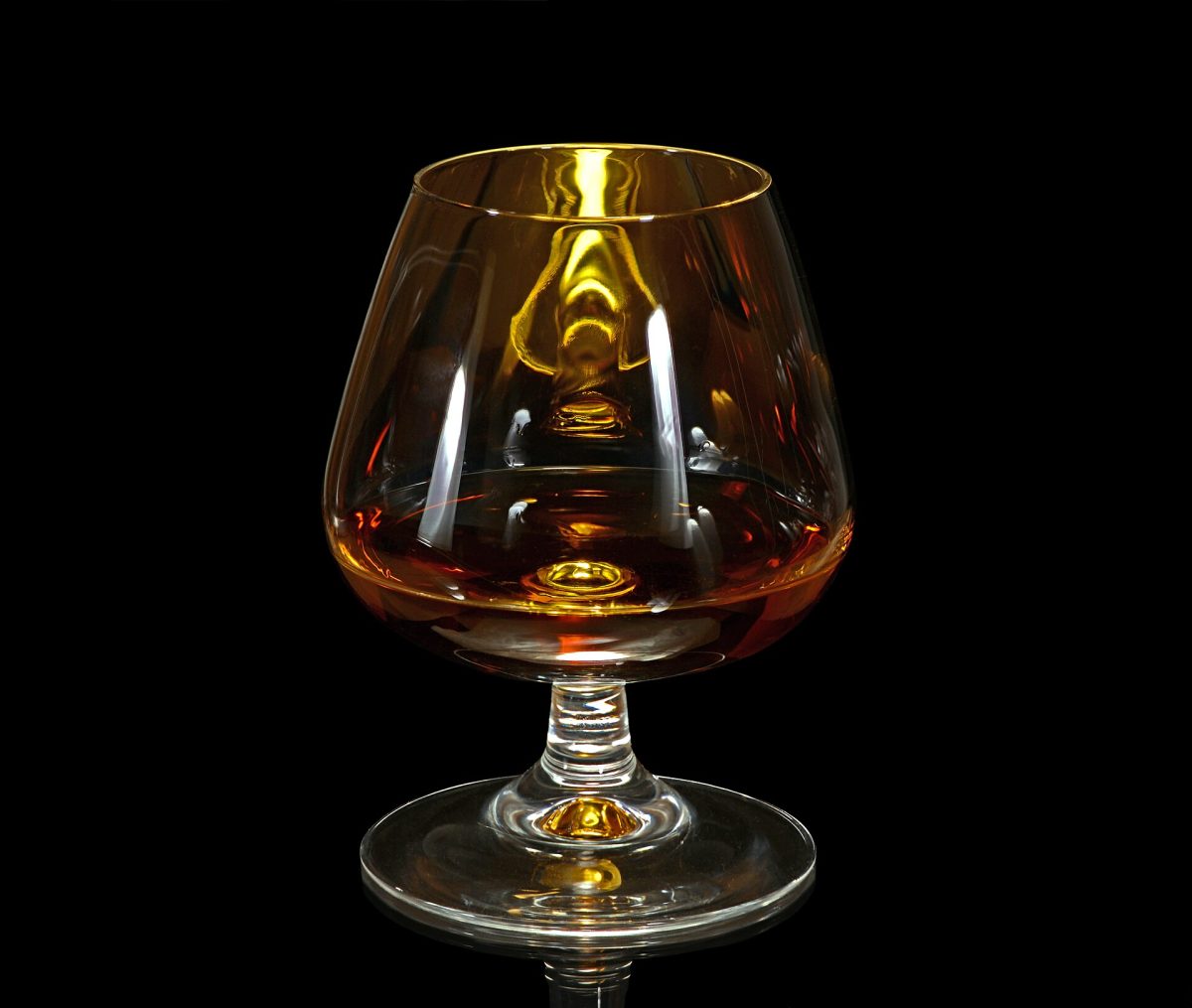
The balloon glass you know from cognac is not a happy choice for whisky. That wide bowl is meant to release aroma, with the warmth of your hand, from a drink that has lain long in cask. With whisky that same shape mainly produces alcohol vapour, and you can no longer smell the rest through it. The shot glass is even less fortunate: it is made to be emptied in one go, which is a waste with a whisky that has years in it.
The exception is the wine glass. A small white wine glass has exactly the tulip shape you are looking for and works better than many a glass with the word whisky on it. So if you have no tasting glass at home, there is no need to go out specially for one.
How much do you pour, and what does water do
A bottom layer is enough. In a tasting glass three to four centilitres is usual, and in a tumbler that same amount looks like less because the glass is wider. How many glasses come out of a bottle and where the measure of a dram comes from is covered in an earlier article about the dram, the glass and the bottle.
Water is no insult. A few drops lower the percentage in the glass and release aromas that were underneath at full strength. Take cold tap water or spring water, not sparkling water, and add it drop by drop, because taking it out is no longer possible. With cask-strength whisky water is more the rule than the exception.
Where to start
If you buy one glass, take a tulip-shaped tasting glass. It works for everything you do not drink with ice. If you buy two, put a tumbler next to it for the evenings when ice goes in. All 21 glasses in this group are together on the filter page for whisky and tasting glasses, and in the View all bottles you will find them with a photo. Unsure between two shapes? Walk in: glasses are easiest to compare with them in your hand.