The liqueur cabinet in Bathmen holds 789 bottles from 268 different houses. They stand mixed together: a bottle of fourteen percent next to one of fifty-five, a sweet berry liqueur next to a bitter herbal liqueur, and a bottle with the word liqueur in large letters on the label next to one where you will not find it anywhere.
Still, there is a classification, and it is stricter than it looks on the shelf. Part of it is in European law, part is trade custom, and part is simply how we have arranged it in the shop. Below you can read which types of liqueur there are, and where the boundaries between those types come from.
Two numbers determine whether something is called a liqueur
European Regulation 2019/787 lays down what spirit drinks may be called. Liqueur is category 33 in it, and the definition revolves around two numbers.
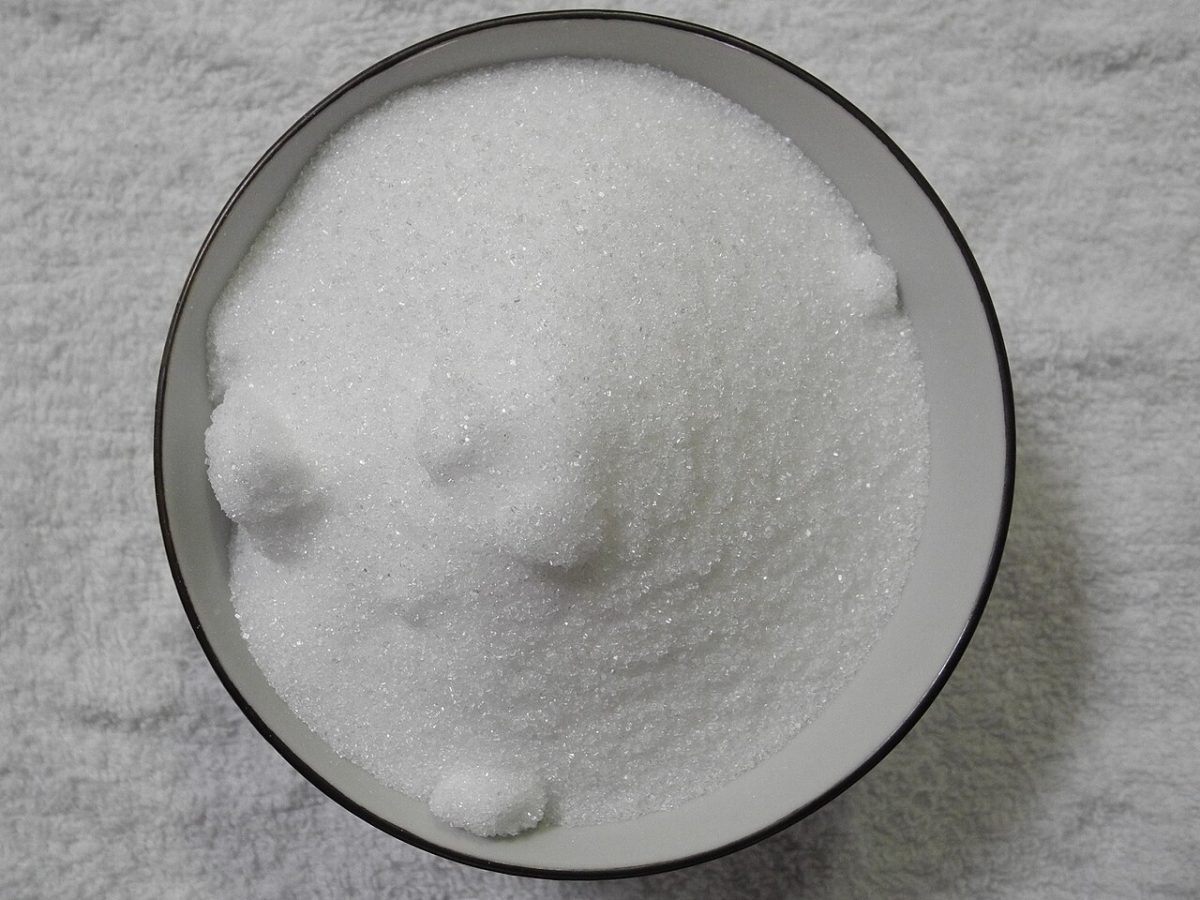
The first is the alcohol content: at least fifteen percent by volume. The second is the sugar content: at least one hundred grams per litre, expressed as invert sugar. In addition, the drink must be sweetened and flavoured with flavourings, agricultural products or foodstuffs.
There are two exceptions to that sugar limit. For cherry liqueur whose alcohol consists entirely of cherry distillate, seventy grams is enough. For liqueur flavoured exclusively with gentian or wormwood, eighty grams is enough.
What the description does not say is where the flavour should come from. Fruit, herbs, nuts, coffee, cream: the regulation leaves that completely open. The types that follow below are therefore not legal categories, but groups made by the trade and the shop. With one exception, and that comes shortly.
Fruit is the largest group
Of the 789 liqueurs we have, 461 have a type designation in our card index. The rest are still waiting to be classified. Within those 461, fruit is by far the largest family.
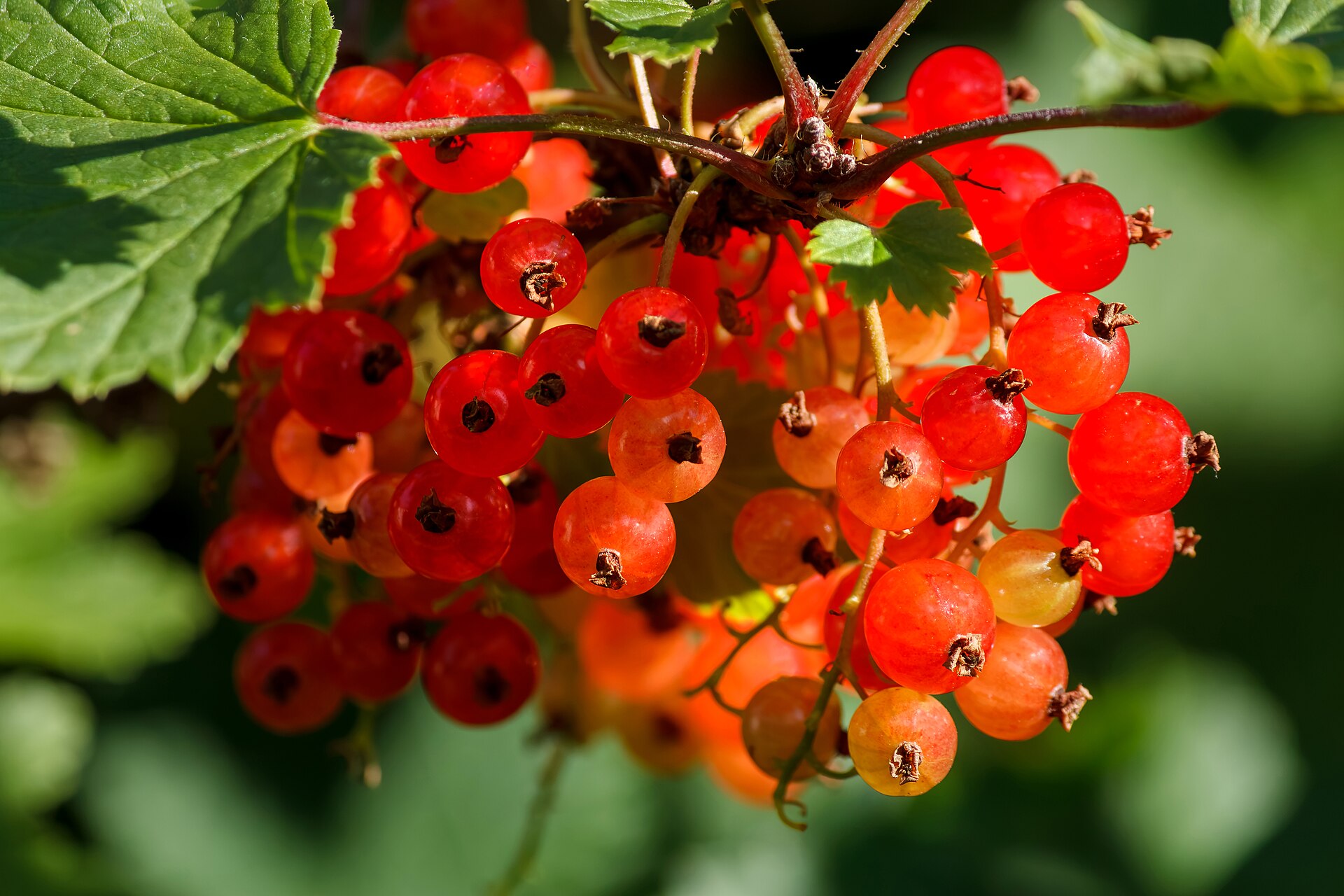
Fruit liqueur is the general category and counts 85 bottles: berries, peach, apricot, raspberry, melon and everything else that comes from a tree or bush. In addition, we keep a few fruits separate because they have their own place on the shelf. Lemon liqueur stands at 37 bottles and orange liqueur at 25. Cherry liqueur also has its own page, because that fruit comes back in so many forms that it would otherwise disappear into the large category.
This is also where the only real second legal category sits. The designation crème de is category 34 in the regulation, and that is exclusively about sugar: at least 250 grams per litre instead of one hundred. For crème de cassis the limit is even higher, at more than four hundred grams. The word crème therefore does not refer to cream but to syrup. How exactly that works is explained in what crème de means on a liqueur bottle.
With orange, generic names and brand names get mixed up. Triple sec, curaçao, Cointreau and Grand Marnier are often listed together, while only some of them are designations and the rest are brands. We covered that distinction earlier in triple sec, curaçao, Cointreau and Grand Marnier told apart.
Herbs, roots and seeds
Herbal liqueur is the largest group after fruit, with 42 bottles. It is also the messiest name on the shelf, because all sorts of things fall under it: Italian amari, German herbal liqueurs, Dutch recipes with twenty or thirty botanicals.
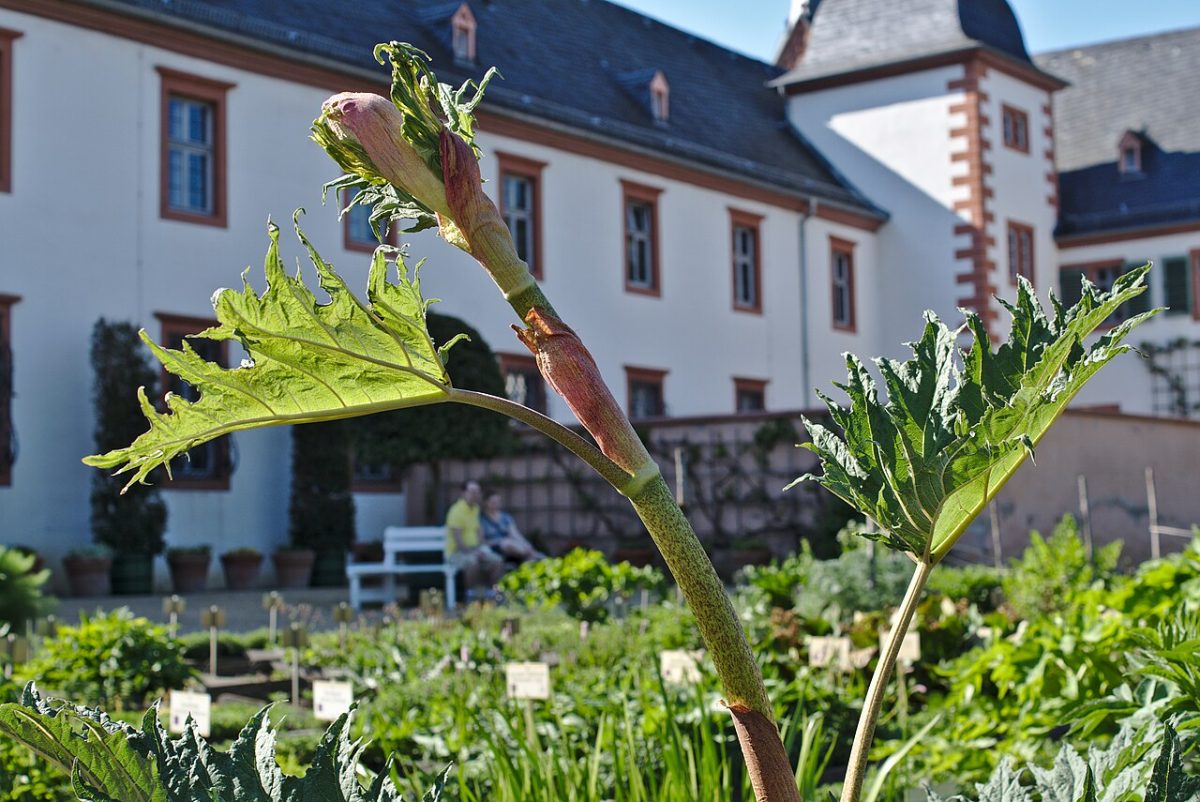
That is exactly the group the regulation does concern itself with. The exception of eighty grams of sugar applies only to gentian and wormwood, two classic bittering agents. A maker who flavours his bottle with that root or herb may therefore sweeten less and still use the word liqueur.
Anise liqueur accounts for 33 bottles with us and is a group of its own, if only because anise has taken its own form in so many countries. Liquorice liqueur is smaller at 14 bottles and almost entirely Dutch; outside the Low Countries you will hardly come across it.
Nuts, coffee and cocoa
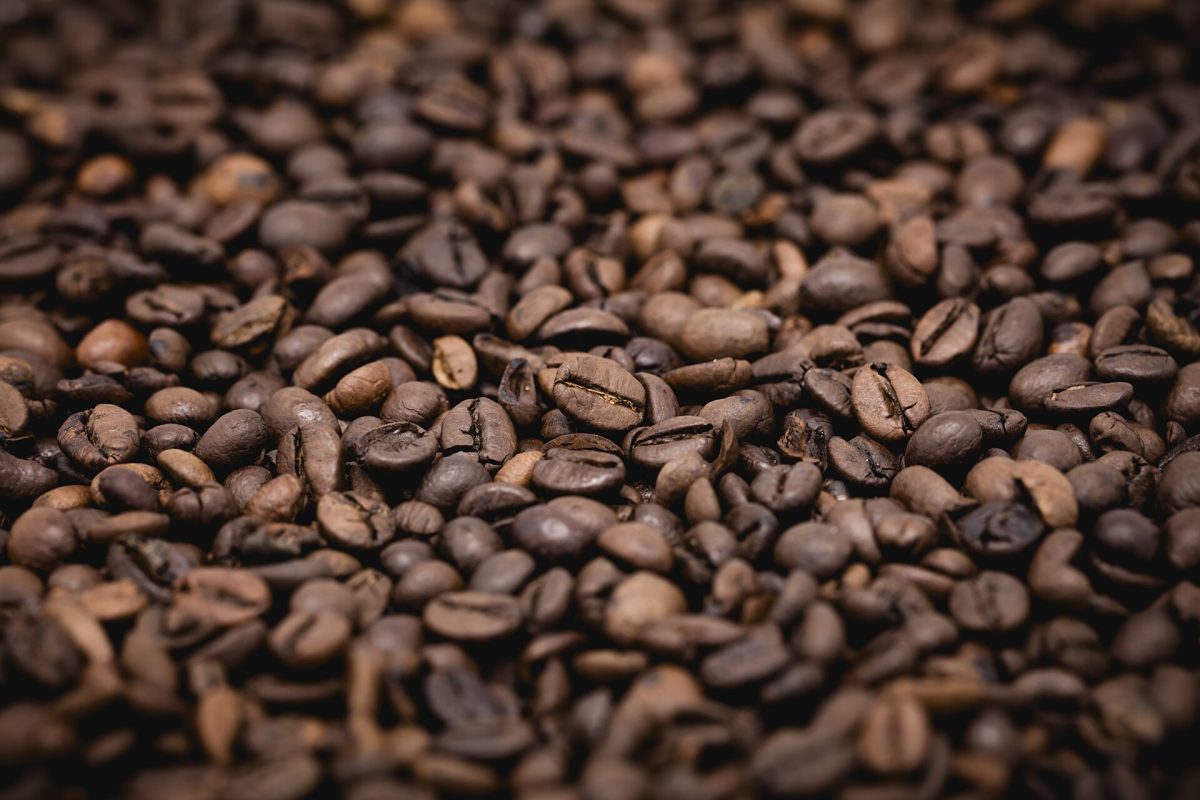
The third family comes not from a shrub but from a bean, a nut or a pod. Coffee liqueur accounts for 32 bottles, nut liqueur for 27 and chocolate liqueur for 12. Vanilla and cinnamon, with five and four bottles, are the smallest corners of the cabinet.
An honest caveat belongs here about a name everyone knows. Amaretto appears on 33 bottles at our shop, but amaretto does not appear in Regulation 2019/787. It is a trade name for an almond-like liqueur, not a protected category. Legally it is simply liqueur, and what goes into the bottle differs from house to house.
The same goes for other names in the cocktail book. A name that has been around for a hundred years says something about the tradition, but nothing about what the maker has to do.
Cream, egg, and the bottles that may not be called liqueur
Cream liqueur is a separate rule within the ordinary category. A liqueur with milk or milk products may be called cream, followed by the raw material that determines the flavour. We stock 36 of them. Advocaat falls outside that again and has its own description with its own requirement for egg yolk; we wrote about that in advocaat and egg liqueur.
And then there is the group that is on the shelf but may not carry the name. Of the 756 liqueur bottles for which the alcohol percentage is in our data, 79 are below fifteen percent. These may not be called liqueur, however much they resemble one. In the trade they are called likorette, and that word appears nowhere in the European list. Why that is, you can read in liqueur or likorette.
Where to start
The 789 liqueurs we stock come from quite a few countries, but the centre of gravity is close to home. The Netherlands supplies 317, Italy 124, France 51 and Germany also 51. They are followed by Spain with 32 and Ireland with 30.
Which type suits you depends mainly on what you want to do with it. A bottle served neat after dinner calls for something different from a bottle that goes into coffee or disappears into a cocktail. All types are listed on our page liqueur by type. If you want to browse the entire range yourself, use the search engine for our range.
If you can’t work it out, drop by at Brink 2 in Bathmen or call 0570 541 278. We will think along with you.
Keep browsing
All the bottles together are on our liqueur page. A classic orange liqueur such as Cointreau you can order directly in the online shop.
On a liqueur that borrows its name from another category, we wrote earlier sloe gin: not a gin but a liqueur of sloe berries. And how long an opened bottle stays good is covered in how long an opened bottle of liqueur stays good.