The short answer to this question is on the question page What are the whisky regions of Scotland?. Below you can read the whole story behind it.
Of the 3,784 whiskies on the shelf with us in Bathmen, 2,731 come from Scotland. Almost three quarters, then. Anyone standing in front of that shelf sees the same five words coming back again and again: Speyside, Highlands, Lowlands, Islay and Campbeltown.
Those five are not the invention of an advertising agency. They are set down in law. They just mean something different from what most people think.
What the classification means legally
The classification is laid down in the Scotch Whisky Regulations of 2009. They name five areas. Highland, Lowland and Speyside are called regions there; Campbeltown and Islay are called localities. That difference in naming has no consequences for the bottle: you may use both.
What the regulation does is simple. You may put the name of a region on your label only if the whisky was distilled in a distillery located in that area. Not where it was matured, not where it was bottled, not where the barley comes from. Where the still stands is what counts.
There is one exception that causes a lot of confusion. Speyside lies geographically within the Highland area. A distillery on the Spey may therefore choose what to put on the bottle: Speyside or Highland. Both are correct. Conversely, a Highland distillery outside that valley may never say Speyside.
And note what is not in it. “Islands” is not a legal region. Orkney, Skye, Mull, Jura and Arran all fall legally under Highland. The trade uses the word anyway, and so do we, because it is handy for searching. Our own index lists 105 bottles under Islands. The label of those bottles simply says Highland.
Speyside and Islay: where most bottles come from
Speyside is by far the largest, and you can see that in our range: 696 of our Scotch bottles come from that valley. The area itself is small, roughly the catchment of the Spey in Moray, but there are more distilleries together than anywhere else in Scotland.
That has to do with what was there. Barley from the flat farmland by the Moray Firth, soft water from the tributaries of the Spey, peat from the bogs, and from the nineteenth century a railway that brought the casks to the blenders in the south. Anyone who wanted to build a distillery had everything within reach there.
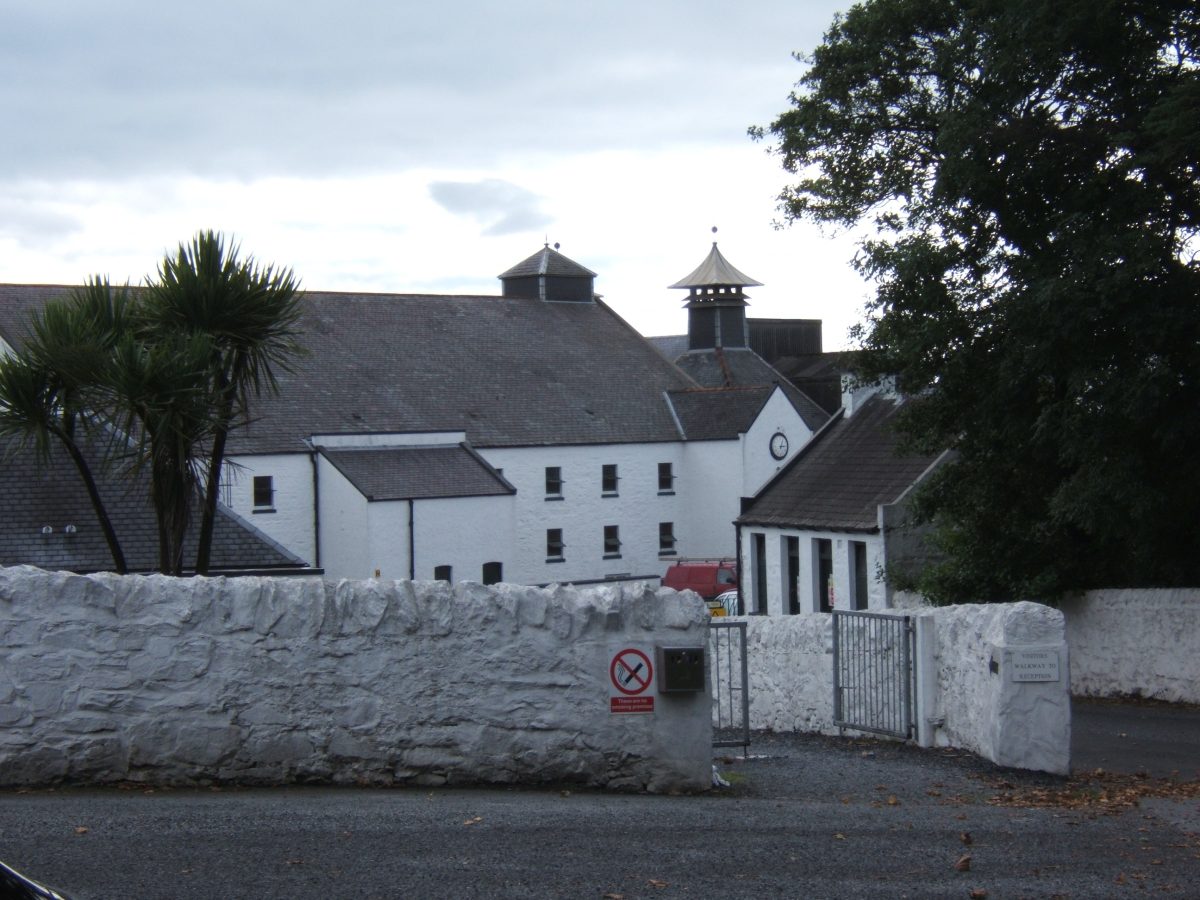
Islay is in second place with 478 bottles. That is striking, because Islay is one island with ten working distilleries, compared with several dozen in Speyside. That it still ranks so high is because the island gets a lot of attention from independent bottlers, and because several distilleries there run multiple separate ranges side by side.
Campbeltown and the Lowlands: the two small ones
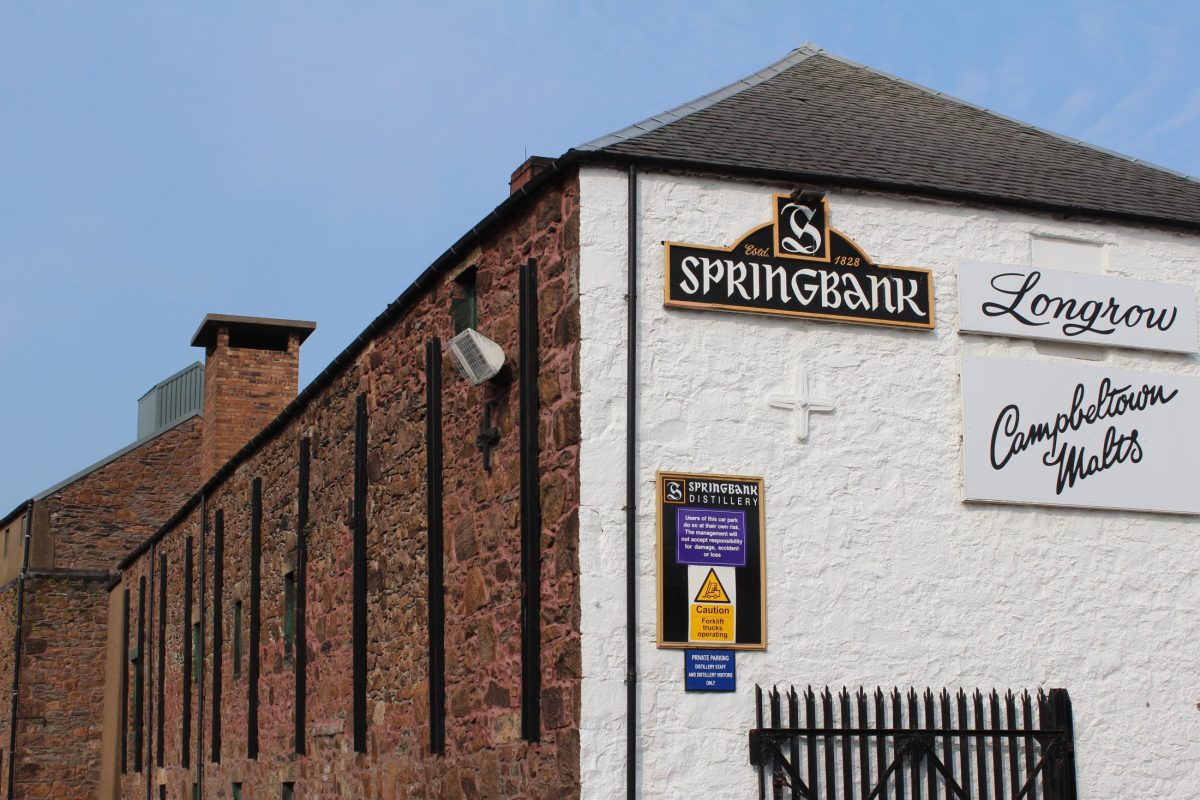
Campbeltown is the smallest of the five, and that is clearly visible with us: 68 bottles. In the nineteenth century it was different. The little town at the end of the Kintyre peninsula then had dozens of distilleries and called itself the whisky capital of the world. Cheap coal from its own mine, a harbour and fast boats to Glasgow made that possible.
Of all those houses three remain: Springbank, Glen Scotia and Glengyle, which bottles whisky under the name Kilkerran. Springbank and Glengyle are under the same management and share staff. Springbank is also one of the few places in Scotland where the whole process, from malting the barley to bottling, happens on its own site.
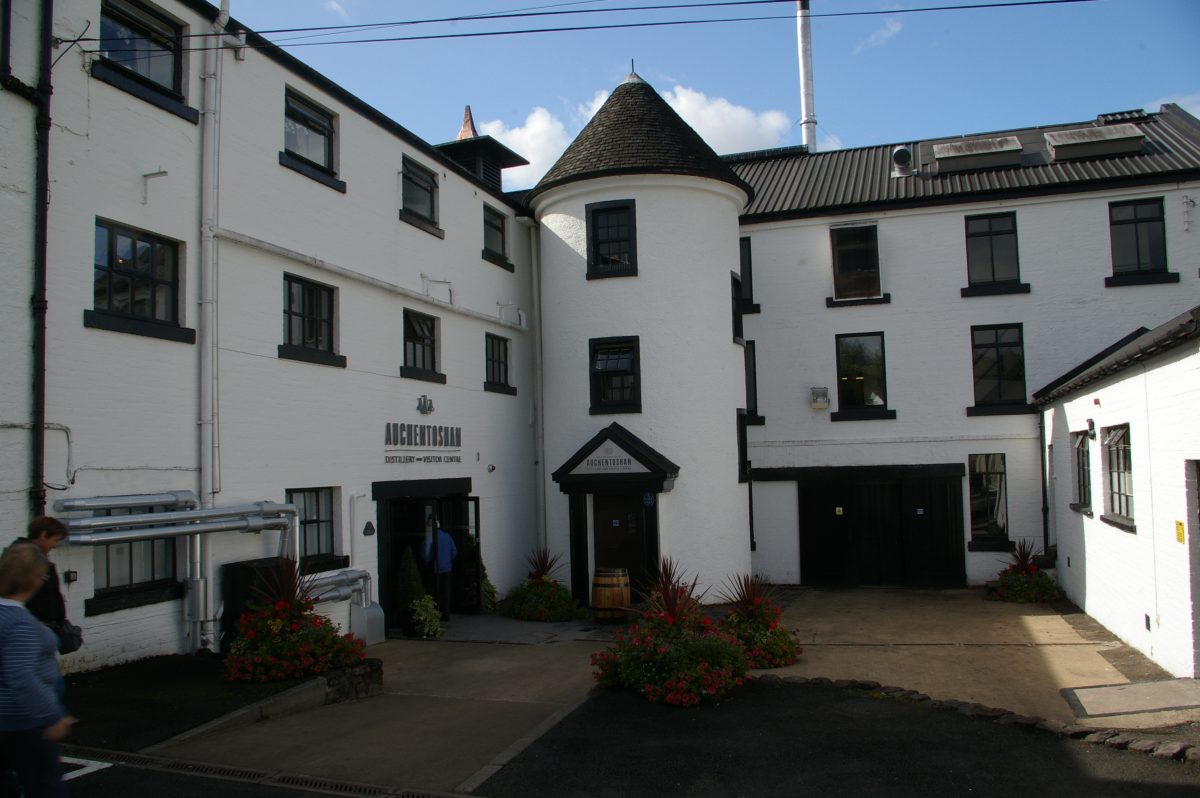
The Lowlands are in fact large in area and small in range: 102 bottles with us. Everything south of the imaginary line that runs roughly from the Clyde to the Tay belongs to it, including Glasgow and Edinburgh. For a long time this was mainly the area of the big grain distilleries that supplied the base material for blends, while only a handful of malt distilleries remained.
That has changed over the last fifteen years. New houses have been added, and old ones have restarted. The Lowlands also have the tradition of triple distillation instead of double, something you rarely come across elsewhere in Scotland.
The Highlands, and what a region does not tell you about flavour
The Highlands are by far the largest area: everything north of that line, plus all the islands. From the west coast near Oban to the north coast at Thurso, and from Fort William to Aberdeen. We have 455 bottles under it. That is a region in name, but in practice a catch-all.
That brings us to the honest part of this story. The five regions say little to nothing about how a whisky tastes. Two distilleries a few hundred metres apart can make completely different spirit. What determines the character is the shape and size of the stills, how fast distilling is done, where the stillman makes the cut, whether the malt was dried over a peat fire, and above all the kind of cask the stuff has lain in for years.
The region does not predict that. Peated whisky is made in Speyside, unpeated on Islay. The rules only prescribe where the still stands.
Something else to know: of our Scotch bottles, 827 have no region at all in our register. Those are mainly blends and bottlings where the distillery is not named. In a blend there are distillates from several regions in the same bottle, and then there is nothing to point to.
Where to start
The most practical way to get to know the regions is to put them side by side. Not to decide which is best, but to notice how much difference there is within a region. Below are four bottles from four areas and four different houses.
If you would rather search yourself, you can do so in the search engine of the wine & spirits shop. Or drop by in Bathmen or call 0570 541 278, and we will help you think it through.
Keep browsing
All Scottish bottles together are at whisky from Scotland. For Islay there is a separate page with the nine houses we carry from the island: Islay whisky. The starting point for everything we have in whisky is the whisky page, and the complete overview per house is in our brand register.
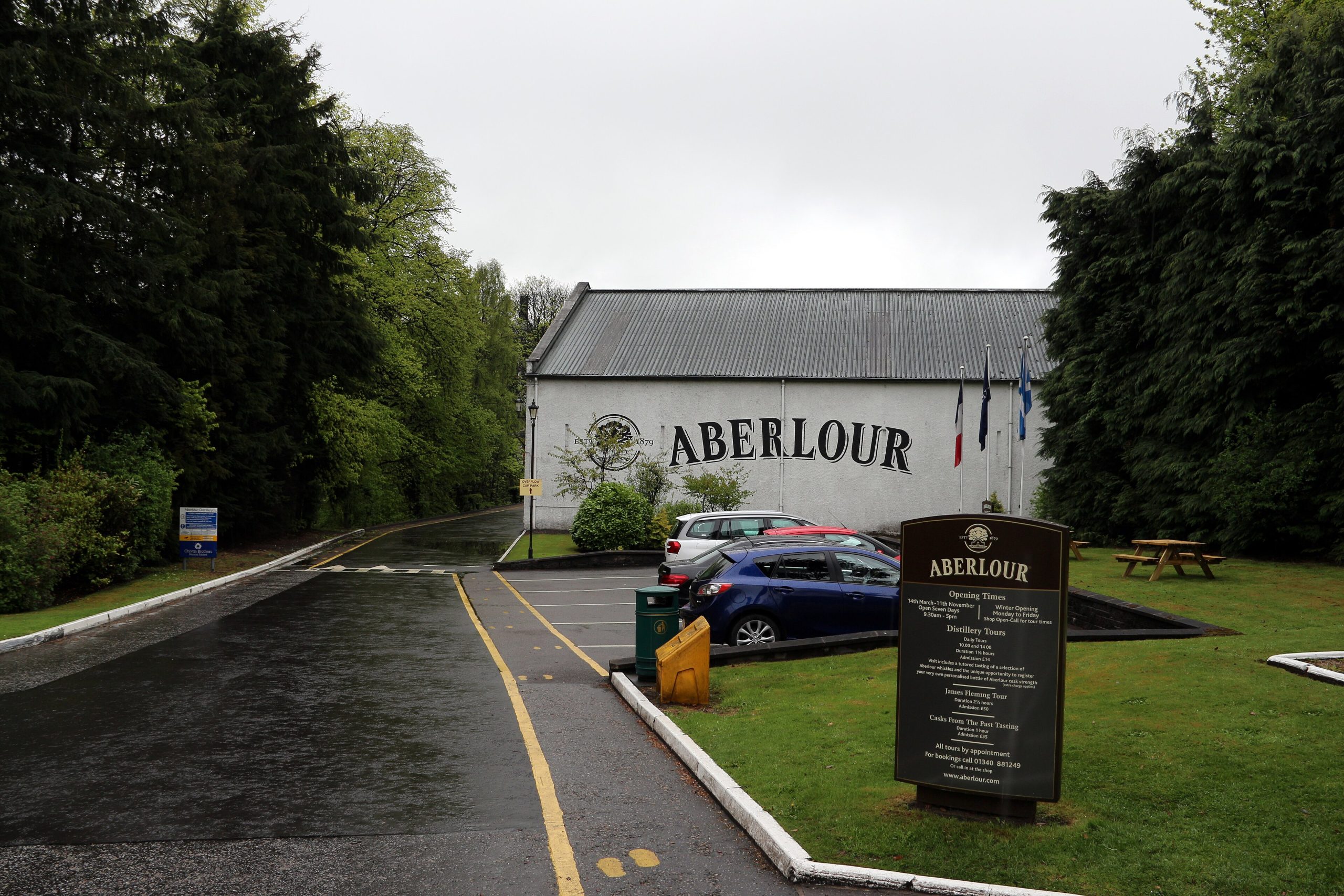
For each distillery you will find the background and the range. From Speyside, among others, Aberlour, The Macallan and Glenfiddich, from Campbeltown Springbank and Kilkerran, from the Lowlands Auchentoshan and Glenkinchie, and from the Highlands Oban and Tomatin.
If you want to compare Scotland with the other whisky countries, read Scotland, Ireland and Japan: three whisky countries side by side.
There is a separate article on three of those regions: peat and smoke, why Islay whisky is smoky, whisky from the Scottish islands and Campbeltown, the region that nearly disappeared.