Of the 3,784 whiskies on our shelves in Bathmen, 2,731 come from Scotland. Ask someone about Scottish island whisky and within two sentences the conversation turns to Islay. That is understandable, because no island has such a pronounced reputation.
But there are seven other islands with a working distillery: Skye, Mull, Arran, Harris, Orkney, Jura and Raasay. Together they account for eleven brand pages on our site and well over a hundred and fifty different bottles. They are often lumped together, which is a pity, because they are less alike than you might think.
Islands is not a region but a collective name
The Scotch whisky regulations recognise five protected regions: Highland, Speyside, Lowland, Islay and Campbeltown. There are no more than that. Islands is not among them.
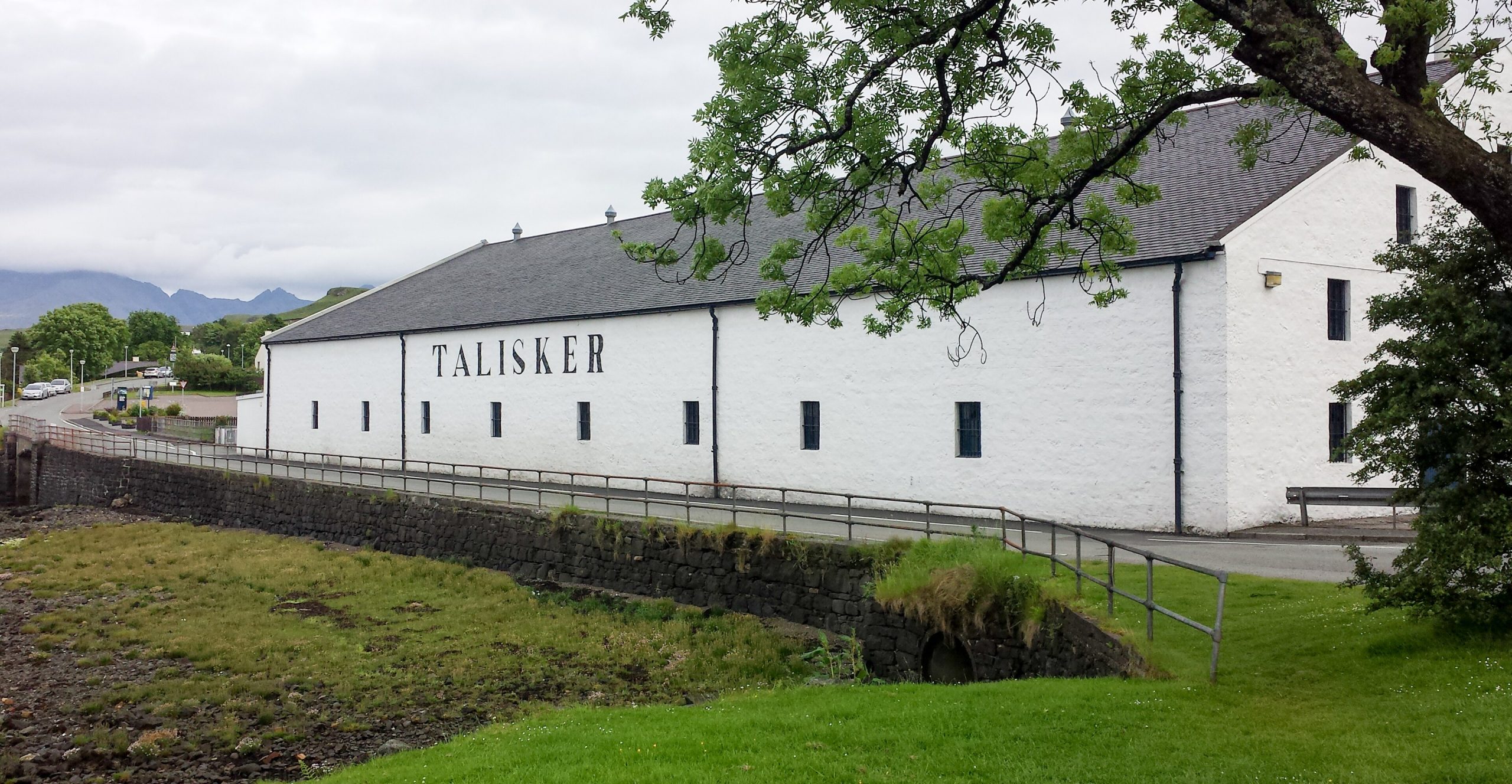
Formally, all the islands except Islay fall under the Highlands. A Talisker from Skye and a Highland Park from Orkney are legally simply Highland single malts, just like a bottle from Perthshire with no sea in sight. The regions were once drawn up as administrative areas, not as flavour areas, and Islay was the only island to get a place of its own because there were already far more distilleries there at the time than on all the rest put together.
The trade found that awkward and started using Islands as a separate label. We do the same ourselves. Above our pages for Talisker, Arran, Ledaig and Highland Park the word Islands appears, not Highlands. It is not a legal term, but it is the term that gets you further in a wine & spirits shop.
What the islands do have in common
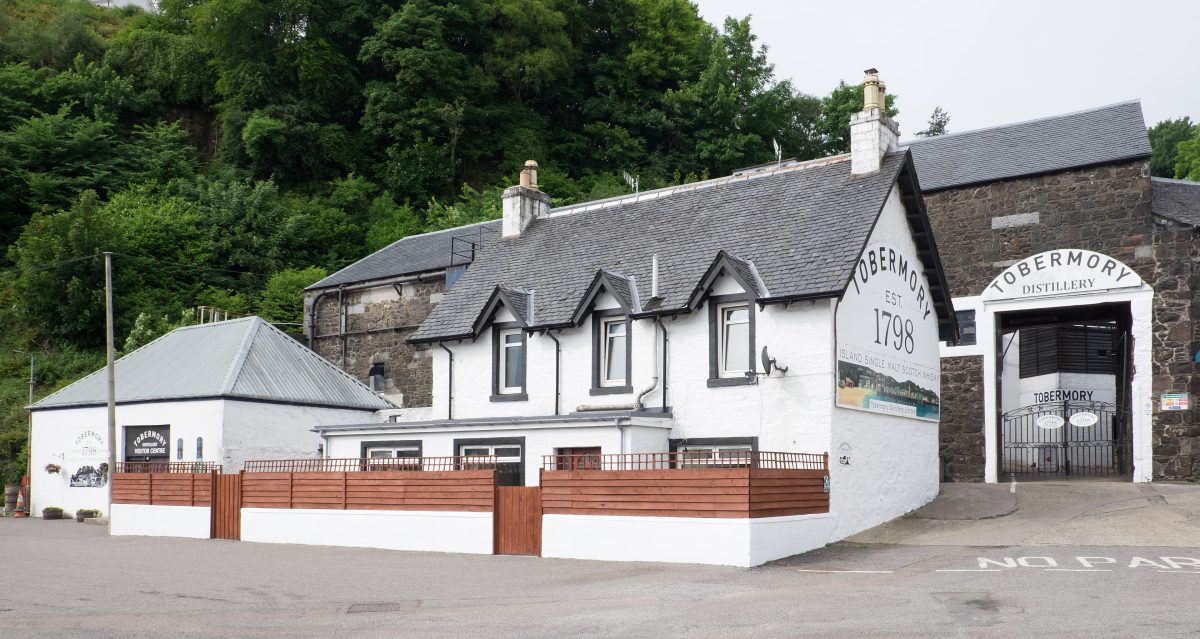
Three things come back on almost every island. The first is scale. An island distillery is almost always small, because everything that goes in and comes out has to go on the boat. Tobermory is the only distillery on Mull, Torabhaig only the second ever to be licensed on Skye, and on Raasay there are one hundred and sixty-one inhabitants, of whom over twenty-five work at the distillery.
The second is peat. On most islands the wind leaves hardly any trees, so for centuries peat was used for firing and drying. That is not a rule but a habit, and it explains why smoke is so much more common on the islands than in Speyside.
The third is the location of the warehouses. They often stand a stone's throw from the water, and that means a humid, cool, constant maturation. How much sea actually ends up in the glass is claimed more than proven, so we stay well away from that. What the cask and the climate do can be followed, though.
And where they differ
Put the islands side by side and the picture falls apart. On Skye, Talisker has stood on Loch Harport since 1830. The house still condenses with worm tubs: the vapour cools in a long copper coil in a tank of water, which gives less copper contact and therefore a heavier distillate. Only in 2017 did Torabhaig bring a second licence to the island, almost two centuries later.
On Mull, Tobermory runs under two names. Unpeated, the whisky is called Tobermory; peated, it is called Ledaig, from malt of thirty to forty ppm. The same stills, the same floor, two completely different bottles.
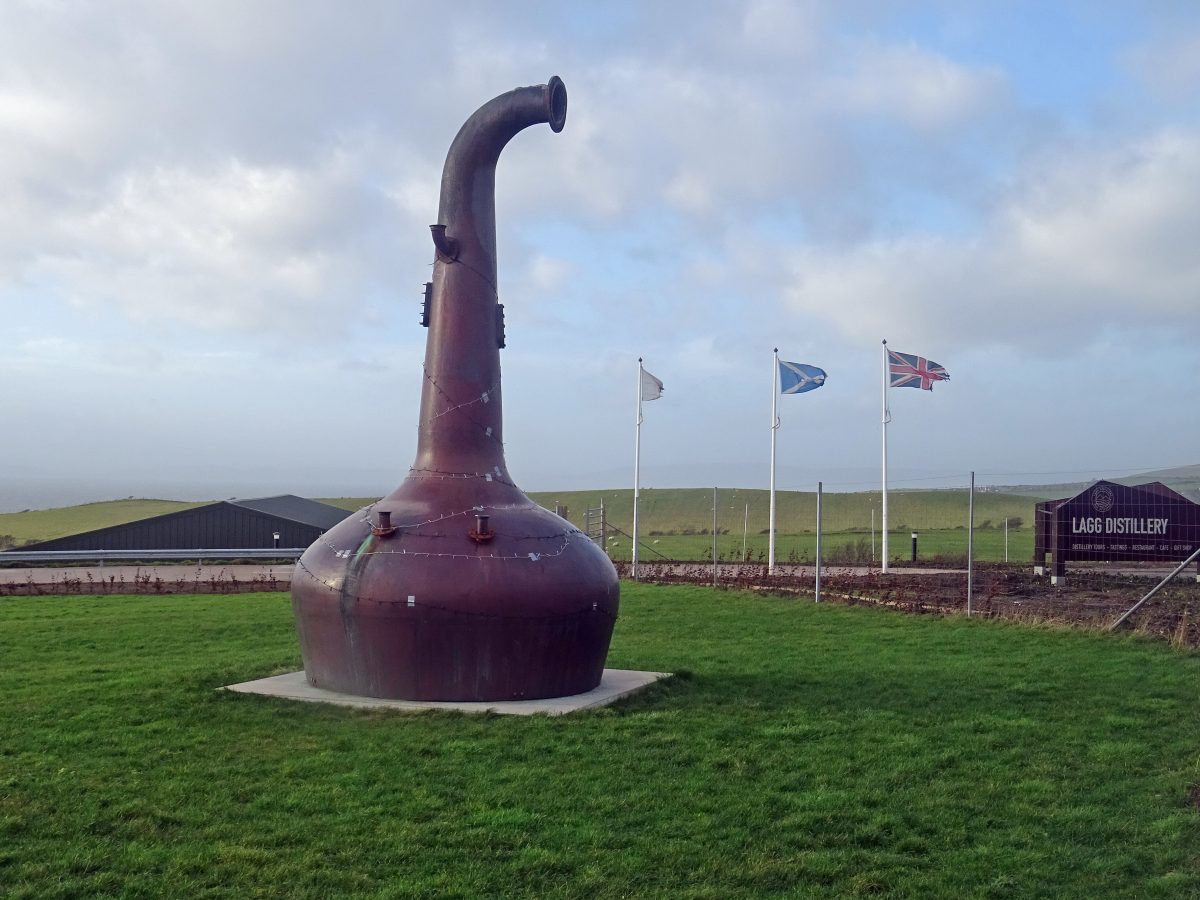
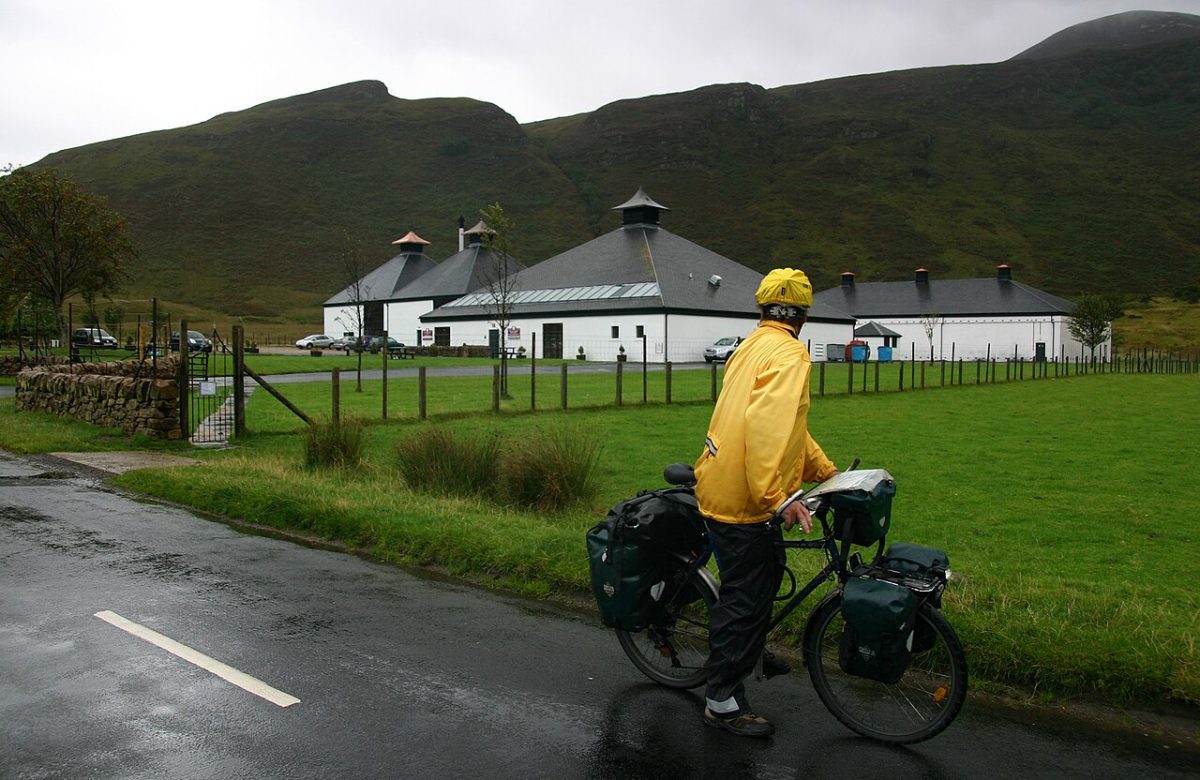
Arran is the young island. The distillery near Lochranza opened in 1995, the first legal one on the island in about a century and a half, and in 2019 Lagg was added in the south, which works exclusively with heavily peated malt. On Jura there are lantern-shaped stills almost eight metres high; the taller the still, the more heavier components fall back and the lighter what remains.
On Orkney two distilleries lie eight hundred metres apart and do the opposite. Highland Park still malts part of its barley itself and dries it over peat from Hobbister Moor. Because hardly any trees grow on Orkney, that peat consists of heather rather than decayed wood, which gives smoke that is floral rather than medicinal. Scapa, the neighbour, uses zero ppm.
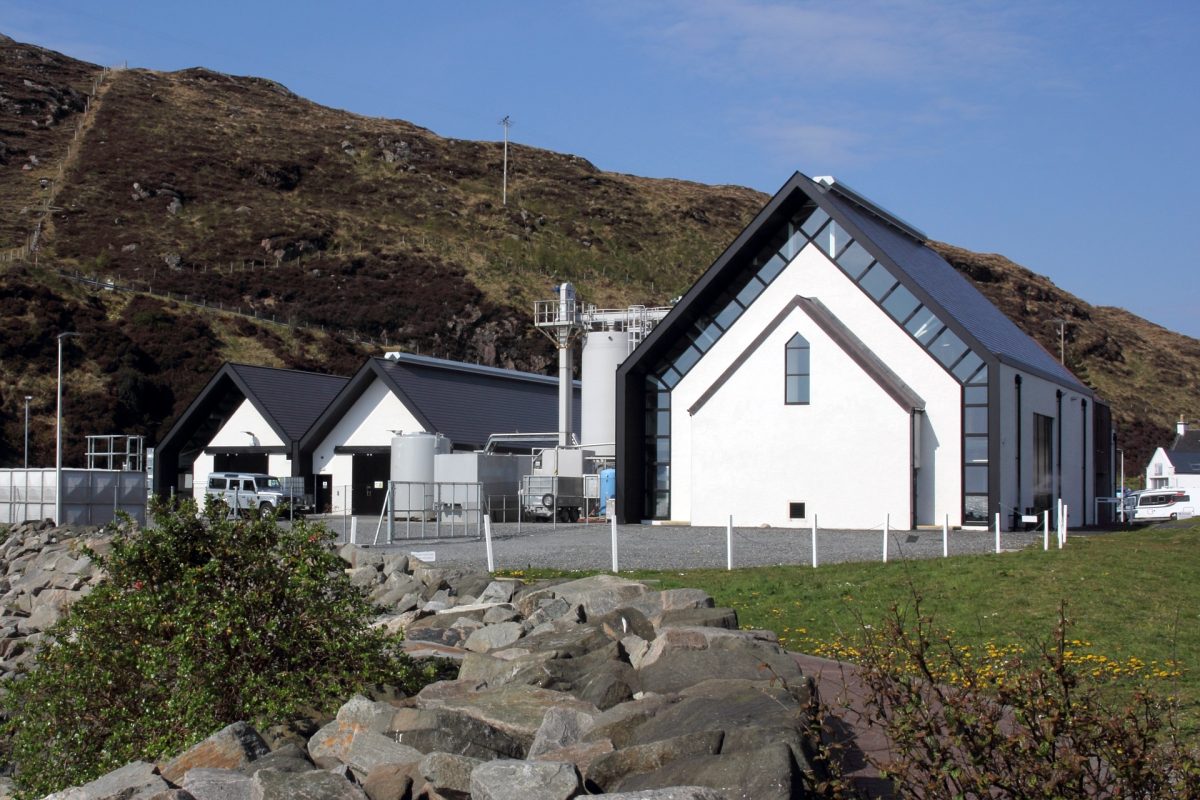
The two youngest names are in the north-west. Isle of Harris opened in 2015 in Tarbert and lets its mash ferment for seventy-two to one hundred and twenty hours, much longer than usual. Isle of Raasay builds its regular recipe from six cask types, peated and unpeated mixed together, and also sells those six separately.
What the word island whisky does not guarantee
Here we must be honest. Because Islands is not a protected region, those islands say nothing on the label about how the whisky is made. There is no rule whatsoever stipulating that island whisky must be smoky. Scapa and Highland Park lie on the same island and sit at zero and at heavily peated; Arran and Lagg belong to the same company and do exactly the opposite of each other.
Also watch out for names. Isle of Skye is a blend by Ian Macleod and not a whisky from a Skye distillery. The Six Isles is a blended malt composed of malts from six islands. Both are fine bottles, but they are not single malts from one island. If no distillery is on the label, just ask us. We will find it out for you.
Where to start
If you would like to get to know the islands beyond Islay, the best approach is to set four bottles from four islands side by side. Not to decide which is best, but to notice how far apart they are. What suits you depends on what you drink now. Visit us at Brink 2 in Bathmen or call +31 570 541 278, and we will help you choose.
Keep browsing
All Scottish bottles are together at whisky from Scotland, and the island that does have its own region you will find here: Islay. If you want to look more broadly, on our whisky page you will find the complete range and at all whisky brands the houses we carry, from Aberfeldy to Yamazaki.
If you would rather search yourself straight away, use the wine and spirits shop’s search function.