The short answer to this question is on the question page What is the difference between vieux and cognac?. Below you can read the full story behind it.
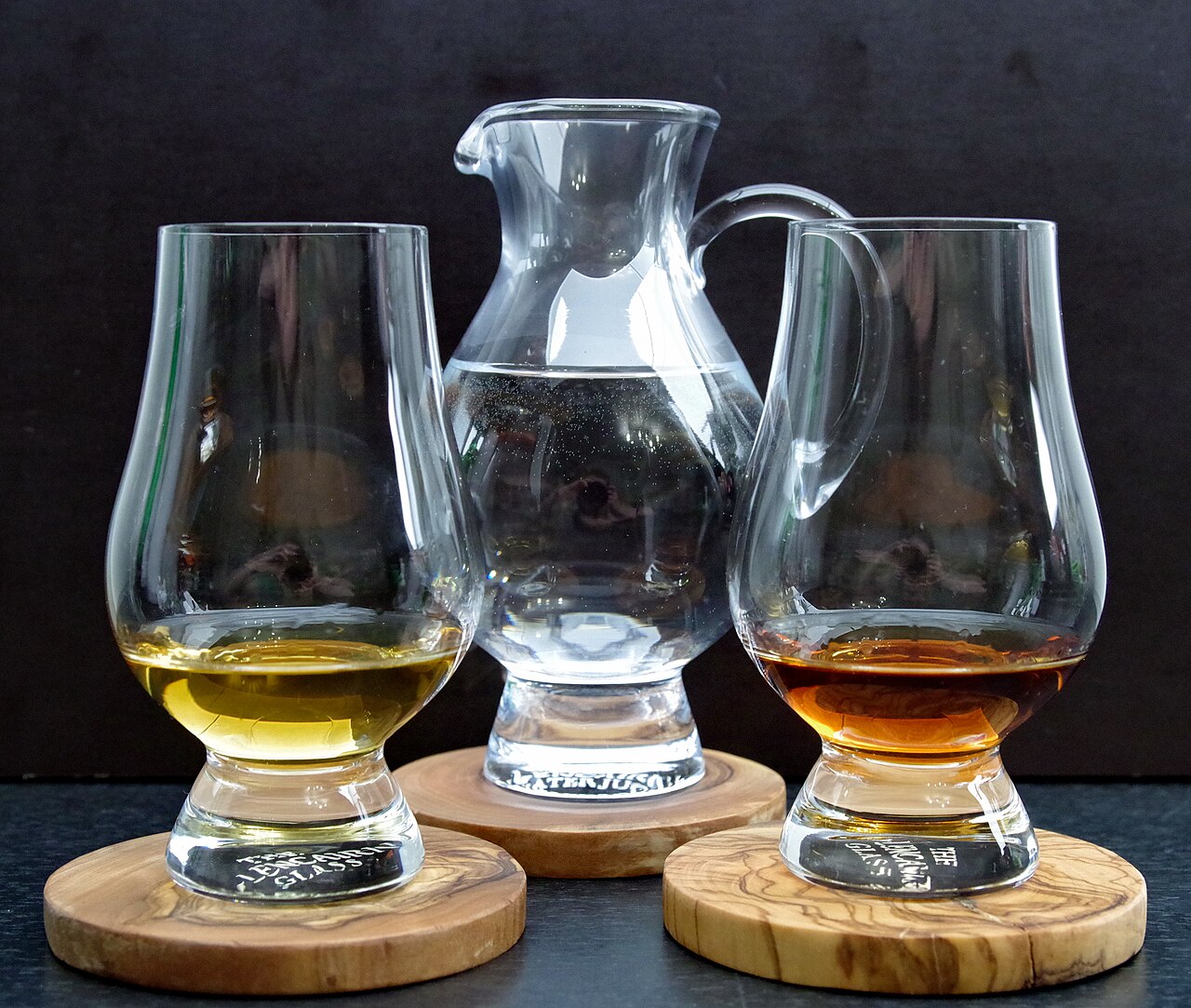
At our shop in Bathmen there are nine bottles of vieux, from nine different Dutch brands. A few metres further on stand well over a hundred cognacs. The two cabinets look alike: brown spirits, round bottles, French words on the label.
Yet there is no grape in those nine bottles. Vieux may not be called cognac, and the reason is not only that it comes from the Netherlands. There is something else in it.
What vieux may legally contain
In the Netherlands, vieux is a protected designation with its own definition. It is set out in article 7j of the Warenwetbesluit Gereserveerde aanduidingen (Commodities Act Decree on Reserved Designations), and it is shorter than you might think. Vieux is a spirit drink that:
- is light to dark brown in colour;
- is made from ethyl alcohol from agricultural products;
- contains aromatic flavourings which give the drink the aroma of a spirit distilled from wine;
- may have a sugar content of no more than 20 grams per litre;
- may contain colorants;
- has an alcohol content of at least 35 percent.
Read that third point again. It does not say that it must contain wine. It says that it must contain flavouring substances that give the drink the aroma of a spirit distilled from wine. That is a description of a resemblance, not of a raw material.
Ethyl alcohol from agricultural products: what it is
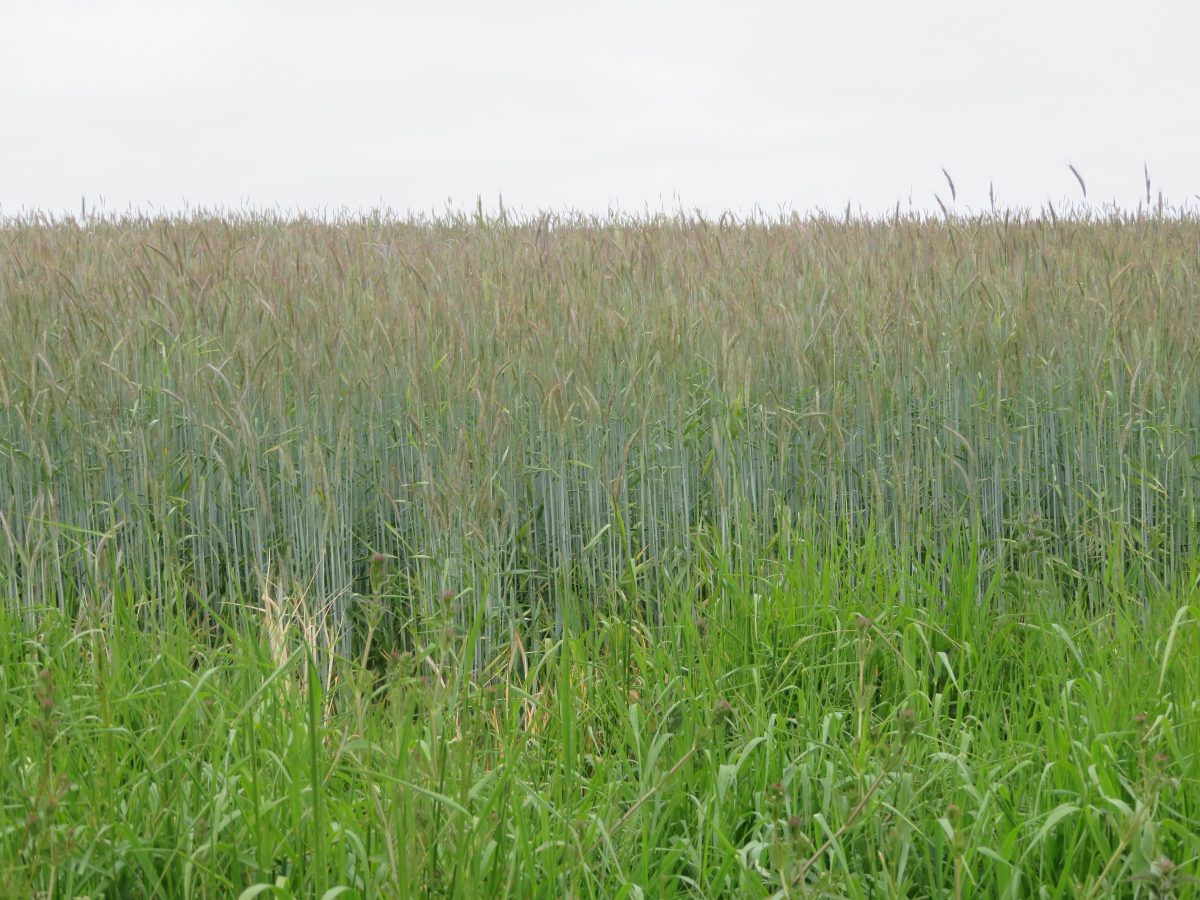
Ethyl alcohol of agricultural origin is a European-defined raw material. It is alcohol distilled to above 96 percent and which therefore carries almost no smell of its own raw material any more. Whether it comes from grain, beets or molasses makes little difference to the end result; that is precisely the intention.
In the Netherlands it is usually grain. That is why vieux, unlike cognac, is not a grape distillate and has no vintage behind it. No wine is harvested, pressed and distilled. Neutral alcohol is bought in, diluted and brought to the desired flavour and colour.
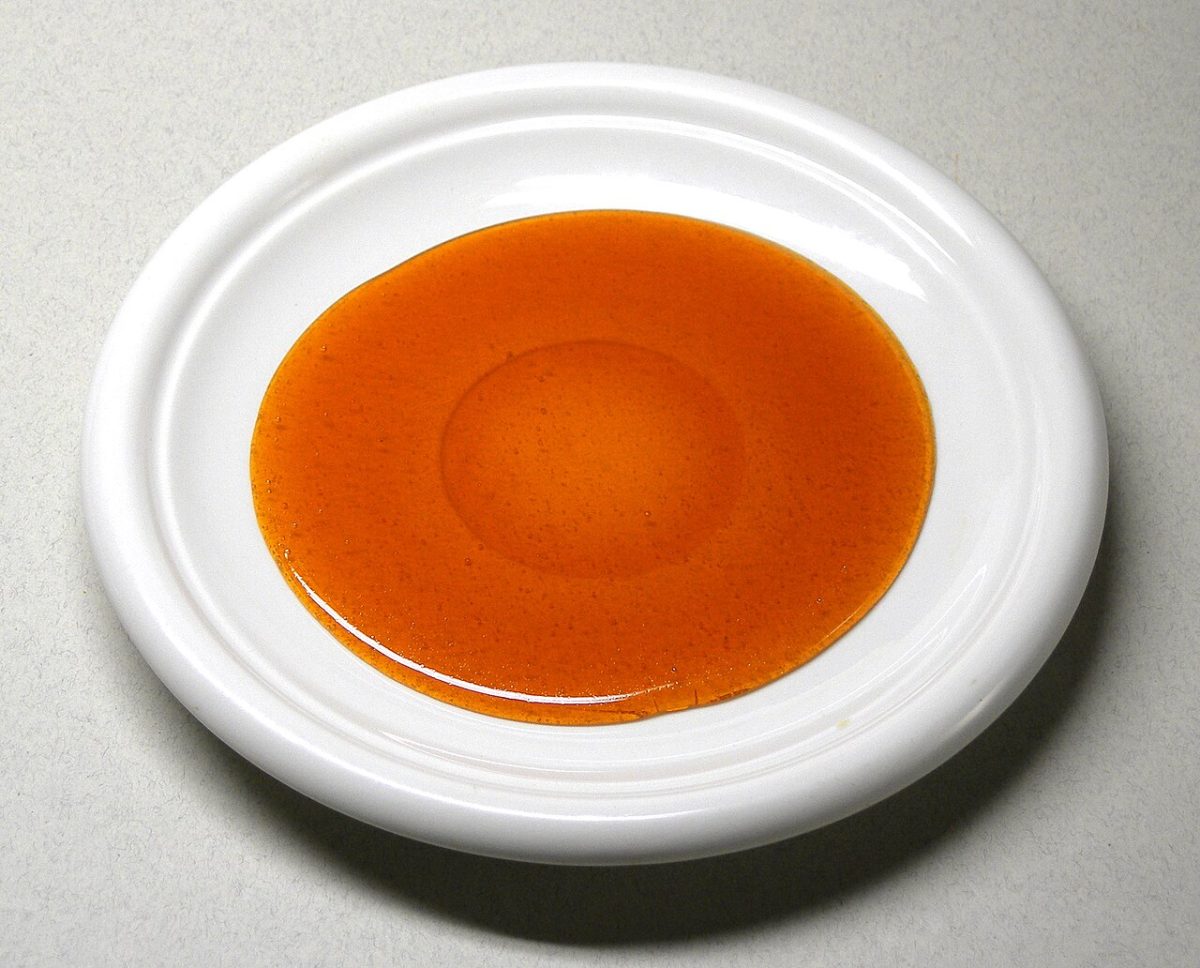
The colour comes from colouring, and the regulation says so in so many words. The wood tone comes from flavourings. Some houses leave a portion in cask or add a small share of grape distillate, but nowhere is that mandatory.
Why it may not be called brandy either
Many people think that vieux is a Dutch brandy. That is not correct either, and not because brandy would have to come from France. Brandy is a European category with its own requirements.
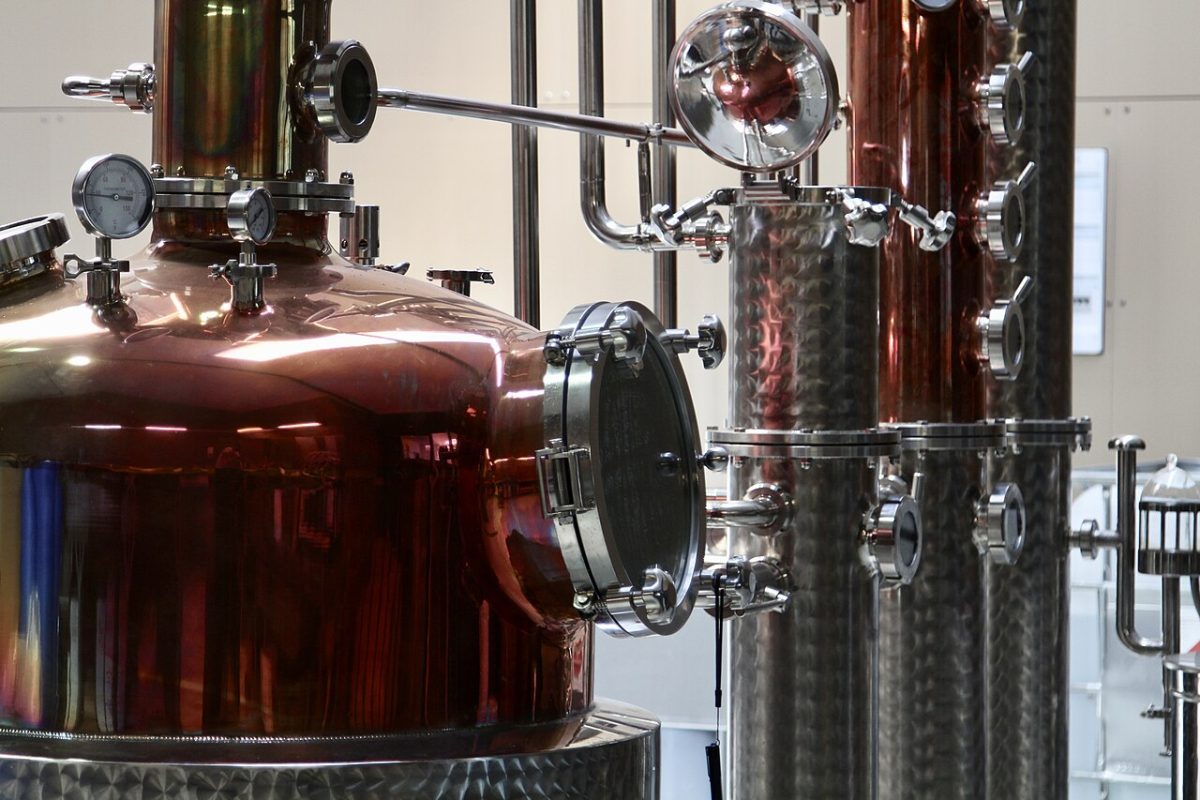
Brandy must be made from wine spirit, must spend at least one year in oak casks of a thousand litres or six months in smaller casks, and must contain at least 36 percent alcohol. And then the rule that closes the door: brandy may not be flavoured. Caramel is permitted, but only to adjust the colour.
Vieux works exactly the other way round. The aromas are the core of it. That is why it falls outside the brandy category and has been given its own Dutch designation.
Why it may not be called cognac
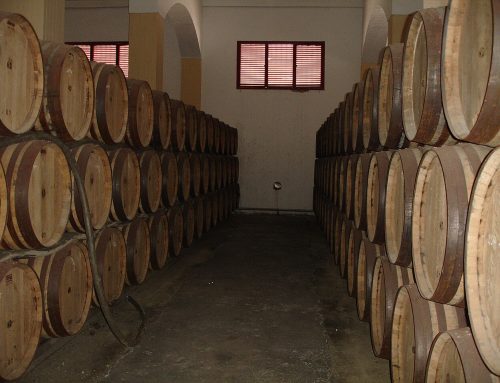
Cognac is a protected designation of origin. It comes with a delimited area, around the town of Cognac in the Charente and the Charente-Maritime, and a set of rules that fixes the grape varieties, prescribes double distillation in a copper alambic charentais, ends distillation on 31 March after the harvest and requires at least two years of maturation in oak. The bottle must contain at least forty percent.
A product that meets none of those requirements may not bear the name, not even in a watered-down form. Dutch cognac does not exist as a designation, and the word cognac may not be used as a comparison on the label either. That Dutch producers have since started calling their product vieux, French for old, is itself a consequence of that ban.
It is worth not laughing this off. Vieux is exactly what the regulations describe, and the regulations are honest about it.
Vieux and brandewijn: almost the same text
Two articles further on in the same Warenwetbesluit is the definition of brandewijn, and it resembles that of vieux surprisingly closely. Brandewijn must be practically colourless, is likewise made from ethyl alcohol of agricultural origin, may likewise contain at most twenty grams of sugar per litre and must likewise have at least 35 percent alcohol.
The difference lies in two things. Brandewijn is clear and vieux is brown. And brandewijn is distilled over acidifying substances, fruits or seeds, or gets aromas that give it its own character; with vieux, those aromas must instead taste of spirit distilled from wine.
Seen this way, Vieux and brandy are closer to each other than Vieux and cognac. That is not an opinion, it is the order in which they are written down in the law.
What you can see on the bottle
The clearest characteristic is the percentage. Seven of our nine vieux are at exactly 35 percent, and that is no coincidence: that is the lower limit from article 7j. Cognac starts at forty.
In addition, vieux lacks all the designations that belong to grape distillate. No region, no cru, no vintage. Where a cognac bottle says VS, VSOP or XO, a vieux bottle usually carries only the brand name.
Apart from the sugar content, there is also little to look for on the label. Vieux may contain at most twenty grams of sugar per litre, but that figure does not have to be stated.
Where to start
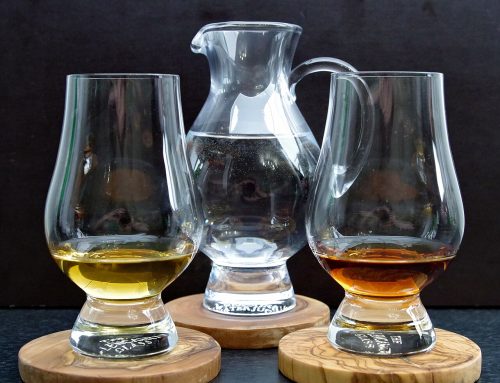
If you would rather taste the distinction than read about it, it is best to set a vieux and a simple cognac side by side. The difference is not in the colour, because that has been adjusted in both, but in what lies beneath.
If you want to know what is known about a particular bottle, come in or call 0570 541 278. We check per bottle what the manufacturer itself states, and where it states nothing, we say so too.
Keep browsing
All nine bottles are on our vieux page, and with the wine & spirits search engine you can browse them. You will find the brands here: De Kuyper, Dujardin, Henkes, Hooghoudt, Hoppe, Legner, Parade, Stoocker and Voerman.
You can make the comparison on the cognac page and the brandy page. How the cognac region is divided is explained in the crus of cognac, how it is distilled in how cognac is made, and what the letters mean in what VS, VSOP, Napoléon and XO mean. The other Dutch spirit is on our jenever page.
And how best to drink it is covered in vieux neat, with ice or in coffee.