The short answer to this question is on the question page What is crème de cassis?. Below you can read the whole story behind it.
Fourteen of the 696 liqueurs at our shop in Bathmen have crème de on the label. Crème de cassis, crème de cacao, crème de vanille, crème de kaneel. The word suggests cream, and that is exactly what it is not.
Crème de is a legal designation, and it concerns only one thing: sugar. Once you know that, you read the bottle differently.
Crème de is first and foremost a sugar standard
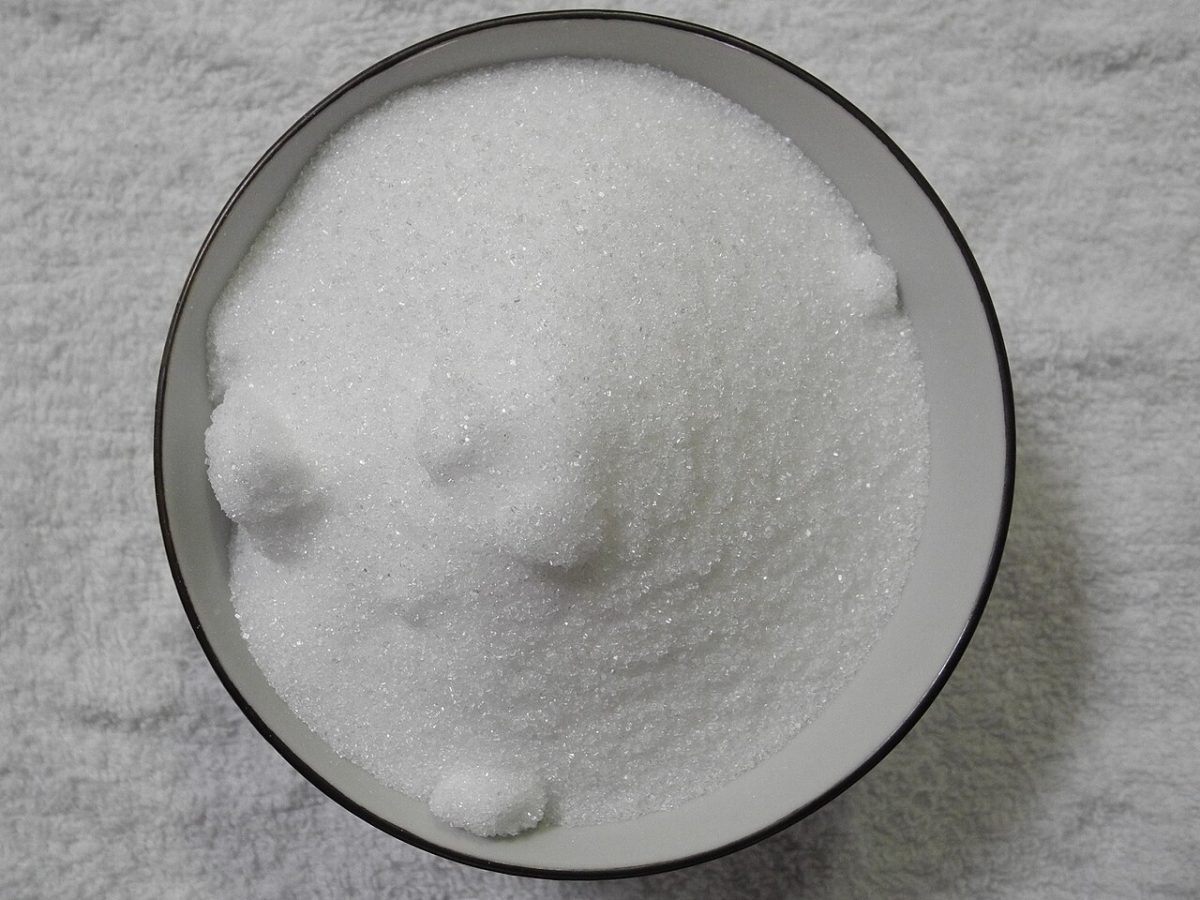
European regulation 2019/787 recognises crème de as category 34, followed by the name of the fruit or raw material used. An ordinary liqueur must contain at least one hundred grams of sugar per litre. For crème de that minimum is 250 grams per litre, expressed as invert sugar.
The minimum alcohol content remains fifteen percent by volume, just as with ordinary liqueur. So no alcohol is added, only sugar. A crème de is by definition two and a half times as sweet as the lower limit of the category it falls under.
That also explains the thickness. Sugar in that amount makes a drink syrupy. It is not cream and not dairy that does that, it is dissolved sugar.
Cassis has its own, higher limit
The regulation makes an exception for one name, and it is the best-known one. The designation crème de cassis may only be used for liqueurs made with blackcurrants that contain more than four hundred grams of sugar per litre.
That is four times the minimum for ordinary liqueur and well over one and a half times that for the rest of the crème de family. Blackcurrant is naturally distinctly sour, and that amount of sugar is needed to make something drinkable of it.
We stock ten bottles with cassis in the name. Four of them carry the designation crème de cassis. The other six are simply called cassis liqueur, or mention the blackcurrant only in the brand name. Those differences are no coincidence: the designation sets a requirement, and anyone who does not meet it does not put it on.
Crème de is not the same as cream
This is where things most often go wrong in the shop, partly because the two words look alike.
The regulation expressly allows a liqueur containing milk or milk products to be called cream, followed by the raw material that determines the flavor. That is a separate rule within the ordinary liqueur category. Cream liqueur, then, and we have 34 of them.
For crème de the reverse applies. Dairy products are excluded there. A crème de cacao contains no milk, however creamy it may seem. If you do want that creaminess, look for a cream or a crema, not a crème de.
The ingredient in the name must determine the taste
The rule contains one more provision that you can check on the label. The fruit or raw material in the name must also be the flavour that dominates. Crème de cassis must therefore taste of blackcurrant and not of a vague berry mix.
In addition, the word liqueur may be added after the designation, and the same rules on flavourings apply as for ordinary liqueur. For a number of fruits, including blackcurrant, only foodstuffs, flavouring preparations and natural flavouring substances may be used.
What the regulation does not set is a maximum. There is no upper limit on the amount of sugar, and there is no rule on how much fruit must be in it. Two bottles of crème de cassis can therefore both meet the rule and still be composed very differently.
Where the name becomes a brand name
Not every bottle with crème de in its name falls under category 34. In our own range we have a few at 14.9 percent, which is below the fifteen percent the designation requires. In those cases crème de is part of the brand name and not the legal designation.
That is no reproach to the maker: a brand name may contain anything as long as the legal designation is stated separately. It only means that you have to read the alcohol percentage as well to know where you stand. Below fifteen percent it is not a liqueur, so not a crème de either.
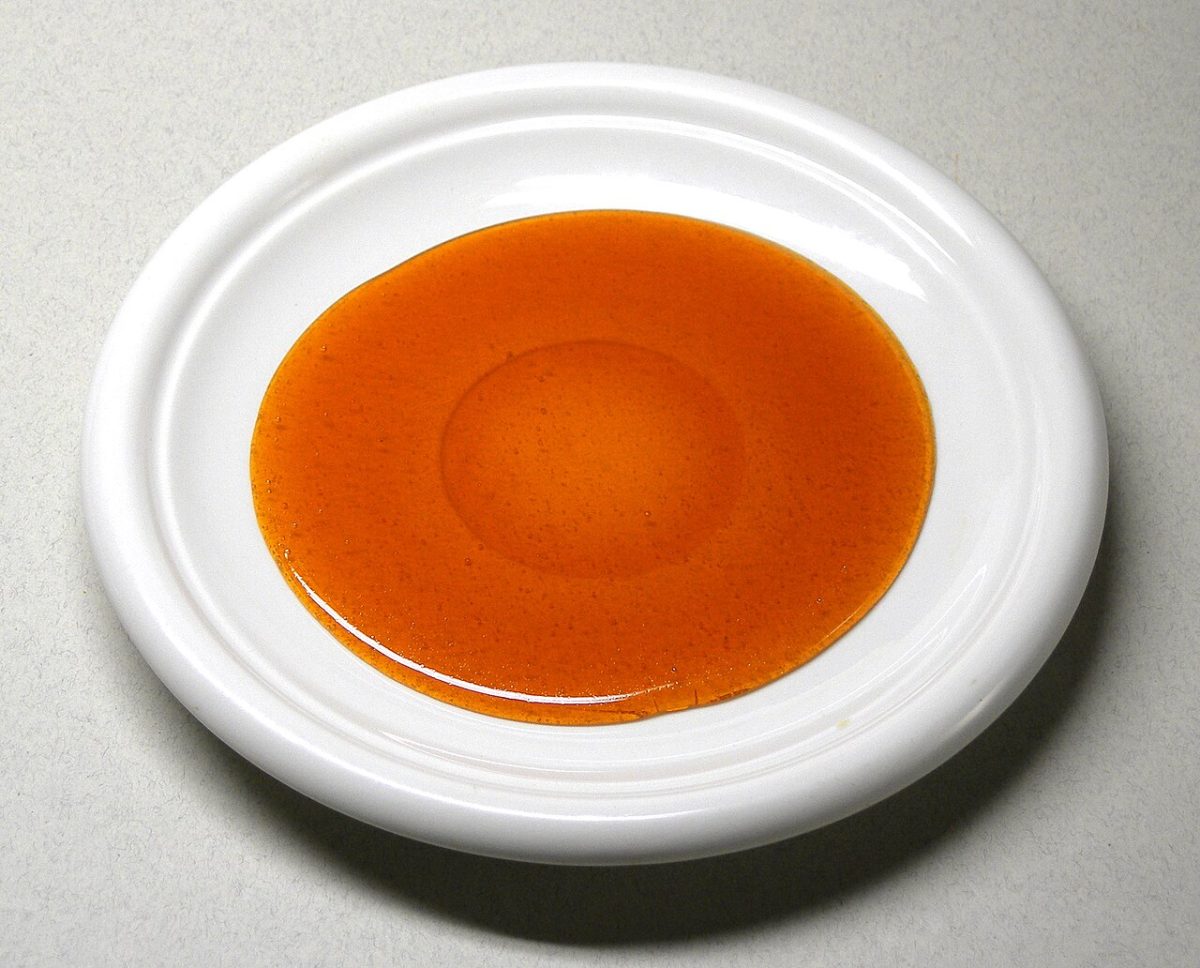
Which “crème de” names you will come across
Our fourteen bottles are divided among a handful of base ingredients. Cassis is the largest group, followed by cocoa, and there are also vanilla, cinnamon, caramel and mocha. Cocoa comes in two versions, white and brown, and that difference lies in the preparation and not in the sugar standard.
Some names you come across in cocktail books we do not stock. Crème de menthe, for example, is not currently in our range. A mint liqueur without that designation is, and that is precisely the distinction: the same flavour, a different name, and therefore a different sugar standard.
France is the country of origin par excellence for this group, with Burgundy as the cradle of blackcurrant liqueur. Yet most of our crème de bottles come from the Netherlands. Dutch distillers have used the designation for generations, and use the French word just as the rest of Europe does.
Where to start
Crème de cassis is the best-known application, and it is classic: a splash at the bottom of the glass, topped up with dry white wine. With sparkling wine the same combination goes by a different name, but the proportion stays the same. Crème de cacao and crème de vanille more often go into the kitchen than the glass.
What suits you depends on what you want to do with it. Come by in Bathmen or call 0570 541 278, and we will work it out together.
Keep browsing
All bottles are brought together on our liqueur page. By house you will find what we stock: Bols, De Kuyper, Giffard, Van Wees, Kalkwijck and Sisca. You can search yourself with the search engine for our range.
We wrote about the fifteen-percent limit that keeps coming back above in Liqueur or likorette. Another group of names without legal status is covered in Triple sec, curaçao, Cointreau and Grand Marnier told apart.