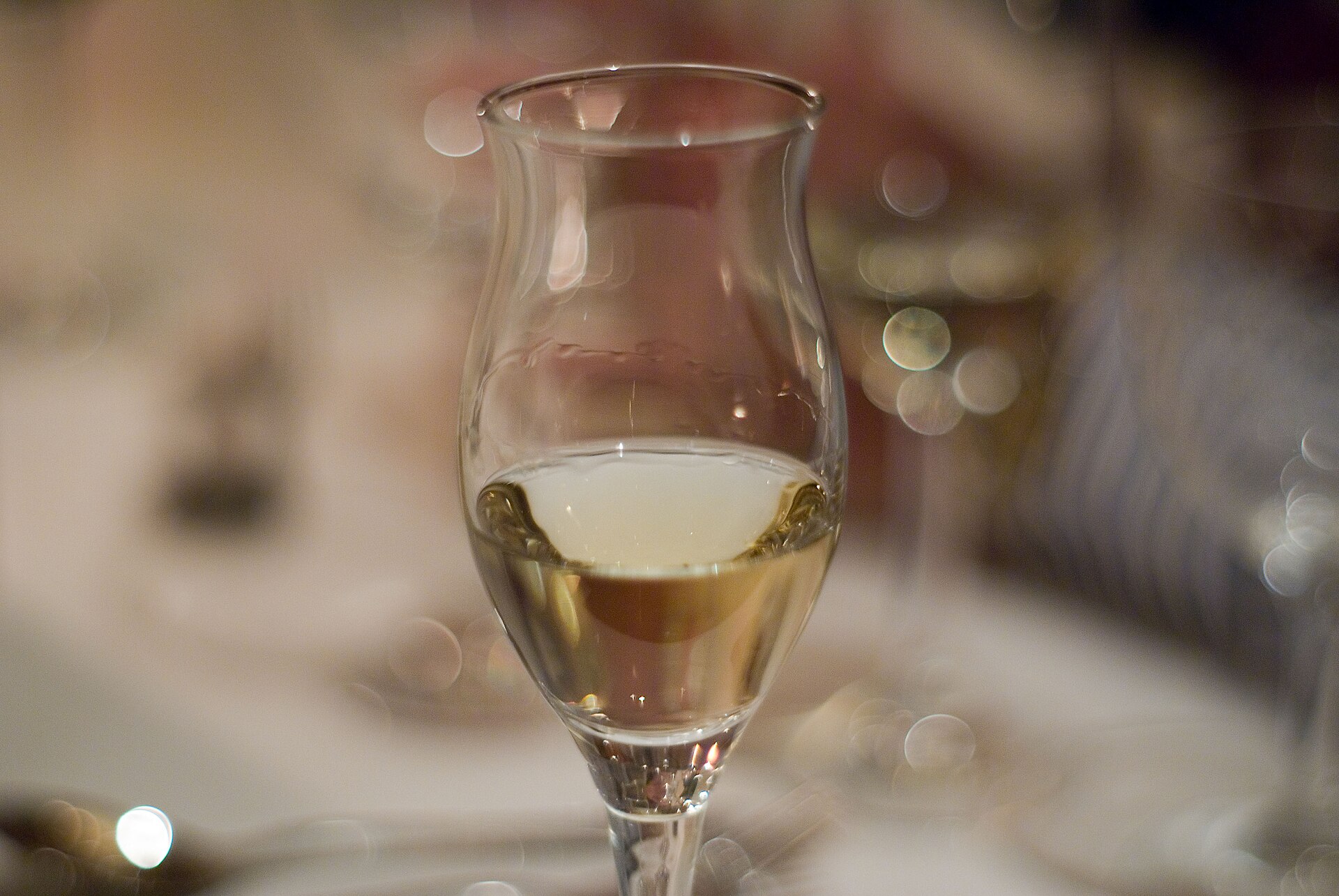
The short answer to this question is on the question page How do you drink grappa?. Below you can read why the advice on serving temperature varies so widely.
Of the 39 grappas on the shelf with us in Bathmen, 19 are cask-aged. That is no detail for collectors. It is precisely the difference that determines how cool you put the bottle on the table.
Look up how to drink grappa and you get numbers that contradict each other. Nine degrees, twelve, fifteen, twenty. They all come from somewhere, and it helps to know where.
First check whether wood was involved
All advice starts with the same question: has this grappa been in a cask or not.
A clear grappa, labelled bianca, giovane or cristallo, has never been in wood. What is in it comes from the grape pomace it was distilled from. If it says invecchiata, vecchia, riserva or stravecchia, there are months of oak behind it, and that changes the bottle profoundly.
On our shelf, that second group is by far the largest. Nineteen of the 39 bottles are cask-aged; the rest are clear or name a grape variety instead of an ageing designation. What those words require exactly is explained in bianca, invecchiata, barricata or riserva.
Two Italian sources, two different temperatures
The Consorzio Nazionale Grappa recommends 9 to 13 degrees for young and young aromatic grappa, and about 17 degrees for aged grappa.
The ANAG, the Italian association of grappa tasters, arrives in its ten rules at 15 to 18 degrees for young grappa and around 20 degrees for aged and riserva.
That is a difference of six degrees or so, and both sides have a point. Cold keeps the alcohol sting small, but also keeps the aroma locked in the glass. Warmer releases more, up to the point where you mainly smell alcohol. With a clear grappa of 40 per cent that point is reached sooner than with a riserva that has spent years in wood.
What they do agree on: aged is served warmer than clear, and neither mentions the freezer. The Consorzio even recommends letting a cool-poured grappa warm up in the palm of your hand. That is also the practical way out of those six degrees. Pour on the cool side, wait a few minutes, and smell again along the way.
The glass: a tulip, not a balloon
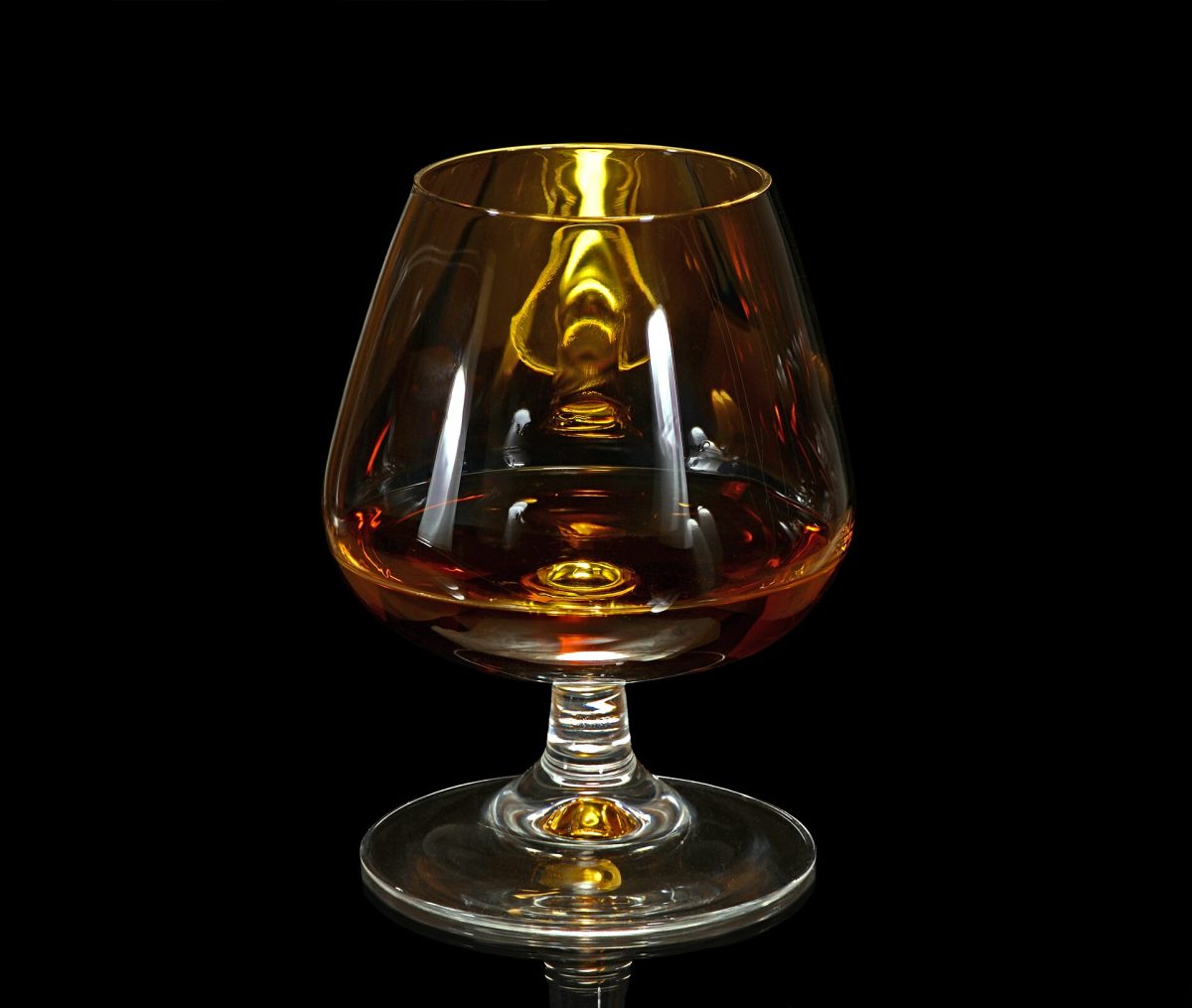
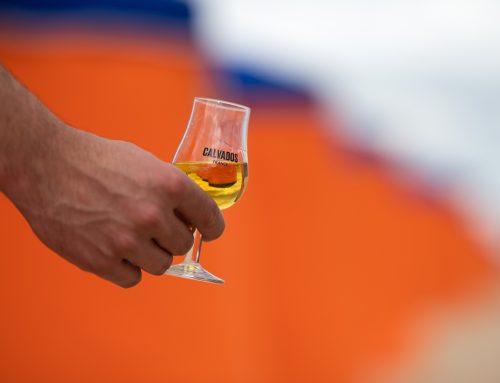
On the glass, the sources do agree. The Consorzio specifies a tulip glass of 100 to 150 millilitres, with a rounded bowl and not too narrow at the rim. Balloon glasses with a narrow opening are expressly advised against.
That is annoying if you have a cupboard full of cognac balloons. Such a glass is made to let a drink at room temperature breathe, and it concentrates the vapour exactly where your nose goes. For cognac that works; with a clear grappa it mainly gives you a sting. How it works with cognac, you can read in drinking cognac: which glass, which temperature.
A straight shot glass is the other side of the same problem. It holds on to nothing at all.
How much belongs in the glass
The ANAG is brief about this: do not fill it, but only up to halfway up the bowl of the tulip. In practice that comes down to 2 to 4 centilitres.
There is a reason for that. Under the European rules for spirit drinks, Grappa IG contains at least 37.5 per cent alcohol, and on our own shelf it ranges from 38 to 43 per cent. The more liquid in the glass, the more vapour above it. So smell with the glass a little way from your nose, not with your nose in the glass.
When: after the meal, and usually only after the coffee
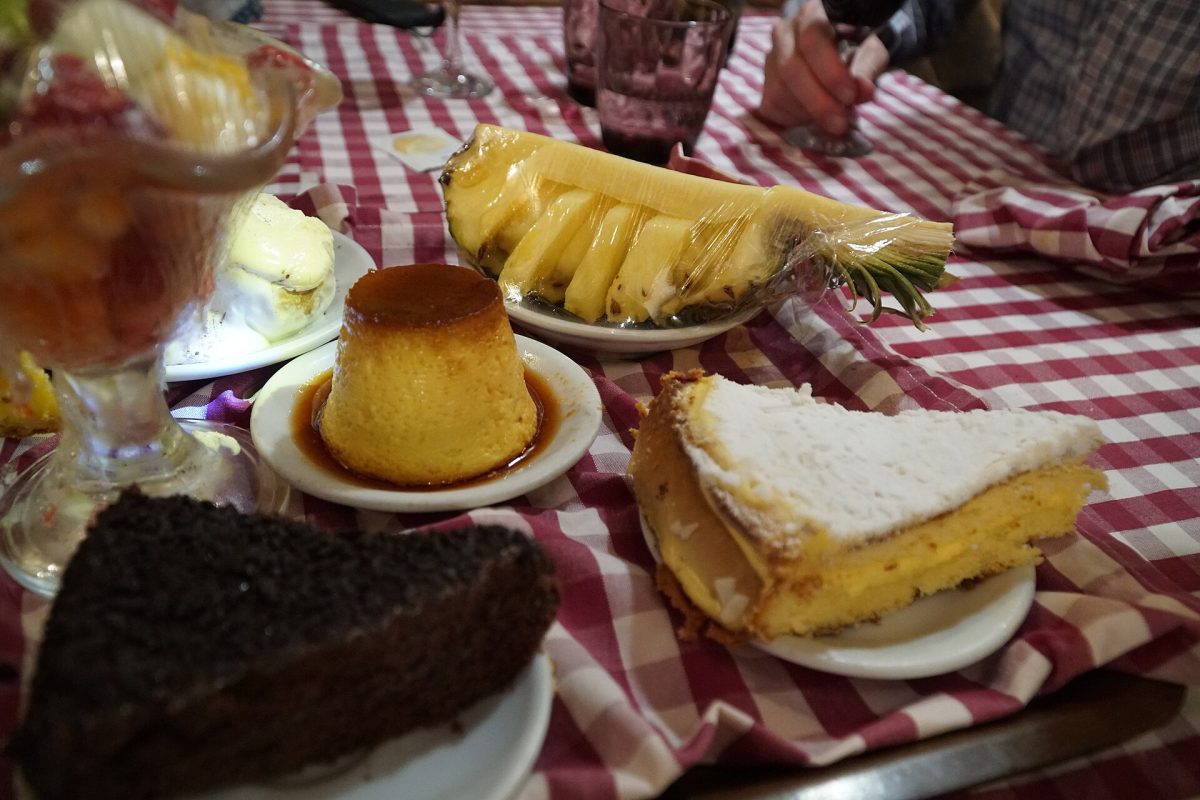
In Italy, grappa is a digestif: the drink after the meal. Not before, not during the meal, and usually not with the dessert itself either, but after.
What is often said about digestion is something a wine and spirits shop may not claim. Health claims are prohibited on drinks with more than 1.2 per cent alcohol. A digestif is therefore a custom at the table and a choice of taste, nothing more. What else falls under it is on our page what is a digestif.
Caffè corretto, resentin and ammazzacaffè
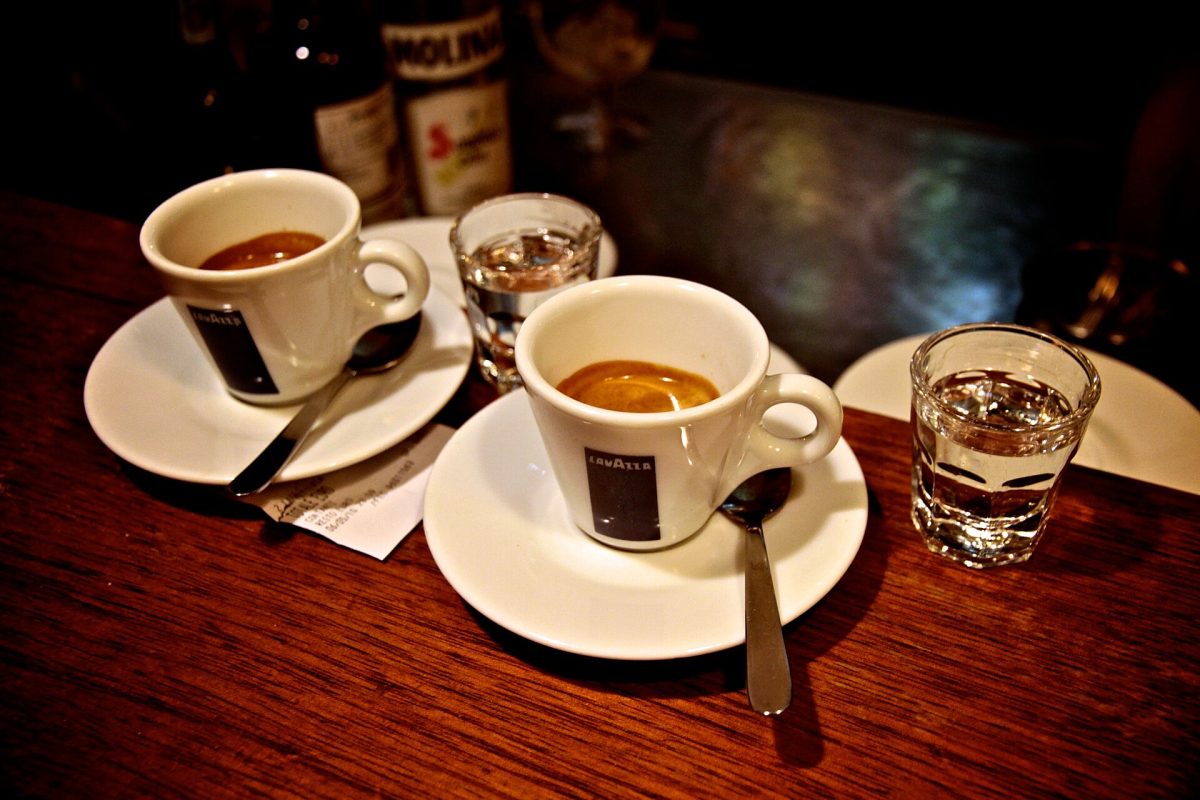
Around coffee, Italians have three words that are often used interchangeably. All three mean something different.
- Caffè corretto: the grappa goes into the coffee.
- Resentin, also rasentin: you first drink your coffee and then rinse the empty cup with a splash of grappa. You drink that. It is a custom from Veneto and Friuli.
- Ammazzacaffè: the small glass after the coffee, poured separately, usually at the end of a lavish meal. Grappa, amaro and sambuca are the usual choices.
For the first two, a clear grappa is a more obvious choice than a riserva. Our own question page already says so for cocktails: wood drowns out the rest.
Where to start
The quickest way to understand that temperature difference is two glasses side by side. Put a clear grappa in the fridge for half an hour and leave an aged one at room temperature. Pour both up to halfway up the bowl and smell them in turn.
If you want to make an evening of it, start with the youngest and lightest and work up to the oldest. The other way round, the wood lays itself over everything that comes after.
Not sure which two bottles? Drop in at the Brink or call 0570 541 278. We will get them out and read the labels with you.
Keep browsing
Our entire grappa stock is on our grappa page, 39 bottles from 13 houses, and with the wine and spirits search engine you can browse them all. Houses we stock include Nonino, Francoli, Caffo, Libarna and Marcati. The clear Libarna Cristallo can be ordered directly in the online shop.
Shorter answers are on how do you drink grappa and what is grappa. For other after-dinner drinks: how to drink vieux.
Sources. Serving temperature and glass shape: Consorzio Nazionale Grappa. The ten rules of the ANAG as presented by Scatti di Gusto. The minimum alcohol content comes from Regulation (EU) 2019/787 on spirit drinks. Resentin and ammazzacaffè: Poli and Laputa.