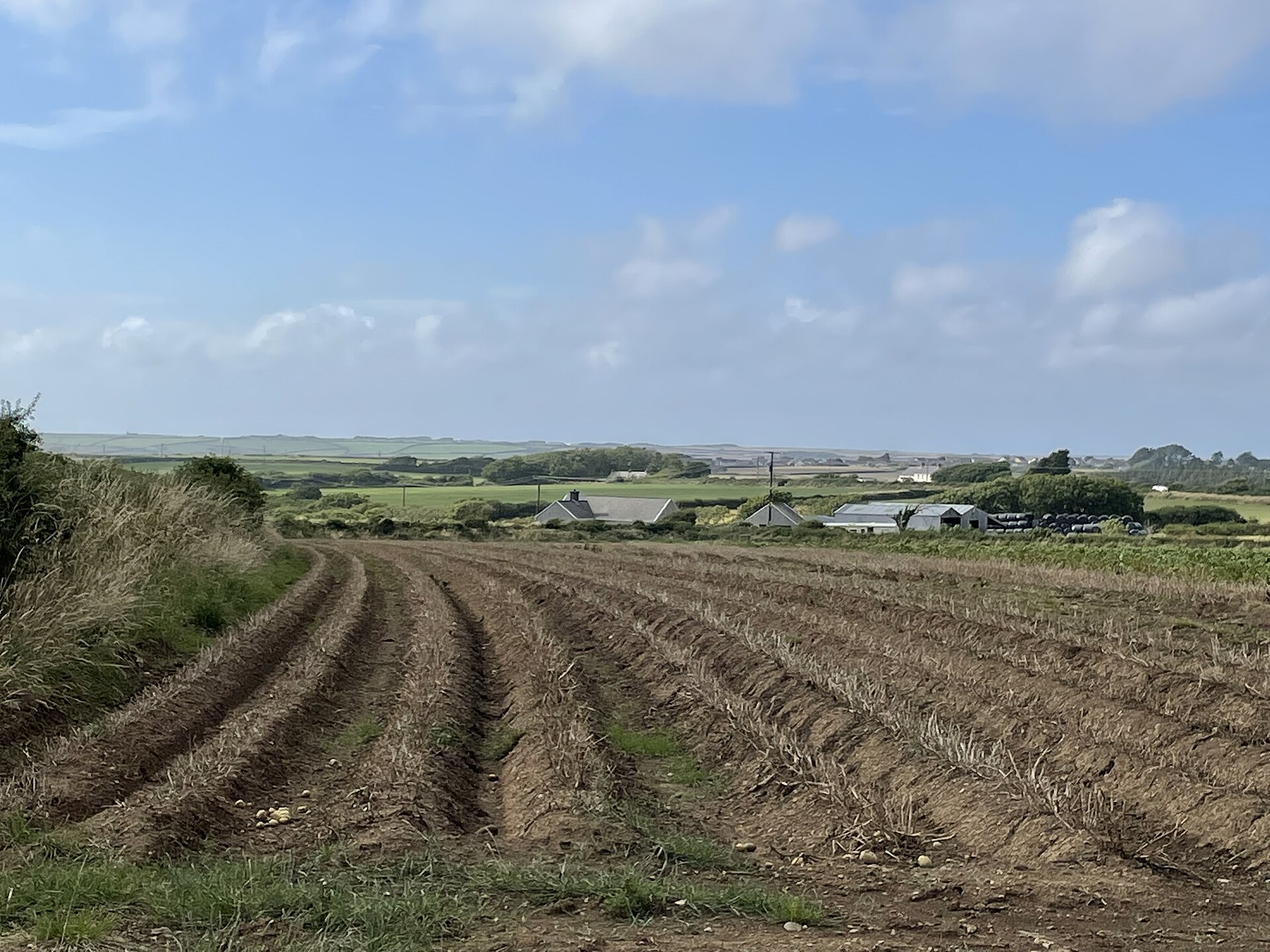
The short answer to this question is on the question page What is the difference between grain vodka and potato vodka?. Below you can read the whole story behind it.
We have two hundred and thirty-five vodkas on the shelf, from fifty-nine brands and from twenty-one countries. On exactly one of those bottles the word potato appears in the name. Yet the potato is the first thing people think of when asked what vodka is made from.
That is right and it is also not right. Potato vodka exists, but the vast majority of what is distilled worldwide comes from grain. Below we set the two side by side: what goes differently at the factory, what the rules say about it, and what you will notice of it in the bottle.
What the European rules say about the raw material
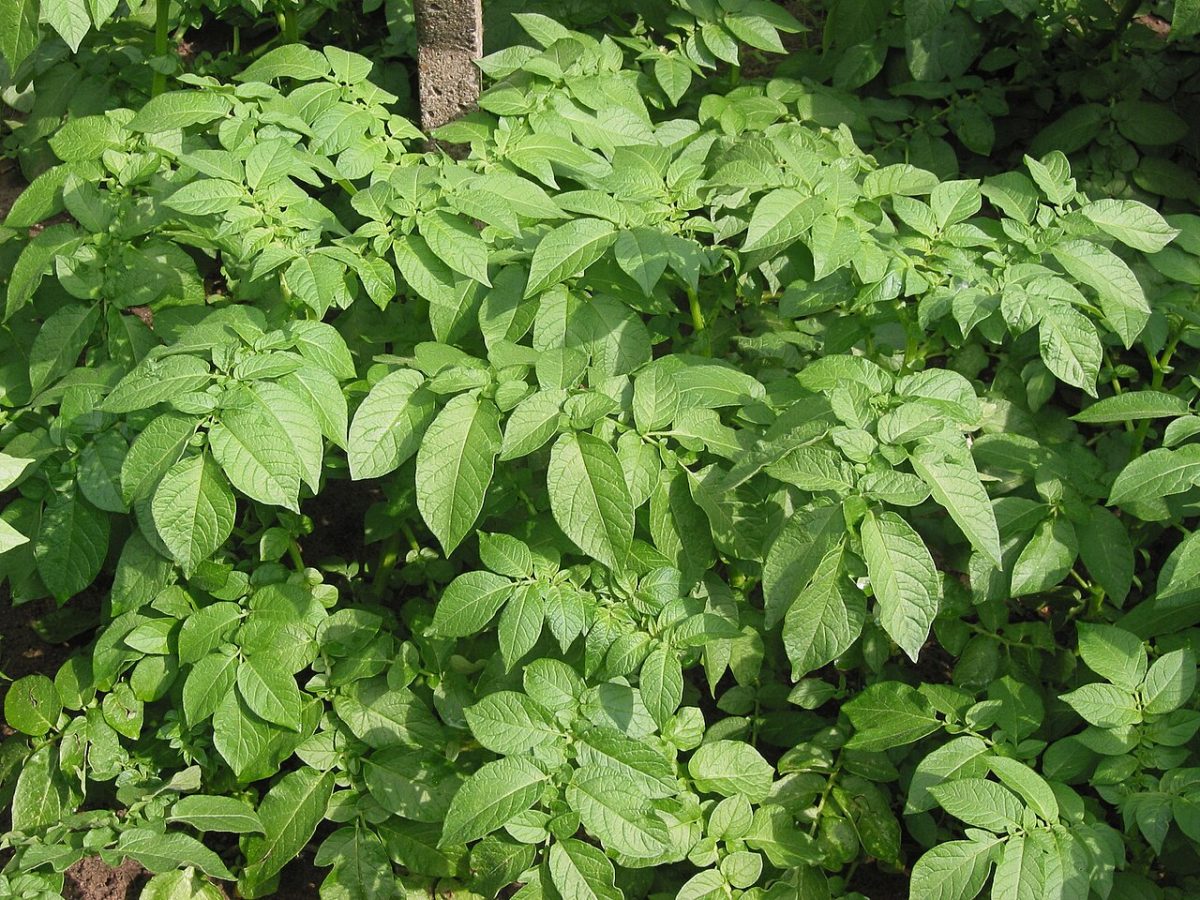
Vodka is a defined category in Europe. The regulation on spirit drinks states that vodka is made from ethyl alcohol of agricultural origin, obtained by fermentation with yeast of potatoes and/or cereals, or of other agricultural raw materials. The minimum is 37.5 per cent alcohol.
Potatoes and grains are therefore named explicitly, and those two may appear on the bottle without further explanation. If anything else is used, that must legally be stated: such a label must say what the vodka is made from. That is why you see a sentence about grapes on bottles of grape vodka, and usually nothing on a bottle of grain vodka.
So anyone who thinks the raw material matters often gets little from the label. With grains and potatoes, the maker may stay silent. On our shelves, ten of the two hundred and thirty-five bottles mention wheat, rye, barley or grain in their own description, and one mentions the potato.
A potato is three-quarters water
The practical difference starts with the distiller’s sums. A grain kernel is a dry seed: most of its weight is starch. A potato is a tuber that has to survive in the ground for most of the year, and it consists of about three quarters water.
Per kilo, a potato therefore yields much less fermentable starch than a kilo of rye or wheat. Anyone who wants to make a litre of potato vodka has to bring in, wash, cook and process considerably more raw material for it. Potatoes are also hard to store and hard to transport: they rot, they sprout and they are heavy. Grain keeps for years in a silo.
That explains why the potato has remained a minority in the vodka world, even in Poland, where it comes from. It is not that potato vodka is less good. It is that it is more expensive to make, and that the logistics around it are more difficult.
Cooking versus malting
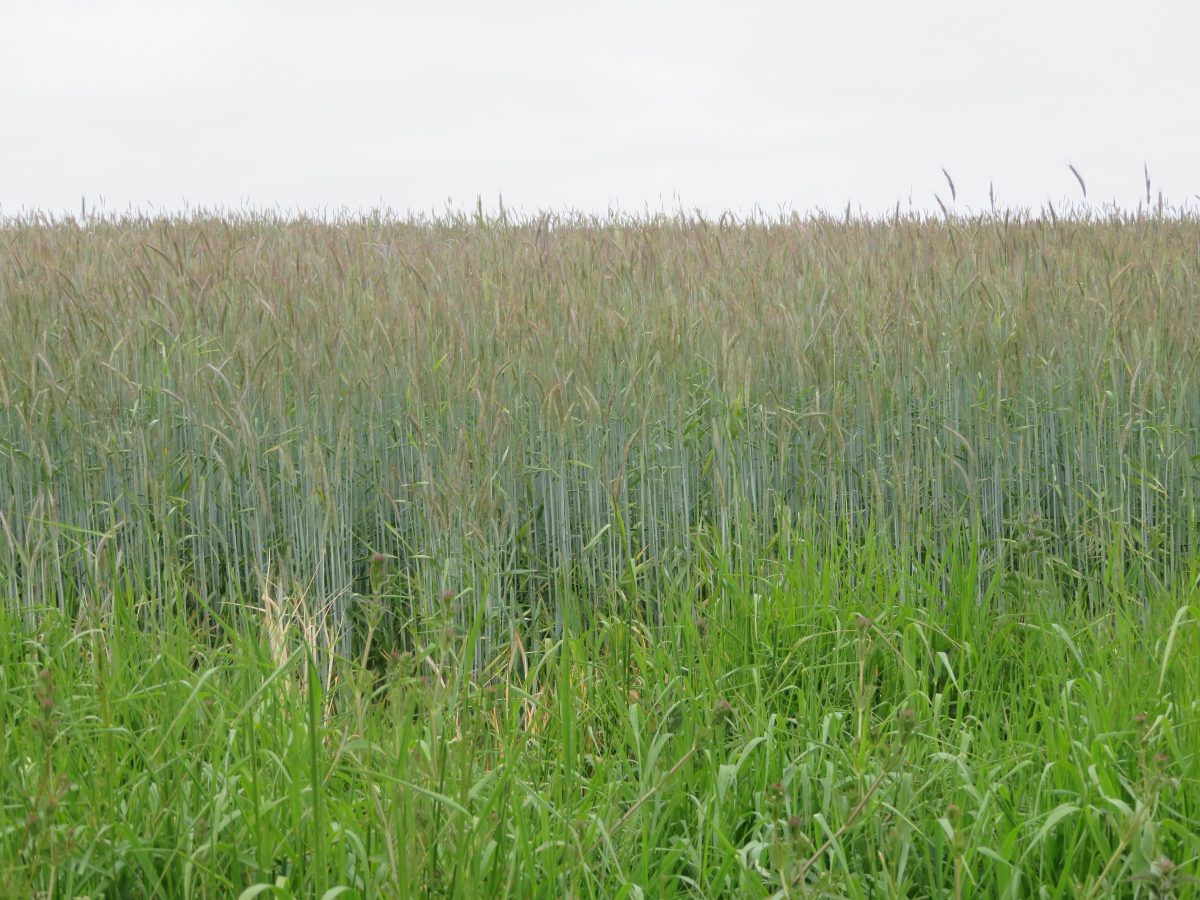
Things are different in the factory too. Starch must first be broken down into sugar before yeast can turn it into alcohol. With grain, this happens through milling and a mashing step: the grain is ground, mixed with hot water and treated with enzymes, after which the sugars are released.
Potatoes must first be washed, because soil comes with them, and then steamed or boiled until the cell walls burst open and the starch becomes available. This produces a thick, sticky mass that is harder to pump than a grain mash. It is more laborious work, with more waste material.
After fermentation the same step follows for both: the mash goes into the column and is rectified to a very high purity. Precisely there the difference between the two raw materials is largely wiped out again.
What you still find of it in the bottle
Honesty is part of this. Vodka is by definition distilled in such a way that the characteristics of the raw material are largely removed. The further the rectification is taken, the less remains of the potato or the rye. With a strongly rectified vodka, the raw material can no longer be found, with the best will in the world.
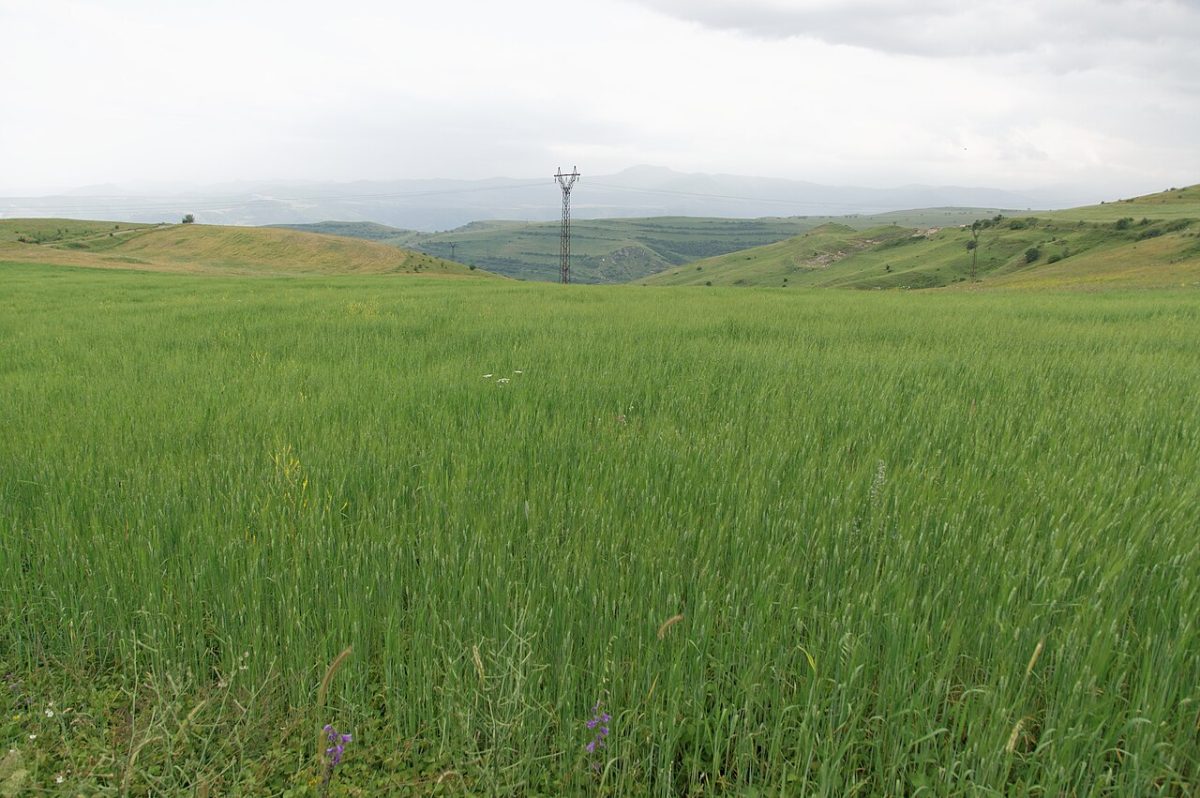
With distillers who deliberately go less far, something does remain. In the specialist literature, potato distillate is consistently described as fuller and creamier in texture, with a thicker mouthfeel. Rye distillate is more often described as spicy or peppery, wheat as soft. These are descriptions of the category, not of a particular bottle.
We deliberately do not write tasting notes for a brand here. What is true: if you want to taste those differences, you should choose bottles whose maker names the raw material, and put them side by side at room temperature. In the freezer you notice nothing of it, and we wrote about that separately in vodka in the freezer.
Poland: the country both come from
Of our two hundred and thirty-five vodkas, sixty-six come from Poland, more than from any other country. Then follow the Netherlands with thirty-two, France with twenty-three and Sweden with twenty-one.
Poland is also the country that has fixed the raw material. The protected designation Polska Wodka may only appear on bottles whose alcohol comes from rye, wheat, barley, oats, triticale or potatoes grown in Poland, and for which all production steps take place in Poland. Six raw materials, five of which are grain and one the potato.
That is one of the few places where the raw material of vodka is truly sealed legally. For the rest of the world: potatoes and grains are allowed, other agricultural raw materials too, provided you state it.
Where to start
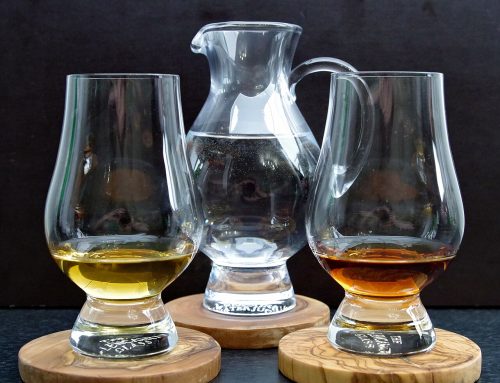
If you want to put the difference side by side yourself, choose bottles where the maker does not conceal the raw material. A potato vodka, a rye vodka and a wheat vodka side by side in the same kind of glass at room temperature says more than any text. Drop by or call 0570 541 278, and we will help you choose.
Keep browsing
All the bottles together are on our vodka page, and for each brand you will find the range: Windspiel, Wyborowa, Belvedere, Grey Goose and Ketel One. You can search by characteristic via the wine & spirits search engine.
You can read more about what is on a vodka bottle in five times distilled and three times filtered and in vodka or wodka. If you want to compare vodka with other neutral spirits, read vodka, gin and jenever. Grain as a raw material is also covered in how whisky is made.