Take ten random vodka bottles from our cabinet of two hundred and thirty-five and chances are a few of them carry a number. Distilled three times. Distilled five times. Filtered seven times. It sounds like a measure of effort, and therefore of quality.
The tricky part is: none of those numbers is defined, and nobody checks them. Below we explain what is technically behind it, why the counts differ so much, and what you can actually use on a vodka bottle.
What distillation actually is
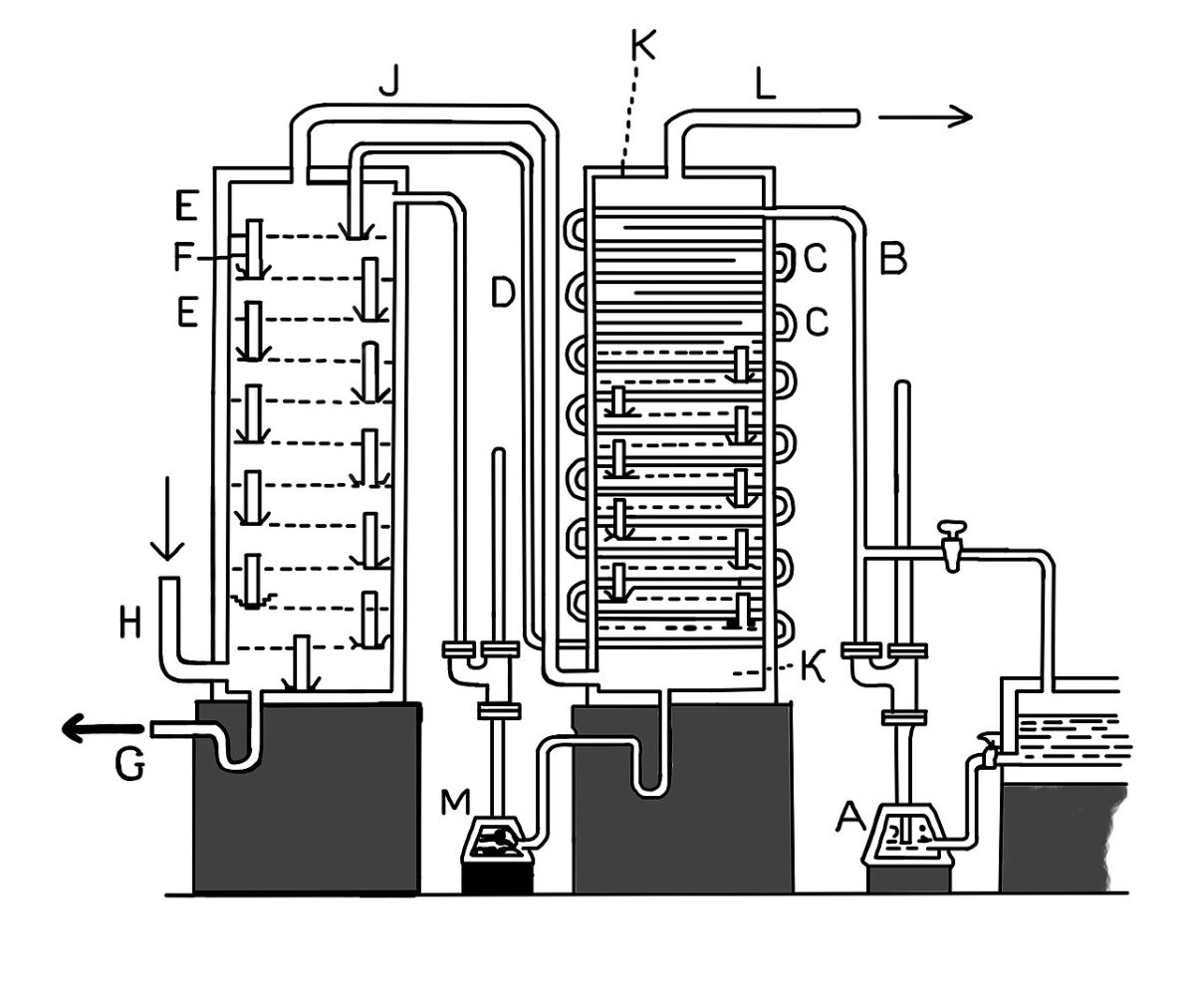
Distilling is the separation of substances by boiling point. You heat a mixture, the substance that boils first rises as vapour, you cool that vapour and collect it. What you are left with is richer in alcohol than what you started with.
In an old-fashioned still you do this batch by batch. If you want it stronger, you pour the result back and do it again. That is how the idea of counting arose: once, twice, three times, each round a step purer.
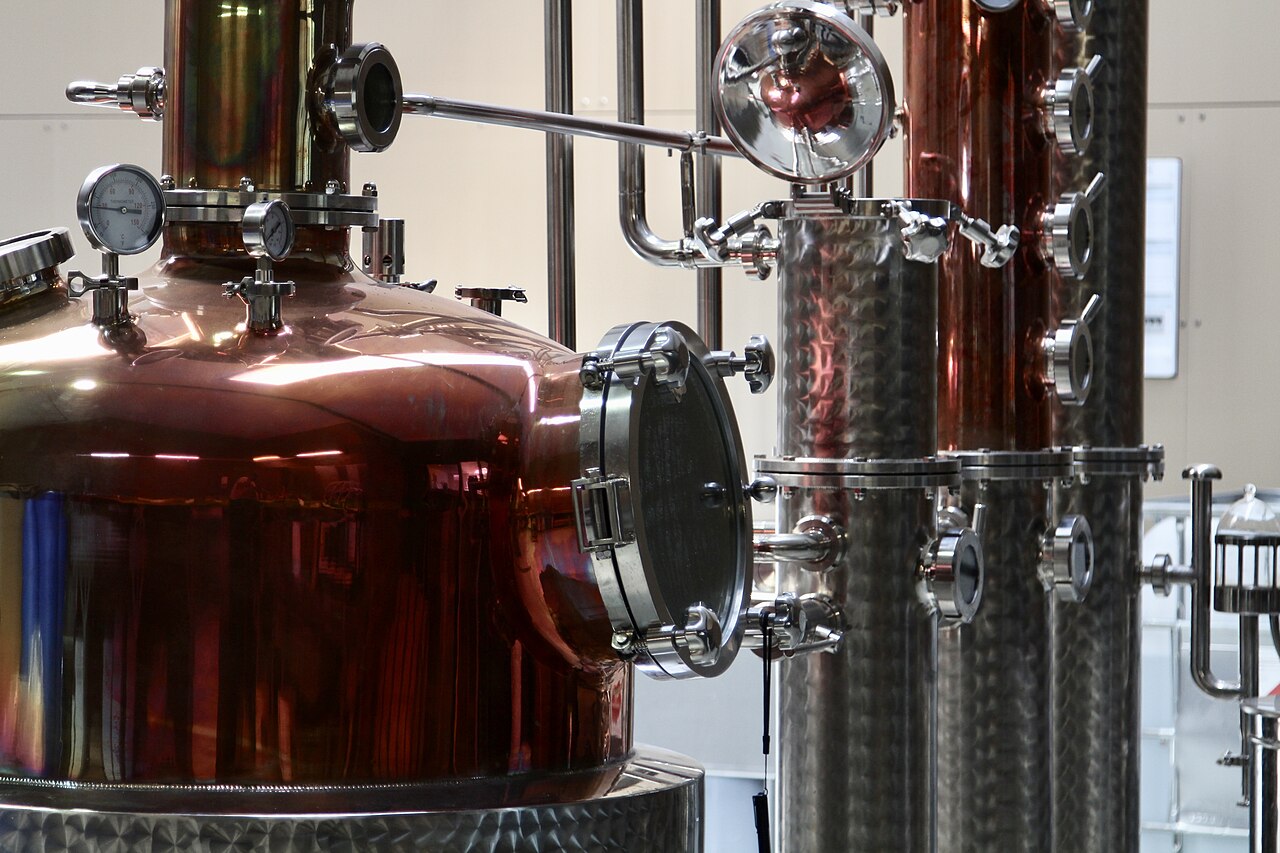
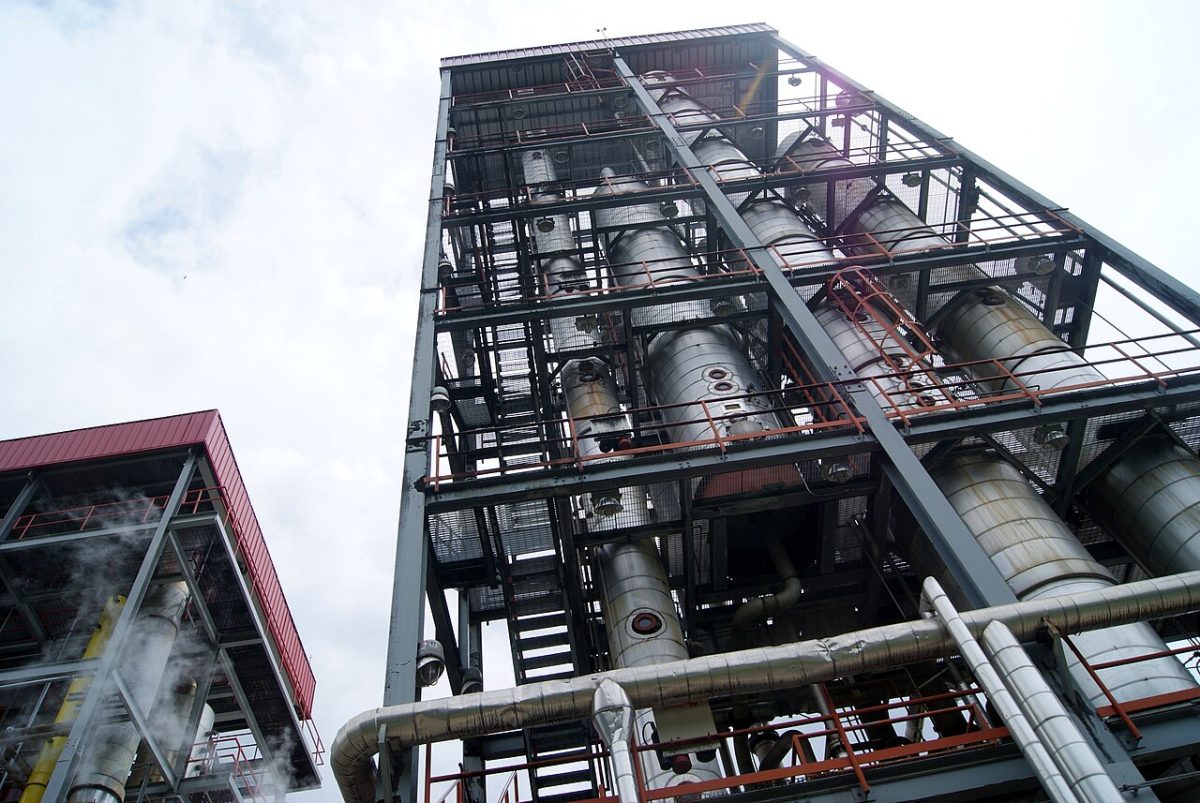
However, practically all vodka is made not in a pot still but in a column, and there that count no longer applies. A column is a tall, upright tube with dozens of plates one above the other. On every plate, vapour condenses and liquid evaporates again. A single pass through such a column is therefore effectively dozens of distillations in a row.
Why five times says nothing
This is where the number falls apart. Anyone working with a column can say with equal justification that they distilled once, because there was one pass, or that they distilled forty times, because there were forty plates. Some distillers count the number of columns, others the number of passes, still others the plates.
On top of that, the European rules set a hard lower limit. Agricultural ethyl alcohol must contain at least ninety-six percent alcohol, and the regulation also sets strict maximums for the by-products that may still be in it: methanol, higher alcohols, aldehydes, esters.
All vodka therefore starts with alcohol that is already almost pure. From that point there is little left to remove. A sixth or seventh round hardly changes the composition in practice, however good it looks on a label.
Filtering: what really happens
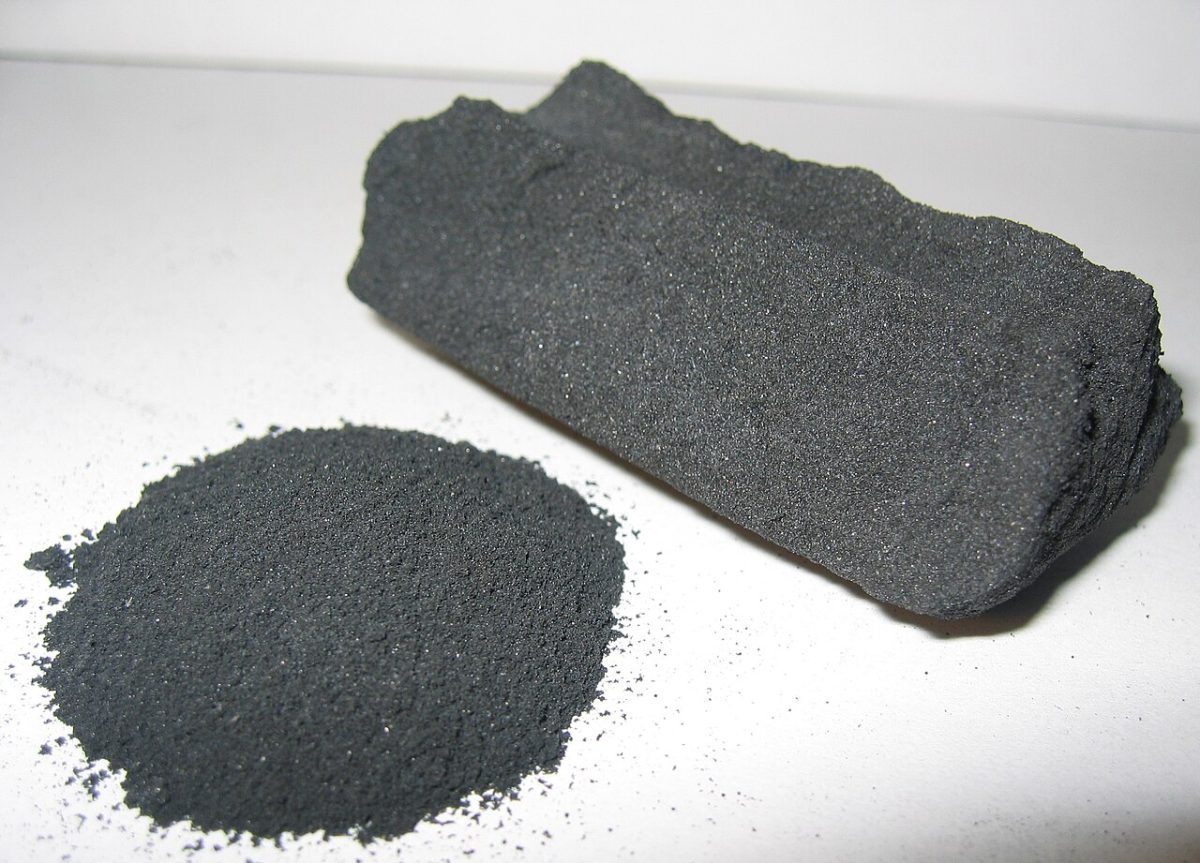
Filtration is not a marketing invention. For vodka, treatment with activated carbon is expressly permitted in the definition, and that treatment really does something. Activated carbon is charcoal processed so that it is full of microscopic pores. Larger molecules stick to it, while water and ethanol pass through unhindered.
What stays behind are precisely the substances that carry aroma and flavour, and the substances that are experienced as sharp or harsh. With vodka, filtering is therefore first of all a way of taking away even more. That fits the category, because vodka is the only spirit that by definition must lack something.
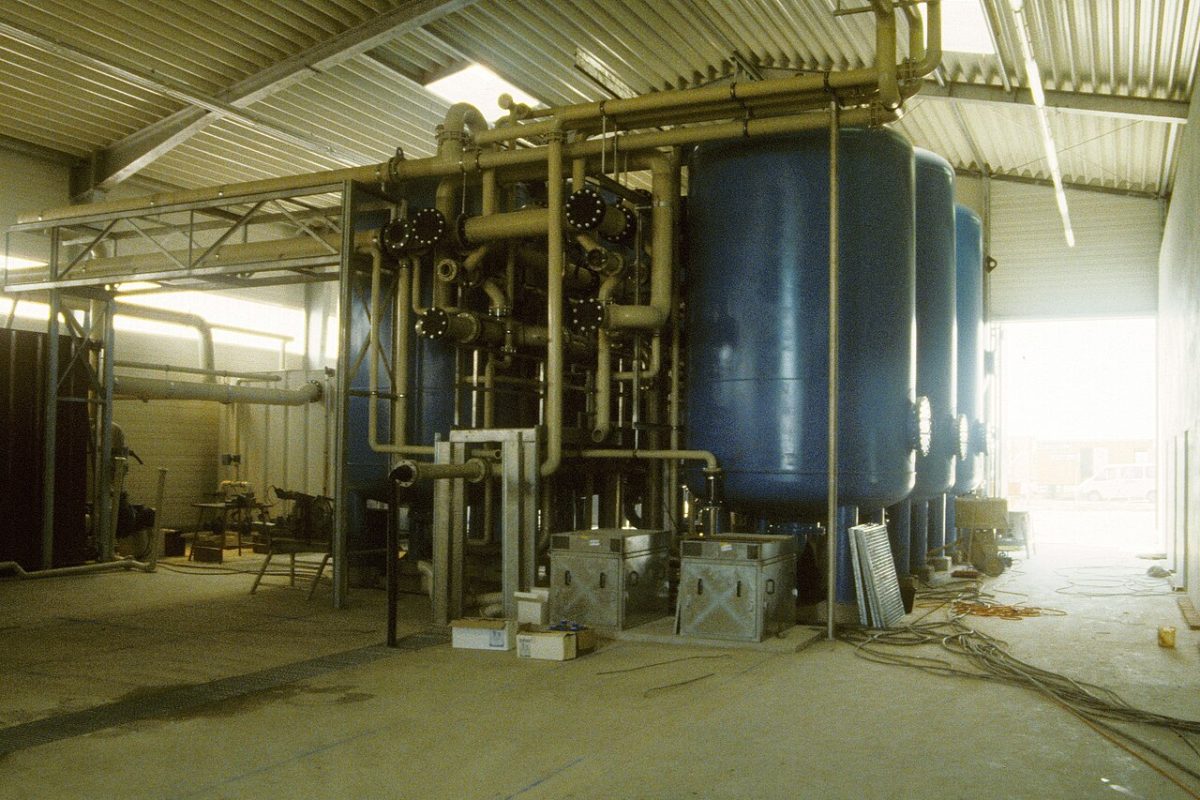
How often that happens is, again, not laid down. A bottle claiming to be filtered three times may have passed three columns of charcoal, or the same one three times. And what has been filtered with matters more than how often: charcoal, quartz, sand, silver or something more exotic, each material catches something different.
What does matter then
Three things on a vodka bottle do carry meaning. The base ingredient, if the maker names it. The alcohol percentage. And the name of the place where it was distilled.
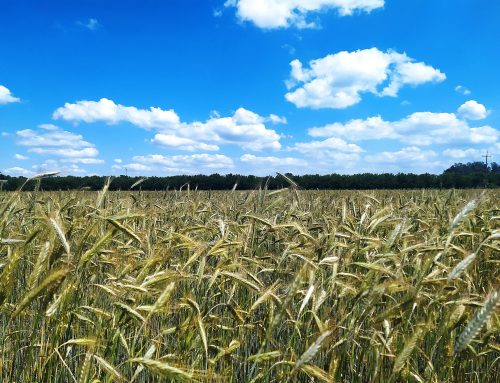
The raw material can only be found out if the maker is open about it or the law compels him. Vodka made from anything other than grain or potatoes must state that raw material on the label. For grain and potato it may stay silent, and most brands do. What exactly the raw material changes, we have worked out in potato vodka and grain vodka.
With vodka, the alcohol percentage is more informative than with many other drinks, because it is nothing other than the dilution after distillation. We have one hundred and three bottles at forty percent and forty-three at the legal minimum of 37.5 percent. That is the only real product decision that appears on every label.
Compare it with the designations that do guarantee something
The contrast with its neighbours on the shelf is sharp. London Dry on a gin bottle means that only natural botanicals were used during distillation and that nothing was added afterwards except water. That can be verified and legally enforced. We have written it out in London Dry gin.
Oude jenever says something about the proportion of malt wine. Single malt says something about grain and distillery. Polska Wódka means that the raw material was grown in Poland and that all production steps took place in Poland.
Five times distilled means whatever the maker wants it to mean. That is not an accusation; nothing untrue is written on the bottle. It is simply not a measure by which you can compare two bottles side by side.
Where to start
Once the numbers drop away, a sensible way of choosing remains: look at the raw material, the country and the house. Those are the things that make a difference and cannot be filled in freely. If you do not know where to start, drop by or call +31 570 541 278.
Keep browsing
The full range is on our vodka page. You will find the brands from this article here: Ciroc, Crystal Head, Smirnoff and 42 Below. You can search by percentage or country in the search engine of the wine & spirits shop.
Further reading: vodka, gin and jenever on the dividing lines between the three categories, vodka or wodka on the name on the label, and overproof and navy strength on percentages in rum.