Of the 3,784 whiskies on our shelves in Bathmen, the vast majority come from four countries: Scotland, Ireland, the United States and Japan. What remains after that is 481 bottles, and they come from twenty-eight other countries.
That is the corner where most is happening at the moment. World whisky has become the umbrella term for everything going on there. Whisky is distilled in Wales, in Switzerland, in Iceland, in Israel and in Tasmania, and a good share of it is simply on our shelves.
Four countries set the picture, twenty-eight complete it
Unlike cognac or champagne, the word whisky is not tied to a country. What is protected are the designations: Scotch must come from Scotland, Irish from Ireland, bourbon from the United States. Anyone who ferments grain, distils it and matures it on oak elsewhere may simply call the result whisky, provided they follow the rules of their own country.
In our shop it looks like this. England supplies 41 bottles, Switzerland 30, Germany 15, Israel 11, Sweden 10, Italy 10, Denmark 9, Australia 8 and Wales 6. Outside Europe, Taiwan with 35 bottles and India with 39 have long ceased to be newcomers. And that is not to mention the Netherlands, which with 114 bottles is the best represented after the four big countries.
England and Wales rebuilt the craft
England had distilleries in the nineteenth century, but they have all disappeared. For well over a century no English malt whisky was made. That changed in Roudham, in Norfolk, where The English began distilling again. After that it went quickly: Cotswolds, Bimber in London, The Lakes in the Lake District, Filey Bay on the Yorkshire coast, Masthouse in Kent and The Norfolk. The 41 English bottles we stock now come from fourteen different names.
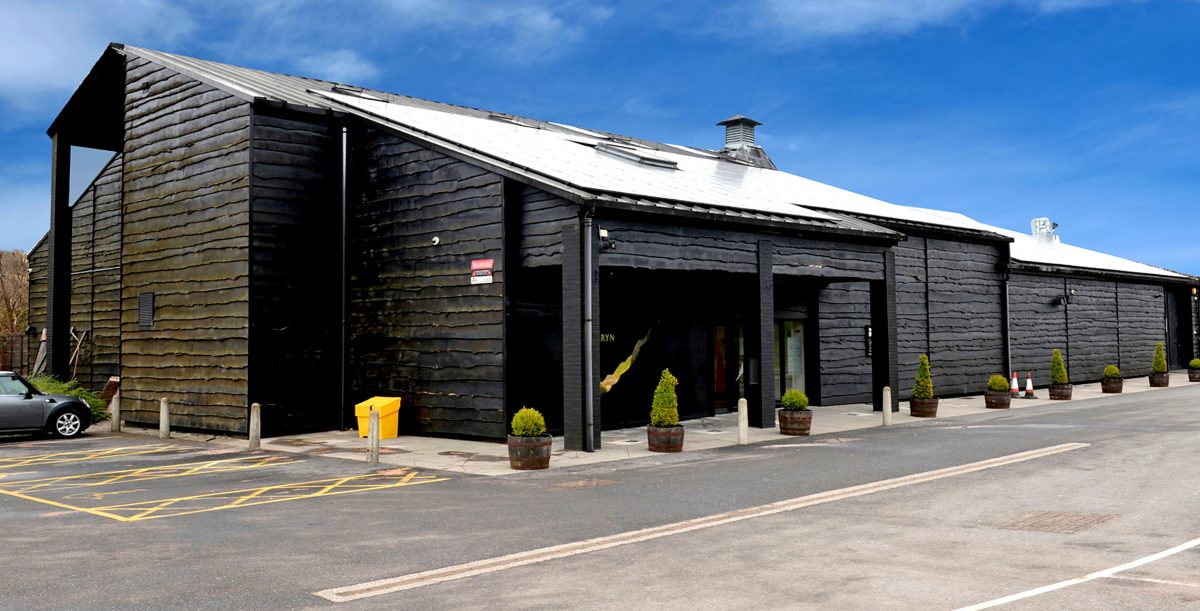
Wales has only one of any significance, and it is all the more remarkable. Penderyn started in 2000 in the village of Penderyn in the Brecon Beacons, and that was the first Welsh whisky in more than a hundred years. The distillery works with a still designed by David Faraday, in which the separation that takes two or three stills in Scotland happens in a single run. Ordinary pot stills were added later. In the north of Wales, Aber Falls has joined.
Sweden, Switzerland and further across the continent
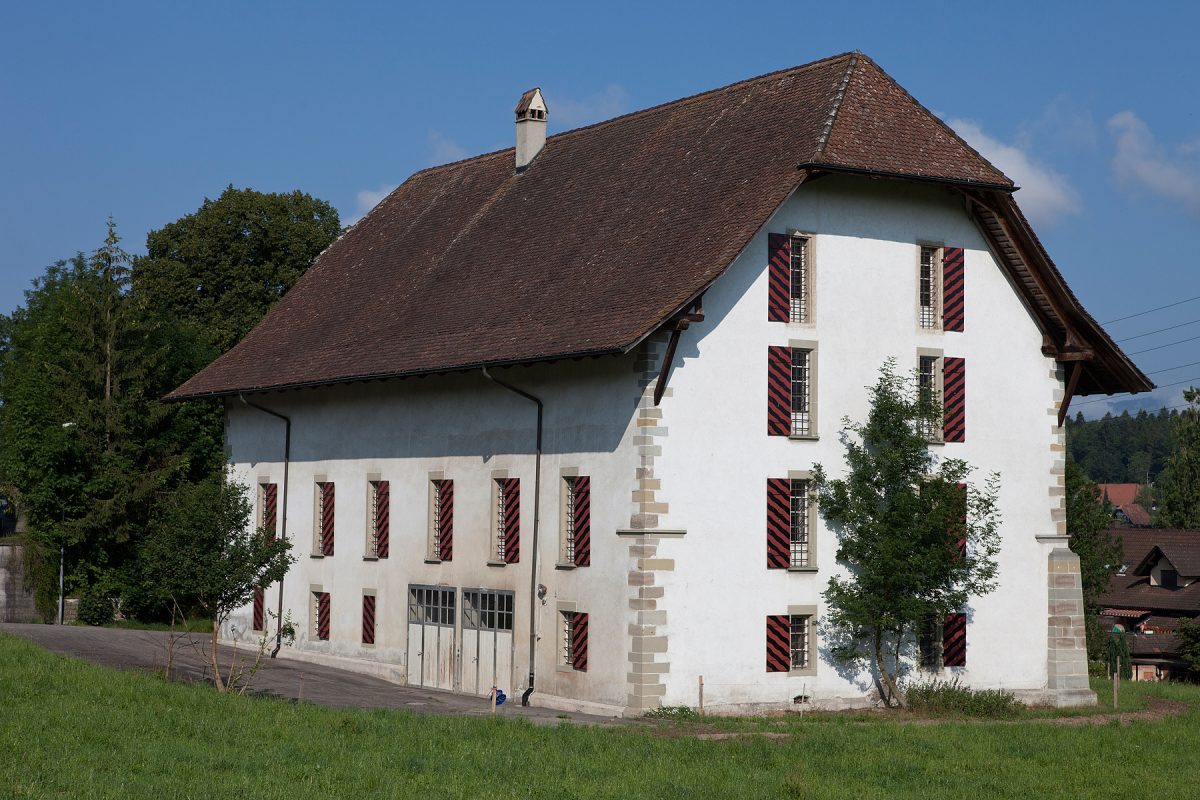
In Switzerland it was long not even possible. Turning bread and feed grain into alcohol was forbidden there, and only when that rule fell in 1999 could whisky be seriously distilled. Twenty-five years later Seven Seals, Langatun, Säntis and Whisky Castle together supply the 30 Swiss bottles we stock. Säntis belongs to a brewery in Appenzell and ages its whisky in old beer casks.
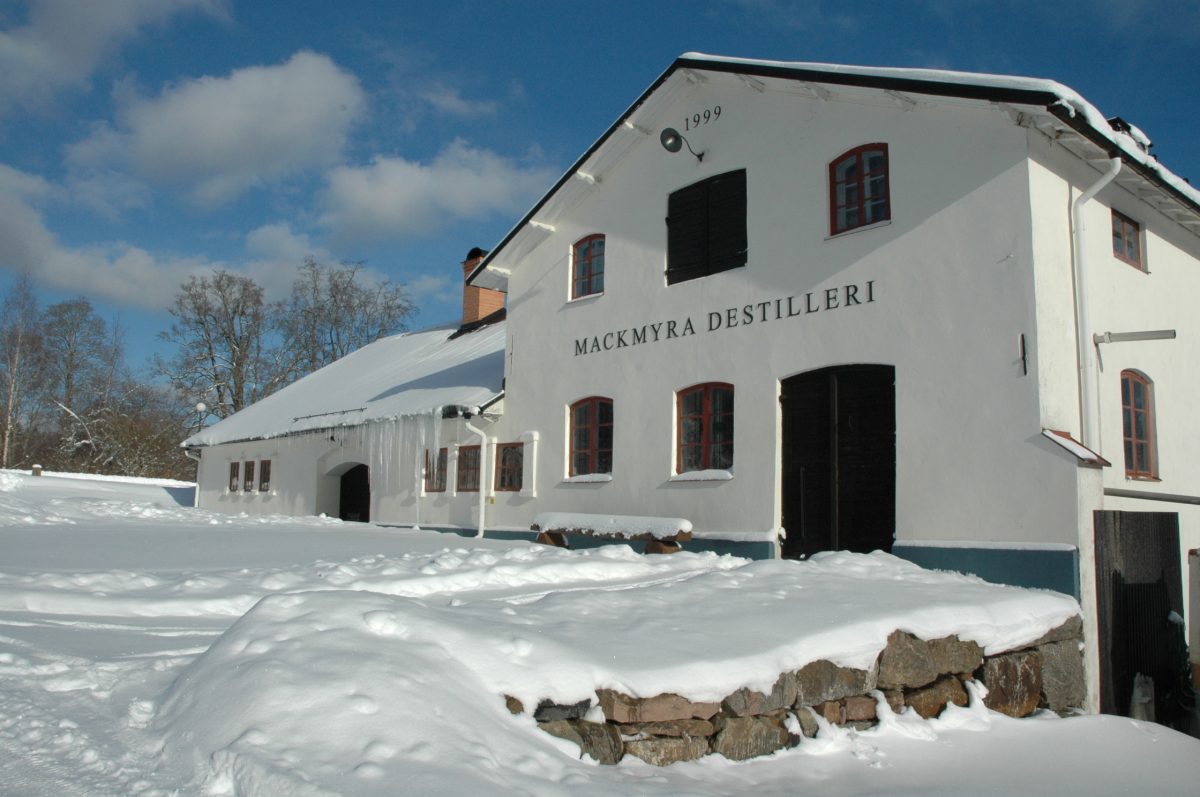
Sweden has Mackmyra, founded in the late 1990s by a group of university friends. The distillery works with Swedish oak alongside the usual bourbon and sherry casks, and lets part of its casks mature in an old mine. Of the ten Swedish bottles we stock, eight come from Mackmyra.
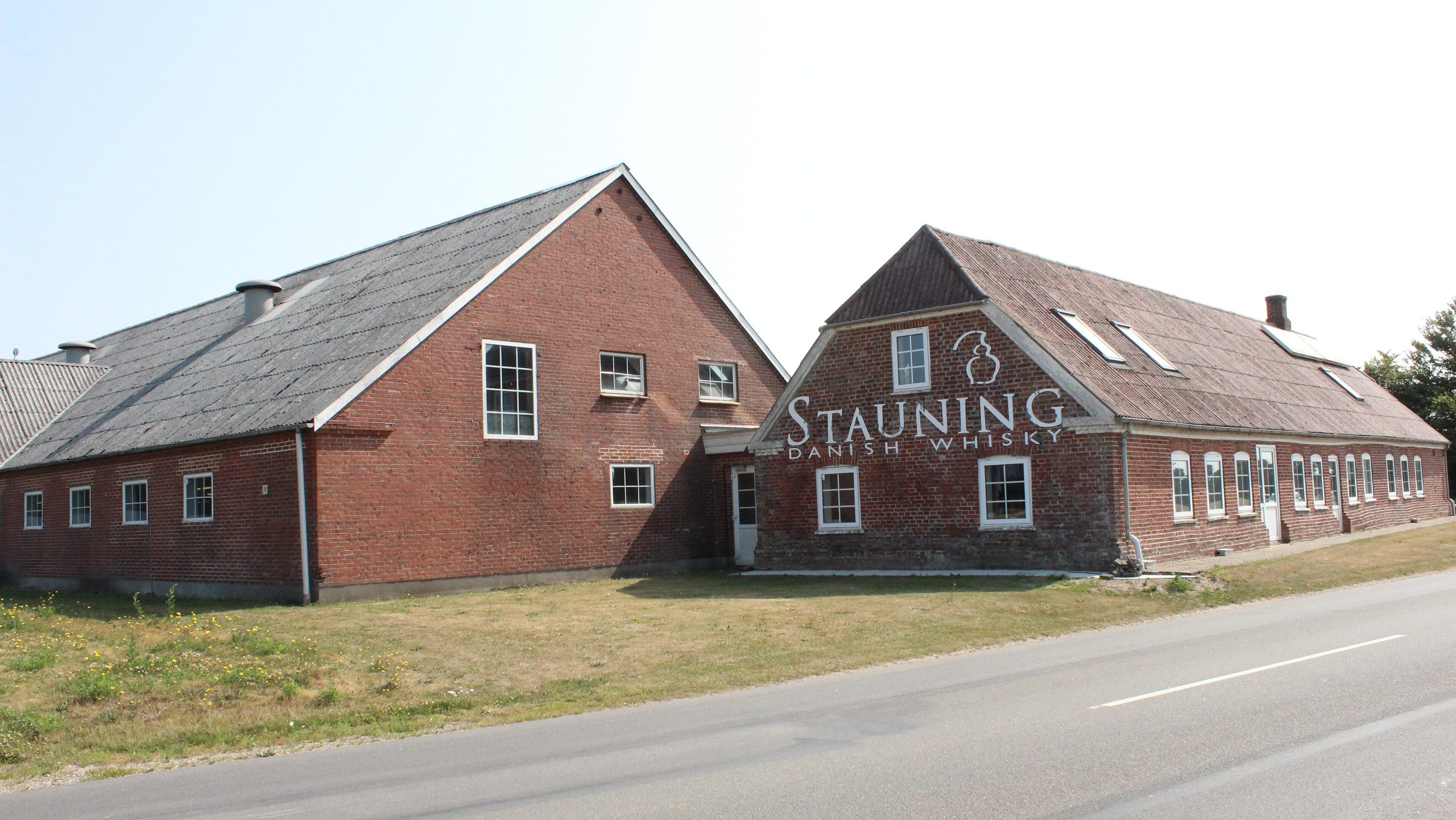
Denmark has Stauning in West Jutland, where barley is still floor-malted by hand and small, direct-fired stills are used. Further north are Teerenpeli and Kyrö in Finland and Flóki in Iceland. In South Tyrol, Puni makes whisky in a concrete cube in the middle of the mountains, in Bavaria Slyrs and St. Kilian do so, and in Tel Aviv there is Milk & Honey. Add Taiwan, India, Australia and New Zealand and you have a world map that did not exist twenty years ago.
Why these houses mature faster and work with different wood
The biggest difference from Scotland is the weather. The bigger the difference between warm and cold, the harder the whisky is pushed in and out of the wood, and the faster the cask does its work. In Tel Aviv, on Taiwan and in Bangalore it is warm all year round and that process runs many times faster than in a cool Scottish warehouse. The flip side is that much more evaporates: the angel’s share in those climates rises to a multiple of the two percent per year that is usual in Scotland.
Many young houses reinforce this by working with smaller casks. The smaller the cask, the more wood there is per litre pressing against the whisky, and the sooner something happens. As a result, a number on the label says little for these houses, and you therefore rarely see one. Of our bottles from The English, Cotswolds, Filey Bay, Langatun, Seven Seals and Stauning, not a single one carries an age statement. They put something else on the label: the grain, the cask, the region.
That is also where most experimentation takes place. Alongside barley, Stauning works with rye, a grain that simply grows in the fields in Denmark. Puni does something similar in South Tyrol with rye and wheat. Langatun lets its bottlings age further in casks of Portuguese and Sicilian wine. And where a Scottish house sources its casks from Kentucky and Jerez, these distillers first look at what is nearby: Swedish oak, old beer casks, local wine casks.
Where to start
World whisky is not a category you can get through in one go, and the question of which country is best cannot be answered either. Start with what makes you curious. If you want to hear what a different grain does, pick a rye. If you want to know what warm weather does to a cask, set something from Taiwan or Israel beside a Scottish bottle of the same age. And if you want to keep it closer to home, there is plenty from England, Wales and Switzerland.
You can filter by country and region in the whisky filter, and search the whole range in the wine & spirits search engine. If you cannot find what you are looking for, visit us in Bathmen or call +31 570 541 278.
Read more
Per country you will find the background and the range: England, Wales, Sweden, Switzerland, Denmark, Germany, Taiwan, India and Israel. The category itself is on our page about whisky, and all houses together on the page with whisky brands.
You can find the houses from this article here: The English, Penderyn, Mackmyra, Langatun, Stauning, Seven Seals and Säntis Malt.
If you want to see how a country that now seems self-evident once started out, read Japanese whisky: where it comes from and why it tastes different.