There are 3,784 different whiskies in our shop, and behind nearly all of them is the same series of actions. Barley, water, yeast, copper, wood. That is all. Everything that sets one bottle apart from another is a choice within those six steps.
Those steps are called malting, milling, mashing, fermenting, distilling and maturing. If you know what happens in each step, you immediately understand why two bottles from the same region can be so far apart.
Malting: the barley is woken up and then stopped again
Barley is full of starch, but yeast can do nothing with that. The starch must first become sugar, and the grain does that itself as soon as it thinks it may start to grow. So the barley is steeped in water, spread out and left alone until it begins to germinate. This releases the enzymes that break down the starch.
As soon as there is enough enzyme, germination is stopped by drying the barley. This is where the most important flavour decision of the entire process is made: what you fire that kiln with. Use hot air, and you taste nothing of it. Burn peat, and the smoke soaks into the malt and comes straight back out of the glass at the end.
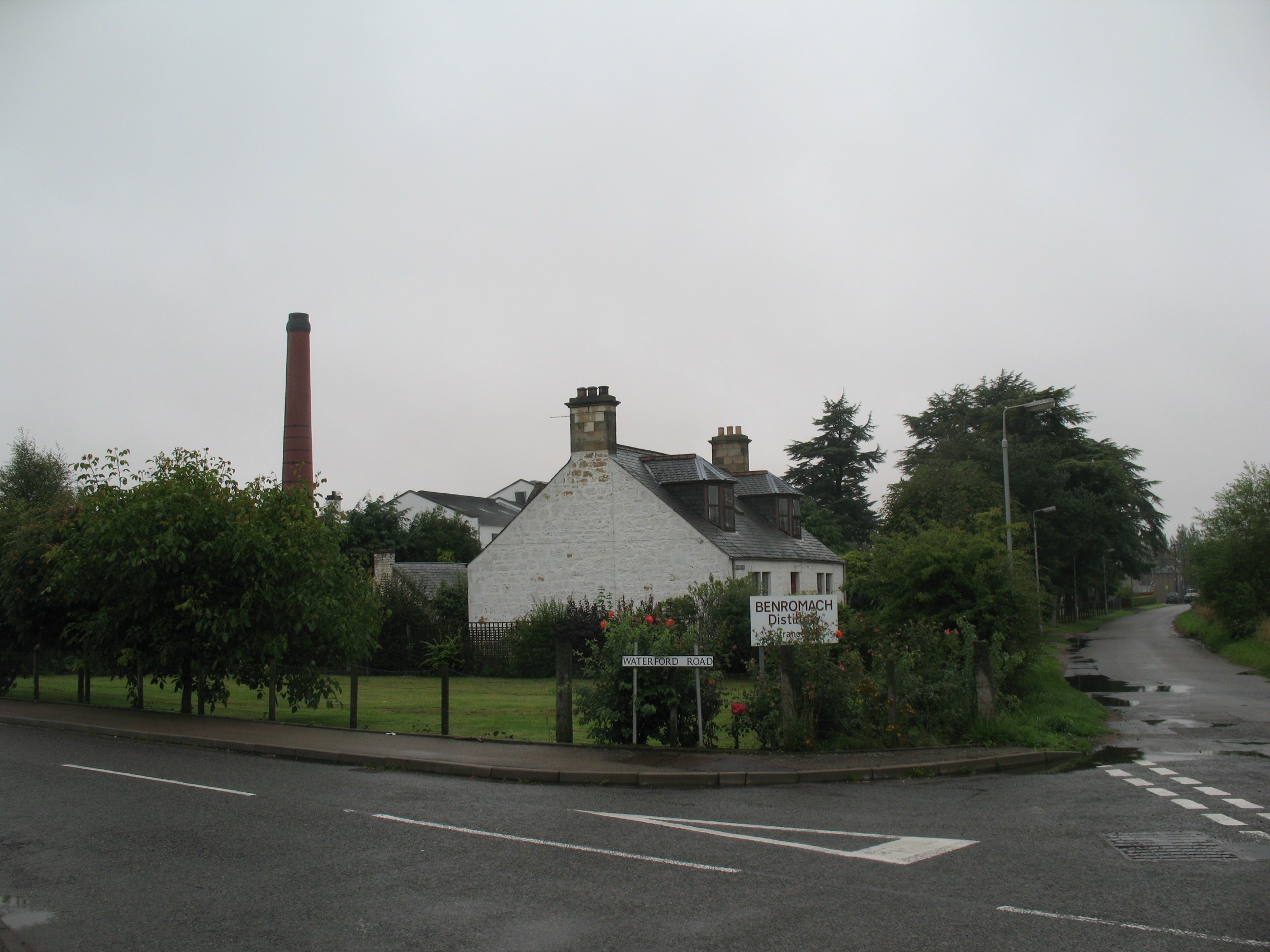
How much smoke is expressed in ppm. Benromach in Speyside deliberately keeps to ten to twelve ppm, because almost every Speysider used to have that hint. Ledaig on Mull is at thirty to forty, Lagg on Arran only gets to around fifty. And on Orkney Highland Park cuts its own peat on Hobbister Moor. Because hardly any trees grow on the island, that peat consists mainly of heather, and that gives smoke that is floral rather than medicinal.
Milling, mashing and fermenting: from grain to beer
The dried malt goes through a mill. That is more precise than it sounds, because three fractions must come out: coarse husks, a middle fraction and fine flour. Those husks later form the filter bed in the mash tun. If you grind too fine, nothing runs through any more and the whole distillery comes to a standstill.
In the mash tun the crushed malt comes into contact with hot water, usually in three portions at rising temperatures. The starch dissolves, the enzymes do their work and a sweet liquid is created: wort. How clear you make it is again a choice. Cloudy wort gives more grainy and nutty notes, clear wort more fruit. Isle of Harris deliberately works with cloudy wort.
The cooled wort then goes into the washbacks. In the first hours the yeast converts the sugar into alcohol, and after that the lactic acid bacteria naturally present in the washback take over. They produce the esters you later find as pear, apple or pineapple. That is why the length of fermentation is so decisive. Jura ferments for about fifty-four hours, short by Scottish standards and fitting its light style. Isle of Harris leaves the wash for seventy-two to a hundred and twenty hours, so up to five days. What comes out of the washback is a kind of cloudy beer of around eight per cent, without hops.
Distilling: pot still or column
Now the alcohol is extracted. For malt whisky this happens in copper pot stills, usually twice: first in a wash still, then in a spirit still. Copper is not decoration but a cleaner; it binds sulphur compounds that you would otherwise find back in the glass.
The shape of the still determines how much contact the vapour has with that copper. Tall stills force the heavier parts back down and produce a light spirit. Those at Jura are lantern-shaped and almost eight metres tall. At Talisker it goes the other way: there the vapour condenses in worm tubs, long copper coils in a tank of water, with relatively little copper contact and therefore a heavier, meatier distillate. At Fettercairn water runs over the outside of the still's neck, so that only the lightest vapours get through.
The distiller then cuts the stream into three. The first part is too sharp, the last too heavy, and only the middle part goes into cask. Where he places those two cuts is one of the strongest dials he has.
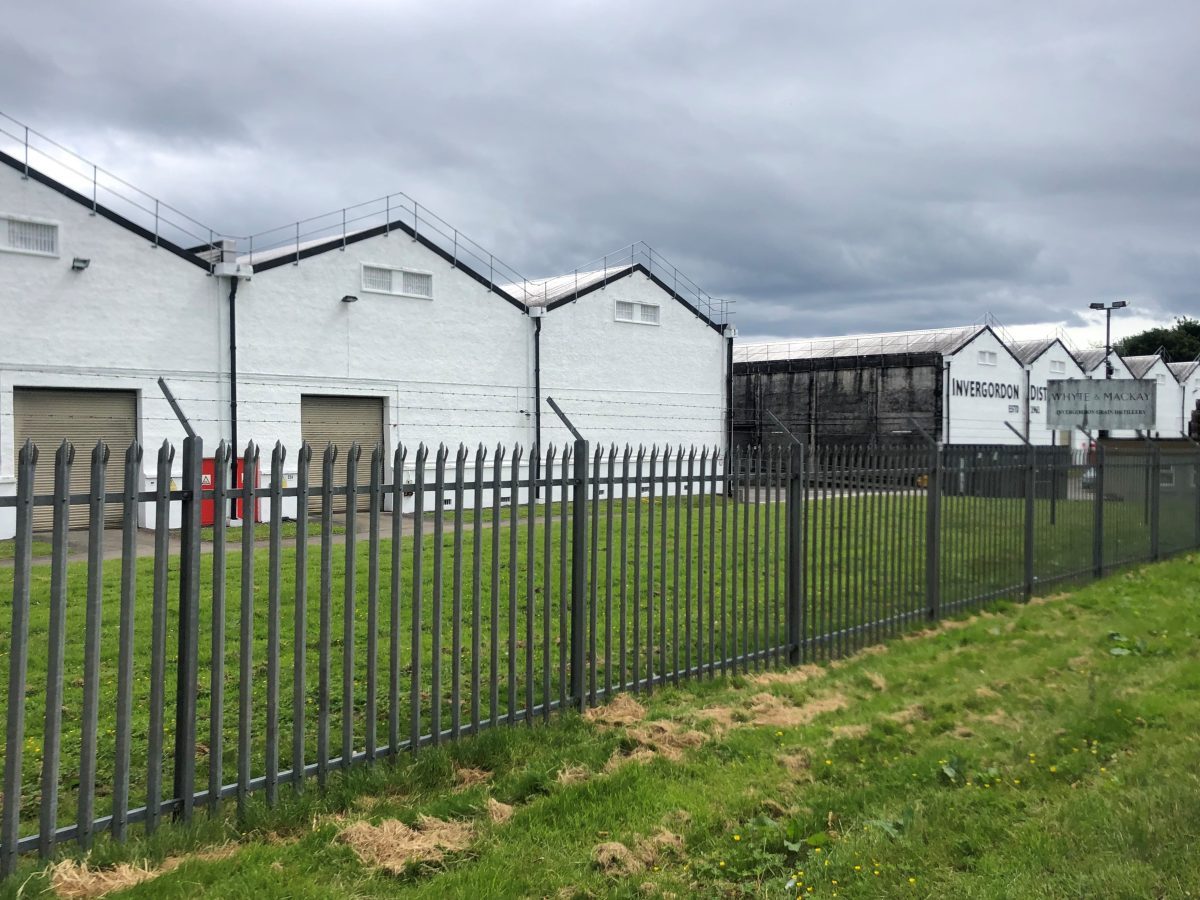
Grain whisky works differently. There are no pot stills there but continuously running columns. Invergordon in Easter Ross uses three: an analyser, a rectifier and a column for the tails. A pot still works batch by batch; a column never stops. The distillate comes out lighter and more neutral, and almost all of it disappears into blends. What ends up in the bottle as single grain has usually been picked out by an independent bottler.
Maturing: where most of it happens
What runs from the still is clear and sharp. Only the cask turns it into whisky. Scotch must mature for at least three years on oak, in Scotland, and in practice it takes much longer.
The cask does three things at once. It gives off: vanilla and coconut from American oak, dried fruit and nuts from European oak that has held sherry. It takes away: the heavier, sharper compounds are caught by the charred inside. And it lets through, because wood breathes, so a part evaporates every year and air comes in.
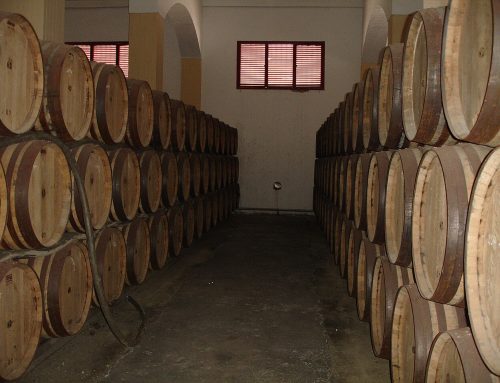
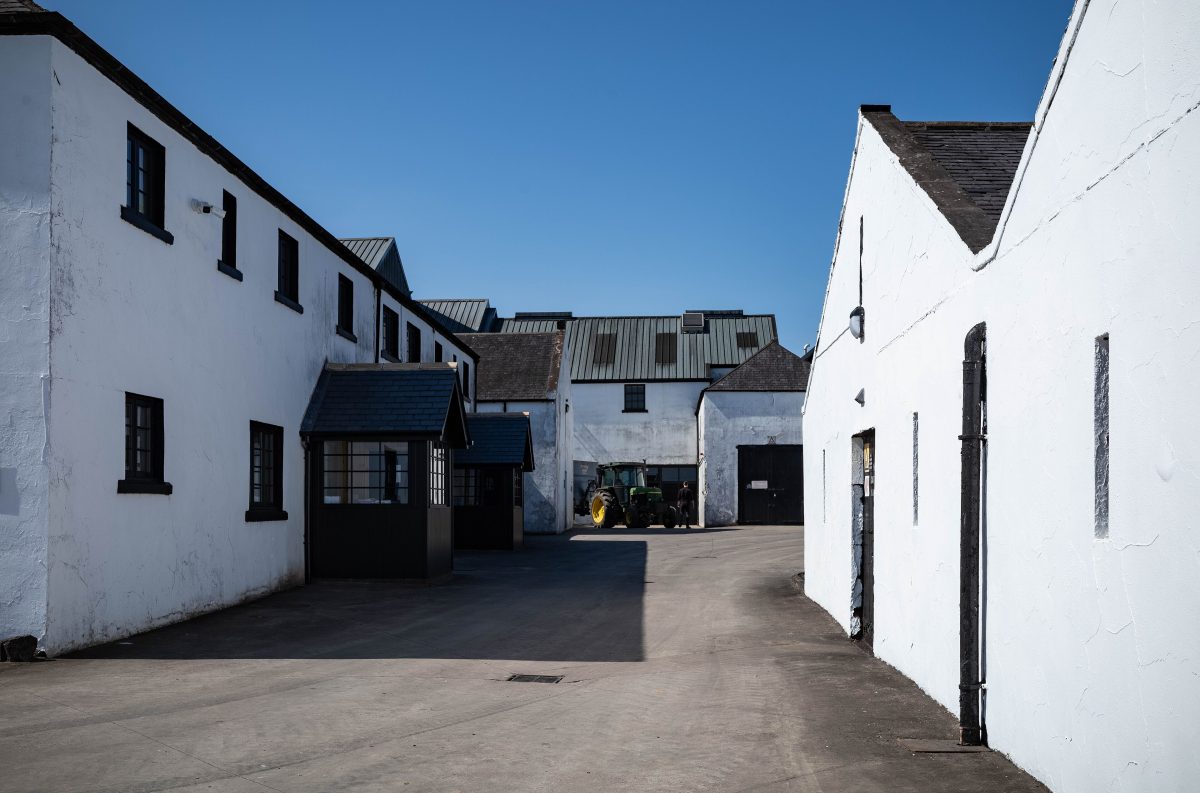
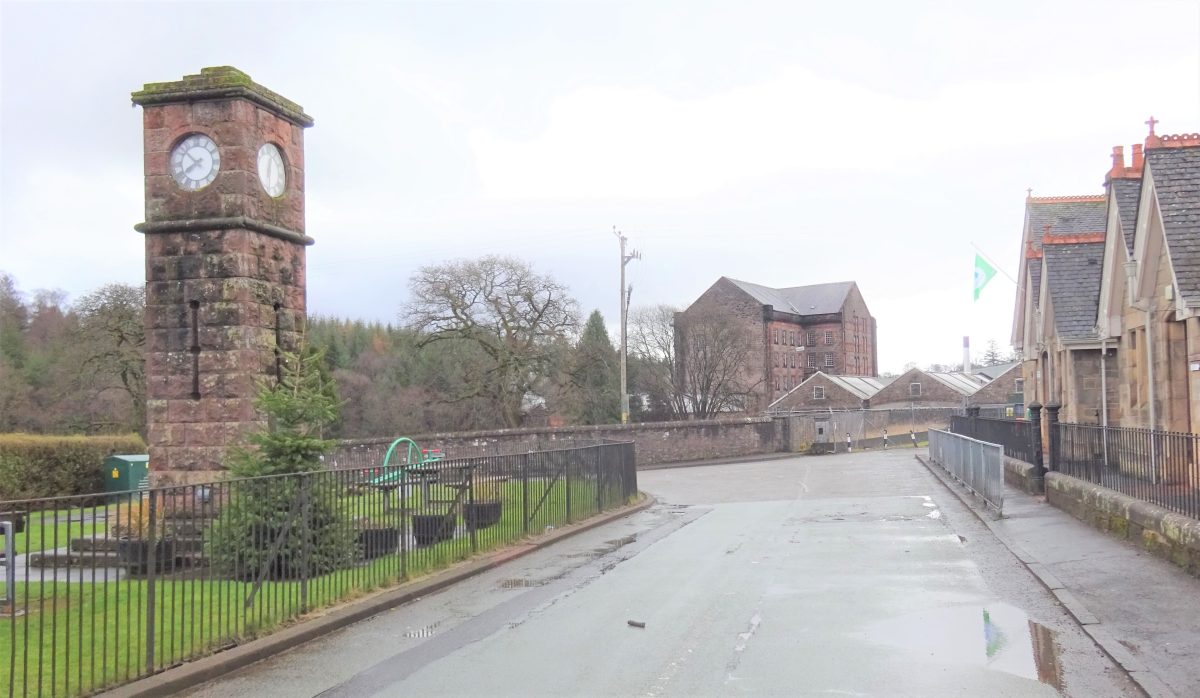
That is why the warehouses are a choice in themselves too. Deanston matures in an old weaving mill from 1785, cool and constant in temperature all year round. Fettercairn has fourteen old-fashioned warehouses with earth floors and thick walls. Highland Park buys its own oak, has casks made from it in Spain and first fills them with oloroso for two years, before they go back empty to Orkney.
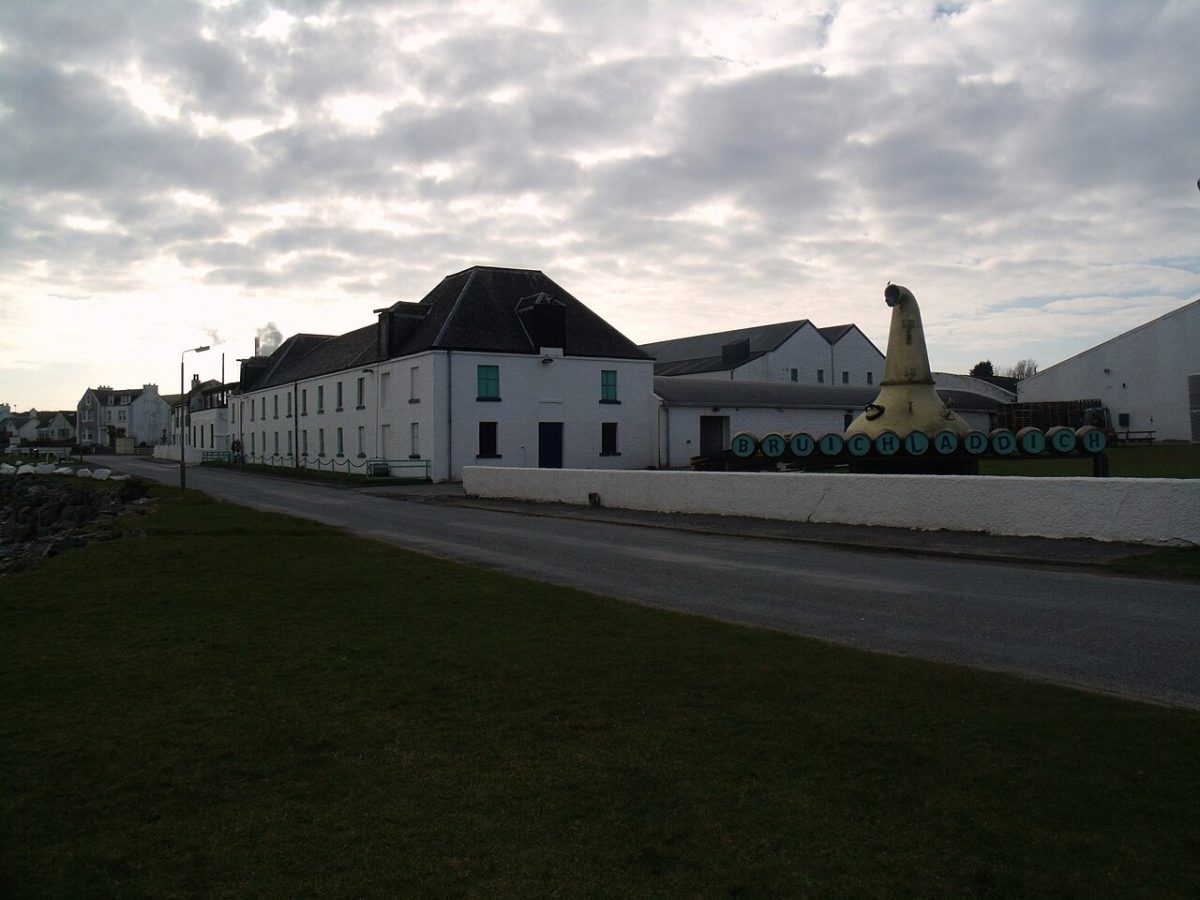
At the end one more decision follows: dilute or not, chill-filter or not, colour or not. Deanston bottles everything at 46.3 percent without chill filtration and without colouring, Bruichladdich does that too, and at Highland Park every colour in the bottle comes from the wood.
Where to start
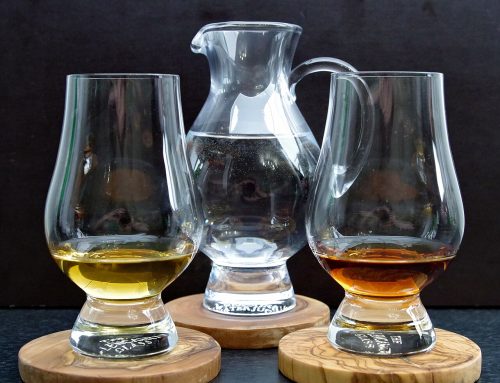
You can best taste this by choosing bottles that diverge at different points in the process. An unpeated malt next to a heavily peated one, a sherry maturation alongside, and a grain whisky from a column still as well. Visit us at Brink 2 in Bathmen or call +31 570 541 278, and we will set out a line-up for you.
Keep browsing
Our complete range is on the whisky page, all the houses we stock are at whisky brands, and the Scottish bottles together at whisky from Scotland. You can search yourself with the wine & spirits shop's search function. And on the Benromach page there is a series that explains exactly this: with each bottle one thing changes and the rest stays the same.
On the other side of the ocean things work differently. In bourbon, rye and Tennessee told apart you can read what is laid down in law there.