Gin and tonic
You make a gin and tonic with gin, tonic and plenty of ice. A common ratio is 1 part gin to 2 to 3 parts tonic, for example 50 ml gin with 100 to 150 ml tonic. Pour into a balloon glass or a highball full of ice, pour the tonic slowly along a bar spoon and garnish with lemon, lime or a botanical that suits the gin. At ’t Bockje on the Brink in Bathmen there are now 215 bottles of gin.
What you need
Glass: Balloon glass (copa) or highball. 1 cocktail
| 50 ml | Gin |
|---|---|
| 100 to 150 ml | Tonic |
| a full glass | Ice |
| wedge of lemon or lime, or a matching botanical | Garnish |
How to make it
- Fill a balloon glass or highball completely with ice and stir briefly so that the glass gets cold.
- Pour 50 ml of gin over the ice.
- Slowly pour 100 to 150 ml cold tonic along a bar spoon into the glass, so the fizz is retained.
- Stir once gently and garnish with lemon, lime or a botanical that suits the gin.
Garnish: Wedge of lemon or lime, or a botanical that suits the gin
What is the right ratio for a gin and tonic?
The usual ratio is 1 part gin to 2 to 3 parts tonic. With 50 ml of gin, that means 100 to 150 ml of tonic. It is not a fixed rule: it is a starting point that you adjust to your own taste.
More tonic makes the drink lighter and the quinine bitterness clearer. Less tonic lets the gin come more to the fore. Anyone asking how much gin belongs in a gin and tonic can therefore best start with one measure and then measure out the tonic.
Mind the ice too. A glass filled to the brim with ice melts more slowly and dilutes the drink less than a few loose cubes.
What does the law say about gin, distilled gin and London gin?
European Regulation (EU) 2019/787 sets out three categories in Annex I. Gin is ethyl alcohol of agricultural origin, flavoured with juniper berries, with a minimum of 37.5% vol and a taste in which juniper predominates.
Distilled gin is made by redistilling ethyl alcohol with juniper berries and other natural botanicals. Here too the juniper must dominate and a minimum of 37.5% ABV applies. Gin made solely by adding essences does not fall under this.
London gin is a distilled gin with stricter rules: the flavour comes only from distilling with the botanicals, the distillate has at least 70% vol, no colouring is added and it contains at most 0.1 gram of sweetener per litre. The term dry may be added.
The drinks for this recipe at ’t Bockje
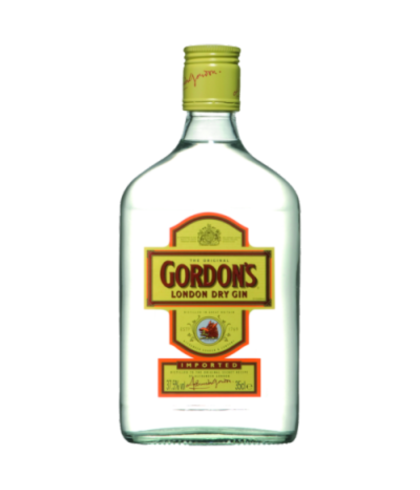
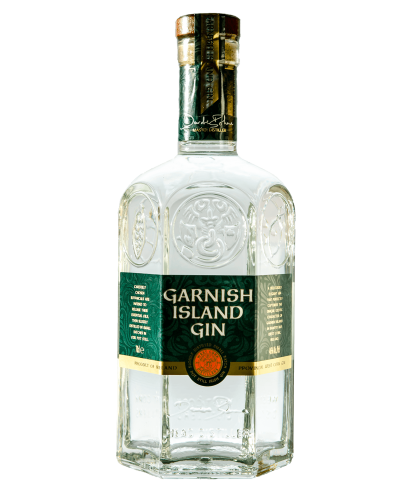
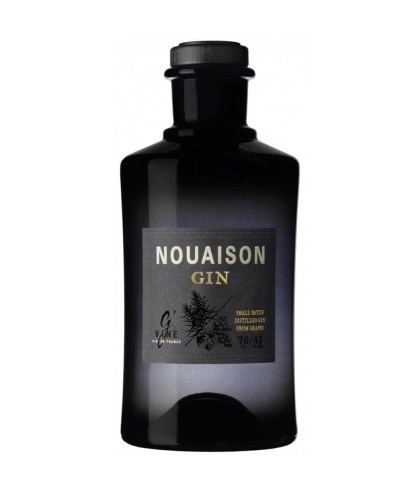
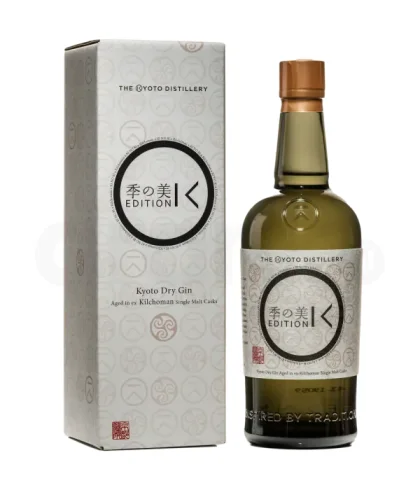
Gin 215 in the shop
Where does the gin and tonic come from?
The gin and tonic is connected with quinine, the bitter substance from the bark of the cinchona tree. Europeans got to know that bark in Peru, where it was used against malaria.
According to the drinks magazine PUNCH, the British shipped large quantities of quinine powder to their colonies in India. Because quinine is so bitter, British officials mixed it with soda and sugar. From that grew the first commercial quinine tonics, and British expats combined that tonic with imported British gin.
From the late nineteenth century the gin and tonic was a fixture in the British gymkhana clubs in India. The well-known quotation attributed to Winston Churchill has, according to PUNCH, no demonstrable source.
How do you make a pink gin and tonic?
You make a pink gin and tonic the same way as the classic version, but with a pink gin instead of a dry gin. Keep the usual ratio of 1 part gin to 2 to 3 parts tonic.
Do look at the label. A pink gin never falls under London gin, because London gin may not have colourings added and its flavour comes only from distillation with the botanicals. A pink gin is therefore usually a gin or distilled gin with a build of its own.
A wedge of strawberry, some red fruit or a slice of lemon works well as garnish. Choose a neutral tonic, so that the colour and character of the gin remain visible in the glass.
Can a gin and tonic also be alcohol-free?
Yes. For an alcohol-free gin and tonic you replace the gin with an alcohol-free distillate with juniper berries and other botanicals. Legally that is not gin, because gin must be at least 37.5% ABV, but in the glass it works the same way.
Here too, keep to the ratio of about 1 to 2 or 3, use plenty of ice and the same garnish. Tonic itself contains no alcohol, so the structure of the drink stays the same.
This way guests who don't drink, or the designated driver of the evening, can get the same drink in the same glass.
Which gin can you find at ’t Bockje in Bathmen?
The shop currently has 215 bottles of gin, from dry classics to pink gin. For a Dutch gin and tonic there is, for example, Gin 1689 Authentic Dutch Dry Gin, and for the pink variant Gin 1689 Authentic Dutch Pink Gin.
Those who want to look further will also find Monkey 47 and Opihr on the shelf. Every gin asks for its own garnish, and we are happy to think along.
Not sure which gin suits your tonic? Feel free to call or drop by ’t Bockje at Brink 2 in Bathmen.
What customers also ask
How much gin goes in a gin and tonic?
The usual ratio is 50 ml of gin to 100 to 150 ml of tonic, a ratio of 1 to 2 to 3.
Which garnish goes with a gin and tonic?
Lemon or lime is the classic. With a spicy gin, a botanical from that gin also works well, such as juniper berries or a sprig of rosemary.
What is the difference between gin and London gin?
London gin is a distilled gin with stricter rules: no colouring, flavour only from the distillation and at most 0.1 g of sweetener per litre.
Where can you buy gin in Bathmen?
At ’t Bockje at Brink 2 in Bathmen there are now 215 bottles of gin.
Keep browsing
Sources
- What is Gin?, The Gin Guild, theginguild.com/the-gin-guild/what-is-gin/ (accessed 14 October 2026)
- Verordening (EU) 2019/787, EUR-Lex, Europese Unie, eur-lex.europa.eu/legal-content/NL/TXT/HTML/?uri=CELEX:32019R0787 (accessed 14 October 2026)
- In Its Birthplace, the G&T Is a Reclamation, PUNCH, punchdrink.com/articles/india-gin-tonic-cocktail-history/ (accessed 14 October 2026)
- Our story, Fever-Tree, fever-tree.com/en-gb/our-story (accessed 14 October 2026)
The shop is at Brink 2 in Bathmen. Open Tuesday to Friday from 09.00 to 18.00 and Saturday from 09.00 to 17.00. For advice, call 0570 541 278 or email info@bockje.nl.
Wij verkopen geen alcohol aan personen onder de 18 jaar. NIX18.
 Whisky
 Beer
 Wine
 Spirits
 Aperitifs and specialities
 Alcohol-free
 Glasses and more
 Partnerships