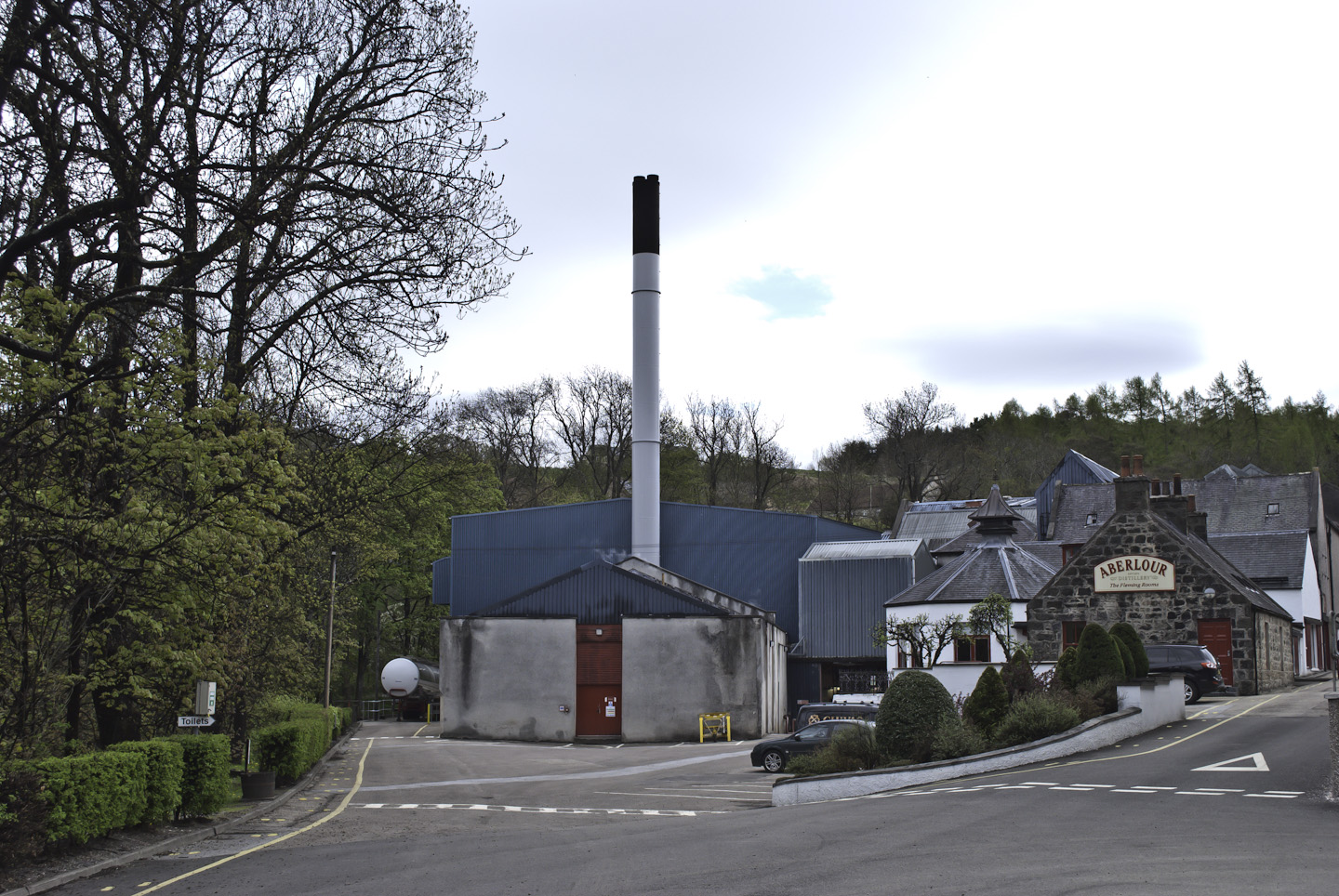
On the label of a whisky bottle there is sometimes, small and often at the bottom, the line non chill filtered. Or un-chillfiltered, or simply not chill-filtered. At the counter it is regularly asked about, usually with the same question following: should I pay attention to it?
Of the 3,898 whiskies on our shelves in Bathmen, sixteen literally carry that designation in the name on the bottle. In reality there are many more, because by no means every distiller mentions it. Below you can read what happens during chill filtration, why it is done, and what you notice of it in the glass.
What chill filtration is
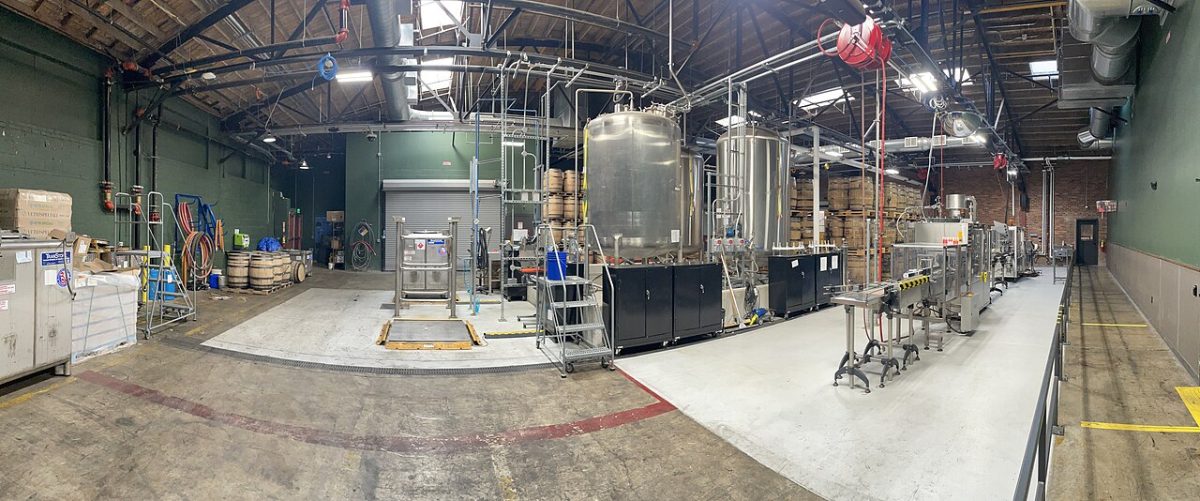
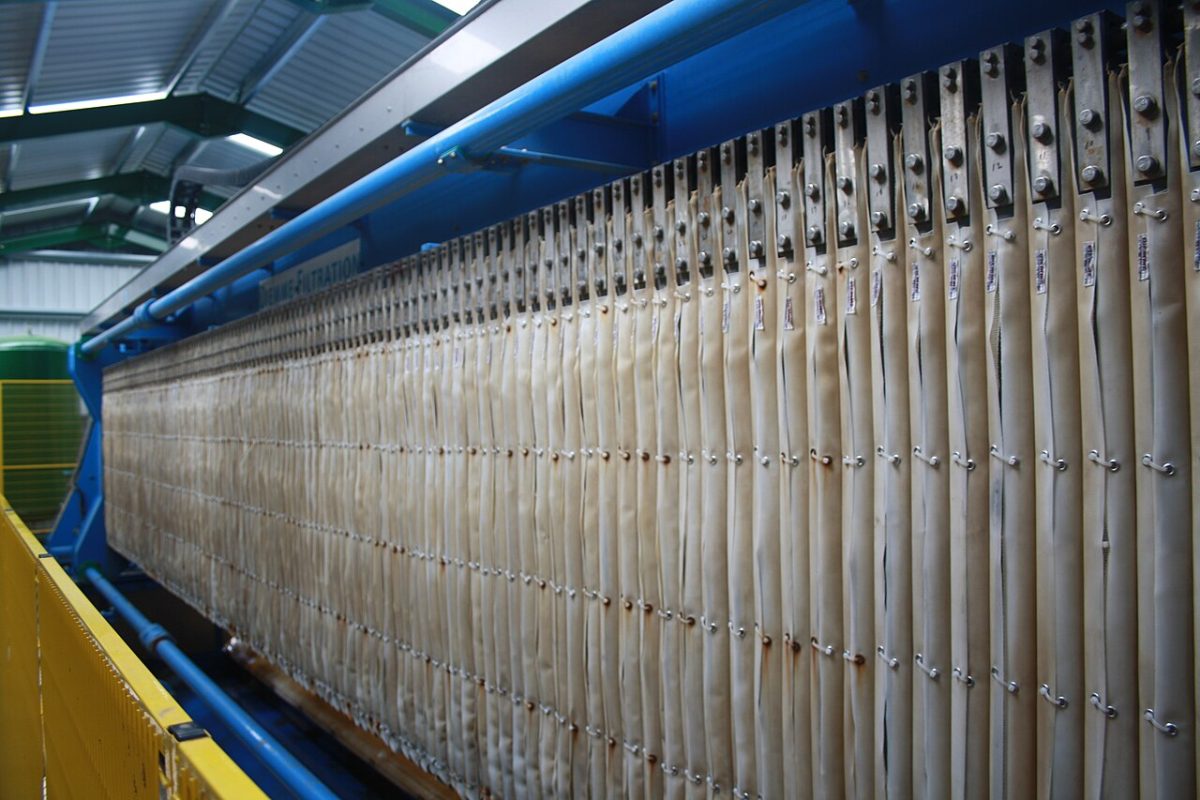
Chill filtration is one of the last steps before the whisky goes into the bottle. The whisky comes out of the cask, is usually brought down with water to the strength at which it is sold, and then goes through a filter. With chill filtration it is first cooled to around freezing point. Only when it is cold is it pressed under pressure through a pack of filter plates.
That cooling is the whole trick. A number of substances that stay neatly dissolved at room temperature clump together in the cold into particles large enough to be caught in the filter. Without that cooling, the same filter would simply let them through.
The habit dates from the time when whisky crossed borders in large quantities and ended up in shop windows and cold warehouses. A bottle that looked milky in the shop stayed on the shelf, however good the contents. Filtering solved that, which made it more an answer to a customer’s concern than an intervention in the product.
What makes whisky cloudy
It is about fatty acids, esters and protein residues. They come partly from the barley and partly from the oak, and they belong to whisky the way cloudiness belongs to freshly pressed apple juice. As long as there is enough alcohol in the bottle, they stay invisibly dissolved. If the alcohol content drops, or the temperature drops, they precipitate and you see a slight haze in the glass.
That haze is neither spoilage nor a fault. There is nothing wrong with the whisky, it has not turned and you can drink it without concern. It is simply not what most people expect when they pour a glass, and that is exactly why chill filtering started in the first place.
Why 46 percent is the limit
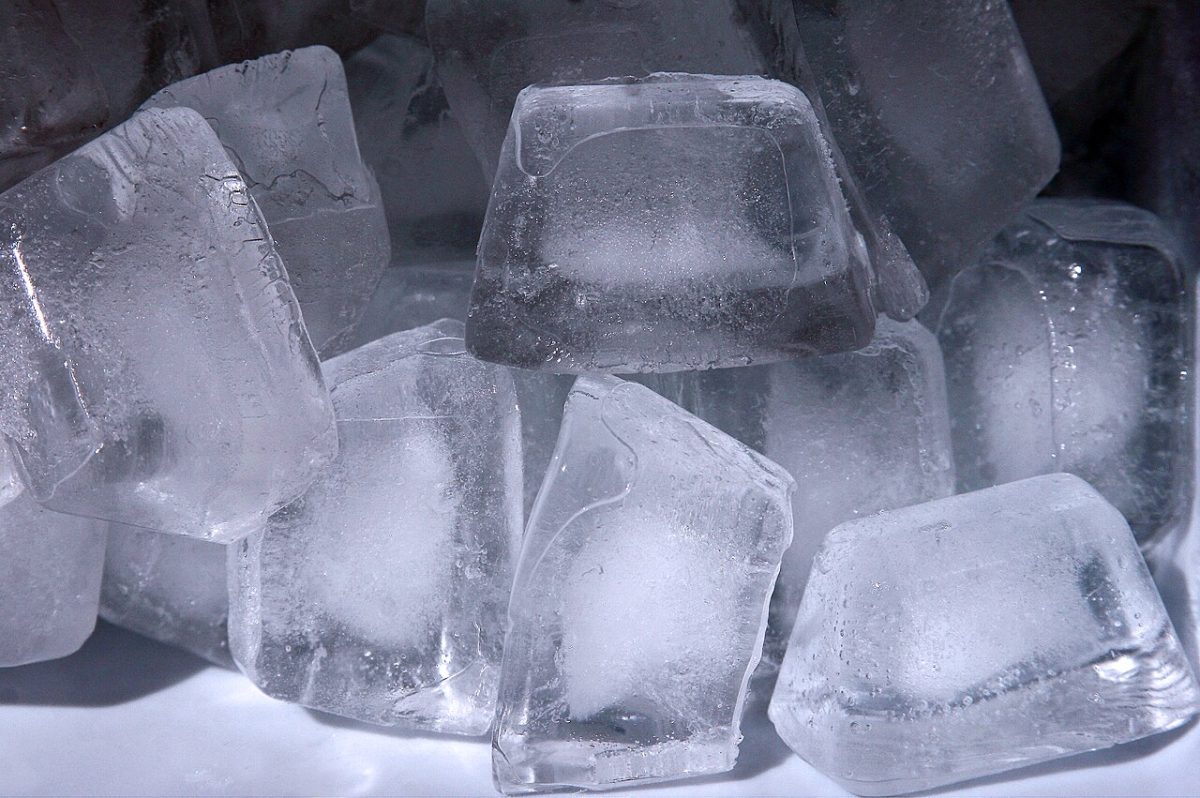
In practice the industry applies a rule of thumb: above roughly 46 percent alcohol those substances stay dissolved even in the cold, below that they do not. A whisky at 40 or 43 percent that is not chill-filtered can therefore turn cloudy as soon as an ice cube or a splash of water is added. A whisky at 46 percent or higher almost always stays clear.
That explains why the designation so often turns up together with a higher percentage. In our shop there are 2,658 whiskies at 46 percent or more, compared with 1,196 below it. For 44 bottles, the percentage is not in our data. Those who deliberately do not filter usually bottle in the first group, and with cask strength there is no reason to filter at all.
What it does to the taste, and what is not established
Honesty is part of this. That chill filtration removes substances is certain: that is the purpose of the step. That those substances contribute to flavour and above all to mouthfeel is what enthusiasts have been saying about it for decades. Words like fuller, oilier and rounder come up.
What is not established is how big that difference is. Tastings with two glasses side by side give varying results, and anyone who knows which glass is which often tastes what they expect. That is why we do not write here that one bottle is better than the other. What we do know you would rather hear from someone who has opened the bottle themselves, and for that you can call us or drop in.
How to recognise it on the bottle
There is no legal protection of the term, unlike the rules that do exist for age or origin. Any bottler may put non chill filtered on the label, and whoever does not need not mention that it was filtered. The absence of the statement therefore says little.
What you can look out for: the designation usually appears together with two other statements, namely the alcohol percentage and natural colour or its Dutch equivalent natuurlijke kleur. The latter means no caramel has been added to even out the colour. Houses that want to adjust their whisky as little as possible like to show those three things together. Independent bottlers do so more often than the big brands.
If your bottle is already open and has turned cloudy after a cold night, you do not need to do anything. Put it at room temperature and wait an hour or so; in most cases the haze disappears by itself once the whisky is warm again. If a small flake remains, it is at most a cosmetic flaw and no reason to put the bottle away.
Where to start
If you want to try the difference side by side, take a bottle that states it on the label and add a generous splash of water. If it turns cloudy, you know straight away that nothing has been filtered out. Below are four bottles from four different distilleries on which it is literally stated.
Read more
The entire range is in our whisky guide, where you can browse further by brand, country and region, and in the search engine of the wine & spirits shop. The Aberlour from the block above is on our page about Aberlour and can also be ordered in the online shop. If you would like to know where all those substances come from, read how whisky is made.