In the shop on the Brink there are 1,054 beers from 248 breweries side by side. A good share of them are best drunk within a few months. A smaller share only becomes interesting once it has been laid down for a year or longer. Both carry the same kind of date on the label.
That is why the question comes up so often at the counter. My beer is past its date, is it still OK? The short answer is almost always yes. The longer answer differs greatly per beer style, and that is what this page is about.
What that date on the label means
Almost every bottle of speciality beer says “best before”, followed by a month and a year. The brewer sets that date himself. What he is saying is: up to this point I guarantee the beer tastes as I intended. He is not saying the beer has to be thrown away afterwards.
Beer is also not a product in which pathogens thrive. The alcohol, the hops and the low acidity hold them back. A beer past its date is therefore not a spoiled beer. It is a different beer from the one the brewer had in mind: usually flatter, sometimes rounder instead.
With the heaviest bottles, by the way, you will look for that date in vain. The European labelling rules do not require a best-before date for drinks above ten percent alcohol. A barley wine or an imperial stout of eleven percent may therefore go without, and that is no carelessness on the brewer’s part.
What makes a beer go downhill
Three things work on your beer: oxygen, light and heat. All three do it slowly, and they reinforce each other.
There is always a small amount of oxygen in the bottle, however carefully it is filled. It reacts with substances from the malt and eventually produces a papery, cardboard-like note. In a heavy dark beer this goes unnoticed for years. In a pilsner or a fresh IPA you will notice it within a few months.
Light is the fastest of the three. Ultraviolet light breaks down the hop compounds, and what remains gives a sharp, musky smell that judges call lightstruck. Brown glass blocks the most, green glass quite a bit less, clear glass virtually nothing. A bottle that has stood in the sun for an afternoon has deteriorated more than a bottle that has lain in the dark for a year.
Heat simply speeds up everything. At twenty degrees every reaction in the bottle runs noticeably faster than at ten. A crate in a warm attic is therefore the worst place you can think of.
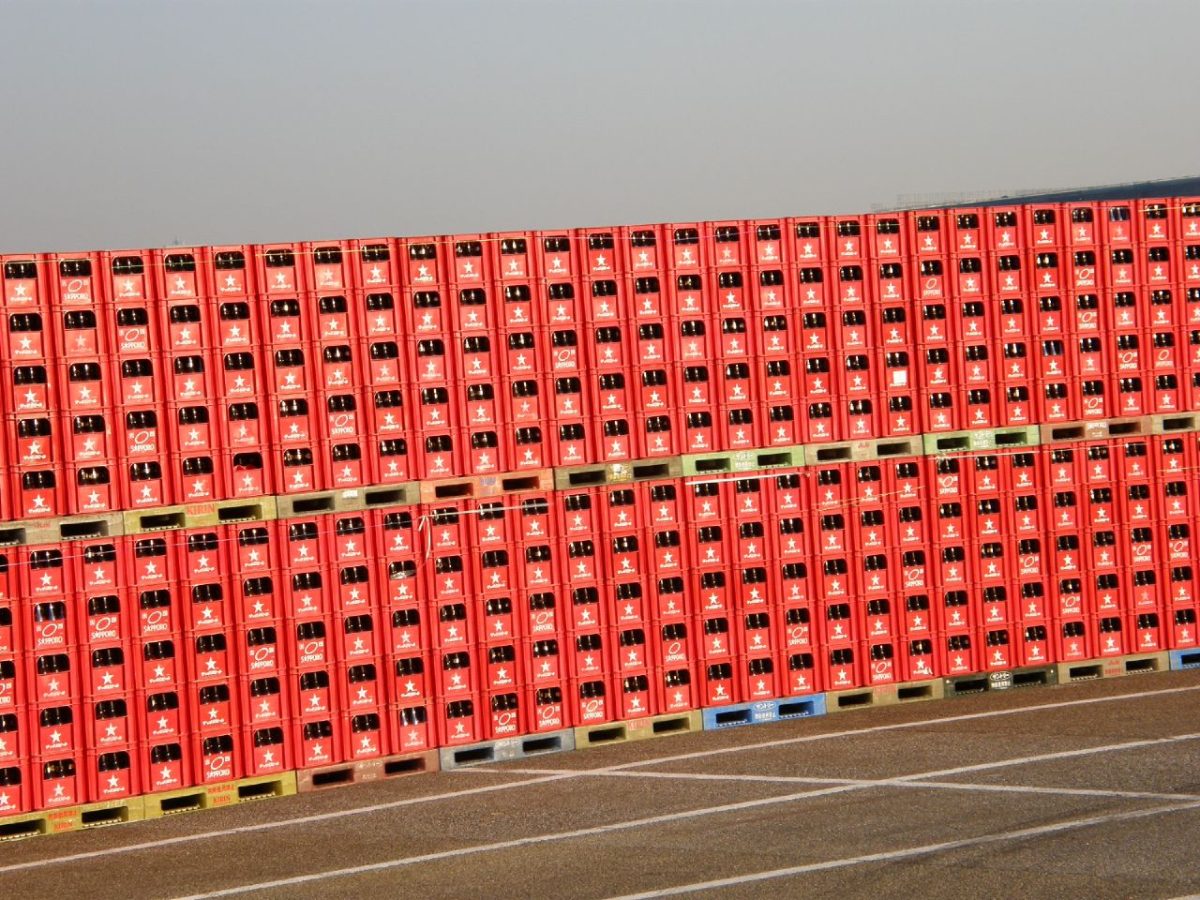
The result is that the styles that depend on hops and freshness lose their appeal first. A NEIPA, a session IPA, a witbier, a weizen and a pilsner are best drunk as young as possible; with the heavily hopped styles, half a year is already noticeable. You notice it in the hop aroma that fades, in a head that collapses faster, and eventually in that cardboard-like note. Which style is which is covered in our overview beer styles at a glance.
Which beers actually improve with keeping
On the other side of the shelf are the bottles that time works for. These are almost always beers with three properties at once: high alcohol, plenty of malt and refermentation in the bottle.
The alcohol protects, the malt provides the dark tones that only unfold properly with age, and the living yeast in the bottle keeps working slowly. Quadrupels, barley wines, imperial stouts and the heavier abbey and Trappist beers belong to that group. A year or two of rest makes such a beer softer and rounder, and the sharp edges of the alcohol wear off.
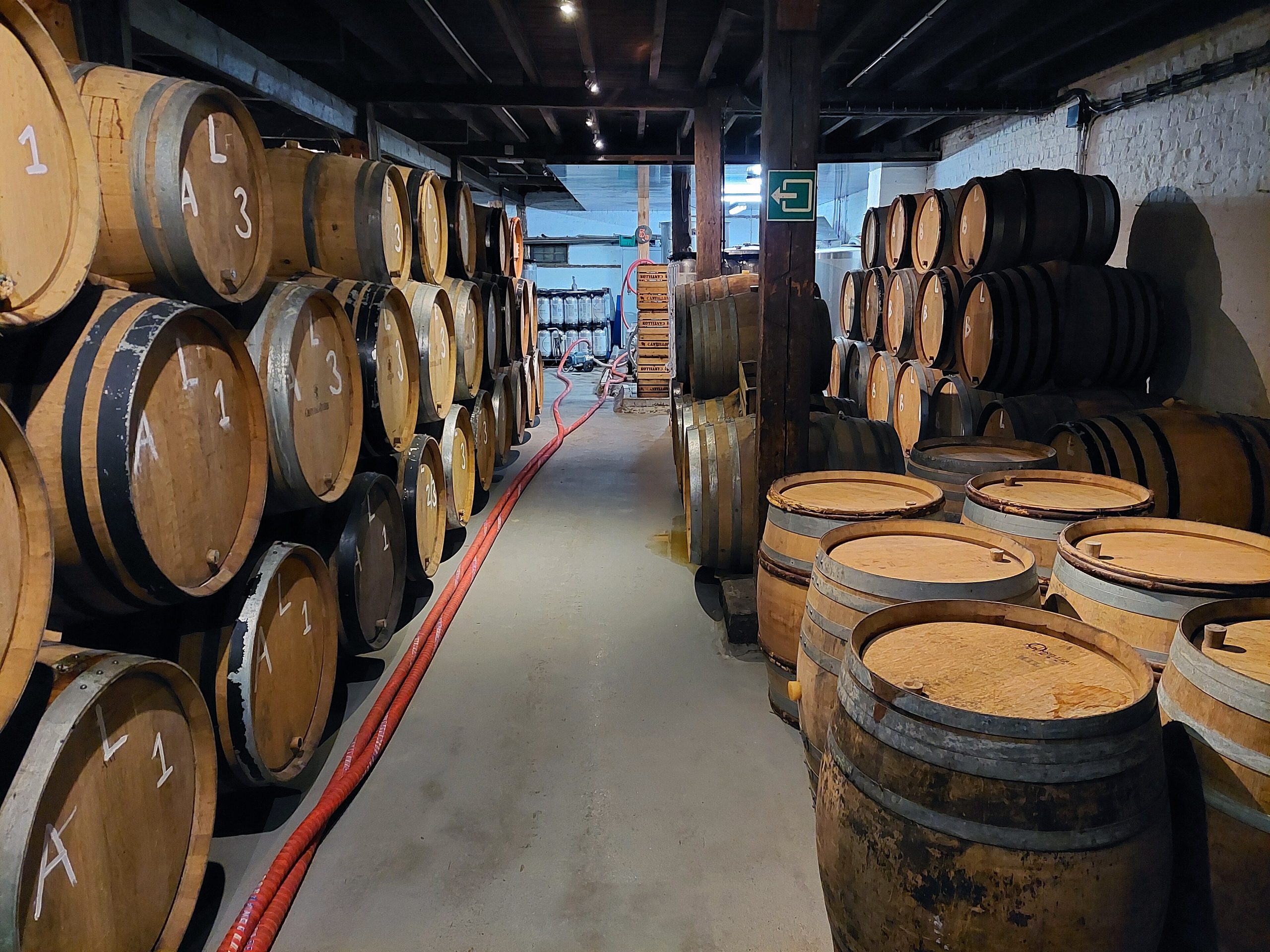
A case apart are the beers of spontaneous fermentation. Lambic, gueuze and the Flemish red-brown beers first mature for years in large oak foeders and then continue quietly in the bottle. With an old gueuze the best-before date is really a starting gun.
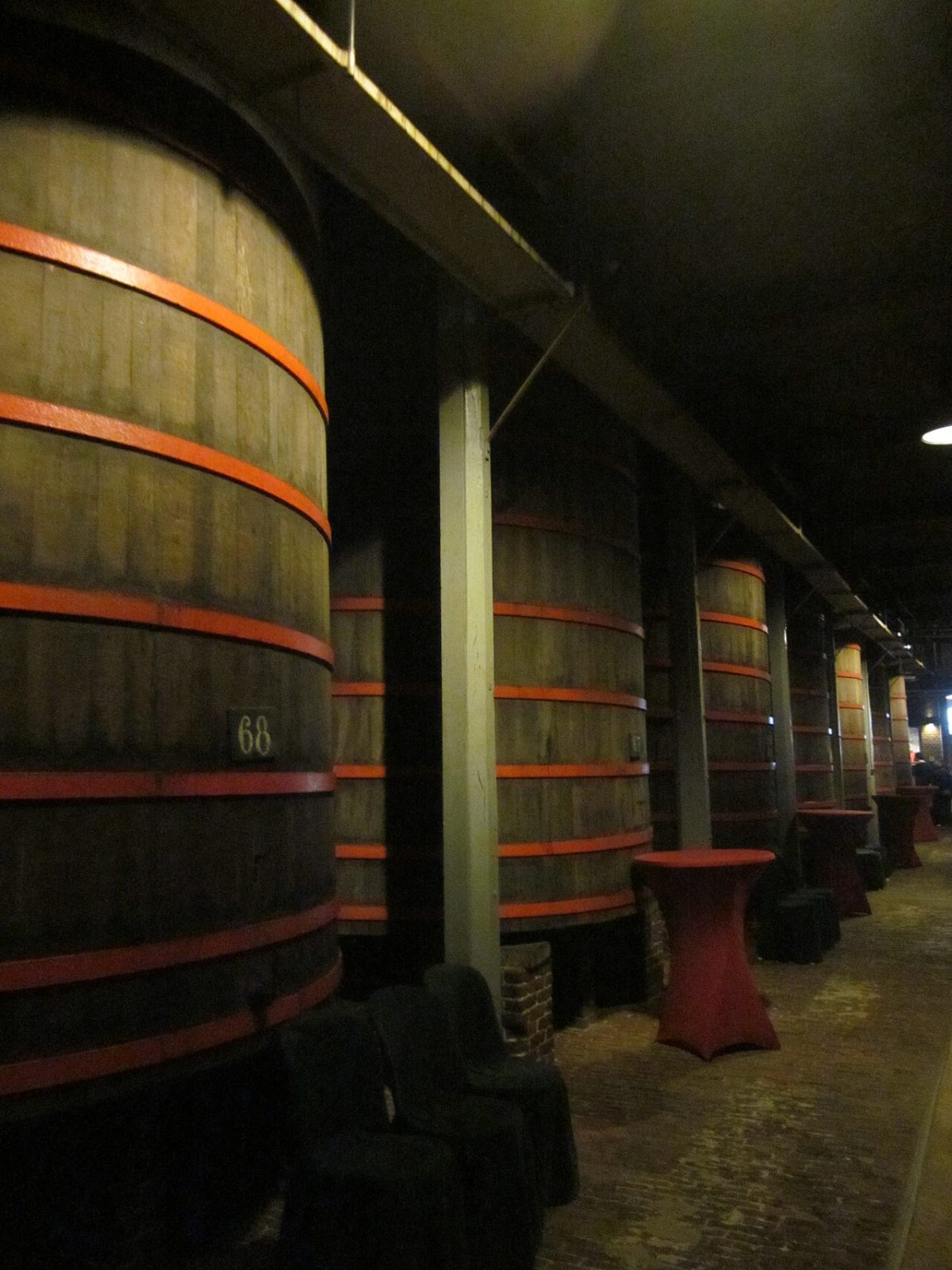
Cask-aged beers fall in between. A stout that has lain in a whisky or rum cask has already taken on the wood notes before the bottle was closed; you do not need to put that away for years, but it can take it. What no beer tolerates is a place that is light and warm. A beer that has been stored badly does not get better by waiting.
How to store beer, and what may go in a package
The rules are short: dark, cool and upright.
Dark speaks for itself. In the box, in the cupboard, in the cellar, not in view on a windowsill. Cool mainly means stable: better ten to fourteen degrees than a room that goes up and down ten degrees in a day, because fluctuations are worse than a slightly too high temperature. And upright, so that the yeast sediment stays neatly on the bottom and the beer does not touch the crown cap.
That last point also applies to a beer package. A package that sits on the shelf for a few weeks before it is unpacked is better not filled with bottles that are at their best right now. Put in the beers that can wait, and if you like, add a note saying which bottle may be opened first. How to divide the styles over such a package is explained in putting together a beer package yourself. If you would rather have something ready-made, take a look at our beer gifts.
Where to start
If you want to experience for yourself what a year does to a beer, buy two identical bottles of a heavy dark beer. Drink one tonight and put the other at the back of the cupboard. That is the only test that really tells you anything, because it compares a beer with itself and not with another label.
Below are four bottles from our range that lend themselves well to this, from four different houses: an oude geuze, a Belgian strong dark ale, a barley wine and a barrel-aged imperial stout. Of the Boon Geuze Mariage Parfait you can safely take two at once; that bottle is made precisely to be laid down.
Read more
The full shelf of 1,054 beers from 248 breweries is on our beer page, and you can also search through it by brewery, style and country. About the crate all that beer travels back and forth in, we wrote earlier on the deposit on a crate of beer. And how the beer gets into that bottle can be read in brewing beer, from malt to bottle in nine steps.