As soon as it gets colder outside, the talk in our shop turns to beef stew. Not to the recipe, because almost everyone knows that more or less. The question asked at the counter is invariably the same: which beer should go in.
And there really is something to choose from. In Bathmen there are 892 different beers from 251 brands on the shelf, and the four styles you most often come across in a stew pot are all among them. Which bottle you pick determines the flavour of the sauce more than any other ingredient.
First the recipe, then the discussion
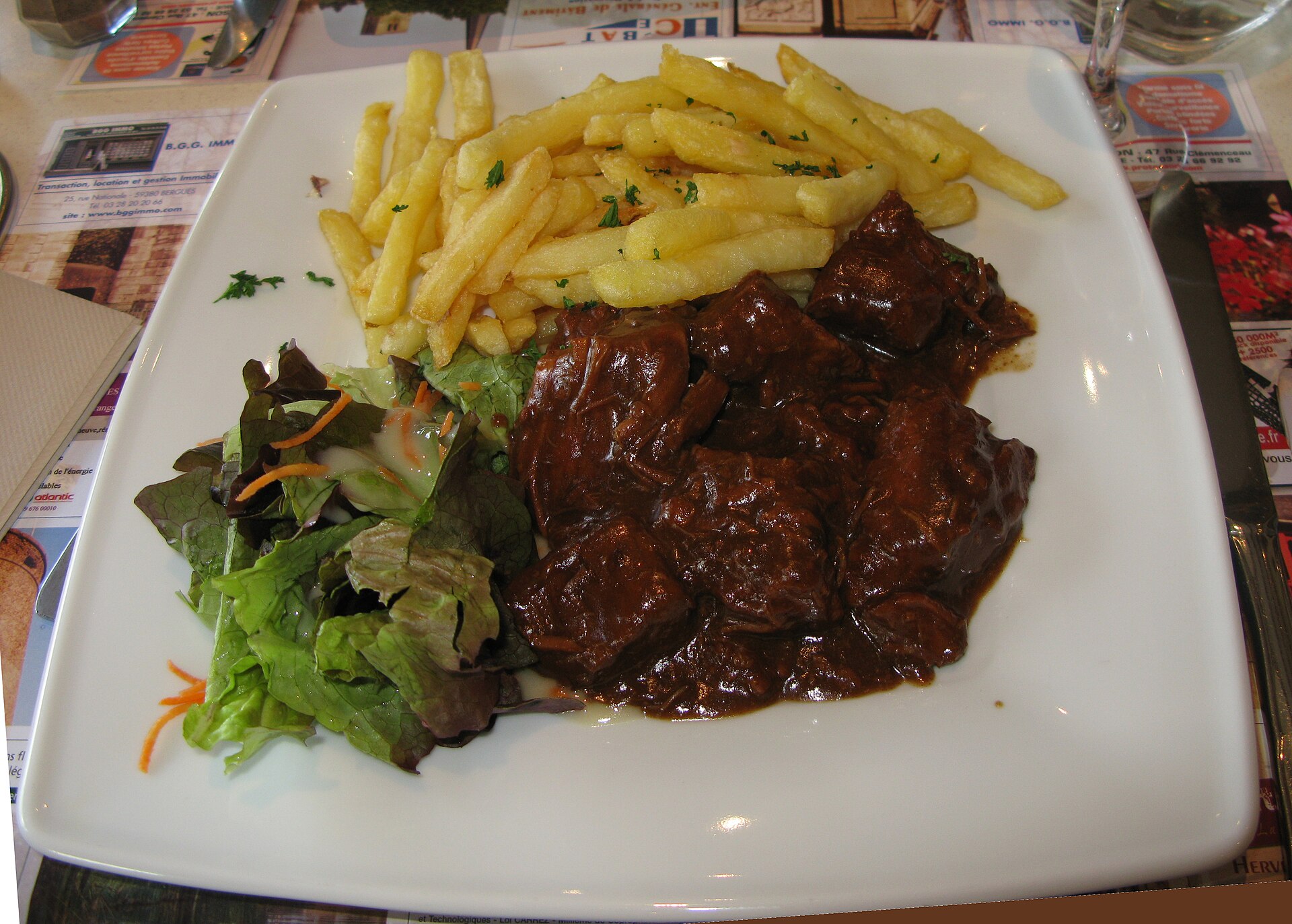
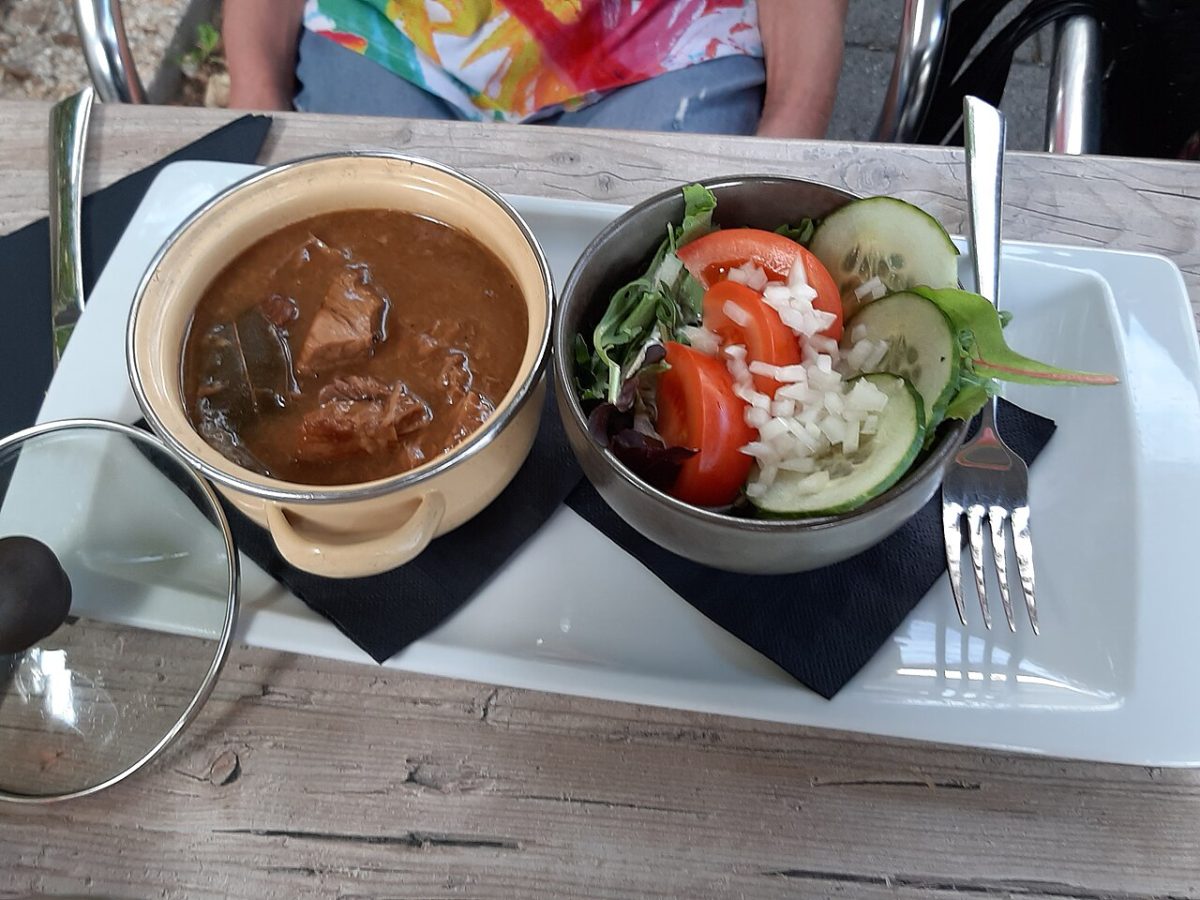
Flemish beef stew, called carbonade or stoverij in Belgium, is a dish of four things: beef, onions, beer and time. For four people you need:
- a kilo of braising steak or stewing beef, in coarse chunks of about four centimetres
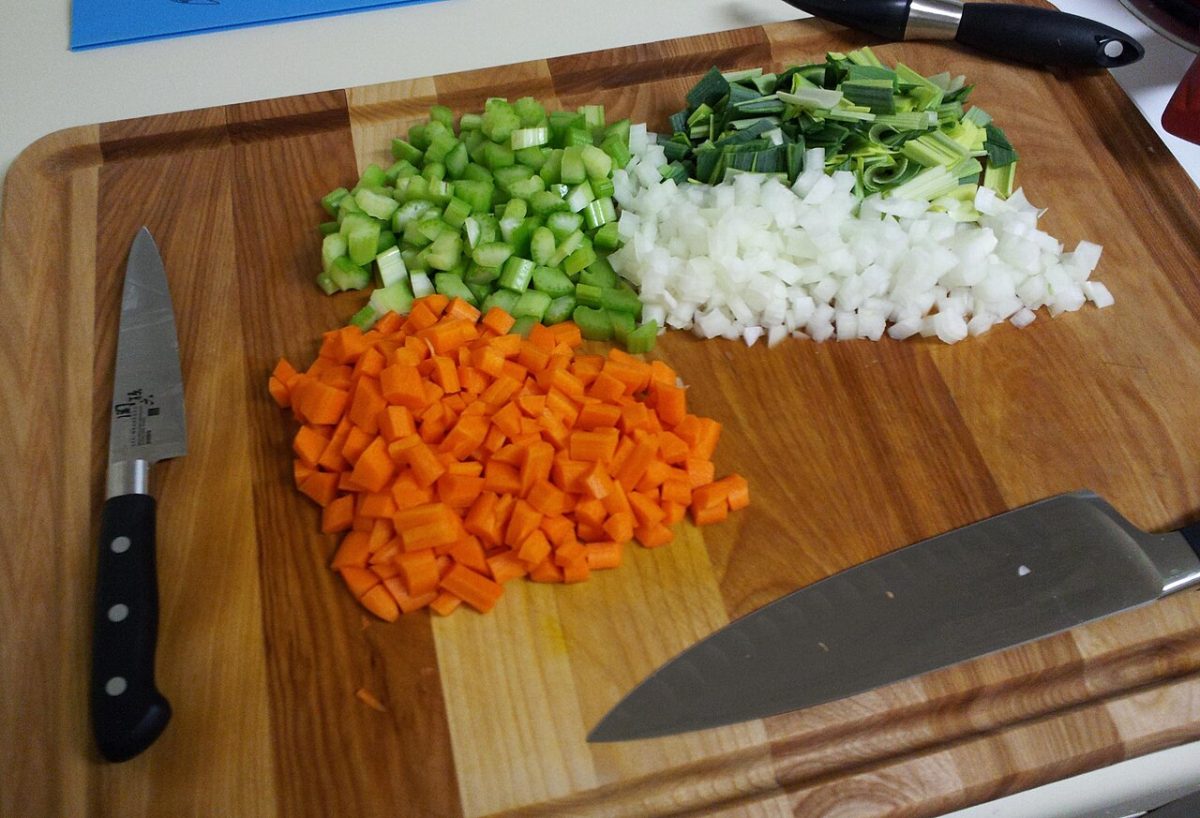
- five hundred grams of onions, in half rings
- fifty grams of butter
- a 33-centilitre bottle of beer
- a generous tablespoon of mustard
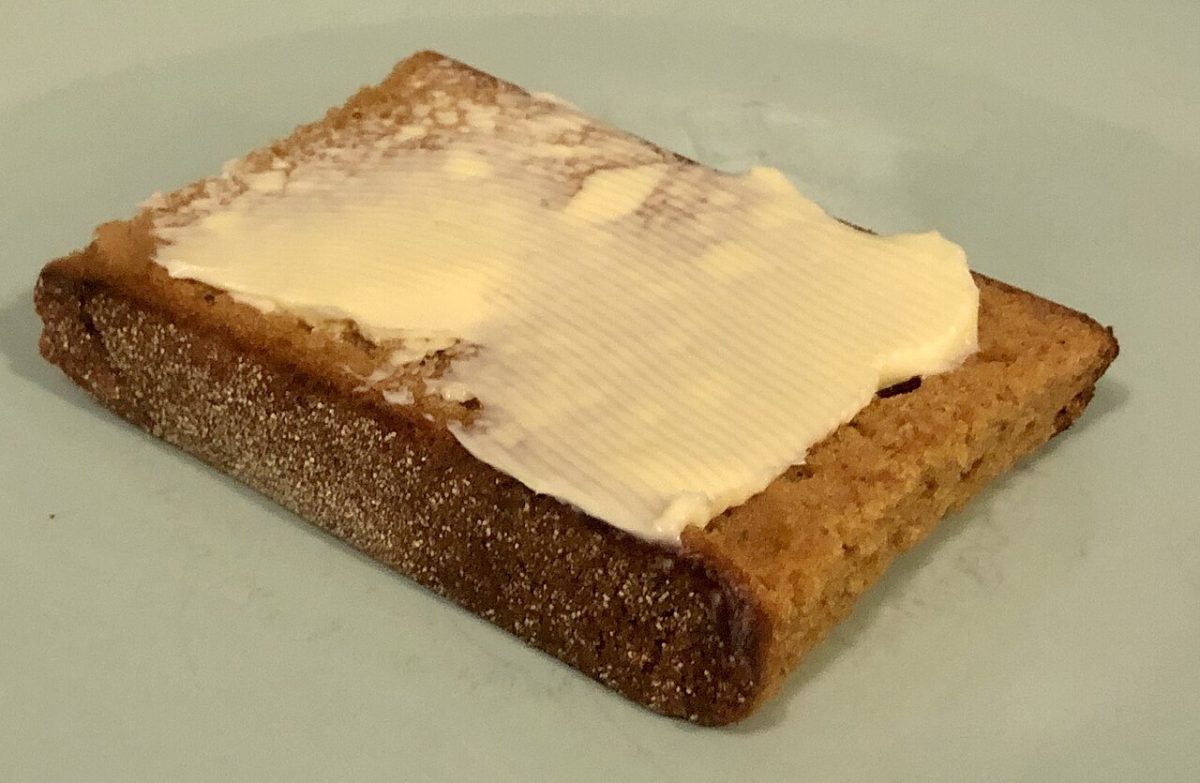
- a slice of brown bread, or two slices of spice cake
- two bay leaves, a few sprigs of thyme, three cloves
- a tablespoon of vinegar, salt and pepper
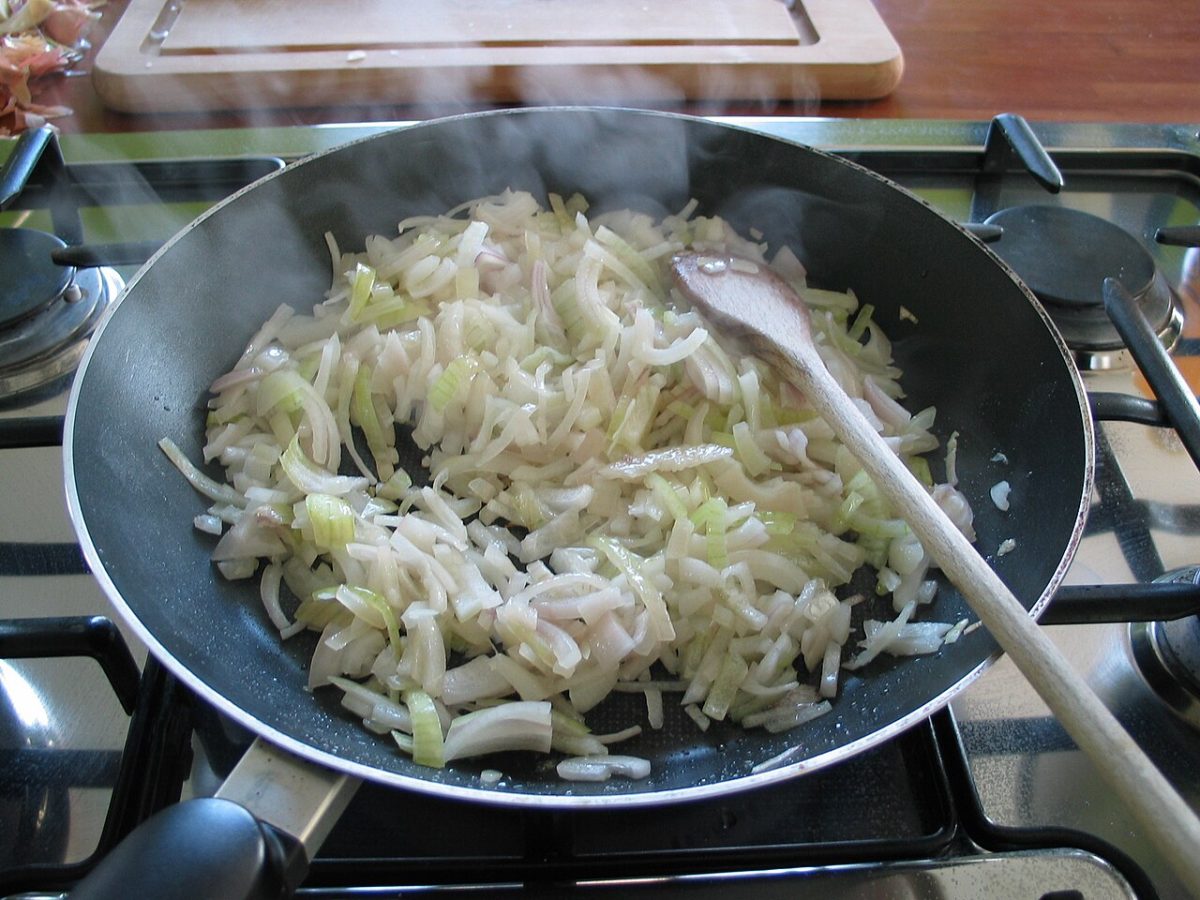
Pat the meat dry and brown it in batches in the butter. Not too much at once, or it will boil instead of colouring. Take the meat out of the pan and fry the onions on a low heat for a quarter of an hour until golden brown and sweet.
Return the meat, deglaze with the beer until the meat is just covered, and add the herbs and the vinegar. Spread the slice of bread thickly with mustard and place it on top, mustard side down. Lid on, heat as low as possible, and then leave to simmer for two and a half to three hours. After an hour, stir the bread into the sauce.
What the beer does in the pan
Beer does three things at once. It provides liquid, it provides flavour from the malt, and it provides residual sugar that caramelises further during stewing. That last point is why a stew with beer turns out darker and fuller than one with stock.
What beer does not do is make meat tender. That idea is persistent, but braising steak becomes tender because the connective tissue turns into gelatine at low temperature over a long time. That happens just as well in water. The beer is there for flavour, not for texture.
There is one thing you need to watch out for, and that is bitterness. Hops provide bitter compounds that do not evaporate and hardly break down during hours of gentle simmering. The water in the pan does evaporate. So you end up with less liquid containing the same amount of bitterness. A beer that is pleasantly bitter in the glass can become sharp and harsh in the sauce after three hours of reducing.
That is why a malty, rounder beer almost always works better in a stew than a hoppy beer. An IPA is fantastic in the glass and a risk in the pan. Alcohol largely evaporates during stewing, but not completely, and the longer the pan stands without a lid the less remains.
Four beers, four outcomes
A dubbel is the most predictable choice. Dark malt, dried fruit, caramel and little hop bitterness: exactly what you want when it has to reduce for hours. The sauce turns dark and slightly sweet, and the beer fights nothing. If in doubt, take a dubbel.
An oud bruin does something else. The Dutch oud bruin is low in alcohol, sweet and hardly bitter, which makes it almost indestructible in a stew pot. The Flemish oud bruin is sour and wood-aged, and brings a fresh counterpoint to the fat in the meat. Both work, but they produce two very different sauces.
A tripel is the trickiest of the lot. Light in colour, strong, dry and spicy, often with a firm hop bitterness. In the pan you get a lighter sauce with a spicy note, but you run the greatest risk of that sharp bitterness at the end. Works best with veal or chicken, less so with heavy beef.
A stout gives the heaviest sauce. The roasted malt brings coffee and cocoa and colours the pan almost black. That is beautiful, but roasted malt has a burnt bitterness of its own, so stick to an ordinary stout and not a heavy imperial stout.
Our own advice at the counter is usually simple: use the beer you will also drink with it. You will need the other half of the bottle anyway.
Mustard, bread and spice cake
The slice of bread with mustard is not folklore. The bread falls apart during stewing and binds the sauce without flour, and the mustard brings acidity and sharpness that break down the fat in the sauce. Mustard seed contains substances that lose their sharpness when heated, so what you add at the beginning tastes milder at the end than you would think. If you want it sharper, stir in another spoonful just before serving.
Spice cake does the same job but from the other side. It also binds, but adds sweetness and spices: cinnamon, clove, ginger, anise. Combined with a dubbel or an oud bruin, that quickly becomes too sweet. So choose either the bread with mustard or the spice cake, not both at once.
The vinegar is the third knob you can turn. A stew that tastes flat almost always needs acidity, not salt. If you are using a Flemish oud bruin, the beer already brings the acidity and you can leave out the vinegar.
Where to start
Of the 892 beers we stock in Bathmen, 445 come from the Netherlands and 313 from Belgium. Among them are 102 tripels and 31 stouts and porters. Enough to get through a winter, and enough to discover that the same pot of meat becomes a different dish with a different beer.
Four bottles to start with, from four different breweries. If you can't decide, drop by or call 0570 541 278.
Read more
All the beers we stock are together on our beer page, and you can search through them yourself in our beer range. You will find the breweries by name in the overview of breweries.
If you first want to know what the style names mean, read beer styles at a glance, from tripel to stout. We wrote about the houses behind the bottles in this piece under Westmalle and Gulpener, and the broader story is on our page about Belgian beer.