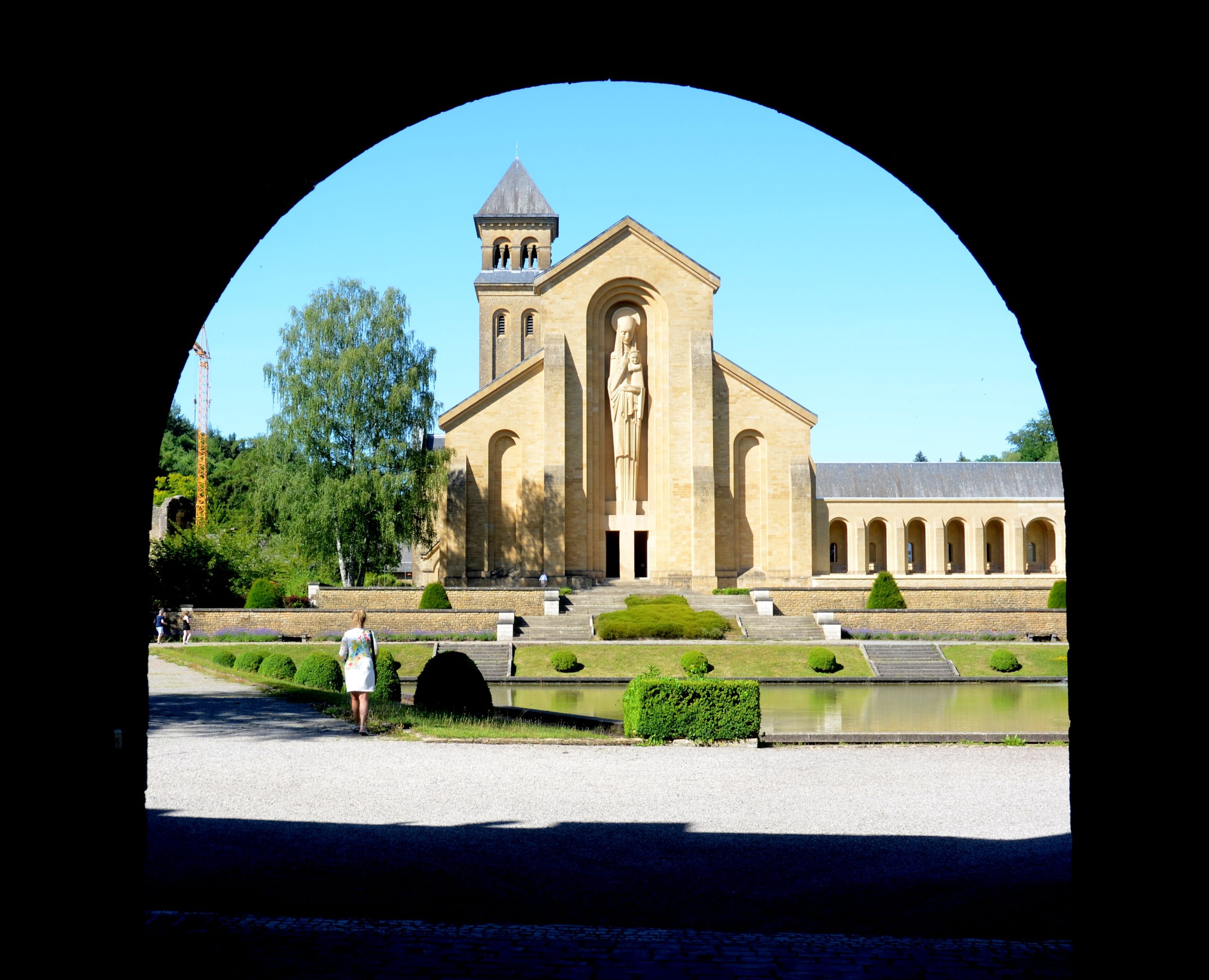
Of the 892 beers on our shelves in Bathmen, 313 come from Belgium. More than one in three, and it is also the corner most questions are about. They usually start with one word: Trappist.
What that word covers, and why it is something different from abbey beer, is worth looking into. Behind it lies a second story, about beer that has no yeast added at all.
Trappist and abbey beer are not the same
Trappist says nothing about colour, flavour or strength. It says where the beer comes from and under what conditions it was made.
It all revolves around the hexagonal logo with the words Authentic Trappist Product, a collective mark of the International Trappist Association. It was founded in 1997 by a number of monasteries to protect their name. Three conditions apply. The beer is brewed within the walls of a Trappist abbey, by or under the supervision of the community. The brewery is subordinate to the monastery and is not run to maximise profit. And whatever is left over goes to the upkeep of the abbey and to charity. So it is an agreement among monasteries, not a protected designation of origin such as exists for cheese or wine.
In Belgium, five abbeys currently carry the label for beer: Westmalle, Westvleteren, Chimay, Orval and Rochefort. Achel belonged to them for a long time but lost it in 2021, when no monks were living in the community any more. In the Netherlands, La Trappe brews under the label in Berkel-Enschot, and Zundert is home to the second Dutch Trappist brewery.
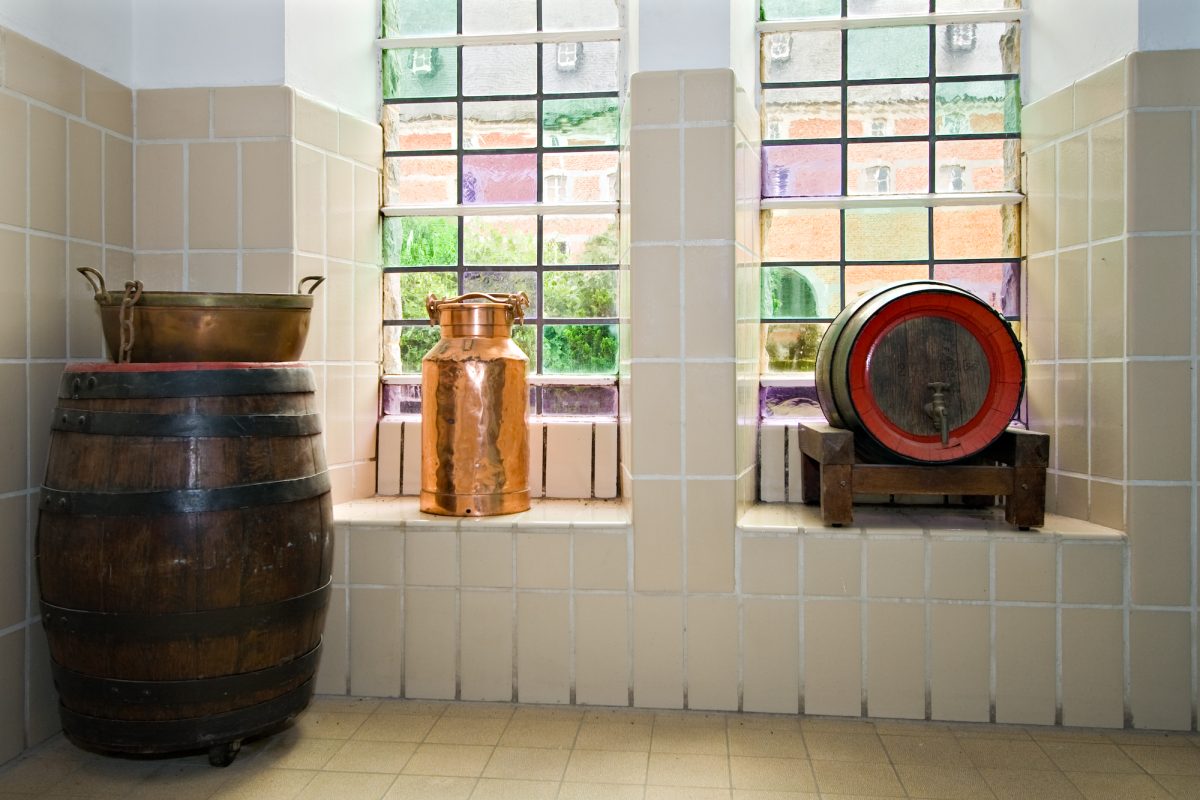
Abbey beer follows a lighter arrangement. For this there is the Erkend Belgisch Abdijbier logo of the Belgian brewers’ federation. No monk needs to be involved. There must, however, be a demonstrable link with an existing or vanished abbey, the abbey or its legal successor must retain control over the use of the name, and part of the proceeds goes to the abbey or to charity. The brewing itself takes place in an ordinary brewery.
There is also a third group, and it is the largest: beers with a monastic-sounding name and a monk on the label, without any connection to an abbey. That is perfectly allowed. So look at the logo, not the picture.
The words dubbel, tripel and quadrupel do not belong here: they are about colour and strength, not origin. What they do mean is explained in our piece on beer styles, linked at the bottom.
In the Zenne valley, the outside air does the work
Almost all the beer in the world is fermented with yeast that the brewer adds himself, from a cultivated and monitored strain. In a narrow strip south-west of Brussels, along the Senne and in the Pajottenland, things work differently.
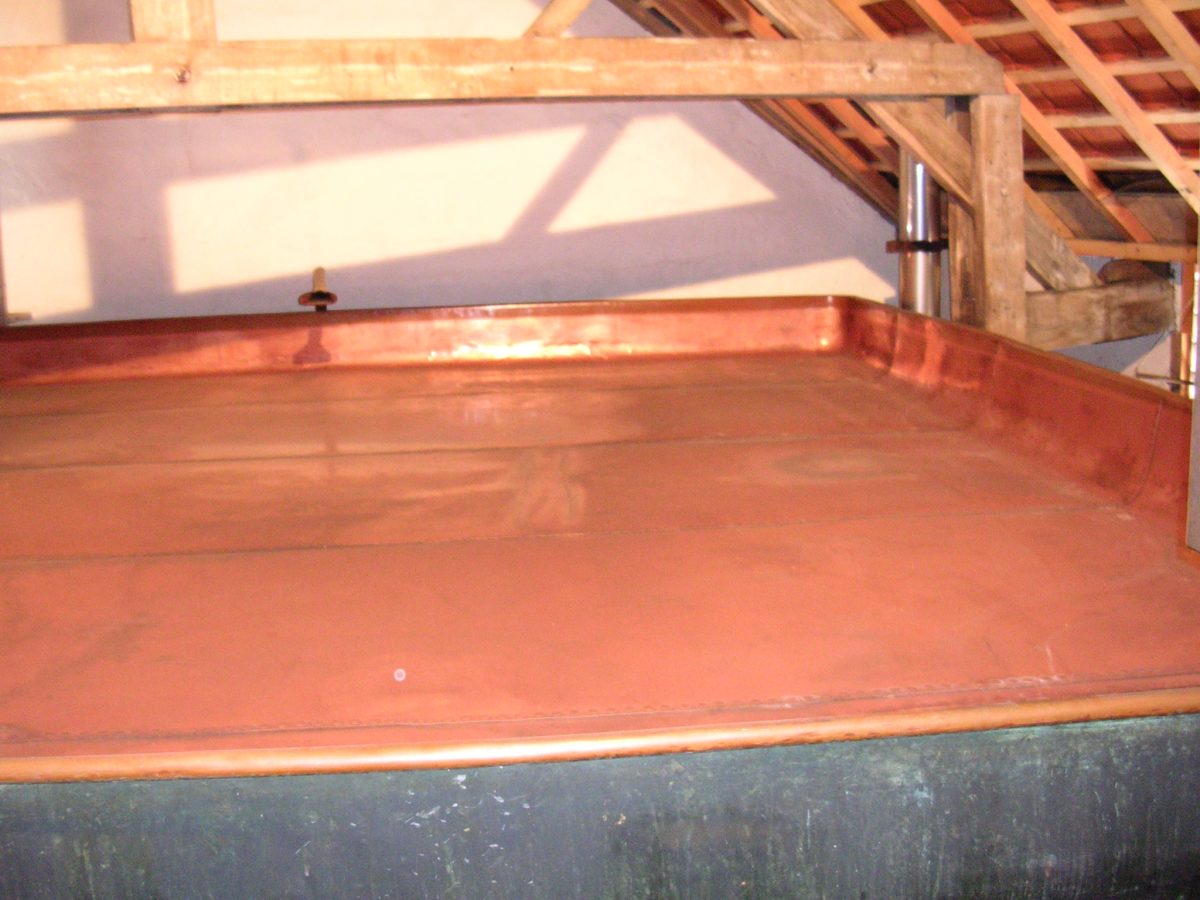
That is where lambic is brewed. After boiling, the wort does not go into a closed tank but into a coolship: a shallow open vessel, usually just under the roof, with shutters that open. In a single night the wort cools down and picks up whatever is floating in the air and in the building. Wild yeasts and lactic acid bacteria, with Brettanomyces as the best-known name in that company.
The beer then goes into wooden casks and stays there for months to years. Two things stand out about the recipe. Besides barley malt it contains a sizeable share of unmalted wheat, and the hops are deliberately old. Aged hops have lost their aroma but keep their preservative effect, and that is exactly what you need for beer that lies in cask for years.
There is also a season. Brewing is only possible in the cold months, roughly from October to April. In summer there is too much, and the wrong things, in the air.
Geuze and kriek: blending, and then waiting
Lambic on its own is flat and without foam. What you find in the shop is almost always a product made from it.
Gueuze is a blend. The blender mixes young lambic of about a year old with older lambic of two or three years. The young one still contains fermentable sugar, the old one carries the character. In the bottle, fermentation therefore starts again and carbonation develops naturally, just as with champagne. After that, the bottle still needs to rest for months.
Kriek is lambic with sour cherries, framboise with raspberries. The fruit goes into the cask with the beer, the yeast eats the sugar, and what remains is colour and fruit without sweetness.
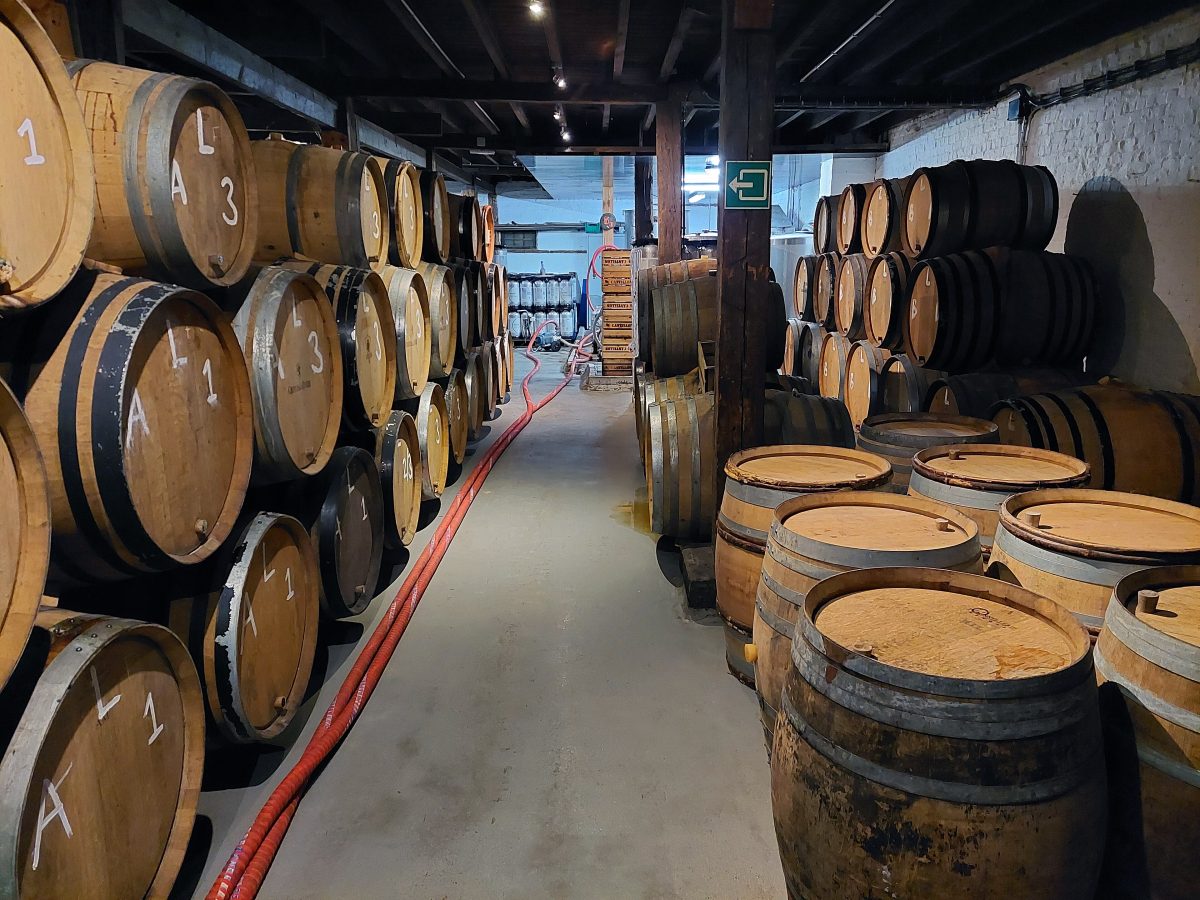
Here there is a difference from trappist that is worth noting: with geuze, the name is legally protected. Oude geuze and oude kriek have been on the European list of traditional specialities guaranteed since 1997. If the word oude is on the label, it has been made according to the traditional method: spontaneous fermentation, refermentation in the bottle, no sweetener added afterwards. If that word is missing, it may have been sweetened and filtered.
Why Belgium has so many yeasts of its own
Ask a Belgian brewer where his flavour comes from and the answer is often about yeast. Many houses work with their own strain that they have kept in-house for generations. At the higher temperatures at which top-fermented beer ferments, those yeasts produce compounds that you taste as banana, clove, pepper or ripe fruit. That is not added; it comes from the fermentation itself.
That so many of these yeasts continued to exist side by side has to do with history. When large parts of Europe switched in the nineteenth century to bottom-fermented beer from cool cellars, many small breweries in Belgium simply kept working with top fermentation. There was never a moment when everyone moved to the same recipe.
There is a second reason, and it is less romantic. In 1919 Belgium banned the sale of spirits in cafés, and that ban lasted until 1983. Brewers saw an opening and started making stronger beers. The strong blond and dark beers the country is now known for are therefore partly the result of drinks legislation.
Where to start
313 beers is too many to take in at once, so here are two starting points. If you want to know what a monastery does with beer, start with one of the five Trappists. If you want to know what wild yeast does, start with a gueuze or a kriek. Otherwise, visit us in Bathmen or call +31 570 541 278 and we will help you choose.
Keep browsing
All the Belgian beers we stock are on the Belgian beer page. The Trappists have their own overview at Trappist beer, with a page per house: Westmalle, Chimay, Orval, Rochefort, Abdij St-Sixtus, Achel and La Trappe.
For spontaneous fermentation, see oude geuze, Boon and Lindemans. All the breweries we stock are listed under breweries, and the whole section starts at beer.
What dubbel, tripel and quadrupel mean, and how stout, saison and witbier relate to them, you can read in Beer styles at a glance: from tripel to stout. If you prefer to search yourself, you can do so in our full beer range.