Sloe gin
Sloe gin is a liqueur, made by steeping sloe berries in gin, optionally supplemented with sloe berry juice. The European regulation on spirit drinks gives sloe gin its own category, with a minimum of 25 percent alcohol. Legally it is therefore not gin, but a liqueur based on gin. The shop on the Brink in Bathmen currently has 6 bottles of sloe gin from England, Scotland, France, Germany and the Netherlands.
- 6bottles in the shop
- 5brands
- 5countries
- 26–30%alcohol
What is sloe gin?
Sloe gin is gin in which sloe berries have steeped. The blackthorn, Prunus spinosa, is a shrub of the rose family. The Royal Botanic Garden Edinburgh describes the fruit as blue-black and, for humans, bitter and inedible; the berries can be found on the shrub in autumn and are used to flavour drinks, with sloe gin as a well-known example.
In English the berries are called sloes, hence the name. In Dutch you will sometimes see sleedoorngin, but the labels in the shop almost always say sloe gin.
What does the law say about sloe gin?
Regulation (EU) 2019/787 governs spirit drinks in the European Union. Annex I lists sloe gin as category 35. According to that text, sloe gin is a liqueur made by macerating blackthorn berries in gin, with possibly added blackthorn berry juice. The minimum alcohol content is 25 percent.
The regulation sets two further requirements. Only natural flavouring substances and flavouring preparations may be used when making sloe gin. And the legal name may be supplemented with the word liqueur. Sloe gin thus has its own definition, separate from the categories for gin itself.
Sloe gin at ’t Bockje
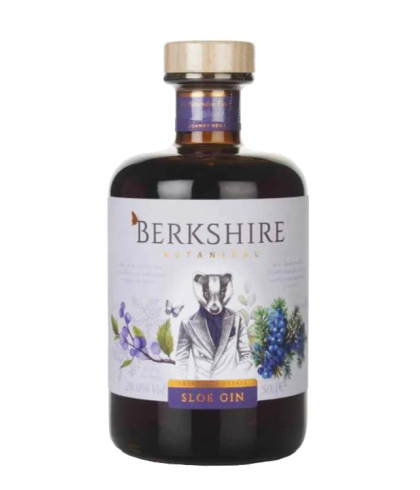
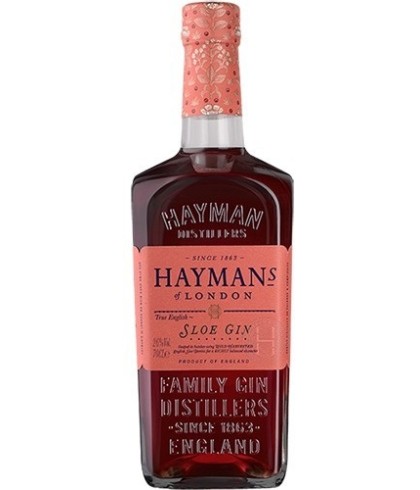
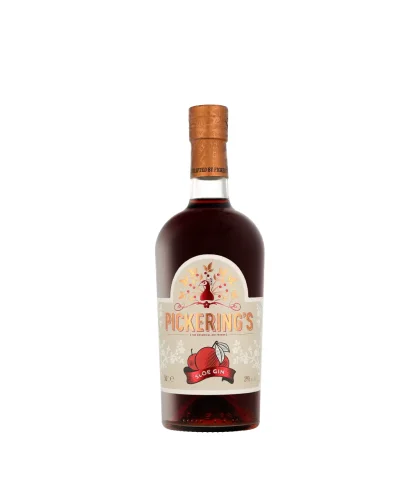
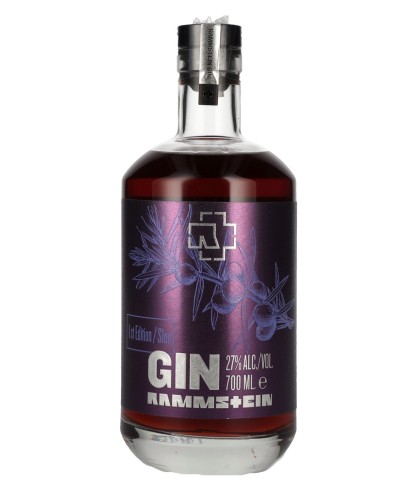
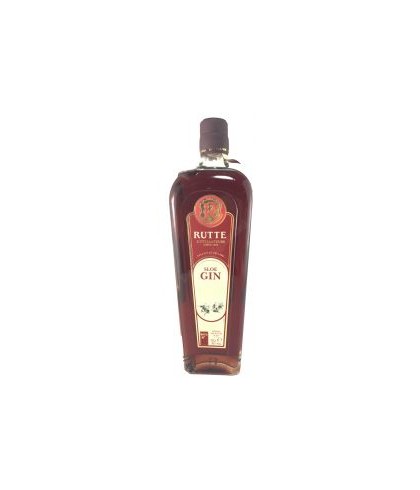
A selection of the 6 bottles now in the shop at the Brink.

In brief
| Legal category | Category 35, Annex I of Regulation (EU) 2019/787 |
|---|---|
| Type of drink | Liqueur |
| Raw material | Sloe berries (Prunus spinosa) and gin |
| Method | Maceration of sloe berries in gin, optionally with sloe juice |
| Minimum alcohol content | 25 percent |
| Aromas | Only natural flavourings and aromatic preparations |
| For comparison | Gin at least 37.5 percent, liqueur at least 15 percent |
| In the shop | 6 bottles |
Is sloe gin a gin or a liqueur?
Legally, sloe gin is a liqueur. The regulation literally calls it that, and gives it its own category alongside gin. Gin must have at least 37.5 percent alcohol; for sloe gin the lower limit is 25 percent. An ordinary liqueur only has to reach at least 15 percent according to the same regulation, so sloe gin sits in between.
The gin is the starting point, though. Without gin there is no sloe gin: the berries have to steep in gin. In practice that makes it a drink that sits with gin on the shelf, even though legally it falls under liqueurs.
How is sloe gin made?
The basis is simple: let berries steep in gin. Hayman's in England steeps wild-picked sloe berries for up to four months in its own London dry gin and bottles the sloe gin at 26 percent. The Gin Guild gives a steeping time of three to four months for the same bottle, according to an old family recipe.
Not every maker sticks to steeping alone. Rutte in Dordrecht first made its sloe gin in the seventies, according to the house, with berries from the Biesbosch. Rutte uses the classic method, but also distils the berries: the bottle is a blend of berries steeped in gin, a distillate of sloe berries and a small portion of malt wine and herbs.
How is sloe gin drunk?
Neat, with tonic or with bubbles. Hayman's suggests sloe gin neat, with a citrus tonic or with sparkling wine. For a Sloe Royale, the house pours 35 ml of sloe gin into a flute and tops it up with sparkling wine. Rutte likewise mentions a Sloe Royal and a sloe gin with tonic.
According to the Gin Guild, sloe gin is traditionally drunk around the holidays. The same source mentions a Sloe Gin Cooler: 50 ml sloe gin in a long drink glass with ice, topped up with bitter lemon. Hayman's also uses sloe gin in the kitchen, instead of red wine in a stew of venison or duck.
Which sloe gin is in the shop?
The shop currently has 6 bottles of sloe gin, from England, Scotland, France, Germany and the Netherlands. Hayman's Sloe Gin and Berkshire Botanical Sloe Gin come from England. Pickering's Sloe Gin comes from Scotland, Nusbaumer Jos'Berri Sloe Gin from France and Rammstein Sloe Gin from Germany. From the Netherlands, Rutte Sloe Gin is on the shelf, from Dordrecht.
Would you like to know how a bottle is made, or are you looking for a sloe gin for a cocktail or a gift? Feel free to call or drop by ’t Bockje at Brink 2 in Bathmen.
Brands in this selection
- Berkshire Botanical 1
- Hayman’s 1
- Pickering's 1
- Rammstein gin 1
- Rutte 1
What customers also ask
Is sloe gin real gin?
No, the European regulation calls sloe gin a liqueur, made by steeping sloe berries in gin.
How much alcohol is in sloe gin?
Minimum 25 percent under the EU rules; Hayman's, for example, bottles at 26 percent.
What is sloe gin made from?
Made from sloe berries, the fruit of Prunus spinosa, steeped in gin, optionally with juice from the berries added.
How long do the berries steep?
That differs per maker; Hayman's mentions up to four months.
How much sloe gin is in the shop?
Currently 6 bottles, from five countries.
Keep browsing
Sources
- Verordening (EU) 2019/787, geconsolideerde tekst, bijlage I, Europese Unie (EUR-Lex), eur-lex.europa.eu/legal-content/EN/TXT/HTML/?uri=CELEX:02019R0787-20240513 (accessed 10 October 2026)
- Hayman's Sloe Gin, Hayman's, haymansgin.com/product/sloe-gin/ (accessed 10 October 2026)
- Sloe Gin, Rutte, rutte.com/products/sloe-gin (accessed 10 October 2026)
- Hayman's Sloe Gin (Ginopedia), The Gin Guild, theginguild.com/ginopedia/gin-brands/haymans-sloe-gin/ (accessed 10 October 2026)
- Prunus spinosa: the blackthorn tree of British and Irish folklore, Royal Botanic Garden Edinburgh, stories.rbge.org.uk/archives/37851 (accessed 10 October 2026)
The shop is at Brink 2 in Bathmen. Open Tuesday to Friday from 09.00 to 18.00 and Saturday from 09.00 to 17.00. For advice, call 0570 541 278 or email info@bockje.nl.
Wij verkopen geen alcohol aan personen onder de 18 jaar. NIX18.
 Whisky
 Beer
 Wine
 Spirits
 Aperitifs and specialities
 Alcohol-free
 Glasses and more
 Partnerships