Late Bottled Vintage
According to the Instituto dos Vinhos do Douro e do Porto (IVDP), Late Bottled Vintage, LBV for short, is a ruby port from a single harvest year that matures in wood for four to six years before being bottled. The wine must be approved by the IVDP before it may carry the name LBV. Most LBV is ready to drink when you buy it. In the shop on the Brink in Bathmen there are currently 5 bottles of LBV, all from Portugal.
- 5bottles in the shop
- 5brands
- 20–20,5%alcohol
What is Late Bottled Vintage according to the IVDP?
According to the IVDP, Late Bottled Vintage is a ruby port from a single harvest year, chosen for its high quality and bottled after four to six years of maturation in wood. The IVDP counts LBV among the ruby family, in which the deep red colour of young port is preserved as much as possible. Within that family, LBV ranks in quality between Reserve and Vintage.
The regulation for the special categories sets out the timetable. Between 1 March and 30 September of the fourth year after the harvest, the producer submits samples to the IVDP. Only after approval and registration may the wine be called LBV and sold. The final bottling may take place no later than 31 December of the sixth year after the harvest.
What does the label of an LBV say?
The label of an LBV shows the harvest year, because the wine comes from a single harvest. Taylor’s, for example, released a Late Bottled Vintage 1965. The IVDP regulation states that mentions of the harvest year and of the bottling year may only be used under the conditions of the regulation or of the law. Other terms that are not listed there are not permitted.
Some producers also state when the wine was bottled. Quinta do Noval, for example, mentions on the product sheet of its LBV Unfiltered 2014 that the wine was bottled in April 2020. An LBV that matures in the bottle for at least three more years after bottling may, according to the regulations, carry the designation ‘Bottle matured’ or ‘Envelhecido em garrafa’. The producer must report this to the IVDP at bottling.
Late Bottled Vintage at ’t Bockje
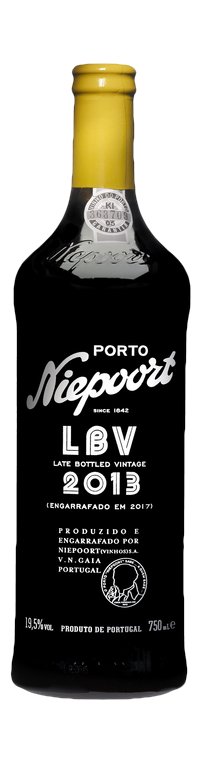
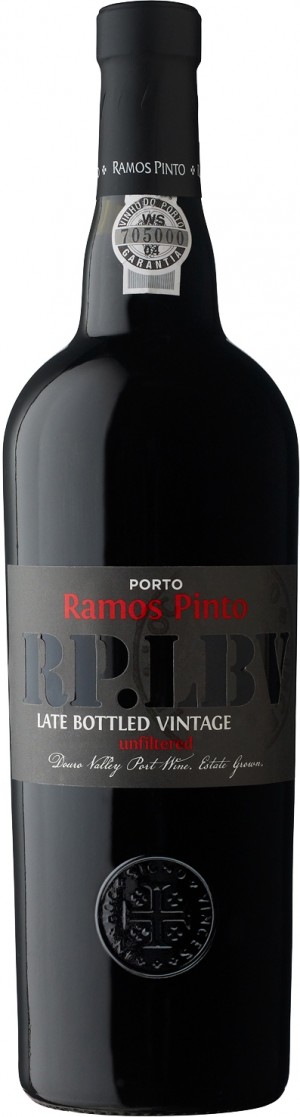
A selection of the 5 bottles currently in the shop on the Brink.


In brief
| Origin | Douro, Portugal |
|---|---|
| Family | Ruby |
| Harvest | A single vintage |
| Ageing | Four to six years on wood before bottling |
| Approval | By the IVDP, samples in the fourth year after the harvest |
| Last bottling | By 31 December of the sixth year after the harvest at the latest |
| Bottle matured | After at least three years of ageing in the bottle |
| In the shop | 5 bottles |
What is the difference between filtered and unfiltered LBV?
The difference is whether the natural sediment was removed from the wine before bottling. Graham’s writes of its LBV 2017 that the wine was filtered of its natural deposit before bottling, unlike vintage port, and that decanting is therefore not necessary. According to Taylor’s, LBV does not need to be decanted, because the sediment has already settled in the cask.
Unfiltered LBV exists too. Quinta do Noval releases an LBV with ‘Unfiltered’ on the label. Wine writer Jancis Robinson described in 2014 that Niepoort’s LBV is bottled unfiltered four to six years after the harvest, and that this style was once called ‘traditional’. An unfiltered bottle may form a deposit, so look closely at the label.
What is the difference between LBV, vintage port and colheita?
The main difference is the time in wood. According to the IVDP, vintage port is bottled two to three years after the harvest and then matures in the bottle for ten to fifty years before it is drunk. LBV spends longer in wood, four to six years, and is therefore usually ready to drink when you buy it. This site has a separate page on vintage port.
Colheita, like LBV and vintage port, comes from a single harvest year, but belongs to the tawny family. According to the IVDP, this port ages for at least seven years in cask. LBV is therefore a ruby, colheita a tawny.
The category itself is relatively young. According to Taylor’s, the first Late Bottled Vintage was released in 1970 by Alistair Robertson, with the LBV of the 1965 vintage.
Which LBV does ’t Bockje have?
The Late Bottled Vintage in the shop all comes from Portugal and from five port houses: F. Martins, Ferreira, Kopke, Niepoort and Ramos Pinto. From Kopke there is the L.B.V. 2018, from harvest year 2018. From Niepoort and Ramos Pinto there is the Late Bottled Vintage, from Ferreira and F. Martins the LBV.
This way you can compare houses side by side, each making its own choices in maturing and bottling. Not sure whether a bottle is filtered, or looking for an LBV for a particular dish or moment? Call the shop or drop by at Brink 2 in Bathmen.
Brands in this selection
- F. Martins 1
- Ferreira 1
- Kopke 1
- Niepoort 1
- Ramos Pinto 1
What customers also ask
Does LBV need to be decanted?
According to Taylor’s, no, because the sediment already settles in the cask. An unfiltered LBV can still form a deposit.
What does ‘unfiltered’ mean on an LBV?
That the wine has not been filtered of its natural deposit before bottling. Quinta do Noval and Niepoort make LBV in this style.
Is LBV the same as vintage port?
No. Both come from a single harvest year, but vintage port is bottled after two to three years and LBV after four to six years in wood.
Who made the first LBV?
According to Taylor’s, that house released the first Late Bottled Vintage in 1970, from the 1965 vintage.
How many LBVs are in the shop?
Currently 5 bottles, from F. Martins, Ferreira, Kopke, Niepoort and Ramos Pinto.
Keep browsing
Sources
- Special categories of Port Wine, Instituto dos Vinhos do Douro e do Porto (IVDP), ivdp.pt/en/wines/port-wines/special-categories/ (accessed 9 October 2026)
- Port Wines: introduction, Instituto dos Vinhos do Douro e do Porto (IVDP), ivdp.pt/en/wines/port-wines/introduction (accessed 9 October 2026)
- Regulation for the special categories of Port Wine (English translation of the IVDP regulations), For the Love of Port, fortheloveofport.com/regulation-for-the-special-categories-of-port-wine/ (accessed 9 October 2026)
- Late Bottled Vintage, Taylor’s, taylor.pt/en/port-wine/late-bottled-vintage (accessed 9 October 2026)
- How to serve Port, Taylor’s, taylor.pt/en/enjoy-port-wine/how-to-serve-port (accessed 9 October 2026)
- Graham’s 2017 LBV, Symington Family Estates, symington.com/blog/graham-s-launches-2017-lbv-with-new-tubes/850 (accessed 9 October 2026)
- Late Bottled Vintage Unfiltered 2014 (product sheet), Quinta do Noval, quintadonoval.com/pdf/vin/pt/late-bottled-vintage-unfiltered-2014-53.pdf (accessed 9 October 2026)
- Niepoort and late-bottled longevity, JancisRobinson.com, jancisrobinson.com/articles/niepoort-and-late-bottled-longevity (accessed 9 October 2026)
The shop is at Brink 2 in Bathmen. Open Tuesday to Friday from 09.00 to 18.00 and Saturday from 09.00 to 17.00. For advice, call 0570 541 278 or email info@bockje.nl.
Wij verkopen geen alcohol aan personen onder de 18 jaar. NIX18.
 Whisky
 Beer
 Wine
 Spirits
 Aperitifs and specialities
 Alcohol-free
 Glasses and more
 Partnerships