Ruby port
Ruby port is the style of port in which the producer deliberately slows the development of the deep red colour. The wine ages briefly in large casks and goes into the bottle young, whereas tawny spends a long time in wood. Within the ruby style, the Portuguese port institute IVDP distinguishes four categories: ruby, reserve, Late Bottled Vintage and vintage. In the shop on the Brink in Bathmen there are currently 16 bottles of ruby port.
- 16bottles in the shop
- 9brands
- 19–20%alcohol
What is ruby port?
Ruby port is port in the so-called ruby style: wines where the maker wants to slow the development of the deep red colour, as the Instituto dos Vinhos do Douro e do Porto (IVDP) describes it. Port is made in the demarcated Douro region in Portugal and, according to the IVDP, usually has an alcohol content between 19 and 22 percent.
According to trade magazine Decanter, the simplest ruby is a blend of wines from more than one year. It is aged in large lots for up to three years and then bottled young, so that the red colour is retained. The label then usually says Ruby or Fine Ruby.
What types of ruby port are there?
The IVDP ranks the ruby style in ascending order in four categories: ruby, reserve, Late Bottled Vintage (LBV) and vintage.
According to the IVDP, a reserve ruby is often a selection of the best port of the year, blended into a single blend. An LBV is a ruby from a single harvest year, bottled after four to six years of ageing in wood. Vintage port also comes from a single harvest year, but goes into the bottle two to three years after the harvest and then develops for another ten to fifty years. According to the IVDP, vintage and LBV in particular lend themselves to keeping, because they mature well in the bottle.
Rosé port falls outside this list. The IVDP describes rosé as pink wine from red grapes that are macerated only briefly, without oxidation during storage.
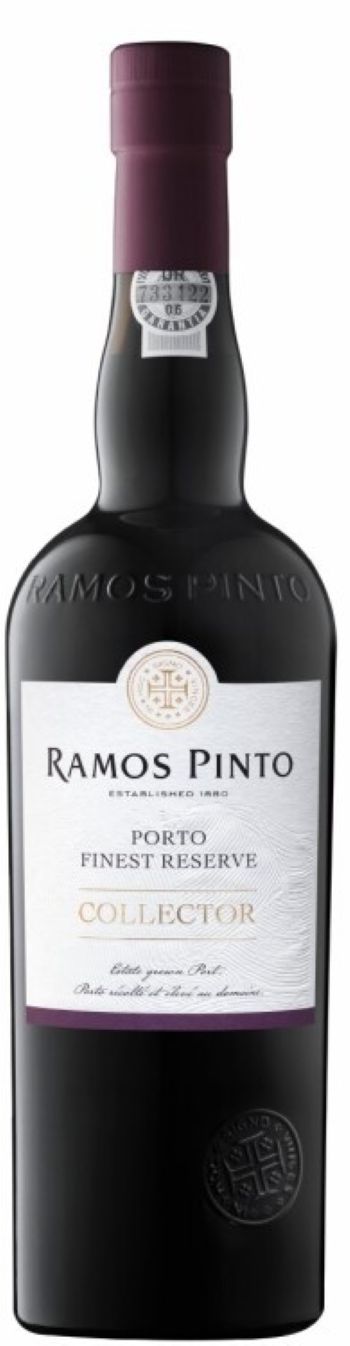
Ruby port at ’t Bockje
A selection from the 16 bottles now on the shelf in the shop on the Brink.


In brief
| Origin | Demarcated region of the Douro, Portugal |
|---|---|
| Alcohol | Usually between 19 and 22 percent |
| Ruby categories (IVDP) | Ruby, reserve, LBV, vintage |
| Regular ruby | Blend of several years, matured up to three years, bottled young |
| LBV | A single vintage, bottled after four to six years in wood |
| Vintage | A single harvest year, bottled two to three years after the harvest |
| Tawny | Matures long on wood, ready to drink at bottling |
| In the shop | 16 bottles |
What is the difference between ruby and tawny port?
The difference is in the ageing: ruby ages briefly and largely in bottle, tawny ages long in wood. A ruby is bottled young so that the red colour is kept. According to the IVDP, tawny is a blend of lots that have lain in casks for different lengths of time, and is ready to drink as soon as it is bottled.
Decanter describes how tawny matures in smaller casks of 600 to 640 litres, the lodge pipes. Through controlled oxidation, the colour shifts there from deep ruby red to orange and amber. The tawny family has its own categories: tawny, tawny reserve, tawny with an age statement (10, 20, 30 and 40 years) and colheita. Anyone torn between ruby and tawny is therefore really choosing between bottled young and aged long on wood.
How do you recognise an LBV and a vintage on the label?
By the harvest year: both LBV and vintage state a single year, a regular ruby or reserve does not. An LBV carries Late Bottled Vintage or LBV on the label, a vintage only Vintage with the year.
A vintage is not made every year. According to Decanter, each port house decides for itself whether to declare a year, and the wine must be submitted for approval between 1 January and 30 September of the second year after the harvest. LBV comes in two variants: filtered, which are fined and filtered before bottling, and unfiltered, which are bottled without filtration and can then continue to mature in the bottle.
Which ruby port is in the shop?
In the shop there are 16 bottles of ruby port, all from Portugal. The brands are Kopke, Delaforce, Niepoort, Ramos Pinto, Cálem, F. Martins, Graham's, Offley and Sandeman.
Examples are the Fine Ruby from Cálem, Delaforce and Graham's, the Offley Ruby, the Ramos Pinto Ruby and from Niepoort both the Ruby and The Junior Ruby. From Kopke we have the Reserve Ruby, the Quinta Lobata Ruby and the Christmas Port Ruby, the latter also as a half bottle of 37.5 cl. The Kopke Fine Ruby is also available as a half bottle. Would you like to know which bottle suits your occasion? Feel free to call or drop by at Brink 2 in Bathmen.
Brands in this selection
- Kopke 5
- Delaforce 2
- Niepoort 2
- Ramos Pinto 2
- Cálem 1
- F. Martins 1
- Graham's 1
- Offley 1
- SANDEMAN 1
What customers also ask
What is the difference between ruby and tawny port?
Ruby is bottled young and keeps its red colour; tawny ages long on wood and turns amber through oxidation.
Is LBV also a ruby port?
Yes. The IVDP describes LBV as a ruby from a single harvest year, bottled after four to six years in wood.
Is vintage port the highest category of ruby?
Yes, in the IVDP's ranking, vintage stands above ruby, reserve and LBV.
Can ruby port be stored?
According to the IVDP, mainly vintage and LBV mature well in the bottle; an ordinary ruby is meant to be drunk young.
How many ruby ports are in the shop?
Currently 16 bottles from Portugal, some also as a half bottle of 37.5 cl.
Keep browsing
Sources
- Port Wine: introduction (ruby- en tawny-stijl), IVDP, Instituto dos Vinhos do Douro e do Porto, ivdp.pt/en/wines/port-wines/introduction (accessed 7 October 2026)
- Port Wine: special categories, IVDP, Instituto dos Vinhos do Douro e do Porto, ivdp.pt/en/wines/port-wines/special-categories/ (accessed 7 October 2026)
- Port styles, Decanter, decanter.com/learn/port-styles-245665/ (accessed 7 October 2026)
The shop is at Brink 2 in Bathmen. Open Tuesday to Friday from 09.00 to 18.00 and Saturday from 09.00 to 17.00. For advice, call 0570 541 278 or email info@bockje.nl.
Wij verkopen geen alcohol aan personen onder de 18 jaar. NIX18.
 Whisky
 Beer
 Wine
 Spirits
 Aperitifs and specialities
 Alcohol-free
 Glasses and more
 Partnerships