Vintage port
Vintage port is port from a single harvest year of exceptional quality. The wine is approved by the tasting committee of the Instituto dos Vinhos do Douro e do Porto (IVDP), bottled two to three years after the harvest and then continues to mature in the bottle, not in wood. Over time a deposit forms, which is why vintage port is decanted before serving. The shop on the Brink in Bathmen currently stocks 24 bottles of port with a vintage year, including vintage port.
- 24bottles in the shop
- 7brands
- 20–20,5%alcohol
What is vintage port according to the IVDP?
According to the IVDP, vintage port is port made from grapes of a single harvest that shows exceptional quality at approval. The official product specification of the protected designation of origin Porto states that the wine must be deep in colour and full at the time of approval. The IVDP tasting panel, the câmara de provadores, assesses clarity, colour, aroma, taste and the label statement, among other things.
The wine is bottled two to three years after the harvest. The regulation for the special categories prescribes that the producer submits samples to the IVDP in the first half of the second year after the harvest, and that the final bottling takes place no later than 30 July of the third year. After that, vintage port matures in the bottle. The IVDP mentions a maturation of ten to fifty years before the wine is drunk.
What does declaring a vintage mean?
Declaring a vintage means that a port house announces that it will bottle vintage port from a particular harvest year. Each house decides this for itself. According to Wine Spectator, this traditionally happens in the second spring after the harvest, and on average a vintage is declared once every three to four years. So not every year produces vintage port.
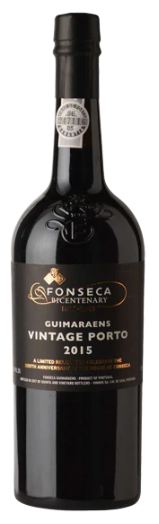
Alongside the classic vintage there is the single quinta vintage. According to the IVDP, it comes not only from a single harvest but also from a single wine estate, a quinta. Some houses use a name of their own for years without a classic declaration. Fonseca, for example, makes Guimaraens Vintage in years in which no classic Fonseca Vintage is declared.
Vintage port at ’t Bockje
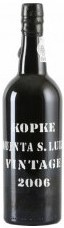
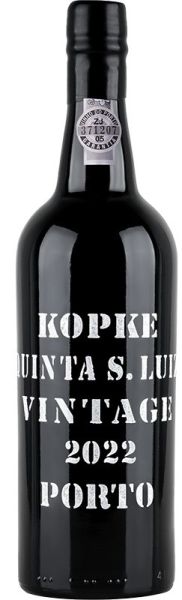
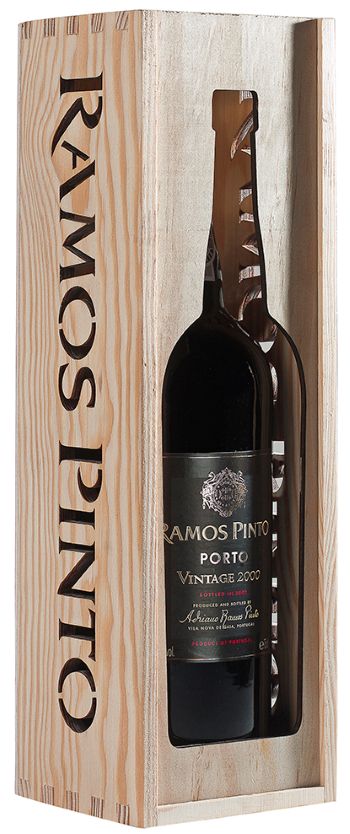
A selection from the 24 bottles now in the shop at the Brink.





In brief
| Origin | Douro, Portugal |
|---|---|
| Harvest | A single vintage |
| Approval | Tasting panel of the IVDP |
| Bottling | Two to three years after the harvest, by 30 July of the third year at the latest |
| Ageing | On the bottle, according to the IVDP, 10 to 50 years |
| Family | Ruby, just like LBV |
| Depot | Light sediment after about ten years in the bottle; decant |
| In the shop | 24 bottles |
What is the difference between vintage port, LBV and colheita?
The difference lies mainly in how long the wine spends on wood. Vintage port goes into bottle after two to three years. Late Bottled Vintage, LBV for short, is a ruby port from a single year that, according to the IVDP, first matures for four to six years on wood and is only bottled after that. Most LBV is ready to drink when you buy it; the label states whether a bottle can mature further in the bottle.
Colheita also comes from a single harvest year, but belongs to the tawny family. This port matures for at least seven years in wood and therefore gets a color between golden red and tawny. The IVDP divides port into two families: ruby, in which the deep red color and the fruit of young wine are preserved, with the categories Ruby, Reserve, LBV and Vintage; and tawny, in which the wine matures in cask, with Tawny, Tawny Reserve, tawny with an age statement and Colheita.
Why is vintage port decanted?
Vintage port is decanted to separate the natural deposit from the wine. Because vintage port matures in the bottle and not in cask, the sediment stays behind in the bottle. According to the IVDP, a light deposit forms after about ten years in bottle, which becomes firmer as the wine gets older.
The port house Taylor’s advises standing the bottle upright before the capsule is removed, and then pouring the wine over in one even stream, if necessary through a funnel with a strainer or through clean muslin when there is a lot of sediment. A white paint mark on the bottle shows how it lay in the cellar; that side should be on top when pouring. According to Taylor’s, LBV and tawny with an age statement do not need to be decanted, because the sediment has already settled in the cask.
Which vintage port does ’t Bockje have?
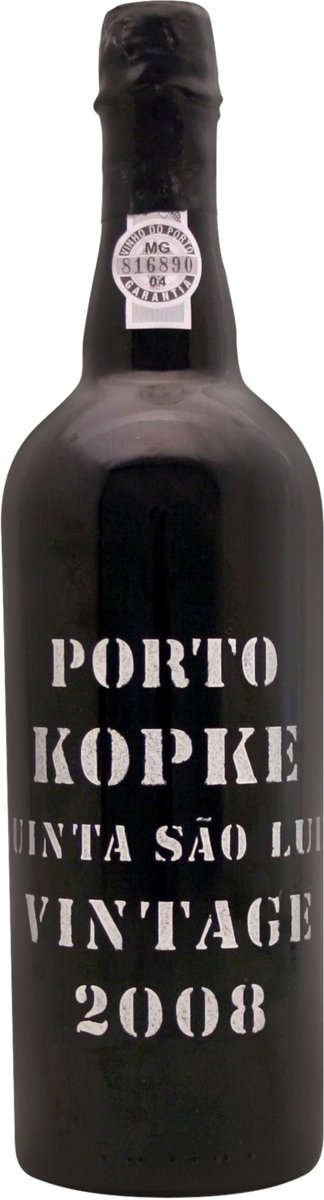
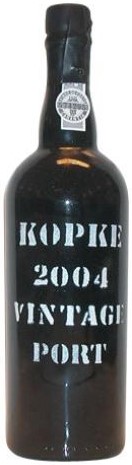
All the port with a vintage year in the shop comes from Portugal. Most of it comes from Kopke, which was founded in 1638 and is considered the oldest port house in the world. From Kopke we have vintages from 1979, 2001, 2002, 2003, 2004, 2005, 2006, 2017 and 2021, plus the single quinta vintages Quinta S. Luiz 2010 and 2022 and a Colheita 2008.
There are also bottles from Ramos Pinto, Ferreira, Fonseca, Graham’s, Osborne and Quinta Nova. Think of the Ferreira Quinta do Porto Vintage 2022, the Fonseca Guimaraens Vintage 2015 and the Graham’s Single Harvest Tawny Port 1997, a tawny from a single harvest year.
Are you looking for a bottle from a particular birth year or wedding year, or are you torn between a vintage and a colheita? Call the shop or drop by at the Brink 2 in Bathmen.
Brands in this selection
- Kopke 17
- Ramos Pinto 2
- Ferreira 1
- Fonseca 1
- Graham's 1
- Osborne 1
- QUINTA NOVA 1
What customers also ask
What is the difference between vintage port and LBV?
Vintage port is bottled two to three years after the harvest and continues to mature in the bottle. LBV first matures for four to six years in wood and is usually ready to drink when you buy it.
Is colheita the same as vintage port?
No. Both come from a single harvest year, but colheita matures for at least seven years in wood and belongs to the tawny family. Vintage port matures in the bottle.
What is a single quinta vintage?
A vintage port from a single harvest that also comes from a single estate, such as the Quinta S. Luiz of Kopke or Quinta do Porto of Ferreira.
Does vintage port need to be decanted?
Yes, vintage port is decanted to separate the wine from the natural sediment that forms in the bottle.
How many ports with a vintage year are in the shop?
Currently 24 bottles of port with a vintage year, including vintage port from Kopke from 1979 up to and including 2022.
Keep browsing
Sources
- Special categories of Port Wine, Instituto dos Vinhos do Douro e do Porto (IVDP), ivdp.pt/en/wines/port-wines/special-categories/ (accessed 9 October 2026)
- Port Wines: introduction, Instituto dos Vinhos do Douro e do Porto (IVDP), ivdp.pt/en/wines/port-wines/introduction (accessed 9 October 2026)
- Productspecificatie BOB Porto (PDO-PT-A1540), Europese Commissie, eAmbrosia, webgate.ec.europa.eu/eambrosia-api/api/v1/attachments/11232 (accessed 9 October 2026)
- Regulation for the special categories of Port Wine (English translation of the IVDP regulations), For the Love of Port, fortheloveofport.com/regulation-for-the-special-categories-of-port-wine/ (accessed 9 October 2026)
- Leading Port Houses Declare 1997 a Vintage Year, Wine Spectator, winespectator.com/articles/leading-port-houses-declare-1997-a-vintage-year-20240 (accessed 9 October 2026)
- Port Winemakers Declare 2007 Vintage, Wine Spectator, winespectator.com/webfeature/show/id/Port-Winemakers-Declare-2007-Vintage_4757 (accessed 9 October 2026)
- Vintage Guimaraens, Fonseca, fonseca.pt/pt/vinho-do-porto/vintage/vintage-guimaraens (accessed 9 October 2026)
- How to serve Port, Taylor’s, taylor.pt/en/enjoy-port-wine/how-to-serve-port (accessed 9 October 2026)
- Sogevinus Rebrands to Kopke Group, Wine Industry Advisor, wineindustryadvisor.com/2025/05/29/sogevinus-rebrands-to-kopke-group/ (accessed 9 October 2026)
The shop is at Brink 2 in Bathmen. Open Tuesday to Friday from 09.00 to 18.00 and Saturday from 09.00 to 17.00. For advice, call 0570 541 278 or email info@bockje.nl.
Wij verkopen geen alcohol aan personen onder de 18 jaar. NIX18.
 Whisky
 Beer
 Wine
 Spirits
 Aperitifs and specialities
 Alcohol-free
 Glasses and more
 Partnerships