
Touriga Nacional
Touriga Nacional is a red Portuguese grape. The Dão calls itself the cradle of the grape, but the Douro also claims its origin. In the Douro, Touriga Nacional is one of the classic grapes for port and for red table wine, although it is not a mass-market grape: according to the IVDP it accounts for just over ten percent of the vineyard area. In the shop on the Brink in Bathmen, there are 10 bottles of Portuguese wine and port in which this grape plays a part.
- 10bottles in the shop
- 7wine houses
- 13–20%alcohol
What kind of grape is touriga nacional?
Touriga nacional is a black grape from Portugal. The German variety register VIVC lists it under the main name Touriga Nacional, with Portugal as country of origin and a black berry. The register knows more than twenty synonyms of it, including Touriga, Touriga Fina, Tourigo do Dão, Mortágua Preto and Tinta Mortágua. The register does not give a full pedigree with both parents.
The grape gives a low yield. The IVDP, the institute that watches over port and Douro wine, describes plenty of bunches, but small ones, with thick skins that are rich in anthocyanins, the pigments of red wine. Wines of Portugal also writes that the yield is never high.
Does touriga nacional come from the Dão or from the Douro?
That is not settled: the Dão and the Douro both claim the origin, writes Wines of Portugal. The grape is, however, of northern origin. The Comissão Vitivinícola Regional do Dão calls the Dão the cradle of touriga nacional and of the white encruzado. According to that commission, touriga nacional was the dominant grape in the region’s vineyards before the phylloxera crisis.
One of the synonyms in the grape variety register also points to that region: Tourigo do Dão. The Dão was delimited by law on 18 September 1908 and was thus the first delimited Portuguese region for non-fortified wine. Touriga nacional is now grown all over Portugal, from the Alentejo and the Algarve to Bairrada and the Azores.
Touriga nacional at ’t Bockje
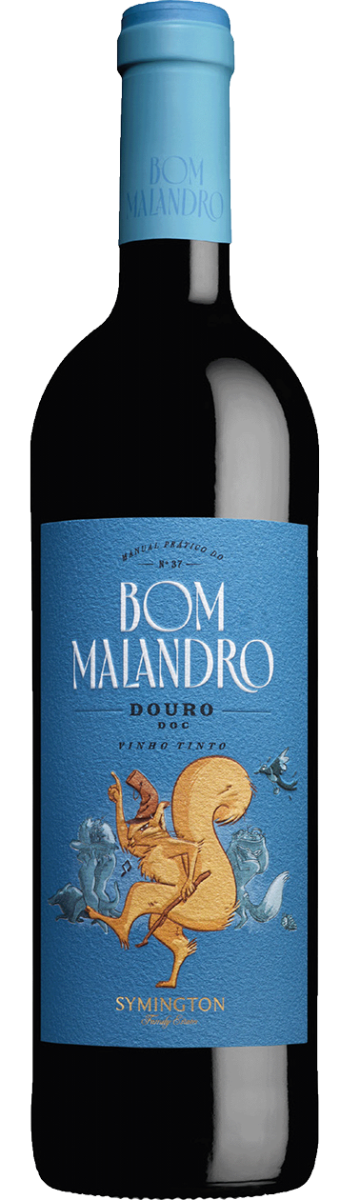
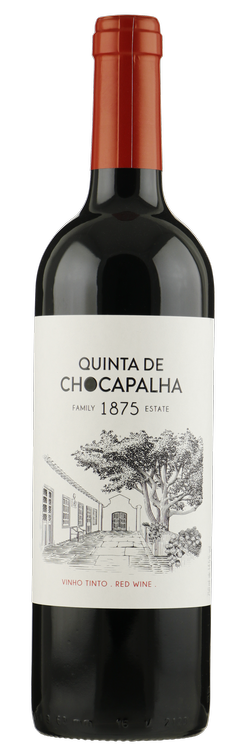
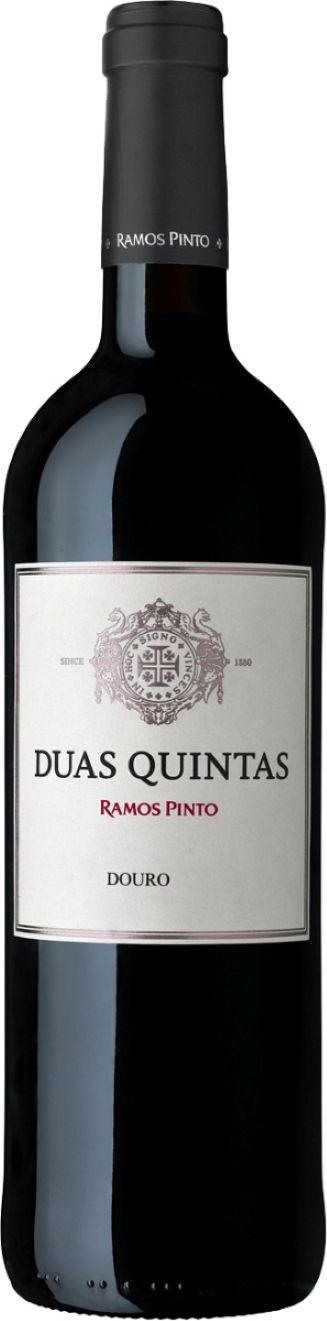
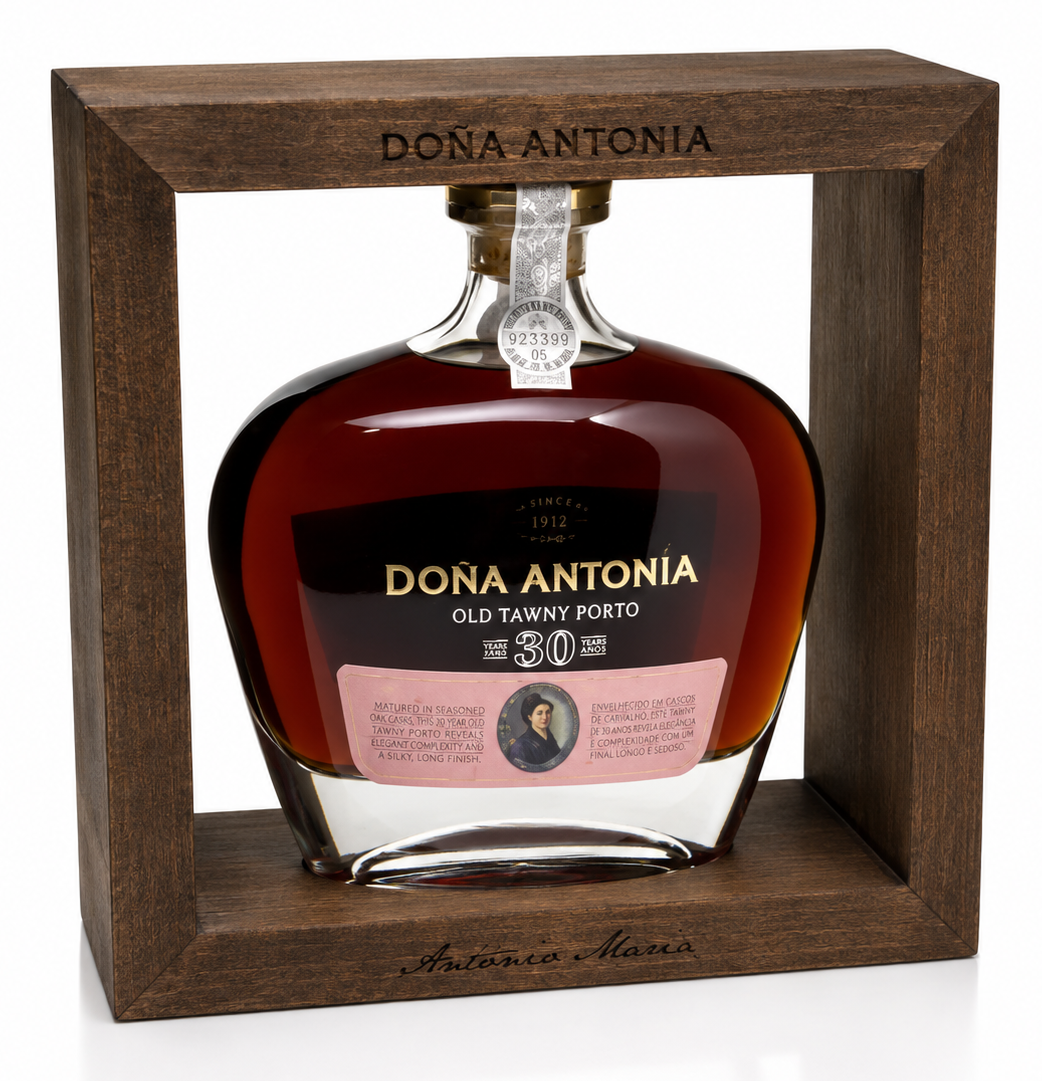
A selection from the 10 bottles currently in the shop on the Brink.




In brief
| Colour | Blue grape |
|---|---|
| Origin | Northern Portugal, claimed by the Dão and the Douro |
| Synonyms (VIVC) | Touriga, Touriga Fina, Tourigo do Dão, Mortágua Preto |
| Share of Douro (IVDP, 2023) | 4,432 ha, 10.3 percent |
| Largest Douro grape | Touriga Franca, 25 percent |
| Permitted varieties Douro | 116 (65 blue, 50 white, 1 pink) |
| Dão delimited | 18 September 1908 |
| In the shop | 10 bottles |
What role does touriga nacional play in port?
Touriga nacional is one of the five or six red grapes that most modern port vineyards are made up of. Taylor’s writes that about thirty varieties may be used for port, but that the work is mostly done by a small group. According to the IVDP, touriga nacional gives the wines depth, volume and longevity. Decanter calls the grape an indispensable part of top vintage port.
Port is a fortified wine: fermentation is stopped by adding grape spirit (aguardente), after which the wine usually has between 18 and 22 percent alcohol. For tawny with an age statement, the wine matures for a long time in wooden casks. The IVDP recognises the designations 10, 20, 30, 40 and 50 years. Port is almost always a blend of several grapes, so the grape is rarely named on the label.
Which other grapes are used for port?
Besides touriga nacional, the IVDP and Taylor’s name four other classic red port grapes:
- Touriga franca: the most planted grape in the Douro, according to the IVDP a quarter of the vineyard.
- Tinta roriz: early ripening and vigorous, with large berries and bunches and therefore a relatively high yield.
- Tinta barroca: very productive and easy to grow.
- Tinto cão: according to Taylor’s one of the oldest varieties of the Douro, resistant to heat and drought, with a very low yield.
In the entire demarcated Douro, 116 varieties are permitted according to the IVDP: 65 red, 50 white and one pink.
How much touriga nacional is there in the Douro?
Less than the name suggests. In the IVDP planting figures for 2023, touriga nacional stands at 4,432 hectares, 10.3 percent of the vineyard of the demarcated Douro. Touriga franca is by far the largest at 10,727 hectares, followed by tinta roriz at 6,163 hectares. Tinta barroca comes to 3,828 hectares.
Taylor’s writes that touriga nacional is rarely found in large quantities outside the quintas of the port houses themselves. The low yield is the reason: anyone who wants to harvest a lot of grapes prefers to plant touriga franca or tinta roriz. Even so, according to Decanter the grape has become increasingly important in Portuguese red table wine since the 1990s, and according to the IVDP, wines with touriga nacional keep well for a long time.
Which wines with touriga nacional does ’t Bockje have?
’t Bockje stocks Portuguese red wines and old tawny ports that include touriga nacional, often together with other Portuguese grapes. How much touriga is in each bottle differs per producer and per year.
- Red from the Douro: Kopke Douro Reserva Tinto, Prazo de Roriz Douro, Ramos Pinto Duas Quintas and Post Scriptum de Chryseia.
- Other Portuguese red wines: Borges Meia Encosta Tinto, Symington Bom Malandro Tinto, Quinta de Chocapalha Tinto and Mar de Lisboa Tinto.
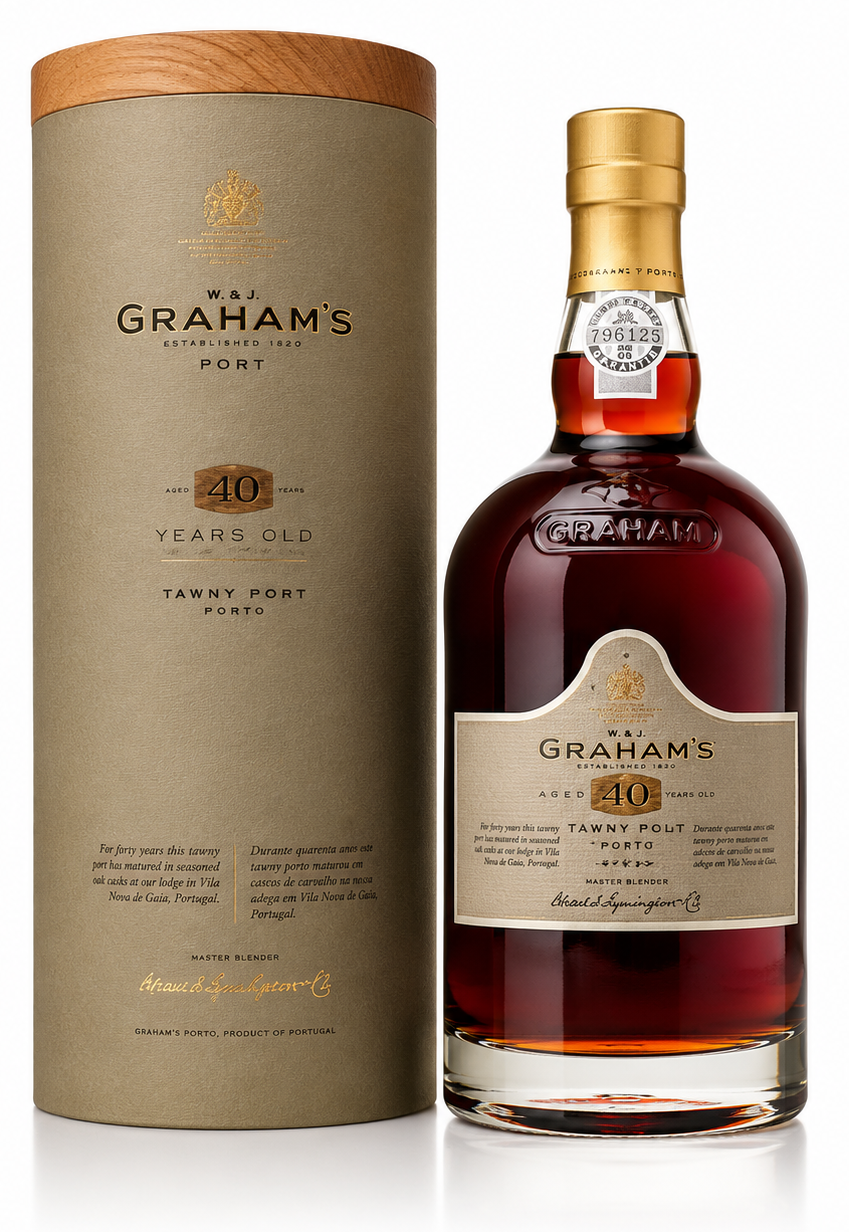
- Old tawny port: Ferreira Dona Antónia 30 Y.O. Tawny and Graham’s 40 Years Old Tawny Port.
Would you like to put a Douro red next to a tawny, or are you looking for something for an occasion? Drop by at Brink 2 in Bathmen or call 0570 541 278.
Wine houses in this selection
- Quinta de Chocapalha 2
- Borges 1
- Ferreira 1
- Graham's 1
- Post 1
- Prazo 1
- Symington 1
What customers also ask
Is touriga nacional the same as touriga franca?
No. They are two different grapes. Touriga Franca is the most widely planted grape in the Douro; Touriga Nacional covers about a tenth of the vineyard area.
Is touriga nacional on the label of port?
Rarely. Port is almost always a blend of several grapes, and the label then names the style, such as tawny or ruby, and not the grapes.
Where does touriga nacional grow outside the Douro?
In the Dão, where the grape is said to originate, and further throughout Portugal: Alentejo, Algarve, Tejo, Setúbal, Bairrada and the Azores. Decanter also mentions Australia and South Africa.
What does 30 or 40 years on a tawny mean?
It is a recognised age designation for tawny port that has matured for a long time in wooden casks. The IVDP recognises 10, 20, 30, 40 and 50 years.
How many wines with touriga nacional does ’t Bockje have?
In the shop at Brink 2 in Bathmen there are 10 bottles of Portuguese wine and port that include touriga nacional.
Keep browsing
Sources
- Castas, Instituto dos Vinhos do Douro e do Porto (IVDP), ivdp.pt/pt/vinha/castas/ (accessed 2026-10-06)
- Vinho do Porto: introdução, Instituto dos Vinhos do Douro e do Porto (IVDP), ivdp.pt/pt/vinhos/vinhos-do-porto/introducao/ (accessed 2026-10-06)
- Touriga Nacional, Wines of Portugal (ViniPortugal), winesofportugal.com/en/portuguese-wines/grape-varieties/touriga-nacional/ (accessed 2026-10-06)
- Touriga Nacional (passport), Vitis International Variety Catalogue (VIVC), vivc.de/index.php?r=passport%2Fview&id=12594 (accessed 2026-10-06)
- Castas, Comissão Vitivinícola Regional do Dão (CVR Dão), cvrdao.pt/pt/castas/ (accessed 2026-10-06)
- Região Demarcada, Comissão Vitivinícola Regional do Dão (CVR Dão), cvrdao.pt/pt/regiao-demarcada/ (accessed 2026-10-06)
- Port Grape Varieties, Taylor’s Port, taylor.pt/en/what-is-port-wine/the-douro-valley/port-grape-varieties (accessed 2026-10-06)
- Lesser known grapes: Touriga Nacional, Decanter, decanter.com/features/lesser-known-grapes-touriga-nacional-249526/ (accessed 2026-10-06)
The shop is at Brink 2 in Bathmen. Open Tuesday to Friday from 09.00 to 18.00 and Saturday from 09.00 to 17.00. For advice, call 0570 541 278 or email info@bockje.nl.
Wij verkopen geen alcohol aan personen onder de 18 jaar. NIX18.