
Burgundy
Burgundy is the French wine region that stretches from Chablis to the Mâconnais. Almost all wine there comes from two grapes: chardonnay for white and pinot noir for red. The region has 84 AOCs, arranged in four levels from regional wine to grand cru. The sparkling Crémant de Bourgogne also comes from here. In the shop on the Brink in Bathmen there are now 13 bottles of burgundy.
- 13bottles in the shop
- 8wine houses
- 1,3–14%alcohol
Which sub-regions does Burgundy have?
Burgundy consists of a series of sub-regions running from north to south. Right in the north lies Chablis, with the Auxerrois around it. Then follow the Côte de Nuits, the Côte de Beaune, the Côte Chalonnaise and finally the Mâconnais.
The Côte de Nuits runs for about 20 kilometres between Dijon and Corgoloin and in some places is only 200 metres wide. Here the emphasis is on red wine. Villages such as Nuits-Saint-Georges give the wine their name there. South of it lies the Côte de Beaune, with villages such as Beaune and Pommard. The Côte Chalonnaise includes Bouzeron, among others. Right in the south lies the Mâconnais, known for regional wines such as Mâcon-Villages.
Which grapes are used in Burgundy?
Chardonnay and pinot noir are the two main grapes. Chardonnay covers 49.2 percent of the vineyards, pinot noir 39.6 percent. Next come aligoté with 6.5 percent and gamay with 3.8 percent. Other grapes, such as sauvignon, césar and melon, together cover less than one percent.
That split is also reflected in what is produced. White wine accounts for 62 percent of production, red wine for 29 percent, Crémant de Bourgogne for 8 percent and rosé for 1 percent.
Burgundy at ’t Bockje
A selection from the 13 bottles currently in the shop on the Brink.

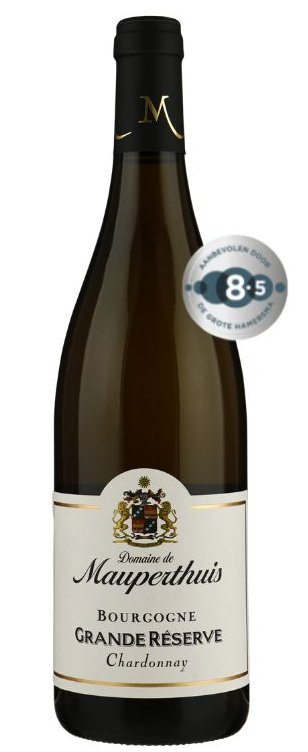
Domaine de Mauperthuis Bourgogne Chardonnay Grande Reserve
13.5% · 75 cl · France
€ 19,99
View the bottle
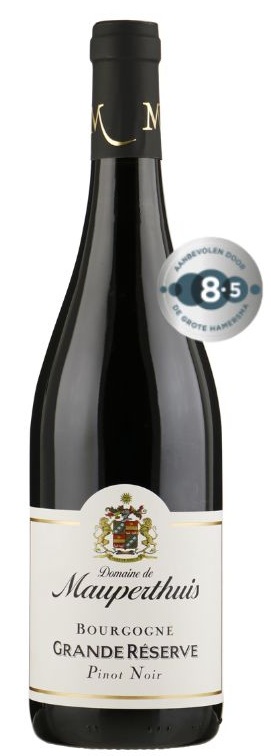
Domaine de Mauperthuis Bourgogne Pinot Noir Grande Reserve
13.5% · 75 cl · France
€ 22,99
View the bottle


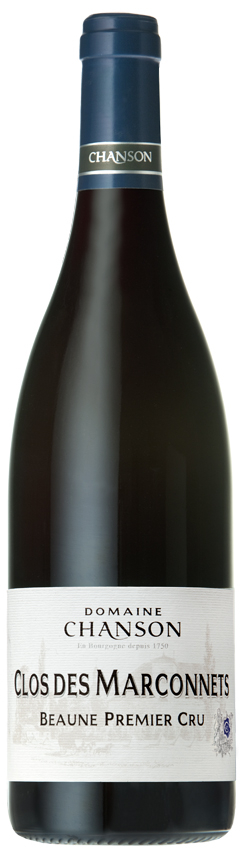


In brief
| Location | From Chablis in the north to the Mâconnais in the south |
|---|---|
| Appellations | 84 AOCs: regional, village, premier cru and grand cru |
| Main grapes | Chardonnay (49.2 percent) and pinot noir (39.6 percent) |
| Production | 62 percent white, 29 percent red, 8 percent crémant, 1 percent rosé |
| Crémant de Bourgogne | AOC since 1975, second fermentation in the bottle, at least 9 months on lees |
| Bourgogne Aligoté | Regional AOC since 1937 |
| In the shop | 13 bottles |
What is the difference between village, premier cru and grand cru?
Burgundy has 84 AOCs, spread over four levels. The base consists of the regional appellations, such as Bourgogne, Bourgogne Aligoté, Mâcon-Villages and Crémant de Bourgogne. Above them are 44 village appellations, named after the village the grapes come from, for example Pommard or Nuits-Saint-Georges.
A premier cru comes from a delimited plot within a village, a climat. The label then shows the village name followed by the name of that plot. At the top are 33 grands crus. There the village name disappears and only the name of the climat is on the bottle, such as Corton, Montrachet or Clos de Tart.
What is Crémant de Bourgogne?
Crémant de Bourgogne is sparkling wine from Burgundy with its own AOC, first recognised by decree of 17 October 1975. The bubbles come solely from a second fermentation in the glass bottle, the traditional method. The wine then rests on the lees in the bottle for at least nine months. It may only be sold twelve months after bottling for the second fermentation.
Crémant de Bourgogne exists in white and rosé. Permitted grapes include pinot noir, chardonnay, pinot blanc, pinot gris, gamay and aligoté. The four pinot and chardonnay grapes together make up at least 30 percent of the cuvée, gamay at most 20 percent.
Which Burgundy wines does ’t Bockje have?
The shop stocks Burgundies from, among others, Chanson, Bouchard, Domaine de Mauperthuis, Jean Fery & Fils, Laurent Perrachon and Quintaine. These include regional Bourgogne Pinot Noir and Chardonnay, village wines from Beaune, Pommard and Nuits-Saint-Georges, premier cru from Beaune, and white wine from the Mâconnais, such as Mâcon-Villages and Viré-Cléssé.
For bubbles there is Crémant de Bourgogne Brut from Masse. If you are unsure which bottle suits an occasion, call the shop or drop by at Brink 2 in Bathmen.
Wine houses in this selection
- Chanson 3
- Domaine de Mauperthuis 3
- Bouchard 1
- Jean 1
- Laurent Miquel 1
- Macon 1
- Masse 1
- Pommard 1
What customers also ask
What is Bourgogne Aligoté?
A regional AOC for white wine from the aligoté grape, established in 1937. Aligoté is a cross between gouais blanc and pinot noir. The village of Bouzeron in the Côte Chalonnaise has had its own AOC for aligoté since 1997.
What does Côte de Nuits mean on a label?
That the wine comes from the narrow strip of vineyards between Dijon and Corgoloin, where mainly red wine from pinot noir is made.
Is Crémant de Bourgogne the same as champagne?
No. Both are made with a second fermentation in the bottle, but Crémant de Bourgogne comes from Burgundy and has its own AOC with its own rules.
How much Burgundy is in the shop?
Currently 13 bottles, from regional Bourgogne to premier cru and crémant.
Keep browsing
Sources
- Decoding the AOCs of Bourgogne wines, BIVB, Bourgogne Wines, bourgogne-wines.com/wine-and-terroir/decoding-the-aocs/bourgogne-wines-decoding-the-aocs,2467,9263.html (accessed 2 October 2026)
- Grape varietals and colors of the Bourgogne winegrowing region, BIVB, Bourgogne Wines, bourgogne-wines.com/wine-and-terroir/our-grape-varietals-our-colors/pinot-noir-and-chardonnay-the-bourgogne-region-s-two-noble-grape-varietals,2475,9265.html (accessed 2 October 2026)
- Aligoté, a 100% Bourgogne varietal, BIVB, Bourgogne Wines, bourgogne-wines.com/wine-and-terroir/our-grape-varietals-our-colors/aligote/aligote-a-100-bourgogne-varietal,2799,10609.html (accessed 2 October 2026)
- Cahier des charges de l’appellation d’origine contrôlée Crémant de Bourgogne, INAO, extranet.inao.gouv.fr/fichier/PNOCDC-CremantDeBourgogne.pdf (accessed 2 October 2026)
The shop is at Brink 2 in Bathmen. Open Tuesday to Friday from 09.00 to 18.00 and Saturday from 09.00 to 17.00. For advice, call 0570 541 278 or email info@bockje.nl.
Wij verkopen geen alcohol aan personen onder de 18 jaar. NIX18.