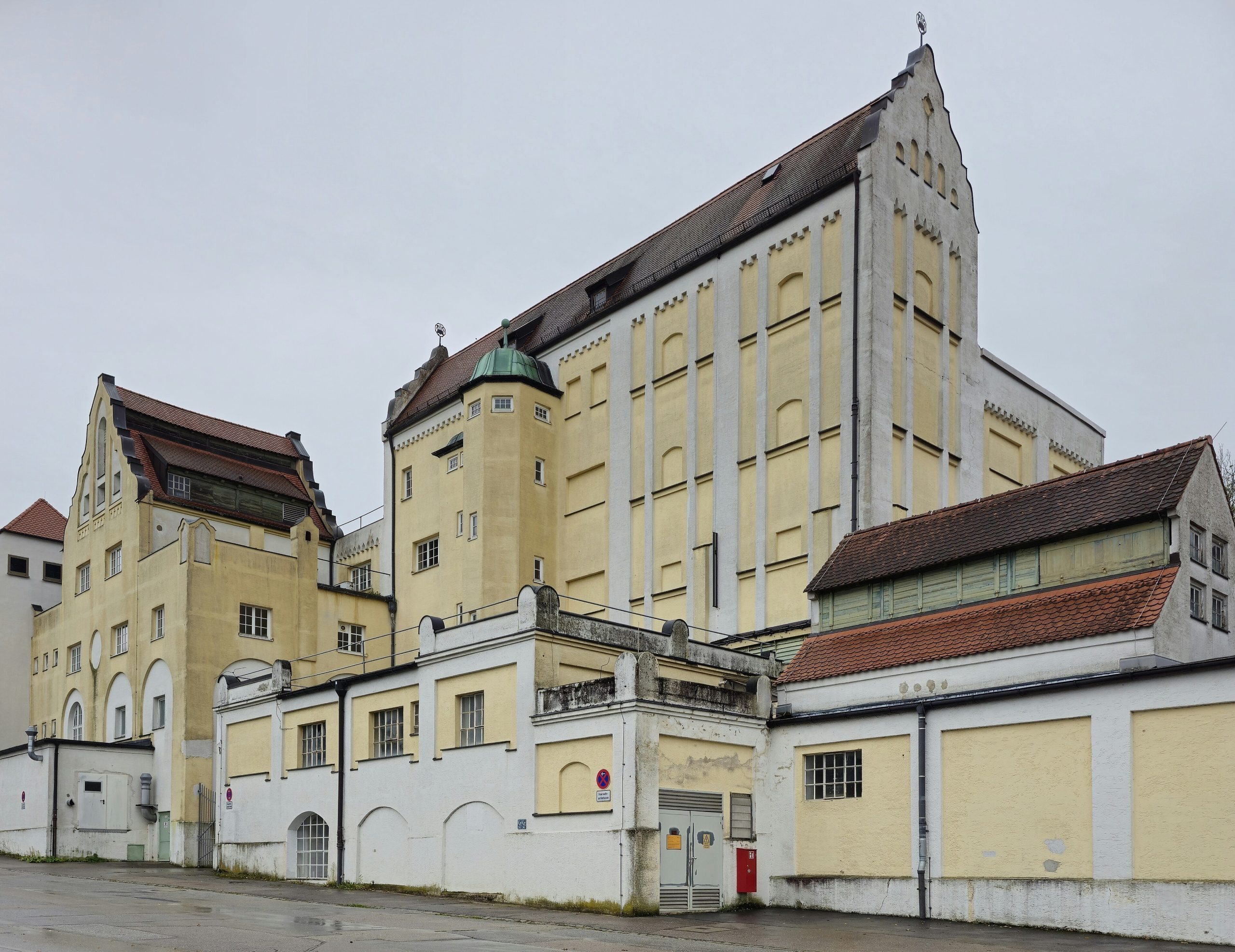
Of the 892 beers on our shelves in Bathmen, 39 come from Germany. Not many, for a neighbouring country where beer runs so deep. There is a reason for that, and that reason is the subject of this piece.
German beer revolves around one rule from 1516 and around five or six regions that each make their own beer and then keep making it for five centuries.
The 1516 decree was about barley, hops and water
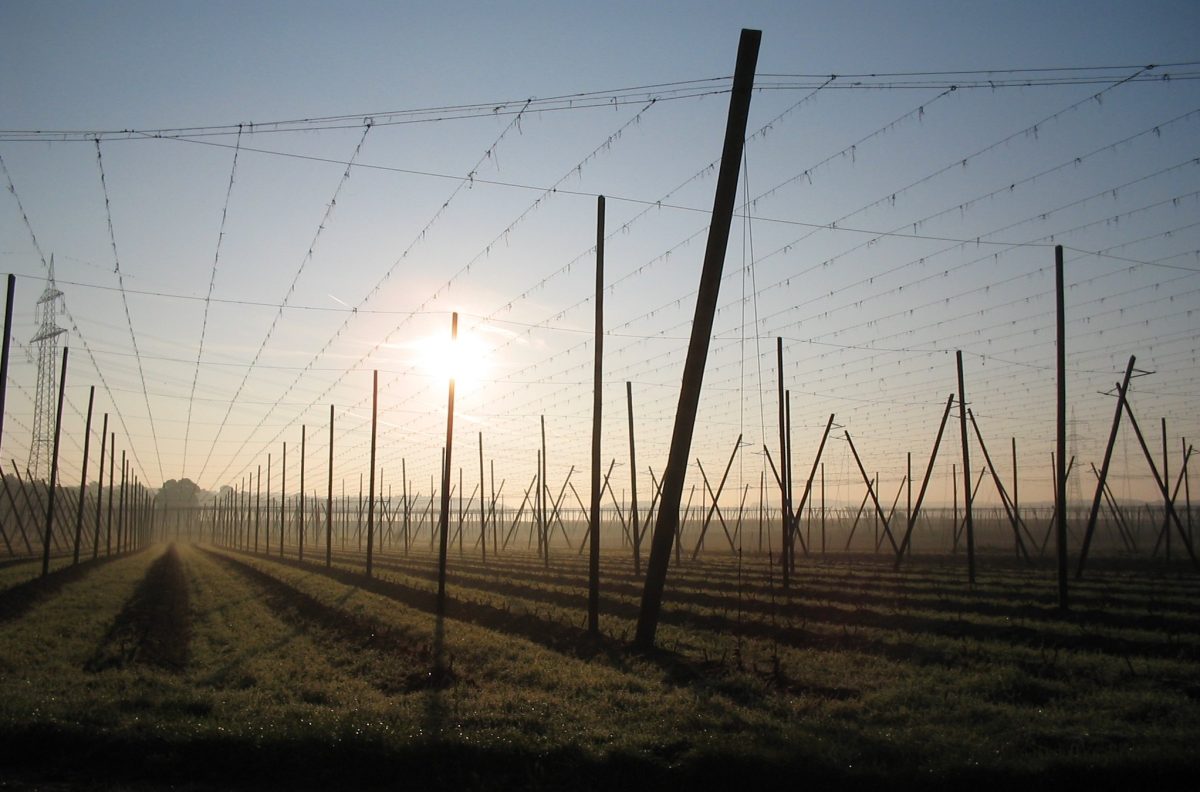
On 23 April 1516, Duke Wilhelm IV of Bavaria issued a state ordinance in Ingolstadt. It stated that nothing other than barley, hops and water could be used for beer.
Two things about that sentence stand out. Yeast is not mentioned, because it was not yet known as an organism; brewers transferred the sediment from the previous brew and did not know why that worked. And it says barley, not malt and certainly not wheat. Wheat and rye were for bread, and in times of crop failure that was no theoretical concern.
The ordinance itself was largely about something else: the price of beer. The ingredient rule was one provision in a longer text on market regulation. And the word Reinheitsgebot does not appear in it. That word only emerged in 1918, in a debate in the Bavarian state parliament.
The rule initially applied only in Bavaria. In 1906 it was introduced across the whole German Empire, and in 1919 Bavaria made it a condition for joining the Weimar Republic. In 1987 the European Court ruled that Germany may not keep out foreign beer on the basis of that rule. Since then it has applied to what is brewed in Germany itself.
What the Reinheitsgebot does not regulate
Here it pays to be honest, because the rule is often read as a quality mark, and it is not.
It says nothing about taste, about how long beer may mature, about the size of the brewery or about where the barley and hops come from. A beer from the other side of the world brewed here in a huge factory complies with it just as well as a beer from a village brewery.
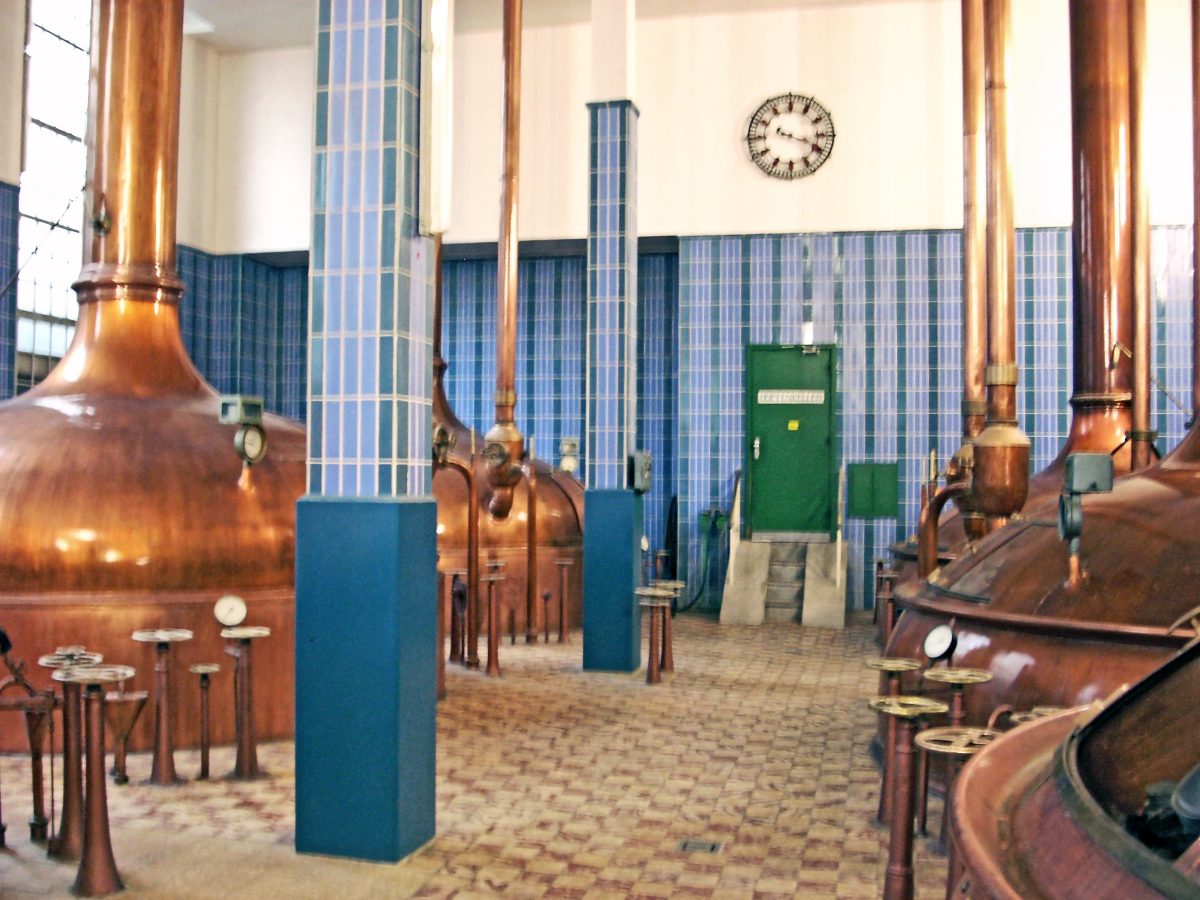
Current law also makes a distinction. For bottom-fermented beer, barley malt, hops, yeast and water apply. For top-fermented beer, other malts may also be used, as well as sugar. Without that exception a Bavarian wheat beer would break its own law, because it contains wheat malt.
What the rule does do is make the room for manoeuvre small. No herbs, no fruit, no spice mix to correct something. Everything that distinguishes a German beer has to come from four raw materials and from time. That makes the craft narrower and the handiwork more visible.
Every region its own beer
Germany has no national beer. It has regions, and they stick to their own thing.
In the north and west it is pils. The style comes from Bohemian Plzen, where the first clear bottom-fermented beer was brewed in 1842, but the German version went in a different direction: drier and more bitter. Bitburger comes from the Eifel, Warsteiner from the Sauerland, Jever from Friesland.
In Bavaria it is weizen. Top-fermented, with at least half wheat malt, and with a yeast that builds up banana and clove during fermentation. Those two notes are not added. For centuries, incidentally, wheat beer was the monopoly of the Bavarian dukes; anyone who wanted to brew it had to go through them.
Cologne has kölsch: pale, top-fermented and then cold-conditioned, served in a narrow glass of two decilitres. Since the Kölsch-Konvention of 1986 only beer from Cologne and its immediate surroundings may bear that name, and since 1997 the name has also been protected at European level.
Fifty kilometres away, in Düsseldorf, people drink altbier: copper-coloured, also top-fermented, also cold-lagered. The word alt refers to the old way of fermenting, from before the rise of bottom-fermented beer.
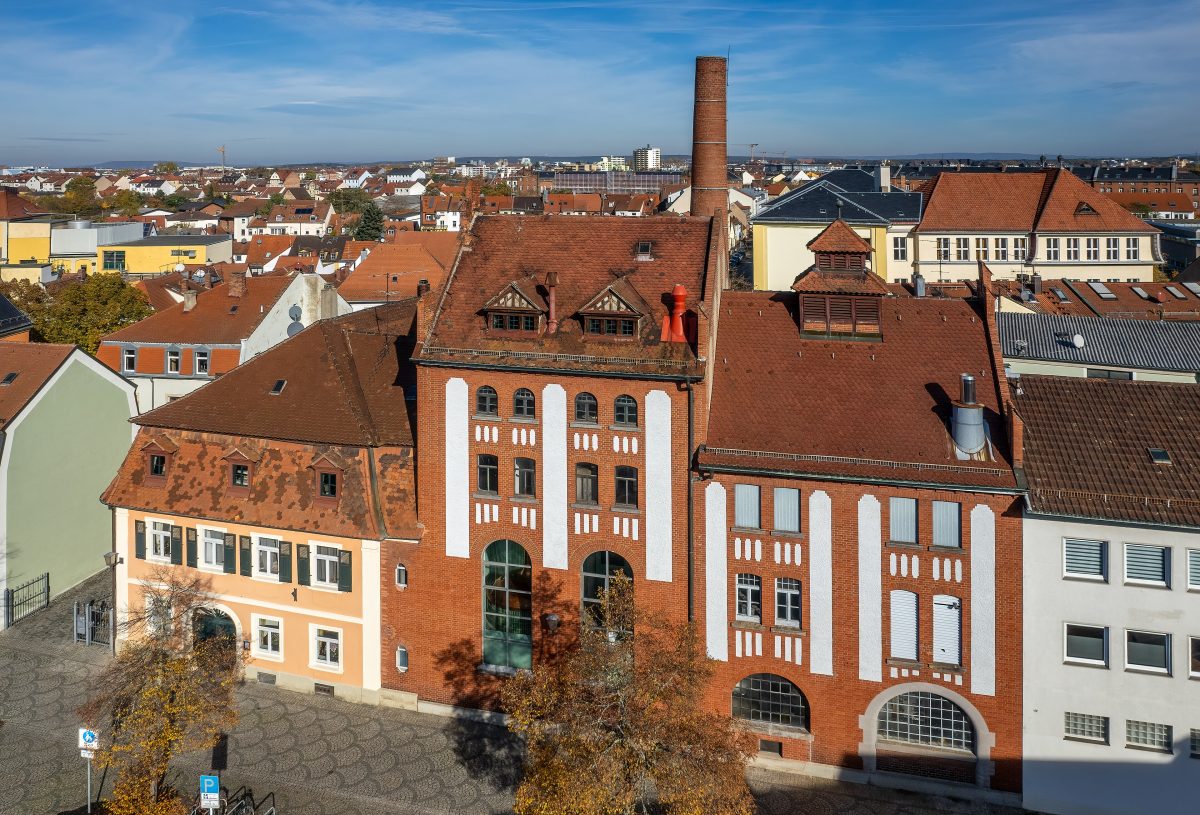
And in Bamberg, in Franconia, there is rauchbier. The malt there is dried over an open beechwood fire, so the smoke gets into the grain before any brewing has even begun.
Why a German brewery sticks to one beer
A Belgian brewery likes to put a blond, a dubbel and a seasonal beer alongside it. A German brewery often makes the same thing for years. There are three reasons for that.
The first is the market. In Germany beer is drunk regionally. A brewery competes with the brewery two villages away on exactly the same beer, not with a broader range. Whoever stands out does so within the style.
The second is technique. One style means one yeast, one fermentation temperature and one lagering regime. A house that makes only weizen can set up its entire installation for it and never has to switch.
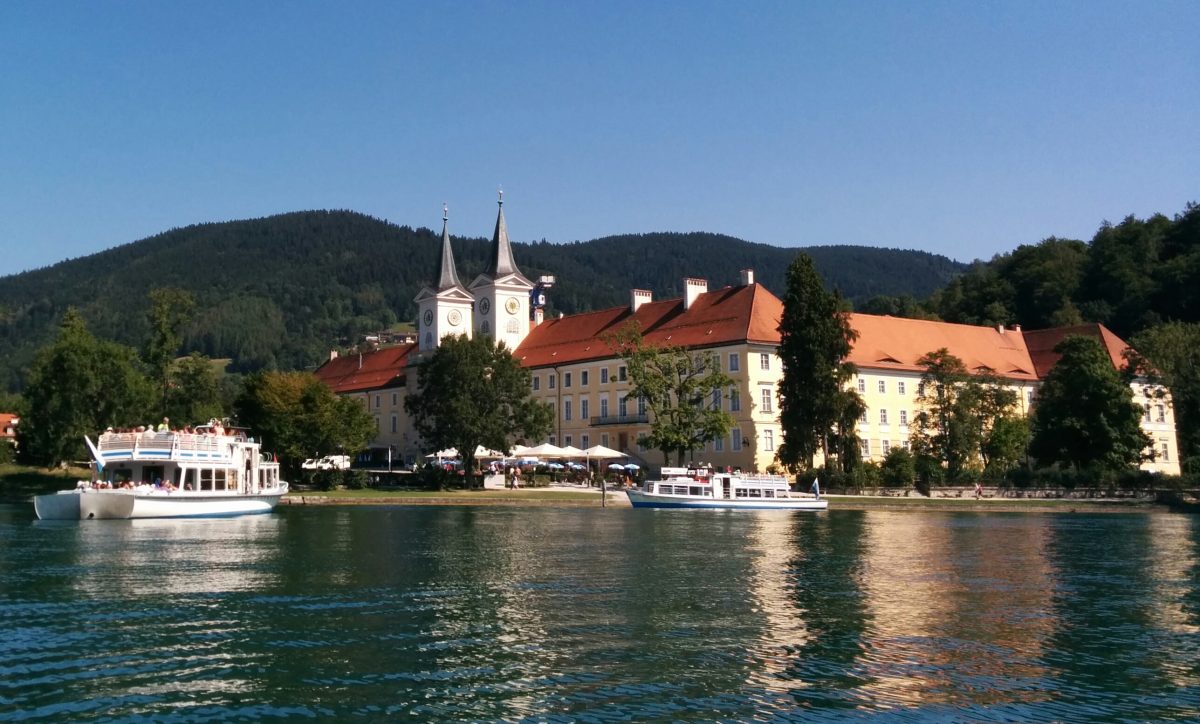
The third is ownership. Many German breweries have been in the same family for generations, or in the hands of a municipality or a monastery. There the recipe is not a marketing choice but business capital, and you do not change that because a trend passes by.
There is some movement. Over the last fifteen years small breweries making IPA and stout have appeared, sometimes with a special permit for ingredients the beer law does not mention. But for now that remains a fringe phenomenon alongside the established houses.
Where to start
Now the honest part. We have 39 German beers against 313 Belgian ones, and the vast majority of those 39 are weizen or pils. Kölsch, altbier and rauchbier are rarely or never here. That is because those beers are drunk fresh and locally in their own country and are hardly exported. If you want to taste them, a trip to Cologne or Bamberg is, frankly, the shortest route.
What we do have well stocked is the Bavarian corner and the pils. If you want to compare two weizens side by side, or find out where a northern pils gets its bitterness, come by in Bathmen or call 0570 541 278.
Keep browsing
All the German beers we carry are together on the German beer page. By style you can continue to wheat beer and pilsner, and by brewery to Weihenstephaner, Paulaner, Erdinger, Franziskaner, Schneider, Ayinger, Benediktiner, Maisel’s, Bitburger and Warsteiner.
All the breweries we carry are on breweries, and the whole department starts at beer. Prefer to search yourself? You can do so in our entire beer range.
How things work in the other beer country next door, you can read in Belgian beer: trappist, abbey beer and the wild yeasts of the Senne valley. And the styles are listed in Beer styles at a glance: from tripel to stout.
Further south things are different again: Italian beer, from industrial pils to birra artigianale.