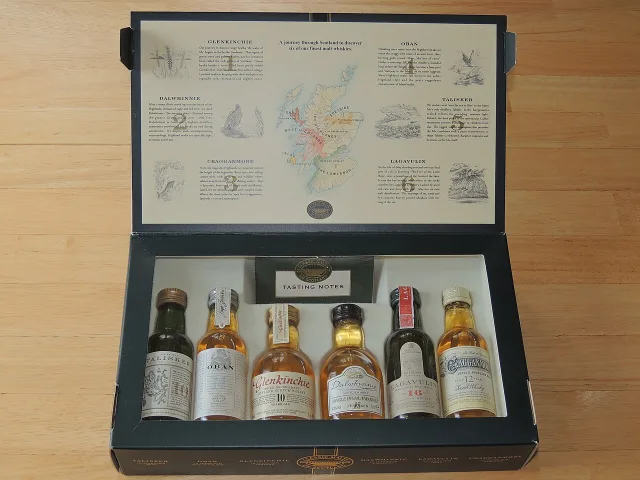
At the counter this question often comes in the same form. A bottle is ready for Saturday evening, and what do you put on the table with it? For many people whisky is a drink for after the meal, in an armchair, with the lamp low. It does not have to be. Whisky can perfectly well sit next to a dish, as long as you know what is in the glass.
In the shop on the Brink there are 4,021 different whiskies from 588 brands. That means there is a bottle to be found for almost every dish, and at the same time that the question of which whisky goes with food has no single answer. Below is what to look for.
Why whisky sits differently at the table than wine
A wine of twelve or fourteen percent is poured in glasses of fifteen centilitres alongside a dish. With whisky of forty percent or more that does not hold. The alcohol is far more present, and after a good sip you hardly notice the next bite.
The solution is to pour small and add water. Two to three centilitres per round is enough, and a splash of water brings the percentage down without flattening the whisky. The glass counts too: a tulip-shaped glass keeps the aroma together, a wide tumbler lets it escape. Which shape is meant for what is covered in our piece on tumbler, Glencairn or copita.
Also put out a glass of water, and make sure it actually gets used. Anyone who rinses between two courses still tastes the second.
Three ways to pair
There are roughly three routes, and all three work.
Similarity. You look for something that is in both. A whisky that has lain in a sherry cask brings nuts and dried fruit, and you find that again in a nut tart or in a piece of old cheese with fig chutney. What exactly such a cask does, you can read in our piece on whisky on sherry cask.
Contrast. You deliberately set things against each other. Salt against sweet, smoke against fat, sharp against soft. This is the route that surprises most often and also goes wrong most often, so try it on a small scale first.
Bridge. A third element connects the two. Toasted bread, brown butter, honey or caramel in a dish pick up the woody side of a whisky, even if the rest of the plate does something quite different.
What holds for all three: the order runs from light to heavy. If you put a peated whisky first, you will taste little of the rest of the evening. So begin with the gentlest bottle and the lightest dish, and work your way up.
Smoke and salt: oysters, smoked fish and Scottish cuisine
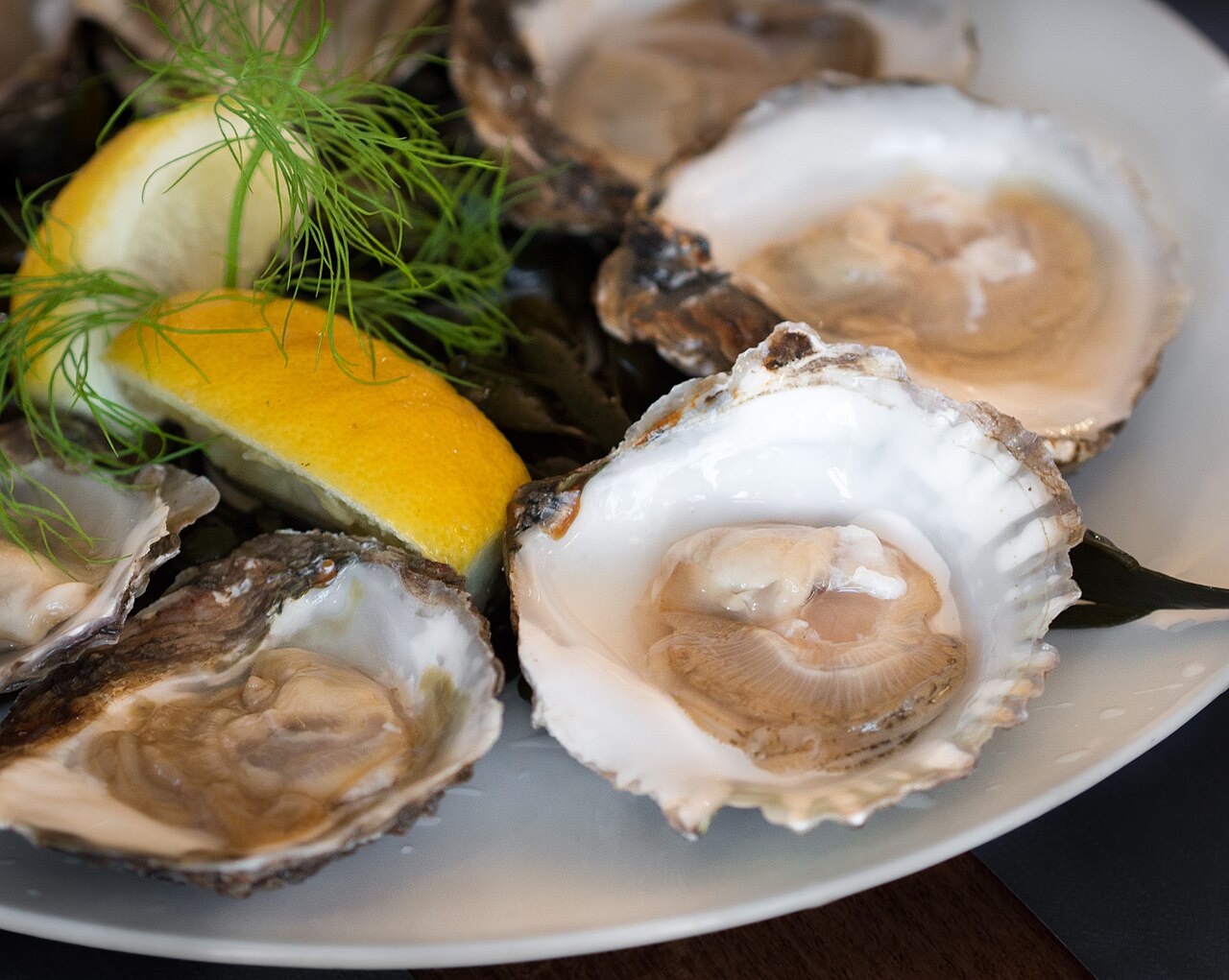
The best-known pairing comes from Islay. An oyster with a peated whisky alongside is perfectly normal there, and it works because the salt of the shell and the smoke of the whisky do not get in each other’s way. Some even pour the whisky into the shell. How that smoke gets into the whisky is explained in our piece on smoky whisky.
The same reasoning applies to smoked salmon, mackerel and herring, and to everything that comes off the barbecue. Do bear in mind that heavily peated whiskies take over the plate. With a delicate fish dish you are better off choosing a whisky with light smoke than one from the heaviest corner.
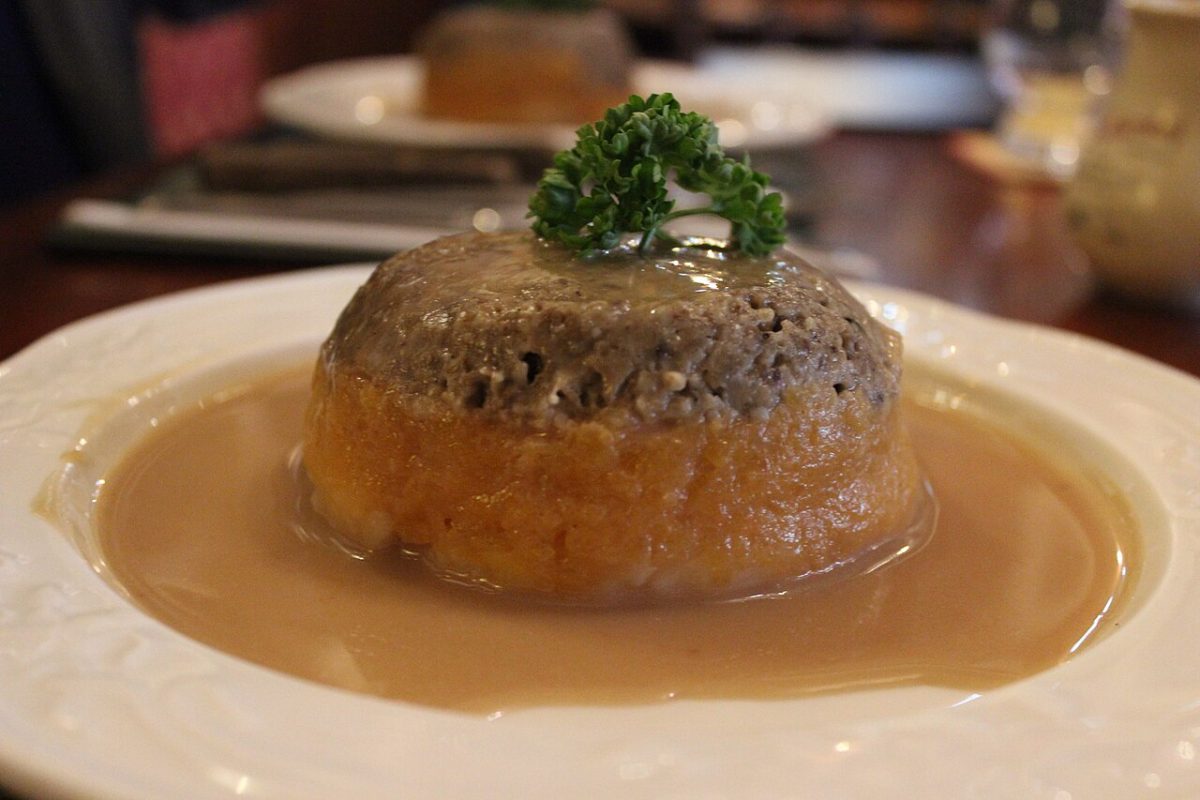
Scottish cuisine itself supplies the most obvious pairing: haggis with a dram alongside. The rich, spicy offal needs something that cuts through it, and a whisky with smoke or pepper does exactly that.
The cask on the table: cheese, nuts and dried fruit
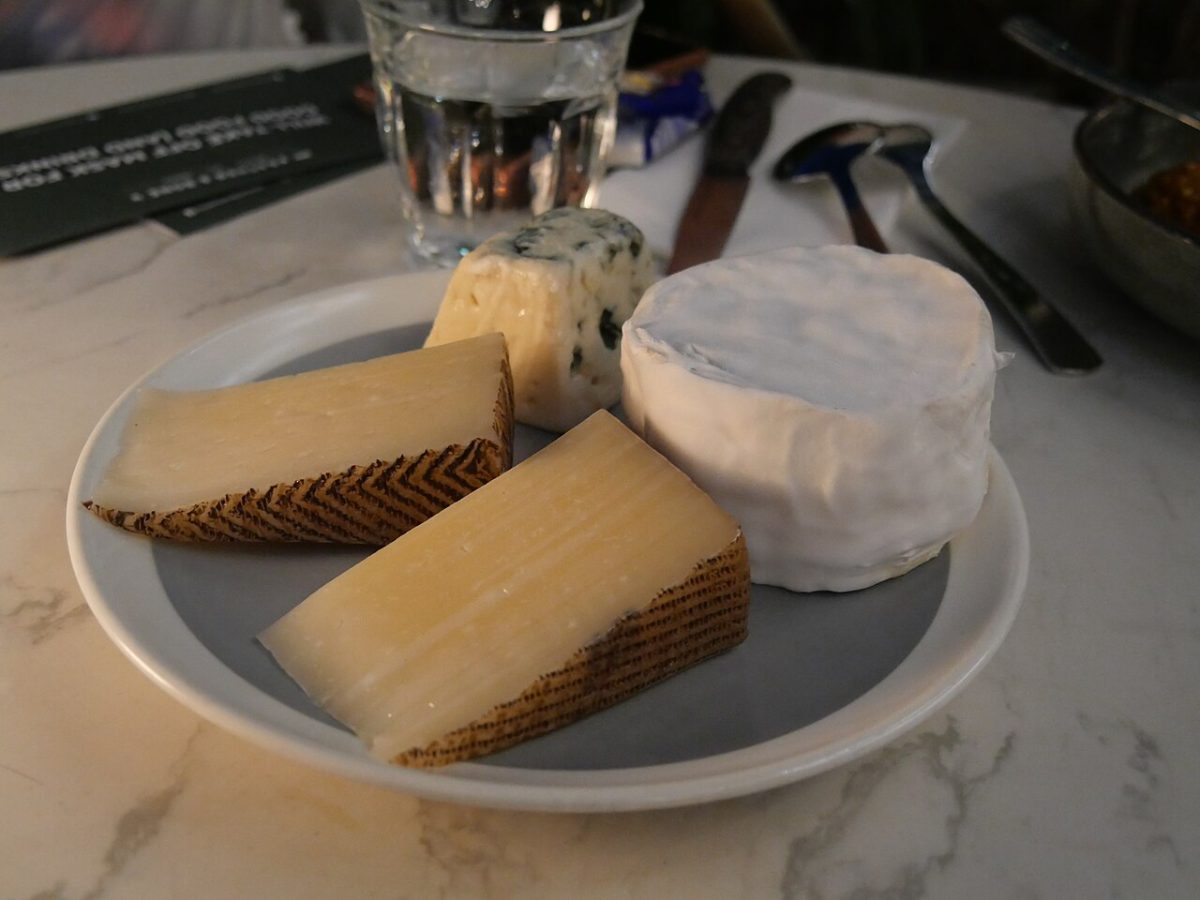
Cheese is the easiest start, because you can lay several kinds side by side and try with a single bottle what happens. A hard, mature cheese can take more alcohol than a young soft one, and a blue cheese is salty and fatty enough to hold its own against a hearty whisky.
Mind the order of the board. Start on the left with the youngest, mildest cheese and end on the right with the blue; the other way round you will taste nothing of the first pieces. And do not lay out more than four kinds, because after that they run into one another.
Nuts, dried apricots, dates and figs belong in the same corner. They are sweet without being sticky, and they give the whisky something to lean on. If you want to put together one board that suits several bottles, start with these.
Sweet at the end, and what does not go well together
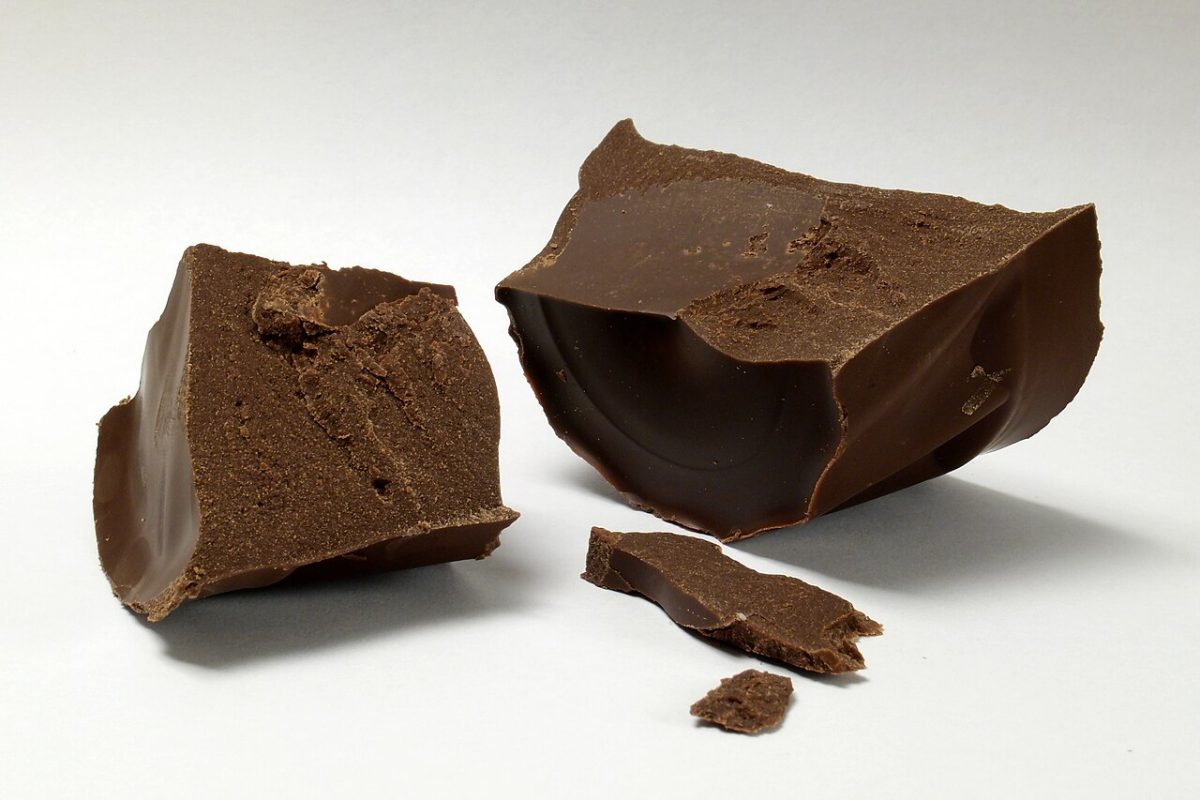
A bourbon is distilled with a good share of corn and matured in new, charred oak. That gives sweeter, rounder whiskey than most Scotch malts, and that makes it suit desserts: apple pie, caramel, pecans, dark chocolate.
Now for honesty, because not everything works. Spicy dishes with plenty of chilli get stuck on alcohol; the heat only grows from it. Fresh salads with vinegar or lemon clash with a whisky. And a cask strength of sixty percent next to a light dish is a waste of both, unless you add water.
Where to start
Start with one course and one bottle, not with a menu of four. Put a piece of cheese or a small bowl of nuts on the table, pour two centilitres, and taste the whisky first, then the food, then the whisky again. If something changes for the better, you are on to something. Four bottles that each go in a different direction:
Keep browsing
If you want to search by region, style or age yourself, use the search engine for our whisky range. If you are looking for a peated bottle to start with, the whole range of that distillery is on our Ardbeg brand page, and you can order the Ardbeg 10 Years Old in the webshop. If you would rather drop by at the Brink, we will explain it at the counter.

 Whisky
 Beer
 Wine
 Spirits
 Aperitifs and specialities
 Alcohol-free
 Glasses and more
 Partnerships