
At the counter in Bathmen the question comes up almost every week. Someone opened a bottle of sherry over the festive season, poured two glasses from it, and finds the bottle months later at the back of the cupboard. Can it still go on the table, or does it go down the sink?
The answer depends on which sherry it is. We have thirty-three in stock, from thirteen bodegas, and between the palest fino and the darkest pedro ximénez there is a difference of a week to half a year. Below you will find per style what you can count on, and why that difference is so large.
Why sherry behaves differently from ordinary wine
Sherry is fortified wine. Wine alcohol is added, so the bottles on our shelf come out between fifteen and a good twenty-one percent. That percentage says nothing about how good a bottle is, but it does say something about how slowly it changes once air gets to it.
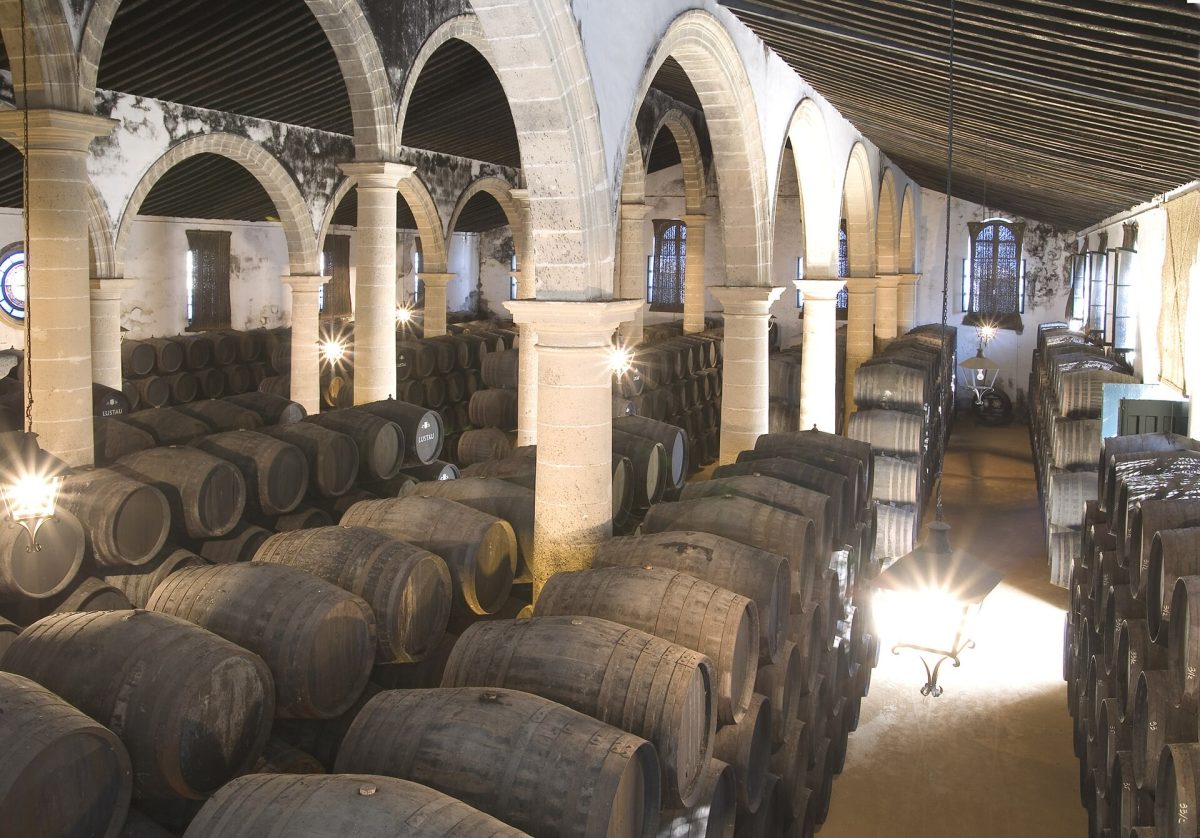
More important still is how the sherry has matured. Part of it lies for years under a living layer of yeast that seals the cask off from the air. That layer is called flor. Another part matures precisely with air, in casks that are deliberately not completely full. Once you know that difference, you can predict for yourself how long an opened bottle will last. What has grown up protected under flor still has everything to lose. What has been used to air for years hardly loses anything any more. How that maturation works is explained in our piece on the solera system and the flor yeast layer.
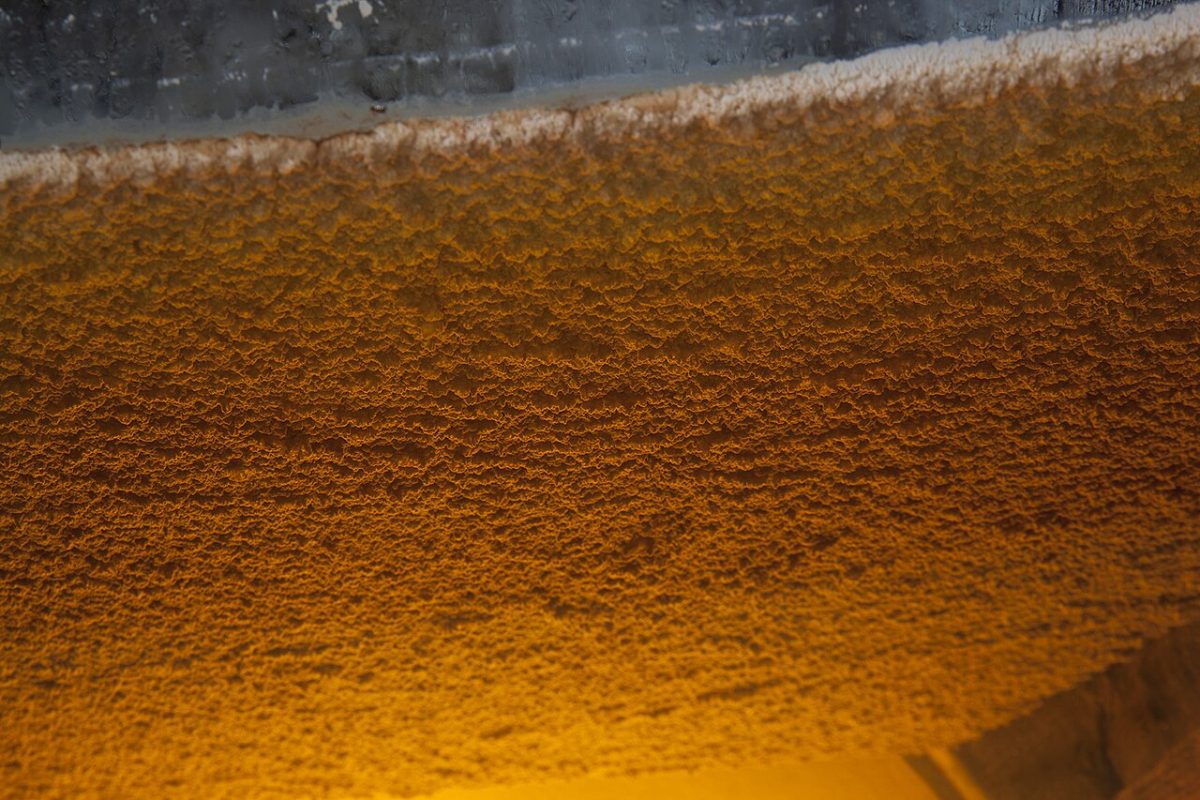
Fino and manzanilla: count on a week
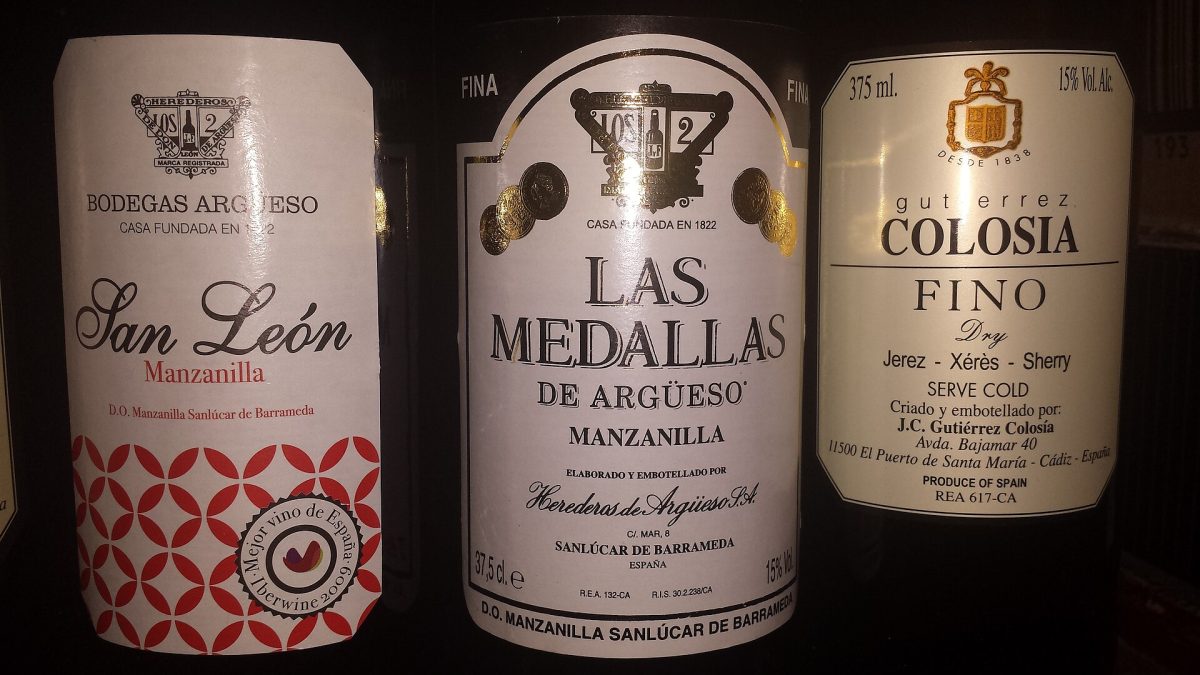
Eleven of our thirty-three sherries are fino or manzanilla. Those are the pale, dry styles, almost all at fifteen percent. They have been shielded their whole life and come fresh into the bottle. As soon as the cork comes out, that starts to fade.
Keeps: three to five days, with luck a week. Put the bottle in the fridge, cap on firmly, and finish it the way you would finish an opened white wine. After that the sherry is not spoiled, but it has gone flat. In the kitchen it is still perfectly usable, in a sauce or in the pan with mushrooms.
If you do not get through a whole bottle, a smaller bottle is the simplest solution. Eight of our thirty-three are 37.5 centilitres or less. Which dry sherry is which, you can read in fino, amontillado and oloroso told apart.
Amontillado and palo cortado: weeks instead of days
Four bottles with us are amontillado or palo cortado. They begin their life under flor, but when that layer falls away they continue for years with air in the cask. That is exactly why they hold up so much better after opening: the worst has already happened to them before they were bottled.
A month or two is realistic, and often longer. The percentage is higher here, from sixteen and a half to well over twenty-one, which also helps. The fridge is not needed; a cool, dark cupboard is enough. The same rule applies as with all fortified wine, though: the emptier the bottle, the faster it goes, because there is more air above it.
With us, these styles come, among others, from Valdespino. How much is still left in the bottle matters more for them than how many days the bottle has been open.
Pedro Ximénez, moscatel and cream: the longest staying power
Nine of our thirty-three sherries are sweet: pedro ximénez, moscatel or cream. Here the alcohol is joined by a second preservative, because sugar keeps wine well. That is why these bottles can last for months, sometimes half a year, without much changing.
What you do see is that the colour slowly gets darker and the syrup a little thicker. Many people do not mind that. Store the bottle cool and dark, upright, so that the sweet wine does not keep standing against the cork. A bottle like the pedro ximénez from Lustau is built precisely for pouring a small glass from it now and then.
What you can do about it at home
It does not have to be much more complicated than this:
- Dry sherry in the fridge, sweet sherry in a cool cupboard. Both upright, with the cork or cap tightly closed.
- If a little is left over that you do not finish within a week, pour it into a smaller bottle. Less air above the wine is the whole point.
- A vacuum pump or a can of inert gas works, although with fino you gain at most a few days with it.
- Never put a bottle in the light or next to the oven. Heat and sunlight do more harm than a day of air.
- If in doubt, simply smell and taste. A sherry that smells of vinegar or wet cardboard goes into the pan, not the glass.
The same logic applies to the closest neighbour of sherry: see how long port keeps after opening, and for ordinary wine how long an opened bottle of wine keeps.
Where to start
Anyone who rarely drinks sherry but would like a glass now and then starts with a style that has patience. Anyone who pours a small glass with olives every week can easily take on a whole bottle of fino. Four bottles that show that range, from pale and fast to dark and slow:
More about sherry
The whole shelf is on our sherry page, and with the search engine of the wine & spirits shop you can filter by house or style. Want to order straight away? Take a look at the Tío Pepe Fino in the online shop, for example. If what you are looking for is not there, just give us a call: in the shop on the Brink there are bottles that do not all have their own page online.


 Whisky
 Beer
 Wine
 Spirits
 Aperitifs and specialities
 Alcohol-free
 Glasses and more
 Partnerships