In the aperitif section in Bathmen there are twelve aquavits from five houses. Three of those bottles bear the name Linie, and that is the only brand in the section where you can read on the back which ship that particular drink sailed on.
That sounds like a story invented after the fact. It is not. The casks really do go on board, sail to Australia and back, crossing the equator twice in the process. Below you can read where that custom comes from, what the voyage does to the spirit, what the Norwegian rules require, and what the label does and does not tell you.
Linie is an old word for the equator
The name is not the invention of an advertising agency. In sailors' language, Linie was the word for the equator: the line. A ship that passed the Linie crossed the equator.
The number two is therefore not a choice but a consequence. Anyone who leaves from Norway, arrives in Australia and comes home again crosses the equator on the outward and the return journey. Twice, or not at all.

How the custom came about
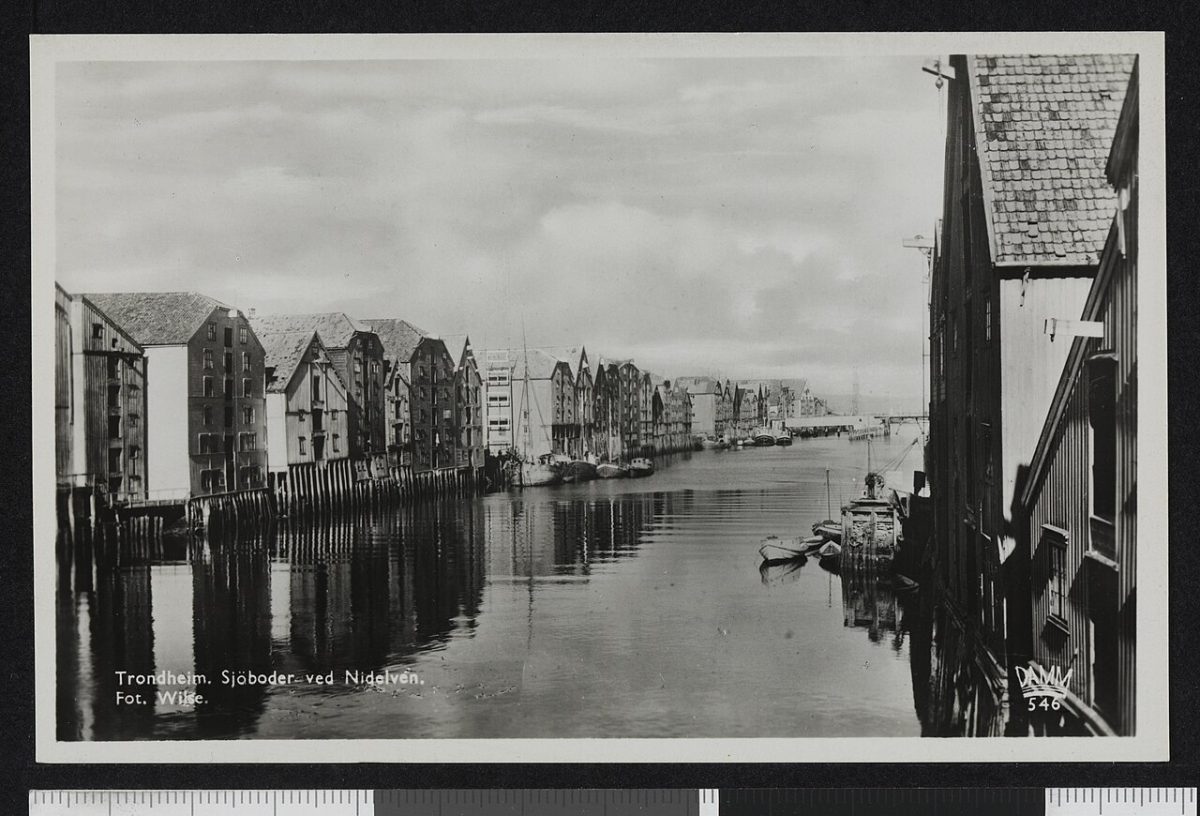
In 1805, Catharina Lysholm of Trondheim sent casks of distillate along on a ship to the East Indies. Whether that was meant as maturation or simply as trade is not stated. What is certain is that her nephew Jørgen B. Lysholm, who had learnt chemistry, afterwards went on to try voyages to more distant destinations and put the result on the market as a brand in 1821.
After that the brand changed hands a few times. In 1922 the Norwegian state took over the distilleries. Since 1927 the shipping company Wilhelmsen has handled the sea voyage, and it still does. In 1996 the brand came to Arcus, which is based in Oslo today.
So it is not a recent discovery, nor a one-off experiment. The voyage has been part of the house for two centuries, and for well over a century with the same shipping company.
What the voyage does to the spirit
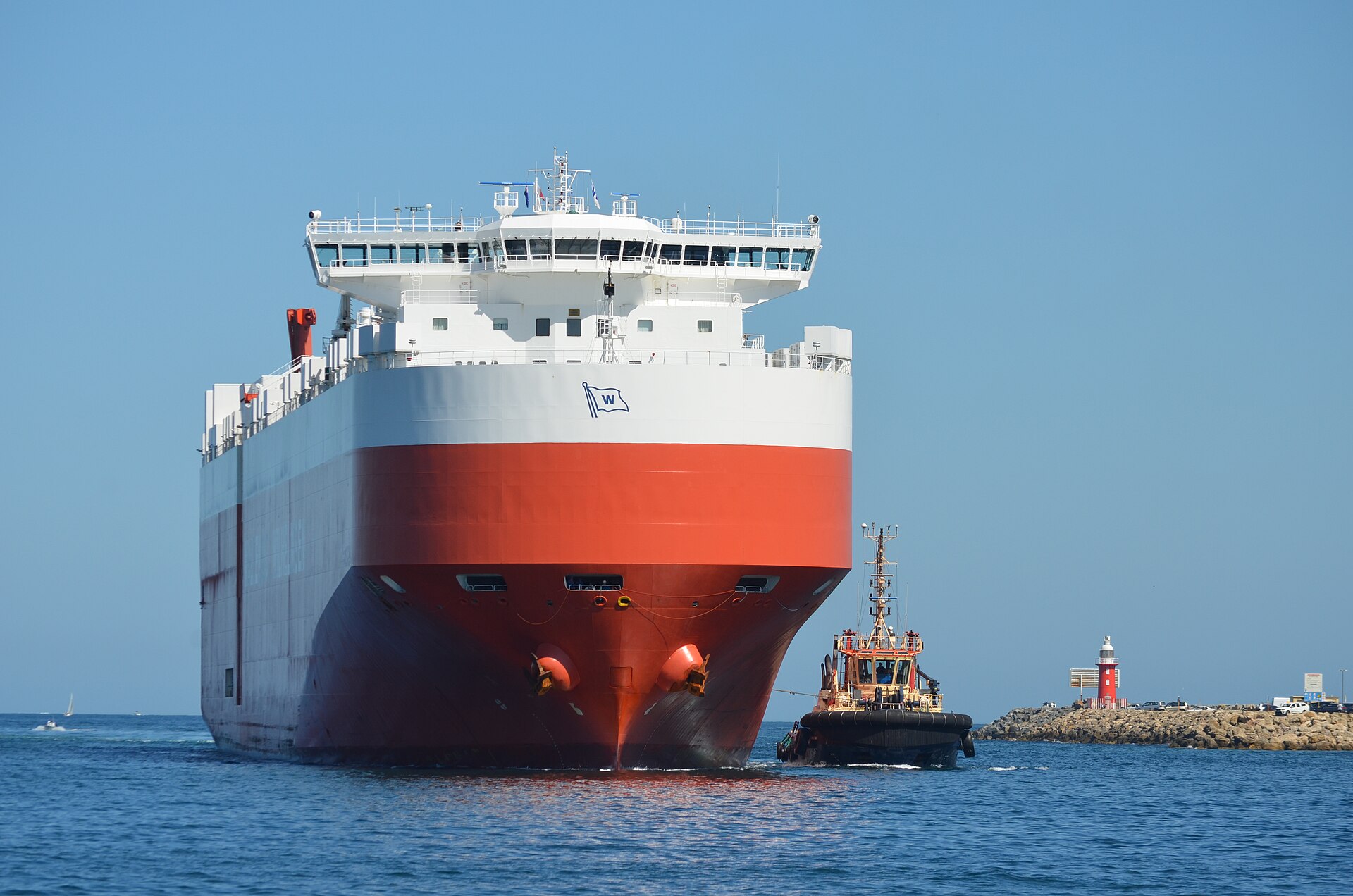
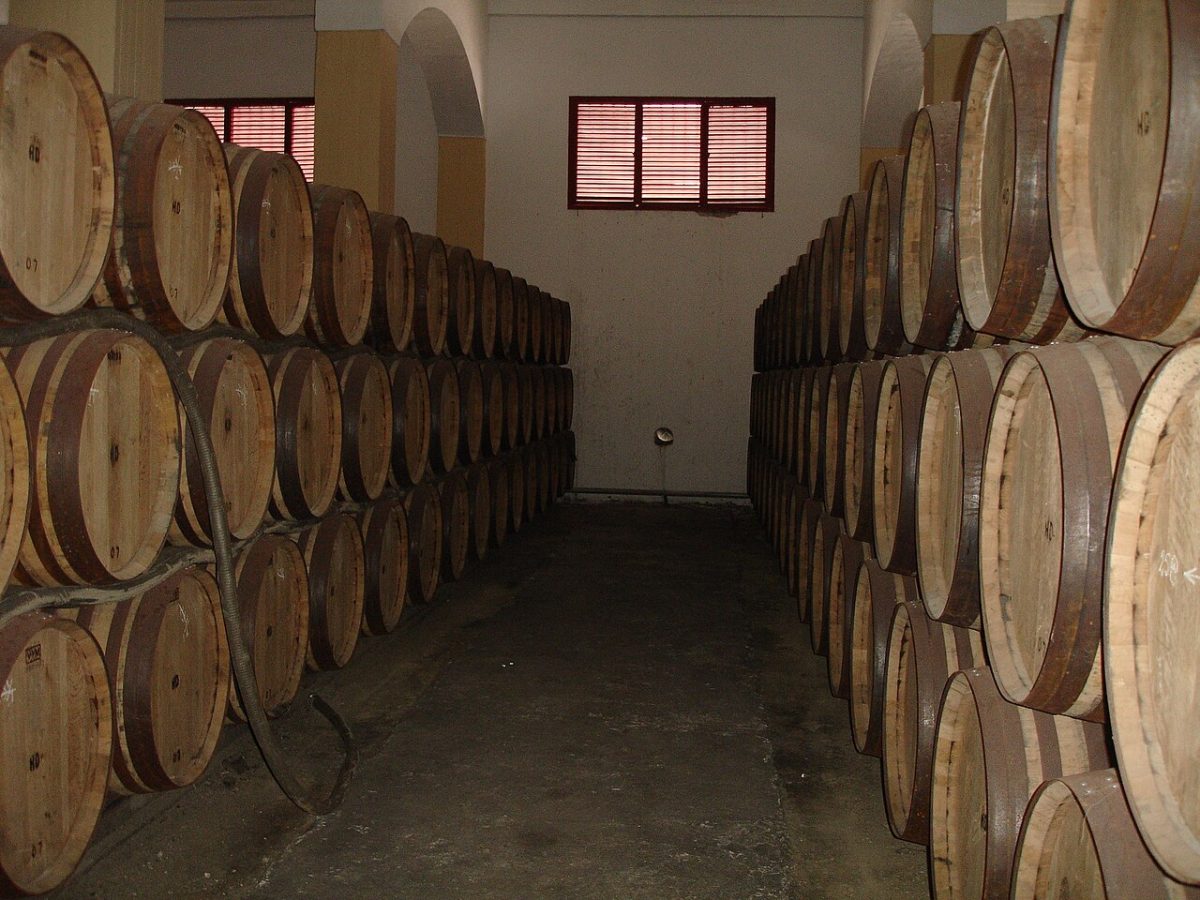
The casks lie in closed containers on deck, not in the hold. The journey takes about four months. On the way the aquavit lies in oak casks that previously held oloroso sherry.
The idea behind sea maturation is mechanical, not mystical. A cask on deck is in motion for the whole voyage, and the temperature runs from the Norwegian spring to the tropics and back again. Movement and temperature swings push the drink in and out of the wood more often than in a still warehouse on shore. That is the explanation the brand itself gives for the difference.
It is also not a handful of casks. According to the German Wikipedia page on the brand, around two hundred to two hundred and twenty containers are on the way at any time, with twenty casks per container. That is a maturation site without a fixed place: the stock is spread across the world’s oceans and comes home in batches.
The route is not fixed. Which ports a ship calls at depends on the cargo it carries further. These are not drink ships but ordinary cargo ships that sail their round; the aquavit travels along as a passenger and the precise route differs per shipment.
What Norwegian aquavit must be according to the rules
Since 2020, Norsk Akevitt has been a protected geographical indication in the European Union. The dossier behind it is more precise than you might expect.
The alcohol content must be between 37.5 and 60 percent. The base is potato spirit, of which at least 95 percent of the potatoes come from Norway. It is flavoured with a distillate of caraway, of dill seed, or of both. And there is a cask requirement: at least six months in casks smaller than a thousand litres, or at least twelve months in casks larger than a thousand litres. Production takes place within the borders of Norway.
That cask requirement is the biggest difference with the Danish side of the same trade. A Danish taffel is clear and sharp; Norwegian akevitt has lain on wood and is therefore yellower in colour. With us they stand side by side, and they are two different drinks.
For you at the counter, that designation means something simple: if the bottle says Norsk Akevitt, you know that the base is potato and that wood has been involved.
Linie is at 41.5 percent, and that applies to all three bottles we carry of the brand: the regular bottle of seventy centilitres, the same bottle in one litre, and the Port Double Cask. That last name refers to a second type of cask.
What is on the label, and what is not
On the back of every bottle it states which ship the casks sailed on, on which dates and along which route. That differs per cargo, so two bottles from the same shelf may name a different ship. We know of no other bottle in the shop on which the transport of the contents can be read.
What it does not say is how long the cask lay in Norway before it went on board, and how long after. The four months at sea are part of the maturation, not the whole maturation. For that answer you have to go to the distiller.
And what we do not say about it: how big the difference in the glass is compared with a bottle that has never been to sea. We have not put the two side by side, and as long as that is the case, we leave the judgement to you.
Where to start
All twelve aquavits are on the page aquavit, with brand and country alongside. If you only want to see this house, look at the brand page Linie; the Danish counterpart is at Aalborg. With the search engine of the wine & spirits shop you can walk through the whole range, and you can also view the regular bottle directly in the online shop.
Read more
If you first want to know what aquavit actually is and how Norwegian, Danish and Swedish differ, read aquavit: caraway, dill and the difference between Norwegian, Danish and Swedish. If you are looking for the Dutch tradition of a spiced grain distillate, take a look at the jenevers. If you are unsure which bottle you need, feel free to call: +31 570 541 278.