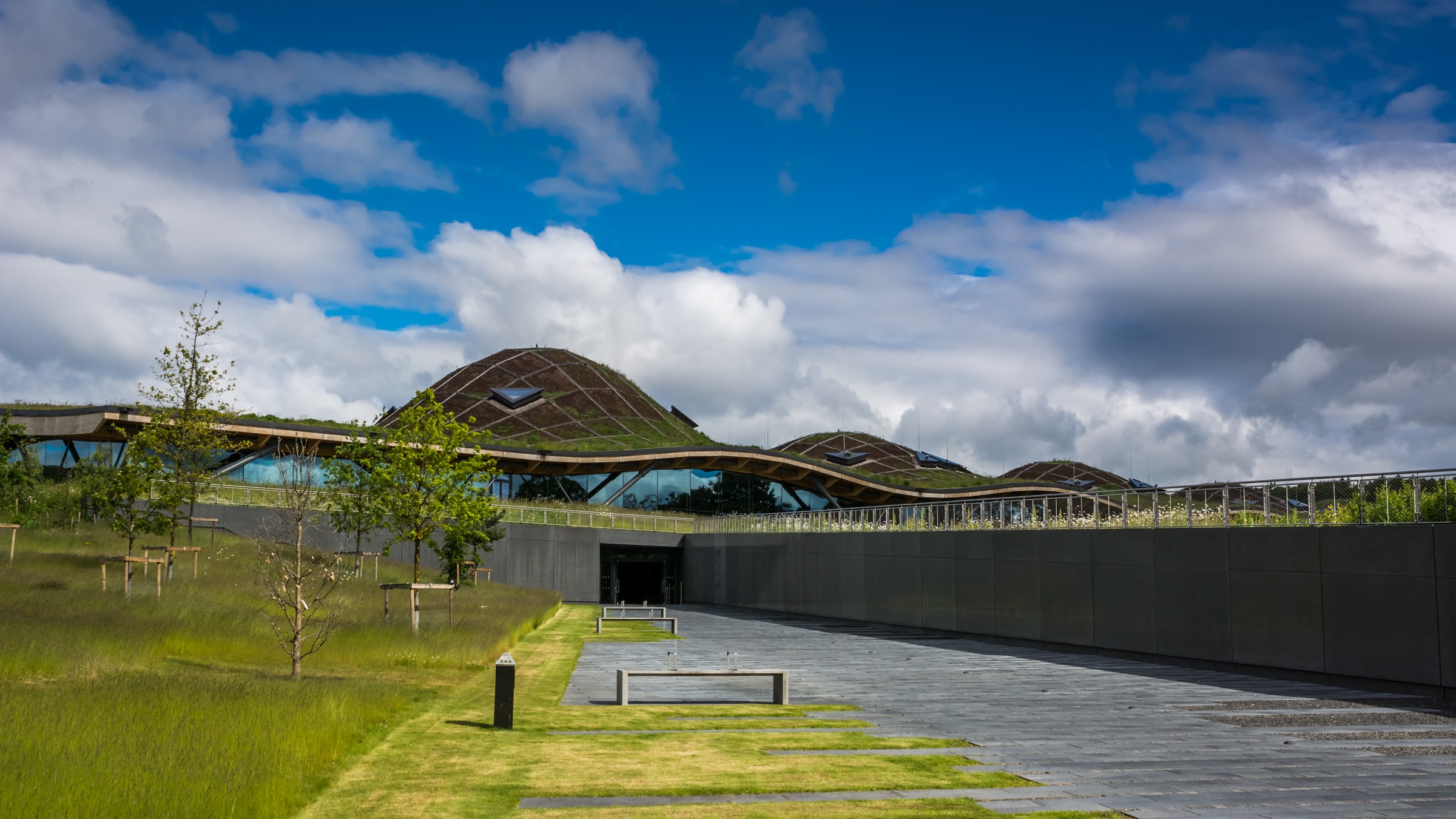
The short answer to this question is on the question page What is Speyside whisky?. Below you can read the whole story behind it.
Of the 3,784 whiskies on our shelf in Bathmen, 696 come from Speyside. That is more than from any other Scottish region: Islay accounts for 478 bottles, the Highlands for 455, the Islands for 105, the Lowlands for 102 and Campbeltown for 68.
That proportion is not a coincidence of our buying. Speyside is by far the region with the most working distilleries in the world, and it has grown that way over two centuries. The question customers ask at the counter is usually the same: why are they all there, then, and do they taste like each other?
Water, barley and glens where nobody looked
Speyside is the area around the River Spey in the north-east of Scotland, with side valleys that have given the distilleries their names. The Livet and the Fiddich are the best known, and you hear them again in Glenlivet and Glenfiddich. The rolling land around Elgin and Keith is arable land where barley grows well, the hills behind it supply peat, and the slopes give springs that provide water all year round.
That is the sober explanation: everything you need to distil was there together. But there is a second reason, and it matters more for the story. The valleys are narrow, winding and far from the road. Anyone who set up a still there was not quickly found.
The years when distilling was banned
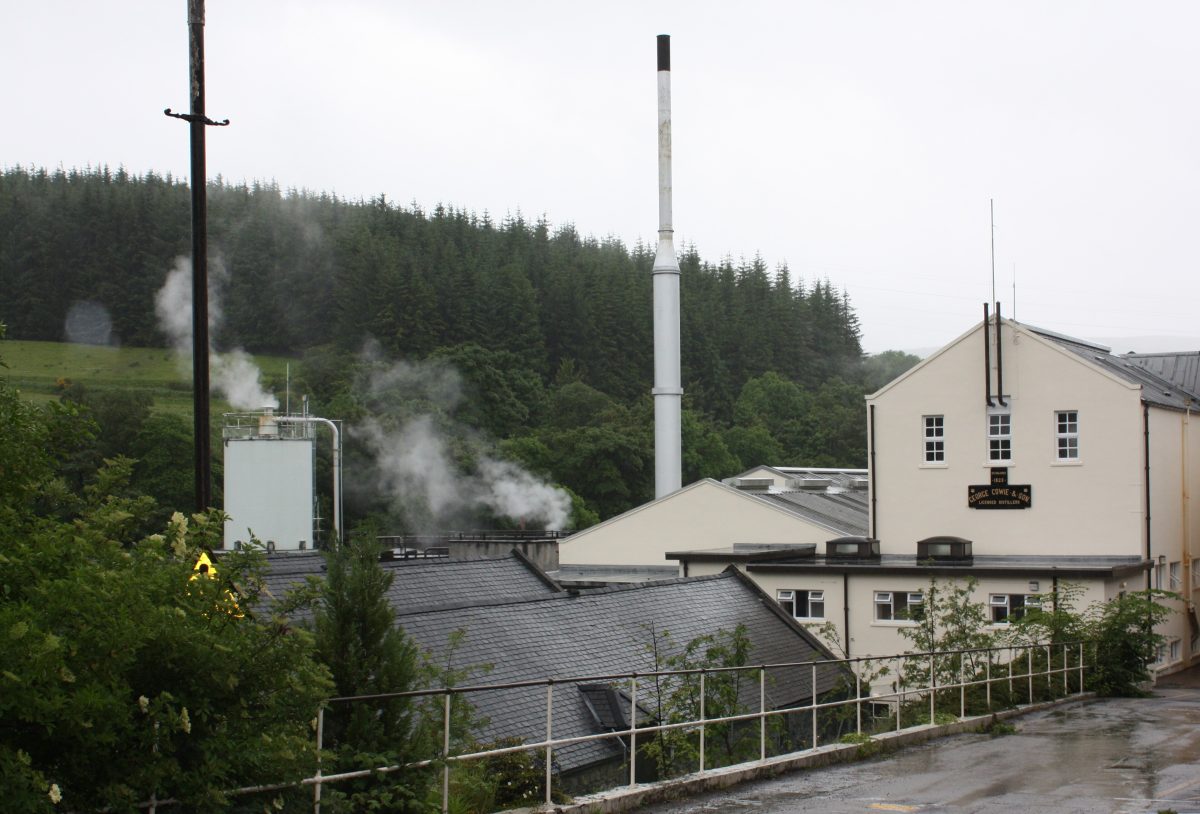
At the beginning of the nineteenth century, home distilling in Scotland was subject to such heavy excise duties that almost nobody complied. In the glens of Speyside there was large-scale unlicensed distilling, and the whisky went south over the hill paths. It was an ordinary line of business, only outside the law.
In 1823 that law was amended so that legal distilling became affordable for the first time. What happened next can still be read on the façades. Mortlach took out Dufftown’s first licence in 1823. The Glenlivet followed in 1824, becoming the first licensed distillery in the region, and Macallan received its papers that same year on the Easter Elchies estate.
The name Glenlivet then sold so well that other distillers began adding it after their own name. Part of the region named itself after a glen where most of those distilleries were not even located. Speyside as a designation only came into use later.
After 1823 something else was added. The railway line ran straight through the area, and that suddenly made bringing in coal and shipping out casks simple. Cragganmore was deliberately built next to the railway in 1869. Anyone who lays the map of the region next to the railway timetable sees the distilleries gathering around the stations.
One region, but no regional taste
Here we must be honest, because this is the most persistent misconception about Speyside. There is no Speyside taste. It is a postcode area, not a recipe. The differences between the individual houses are greater than the differences between the regions.
Craigellachie distils deliberately meaty and sulphury, with worm tubs instead of modern condensers, and ends up at about thirty ppm sulphur in the spirit. That is a multiple of what is usual, and it is not an accident but the whole point of the house. Mortlach in Dufftown is regarded as the heaviest malt of that little town. Macallan, by contrast, works with strikingly small stills.
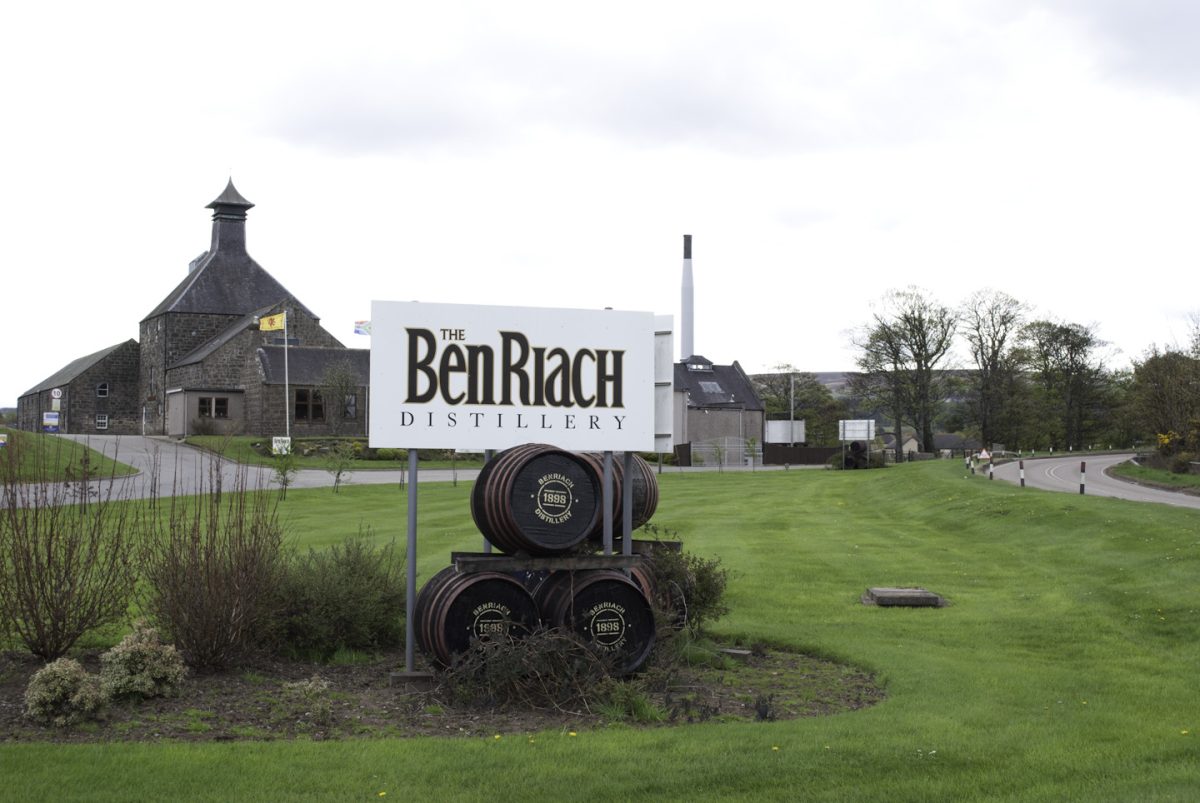
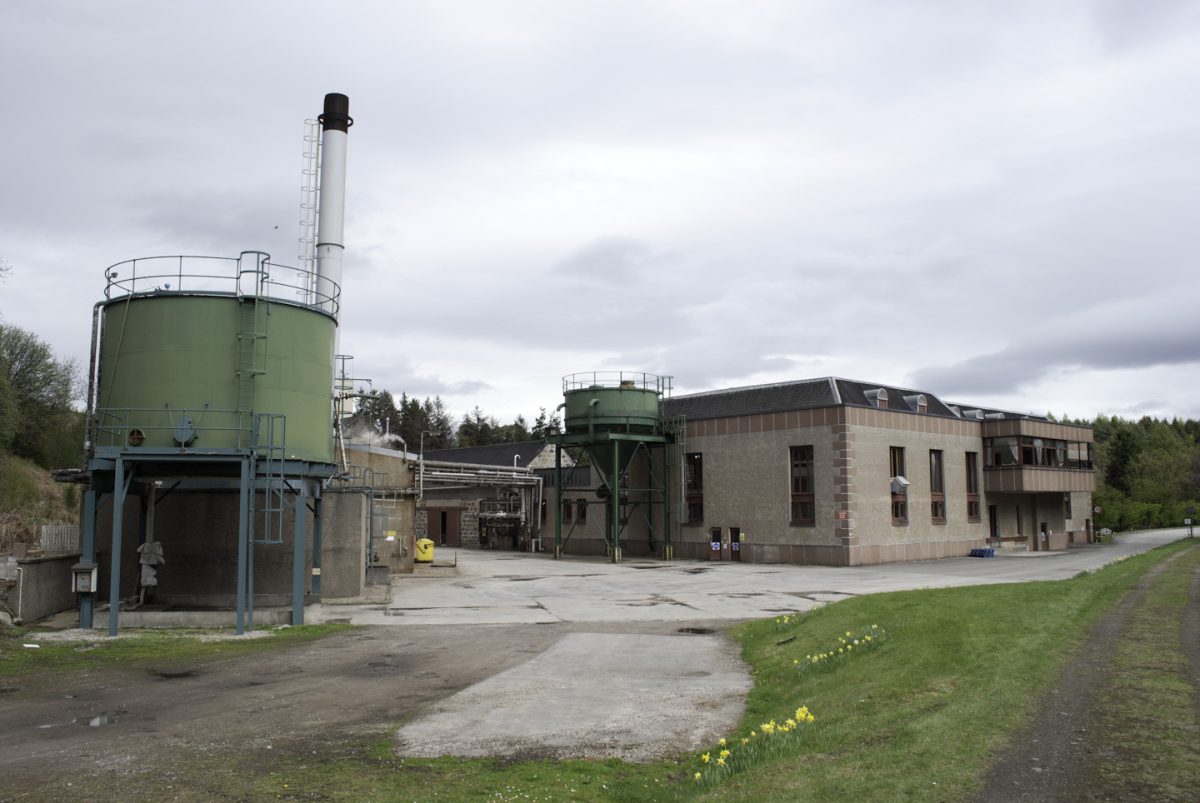
Paths also diverge at the maltings. BenRiach near Elgin makes both peated and unpeated whisky, which is unusual in Speyside. You can put the same malt of the same age with and without smoke side by side, and the only difference is whether the barley was dried over a peat fire.
And then the fire itself. Glenfarclas is the last distillery in Scotland where all stills are on direct fire instead of steam coils. Six generations of Grants keep that going. You hear that kind of choice back in the glass, and that is why a regional name on a label tells you so little.
Why wood counts for more here than elsewhere
Where Islay draws its signature largely from peat, the Speyside houses draw theirs from the cask. That makes the choice of wood half the story there, and you can see it on the labels.
Most houses take bourbon casks as a base and use sherry as a finish. Tamdhu does it the other way round and lets the whole range mature entirely on sherry casks. Macallan goes one step further and has its casks made to measure in Jerez before they travel to Scotland.
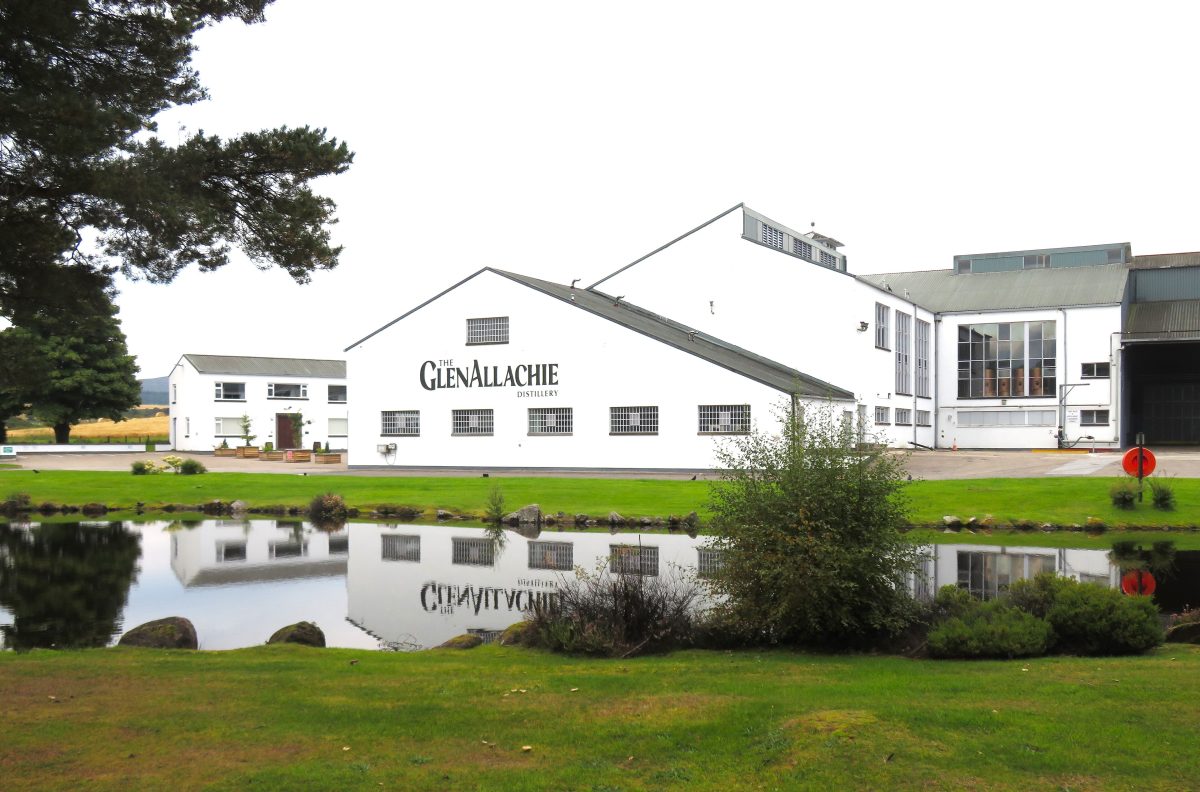
Balvenie in Dufftown made finishing in a second cask big. We have eight different cask finishes from that house side by side, from Caribbean rum to French oak, and three twelve-year-olds that differ only in their cask. GlenAllachie near Aberlour does it differently again and puts five types of new oak side by side: chinquapin, French, Spanish, Hungarian and Scottish. The same whisky underneath, five times a different wood.
That is the most enjoyable way to get to know Speyside. Not one bottle per house, but two bottles from the same house that differ only in the wood.
Where to start
Speyside is the region where you can start most calmly, precisely because there is so much choice. The core bottlings of twelve to fifteen years form the heart of the range at most distilleries, and they are broad enough to show what the distillery stands for.
Among the 696 Speyside bottles we stock are the well-known names, but also houses whose distillate normally disappears into blends and which you only come across with independent bottlers: Linkwood, Glenlossie, Auchroisk, Dailuaine, Inchgower. What suits you depends on what you drink now. Drop by or call 0570 541 278, and we will help you choose.
Keep browsing
All the Scottish bottles are listed on our page whisky from Scotland, where you can also filter by region. If you want to look more broadly, start with the whisky guide or browse the index of all whisky brands. If you are looking for something specific, use the shop’s search engine.
For each house you will find the background and the range: The Glenlivet, The Macallan, Glenfarclas, Mortlach, Craigellachie, BenRiach, Tamdhu, GlenAllachie, Balvenie, Aberlour, Cragganmore and Tomintoul.
If you want to compare Scotland with the other whisky countries, read Scotland, Ireland and Japan: three whisky countries side by side.