White vermouth
White vermouth is an aromatised wine: at least 75 percent wine, with added alcohol and a flavour that comes from wormwood, the plant species Artemisia. This is laid down in European Regulation (EU) No 251/2014. The alcohol content lies between 14.5 and 22 percent. Vermouth bianco is the sweet white variant; dry and extra dry contain less sugar. In the shop at the Brink in Bathmen there are currently 12 bottles of white and dry vermouth, from Italy, France and Germany.
- 12bottles in the shop
- 8brands
- 3countries
- 14,5–18%alcohol
What is white vermouth?
White vermouth is an aromatised wine to which alcohol has been added and whose characteristic flavour comes from substances from Artemisia species, or wormwood. That is the legal description of vermouth in European Regulation (EU) No 251/2014.
The same regulation sets out what an aromatised wine is. At least 75 percent of the volume consists of vine products, such as wine. The actual alcoholic strength is at least 14.5 percent and below 22 percent. The definition prescribes no fixed colour or sweetness. That is why red, white and dry vermouths exist side by side, all falling under the same rules.
What is the difference between vermouth bianco and dry or extra dry?
The difference lies mainly in the sugar. Vermouth bianco, or blanc, is a sweet white vermouth. Martini describes its Bianco as a sweet white vermouth based on white wines, including trebbiano. Dolin calls its white vermouth sweeter than its Dry.
Fixed limits apply in the EU for the designation on the label. Extra dry may only be used with less than 30 grams of sugar per litre, dry with less than 50 grams. Medium dry lies between 50 and 90 grams, medium sweet between 90 and 130 grams and sweet from 130 grams per litre. For aromatised wine there is also a minimum alcohol content: 15 percent for extra dry and 16 percent for dry.
White vermouth at ’t Bockje
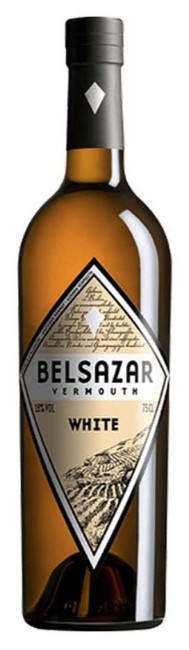
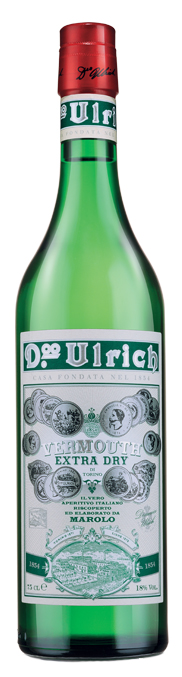
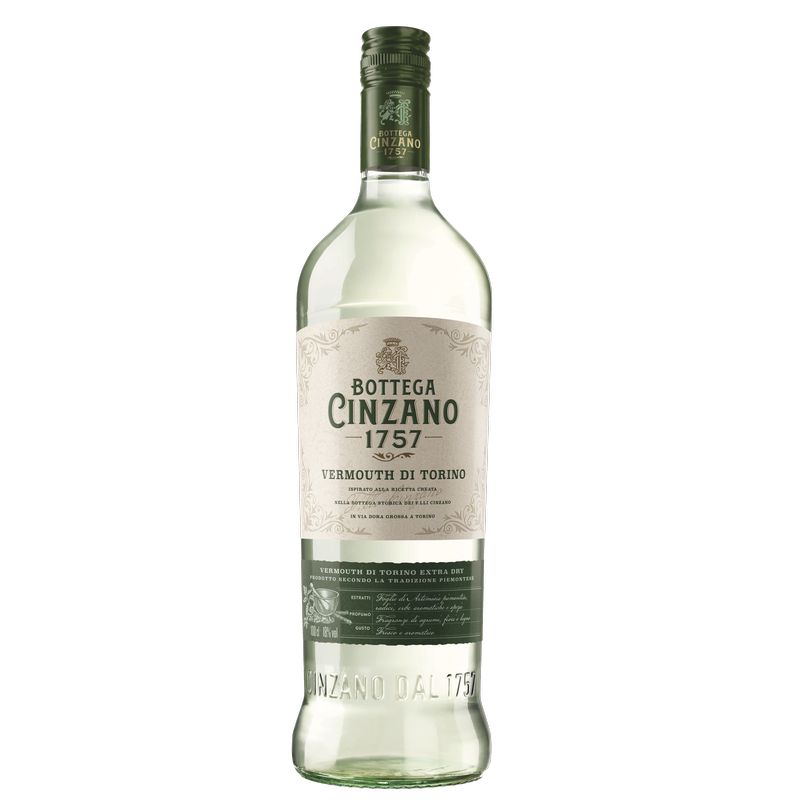
A selection of the 12 bottles now in the shop on the Brink.



In brief
| Legal basis | Regulation (EU) No 251/2014 |
|---|---|
| Share of wine | At least 75 percent |
| Characteristic plant | Wormwood (Artemisia) |
| Alcohol | 14.5 to under 22 percent |
| Extra dry | Less than 30 grams of sugar per litre |
| Dry | Less than 50 grams of sugar per litre |
| Vermouth di Torino | Geographical indication from Piemonte, since 2017 |
| In the shop | 12 bottles |
What does Vermouth di Torino on the label mean?
Vermouth di Torino is a protected geographical indication for vermouth from Piemonte. The Italian Ministry of Agriculture recognised the designation by decree of 22 March 2017. On 7 April 2017, 15 producing companies founded the Istituto del Vermouth di Torino.
According to the product specification in the European register, the drink consists of at least 75 percent Italian viticultural products and the alcohol content lies between 16 and 22 percent. Common or Roman wormwood is mandatory, at least 0.5 grams of dried plant per litre, grown or harvested in Piedmont. White ranges from white and straw yellow to amber. The label may state extra dry, dry and sweet, with the same sugar limits as in the European rules.
What is Vermouth de Chambéry?
Vermouth de Chambéry is the name under which Dolin makes its vermouths from Savoie in France. According to Dolin, the name Chambéry was used around 1900 to distinguish Savoyard vermouth. Whether the name is a protected European designation is not stated in the sources consulted for this page.
Dolin says that founder Joseph Chavasse saw the vermouth made in Turin in 1821 and then created a recipe of his own. Louis-Ferdinand Dolin bought the distillery in 1852. According to the house, the first white vermouth was made in Savoy in 1881. The Dolin Blanc has 16 percent alcohol and contains about 32 plants and herbs, including wormwood and gentian. The Dolin Dry has 17.5 percent alcohol.
How is a French dry vermouth such as Noilly Prat made?
Noilly Prat makes its Original Dry in Marseillan, a port town in the south of France, over more than 16 months. First the house receives the wine and adds alcohol. Then follow two maturation phases of 12 months each.
A selection of white base wines matures in L'Enclos. The house mentions outdoor maturation, which applies only to the Original Dry and the Extra Dry. Sweet wines mature in the Chai des Mistelles. Finally, herbs and spices are blended and steeped in the wine for three weeks. Dolin works in a similar way: the herbs infuse in white wine from ugni blanc.
Which white vermouth is in the shop?
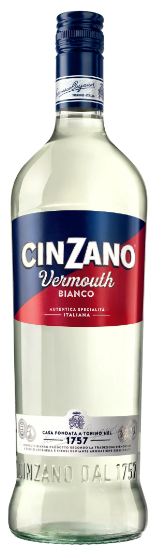
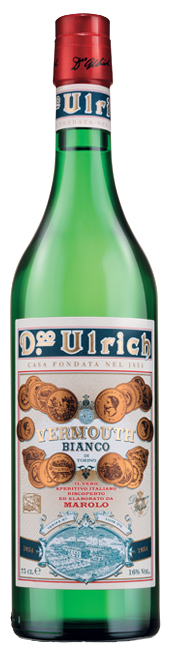
In the shop there are now 12 bottles of white and dry vermouth: seven from Italy, four from France and one from Germany. From Italy come the Martini Vermouth Bianco, the Martini Extra Dry and the Cinzano Bianco, along with the Cinzano Bottega 1757 Vermouth di Torino Extra Dry. From Marolo, the Ulrich Vermouth di Torino Bianco and the Ulrich Vermouth di Torino Extra Dry are on the shelf.
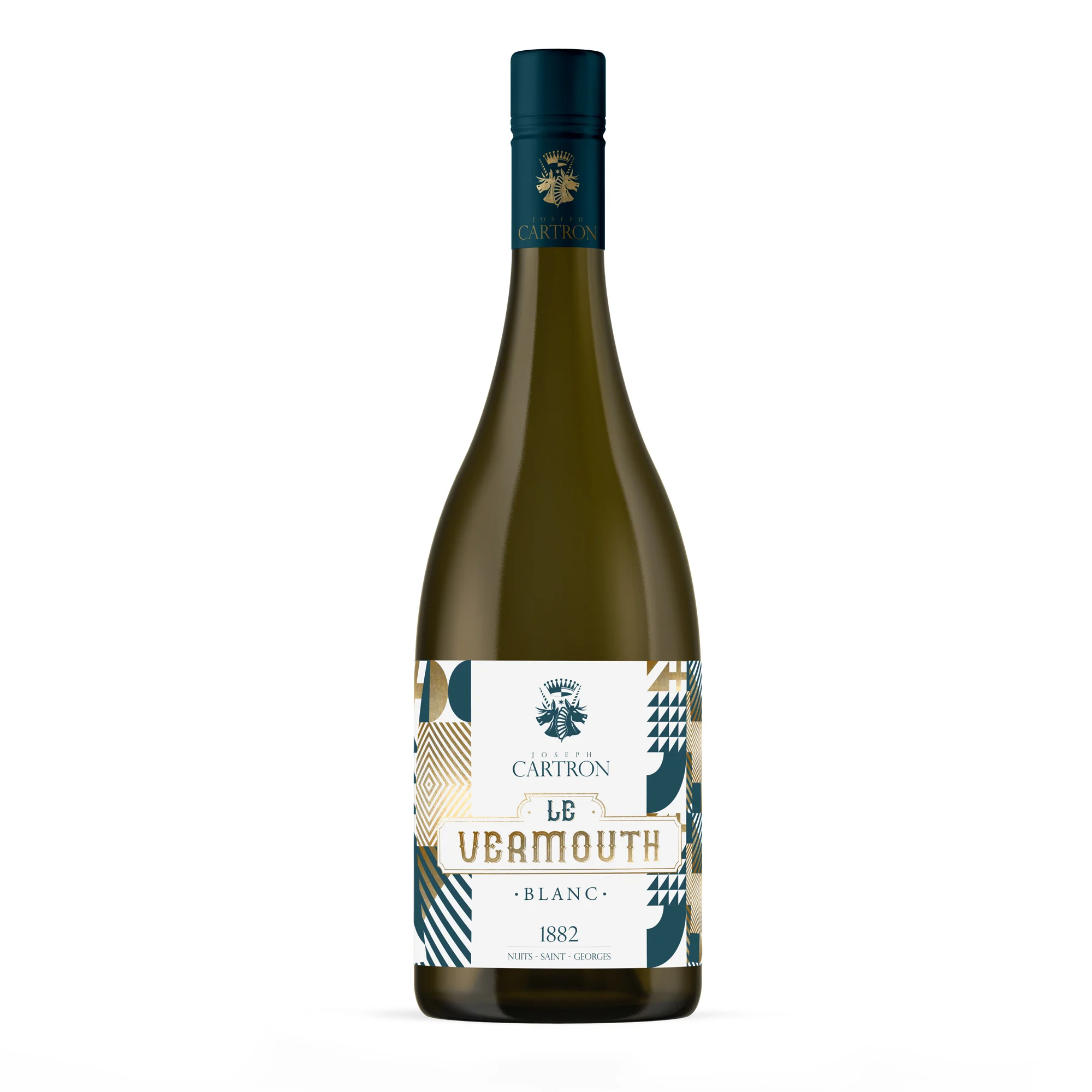
From France you can choose from the Dolin Blanc Vermouth, the Dolin Dry Vermouth, the Noilly Prat Original Dry and the Joseph Cartron Vermouth Blanc. From Germany comes the Belsazar White Vermouth. For the kitchen there is the Cuisine Keukenflesje Vermouth Extra Dry. Would you like to know how these bottles differ? Feel free to call or drop by ’t Bockje at Brink 2 in Bathmen.
Brands in this selection
- Cinzano 2
- Dolin 2
- Marolo Ulrich 2
- Martini 2
- Belsazar 1
- Cuisine 1
- Joseph 1
- Noilly Prat 1
What customers also ask
Is vermouth bianco sweet?
Yes, bianco is the sweet white vermouth. Dry and extra dry contain less sugar.
How much sugar is in extra dry vermouth?
Less than 30 grams per litre, according to the European labelling rules.
Is vermouth a wine?
Yes, an aromatized wine with at least 75 percent wine and added alcohol.
Where does Vermouth di Torino come from?
From the Italian region of Piemonte, where the required wormwood is also grown or harvested.
How much white vermouth is there in the shop?
Currently 12 bottles, from Italy, France and Germany.
Keep browsing
Sources
- Verordening (EU) nr. 251/2014 inzake gearomatiseerde wijnbouwproducten, EUR-Lex, Europese Unie, eur-lex.europa.eu/legal-content/NL/TXT/HTML/?uri=CELEX:32014R0251 (accessed 13 October 2026)
- Productspecificatie Vermut di Torino / Vermouth di Torino, Europese Commissie, eAmbrosia, webgate.ec.europa.eu/eambrosia-api/api/v1/attachments/57622 (accessed 13 October 2026)
- Decreto 22 marzo 2017, Vermut di Torino, Gazzetta Ufficiale della Repubblica Italiana, gazzettaufficiale.it/eli/id/2017/04/03/17A02417/sg (accessed 13 October 2026)
- Istituto del Vermouth di Torino, Regione Piemonte, regione.piemonte.it/archivio_pinforma/www.regione.piemonte.it/pinforma/archivio-dicembre-2015-gennaio-2019/8-agricoltura/1299-istituto-del-vermouth-di-torino.html (accessed 13 October 2026)
- Our story, Dolin, dolin.fr/en/our-story/ (accessed 13 October 2026)
- White vermouth, Dolin, dolin.fr/en/products/white-vermouth/ (accessed 13 October 2026)
- Vermouth dry, Dolin, dolin.fr/en/products/vermouth-dry/ (accessed 13 October 2026)
- Noilly Prat, Noilly Prat, noillyprat.com/ (accessed 13 October 2026)
- Process, Noilly Prat, noillyprat.com/process/ (accessed 13 October 2026)
- Martini Bianco, Martini, martini.com/products/martini-bianco/ (accessed 13 October 2026)
The shop is at Brink 2 in Bathmen. Open Tuesday to Friday from 09.00 to 18.00 and Saturday from 09.00 to 17.00. For advice, call 0570 541 278 or email info@bockje.nl.
Wij verkopen geen alcohol aan personen onder de 18 jaar. NIX18.
 Whisky
 Beer
 Wine
 Spirits
 Aperitifs and specialities
 Alcohol-free
 Glasses and more
 Partnerships