
Sémillon
Sémillon is a white grape from France and the most important grape of Sauternes, where noble rot (Botrytis cinerea) makes the wine possible. In Bordeaux, sémillon covers 43 percent of the white vineyard area, often together with sauvignon blanc. Outside France it is usually spelled semillon, without the accent. In the shop on the Brink in Bathmen there are 9 bottles of semillon wine, from Sauternes and Bordeaux blanc to white wine from South Africa and Chile.
- 9bottles in the shop
- 9wine houses
- 3countries
- 10,5–13,5%alcohol
What kind of grape is sémillon?
Sémillon is a white grape from France. The VIVC grape register lists the grape under the main name Semillon, with white berries and France as country of origin. According to that register, the full parentage has not been established.
The grape has dozens of other names. VIVC lists 59, including Hunter River Riesling, Saint Emilion and even Sauternes. According to the Bordeaux wine organisation, you recognise the vine by its large, round berries with a golden-yellow colour. The variety is moderately vigorous, ripens fairly early and is sensitive to spring frost and summer drought. Outside France the accent is often dropped: then the label says semillon.
Why is sémillon so important for Sauternes?
Because, according to the appellation rules, sémillon is the main grape of Sauternes. The specifications of the AOC Sauternes name sémillon as the principal variety, with sauvignon blanc, sauvignon gris and muscadelle as additional grapes. The specifications do not prescribe a fixed ratio.
The rules are strict:
- Only the municipalities of Sauternes, Bommes, Fargues, Preignac and Barsac belong to the area.
- The grapes are picked by hand, in successive picking rounds (tries successives).
- The grapes were harvested overripe, with noble rot.
- Every batch of wine contains at least 45 grams of sugar per litre and the maximum yield is 25 hectolitres per hectare.
Sauternes is always a still white wine and reaches the market on 1 April after the harvest year at the earliest.
Sémillon at ’t Bockje
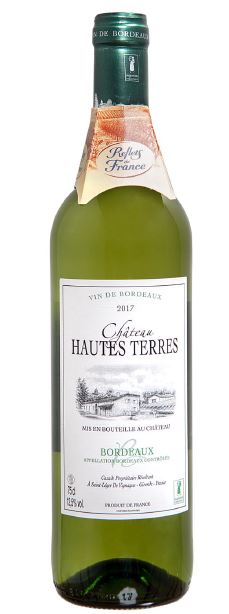
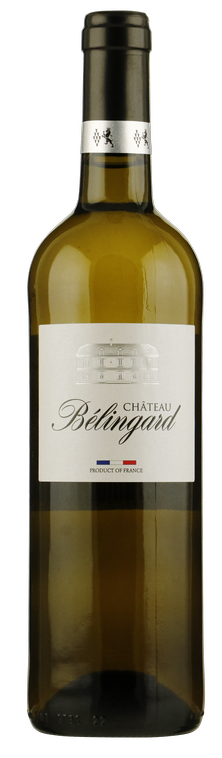
A selection from the 9 bottles currently in the shop on the Brink.



In brief
| Colour | White grape |
|---|---|
| Origin | France |
| Other names | Among others Hunter River Riesling, Saint Emilion, groendruif (Cape) |
| Share of white vineyards in Bordeaux | 43 percent |
| Best-known appellation | Sauternes (main grape according to the specifications) |
| Sauternes, minimum sugar | 45 grams per liter |
| Sauternes, maximum yield | 25 hectolitres per hectare |
| Mutatie | Sémillon gris, certified in 2022 (South Africa) |
| In the shop | 9 bottles |
What does noble rot do to sémillon?
Noble rot, the fungus Botrytis cinerea, concentrates the sugars in the berry. The Bordeaux wine organisation writes that sémillon is the grape that seeks out this encounter with the fungus above all others. That is why the grape is so prominent in areas such as Sauternes, Barsac and Cadillac, where the sweet white wines of Bordeaux come from.
The consequence lies in the quantity. According to the same source, one vine yields only about one glass of wine for a liquoreux, whereas that same vine gives a whole bottle for a dry white wine. On top of that, the pickers go through the vineyard several times to harvest only the affected grapes each time.
Is dry white wine also made from sémillon?
Yes. In Bordeaux, sémillon goes into dry white wine just as well, usually together with sauvignon blanc. Decanter cites Pessac-Léognan in the Graves as an example of that tradition. According to the Bordeaux wine organisation, 43 percent of the white vineyard there is sémillon; sauvignon blanc and muscadelle are the other main grapes. According to that source, the structure of sémillon gives the wine good ageing potential.
In Australia, the Hunter Valley in New South Wales is known for dry semillon. According to Decanter it is picked early, fermented in stainless steel tanks, with little or no oak, and matured mainly in the bottle. Tyrrell's Vat 1 Semillon 1994 had 10.6 percent alcohol. The Tyrrell's estate began in 1858; Vat 1 was first made in 1962.
What about Semillon in South Africa and Chile?
South Africa has a long semillon history. According to the South African trade magazine Winemag, William Bird estimated in 1822 that about 93 percent of the vineyards at the Cape consisted of semillon. The grape was called groendruif or simply wine grape there. After phylloxera that share declined and in 1979 only 3.4 percent of the vineyard was semillon.
At the Cape there was also a reddish mutation, now called sémillon gris. It was certified as a separate variety in 2022, on the Roundstone estate of Mullineux. Decanter names South and North America, Eastern Europe and South Africa as areas where semillon is grown further; Chile is among them.
Which sémillon wines does ’t Bockje stock?
At ’t Bockje, sémillon is found mainly in the French corner, with both sweet and dry wines. That way you can set Sauternes and dry Bordeaux blanc side by side.
- Sauternes: Delor Héritages 1864 Sauternes, Kressmann Sauternes and Prince de Saint Aubin Sauternes.
- Dry white from Bordeaux and surroundings: Château Hautes Terres Bordeaux Blanc, Clarendelle Bordeaux Blanc and Château Belingard Bergerac Blanc Sec.
- Medium-sweet: Caves d'Albret Moelleux.
- Outside France: Boschendal 1685 Sauvignon Blanc Grande Cuvée from South Africa and Santa Rita Floresta Field Blend Blanco from Chile.
The composition differs per bottle and per vintage; feel free to ask which grapes are in it. Drop by at Brink 2 in Bathmen or call 0570 541 278.
Wine houses in this selection
- Boschendal 1
- Caves d'Albret 1
- Chateau Belingard 1
- Château Hautes 1
- Clarendelle 1
- Delor 1
- KRESSMANN 1
- Prince 1
- Santa Rita Floresta 1
What customers also ask
Is semillon the same as sémillon?
Yes. In France sémillon is written with an accent, elsewhere usually semillon without an accent. It is the same grape.
Is sémillon always sweet?
No. Sémillon is the main grape of sweet Sauternes, but is also used for dry white wine, such as Bordeaux blanc and Hunter Valley Semillon.
What is the difference between Sémillon and Sauvignon Blanc?
They are two different white grapes. In Bordeaux they are often used together, both in dry wine and in Sauternes.
Why does Sauternes yield so little wine?
Because of the noble rot and picking in rounds, a vine yields little wine: according to the Bordeaux wine organisation about one glass per vine.
How much sémillon is there at ’t Bockje?
In the shop at Brink 2 in Bathmen there are 9 bottles of semillon wine, from Sauternes to dry white wine.
Keep browsing
Sources
- Le sémillon, Bordeaux.com (CIVB, Vins de Bordeaux), bordeaux.com/fr/cepages/semillon/ (accessed 2026-10-06)
- Cahier des charges de l'appellation d'origine contrôlée Sauternes, INAO, extranet.inao.gouv.fr/fichier/2.1-CDC-Sauternes.pdf (accessed 2026-10-06)
- Semillon (passport), Vitis International Variety Catalogue (VIVC), vivc.de/index.php?r=passport%2Fview&id=11480 (accessed 2026-10-06)
- Semillon, Decanter, decanter.com/wine/grape-varieties/semillon/ (accessed 2026-10-06)
- Wine Legend: Tyrrell's, Vat 1 Semillon 1994, Decanter, decanter.com/learn/wine-legend-tyrrells-vat-1-semillon-1994-297945/ (accessed 2026-10-06)
- Tim James: The story of semillon (white and red) in the Cape, Winemag (South Africa), winemag.co.za/wine/opinion/tim-james-the-story-of-semillon-white-and-red-in-the-cape/ (accessed 2026-10-06)
The shop is at Brink 2 in Bathmen. Open Tuesday to Friday from 09.00 to 18.00 and Saturday from 09.00 to 17.00. For advice, call 0570 541 278 or email info@bockje.nl.
Wij verkopen geen alcohol aan personen onder de 18 jaar. NIX18.